close
Choose Your Site
Global
Social Media
Views: 46 Author: Site Editor Publish Time: 2026-01-13 Origin: Site
Buying slippers in large quantities isn't exactly rocket science, but it's surprisingly easy to mess up. The wholesale market is crowded—sometimes confusingly so—and what looks like a straightforward transaction can turn into a logistics headache or a quality nightmare. There are factories claiming to be manufacturers who are actually just middlemen. There are samples that look perfect, then bulk orders that arrive looking... different.
For anyone stepping into this space—whether stocking a hotel chain, launching a retail line, or supplying spa operations—knowing what to watch for makes all the difference. Here are five practical tips that come from observing what works (and what doesn't) when dealing with Wholesale Slippers in bulk.
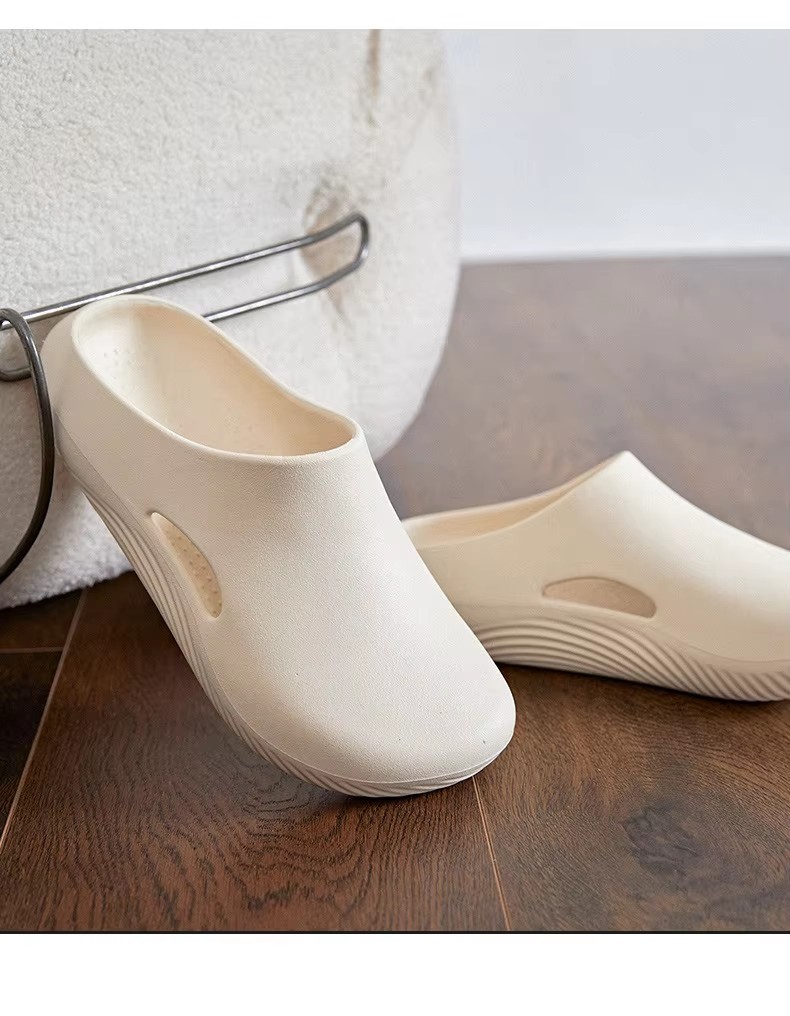
This sounds basic, but it's where most mistakes start. Not all slippers serve the same purpose, and trying to use a budget product in a premium setting creates problems fast.
Different settings demand different product specs:
Disposable vs. Reusable: Hotels often prefer single-use options for hygiene reasons. Retail customers expect durability.
Indoor vs. Outdoor Soles: A thin EVA sole is fine for carpet but dangerous on wet tile.
Seasonal Considerations: Coral fleece feels great in winter but becomes unbearable in summer heat.
There's a tendency to chase the lowest price without considering context. A $0.40 non-woven slipper might work for a budget motel, but putting it in a luxury spa? That's a branding disaster waiting to happen. The environment dictates the product grade more than personal preference does.
Overestimating demand ties up capital. Underestimating means stockouts and rushed reorders (which usually means higher costs). Looking at occupancy rates, seasonal trends, and turnover speeds helps avoid both extremes. Some operations find that ordering quarterly works better than annual bulk buys, even if the per-unit cost is slightly higher. Storage space isn't free, after all.
The material selection process is where budgets live or die. There's an overwhelming variety of fabrics marketed under creative names, but they mostly fall into a few standard categories.
Table: Common Wholesale Slipper Materials Comparison
| Material Type | Comfort Level | Durability | Typical Use Case | Price Range |
|---|---|---|---|---|
| Non-Woven Fabric | Low | Very Low | Single-use, budget motels | $0.30-$0.60 |
| Terry Cloth | Medium | Medium | Mid-range hotels, standard spas | $0.80-$1.50 |
| Coral Fleece | High | Medium-High | Winter retail, home use | $1.20-$2.00 |
| Waffle Weave | Medium-High | Medium | Upscale hotels, summer resorts | $1.50-$2.50 |
| Velour | Very High | High | Luxury suites, premium gifts | $2.00-$4.00 |
But here's the thing—comfort alone doesn't tell the whole story. The sole construction matters just as much, maybe more. A plush upper on a 2mm sole still feels cheap. A 5mm or 6mm EVA sole adds perceived value and actual cushioning. Some buyers focus entirely on the fabric and ignore what's underfoot, which is a bit like buying a car based solely on the seat covers.
For operations requiring branded footwear with specific material specifications, exploring customization options becomes essential. EVA (Ethylene Vinyl Acetate) remains the gold standard for sole construction due to its lightweight cushioning and durability. Those looking to differentiate their product line—particularly in the hospitality or retail space—might find value in exploring specialized options like EVA Custom Slippers, which allow for tailored thickness, density, and even branded sole imprints. Customization does add lead time and typically increases MOQs, but the branding potential often justifies the extra investment.
This isn't mentioned often enough, but chemical odors are a real issue with low-quality Wholesale Slippers. Cheap adhesives have a distinct smell—like burning rubber mixed with solvent. If a sample arrives smelling harsh, the bulk order will too. Guests notice. They complain. It's worth asking suppliers about their glue types and whether they meet basic safety standards.
Platforms like Alibaba list thousands of suppliers for Wholesale Slippers. The challenge isn't finding options; it's finding reliable partners.
There's debate about which is better:
Factories offer lower prices but often have:
Higher MOQs (Minimum Order Quantities)
Communication challenges
Less flexibility with mixed orders
Trading Companies cost more but provide:
Better customer service
Ability to source from multiple factories
Lower MOQs for initial orders
For first-time buyers, trading companies reduce risk. Yes, there's a markup, but they handle quality control issues that would otherwise fall entirely on the buyer. It's a bit like paying for insurance.
Look beyond Gold Supplier badges:
How long has the company been in operation?
Do they have third-party audit reports (like BSCI or ISO)?
Can they provide references from clients in similar industries?
A supplier with five years in business and verifiable references is usually safer than one with flashy marketing but no track record. Though, occasionally, newer factories offer better equipment and fresher approaches. It's not a perfect science.
Never place a bulk order without physical samples. The pressure to meet deadlines sometimes pushes people to skip this step. That's almost always regretted later.
When the sample arrives, it needs abuse testing:
Pull the stitching at stress points
Bend the sole repeatedly
Walk on different surfaces (carpet, tile, concrete)
Wash it if it's marketed as reusable
Leave it in sunlight to check for color fading
Some suppliers send hand-picked perfect samples, then ship bulk orders from standard production lines. Requesting samples from actual production runs (not just showroom pieces) provides a more accurate picture. It's worth the extra couple weeks of lead time.
Take photos. Measure dimensions. Weigh the product. When the bulk order arrives and the soles are suddenly 1mm thinner, having documented proof of what was approved makes disputes much easier. Email trails matter in wholesale transactions.
The factory price is just the starting point. Wholesale Slippers are bulky and light—a nightmare combination for shipping costs. They take up massive space relative to their weight, which means high volumetric charges.
The actual cost per unit includes:
Freight: Sea shipping takes 4-6 weeks but is affordable; air freight kills margins
Import Duties: Footwear often carries 10-20% tariffs depending on origin and destination
Customs Clearance: Broker fees, documentation charges
Local Transport: Getting pallets from port to warehouse
Storage: These boxes stack up fast
A slipper costing $1.00 at the factory might land at $1.70 after all expenses. Forgetting to account for this eats profit margins surprisingly quickly. Some buyers find that paying slightly more for a supplier who handles DDP (Delivered Duty Paid) shipping simplifies budgeting, even if the per-unit cost looks higher upfront.
Most suppliers want 30% deposit, 70% before shipment. Letter of Credit arrangements add safety but also add bank fees. For smaller orders, some trading companies accept PayPal or Alibaba Trade Assurance, which provides some buyer protection. There's always a balance between securing good terms and maintaining supplier relationships.

Buying Wholesale Slippers in bulk combines logistics, quality assessment, and a bit of detective work. The market is vast and, honestly, sometimes overwhelming. But taking time to define needs clearly, test materials thoroughly, and calculate true costs prevents most common disasters.
The perfect supplier exists somewhere—one that balances quality, price, and reliability. Finding them just takes patience and a willingness to ask uncomfortable questions upfront. Because fixing problems after 10,000 pairs arrive is exponentially harder than preventing them during the sourcing phase. If you want to know more about Wholesale Slippers, please read Wholesale Slippers in Bulk: A Complete Buying Guide.