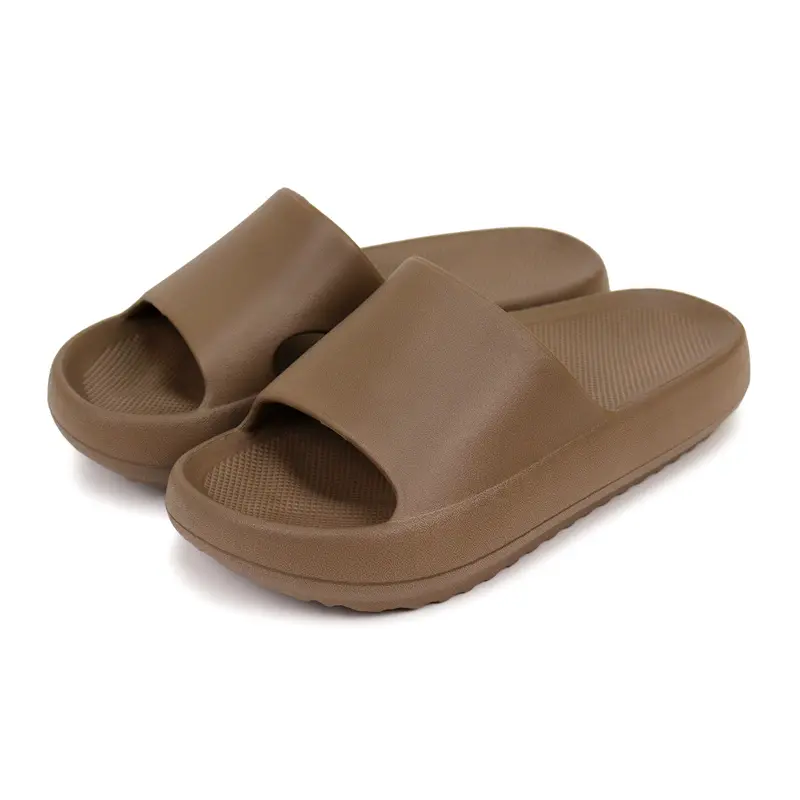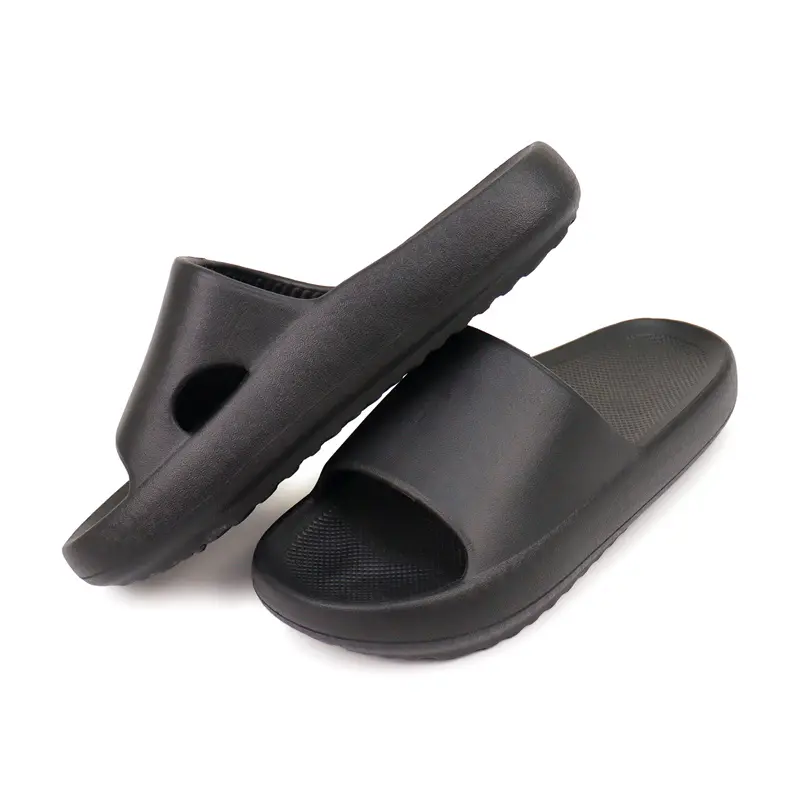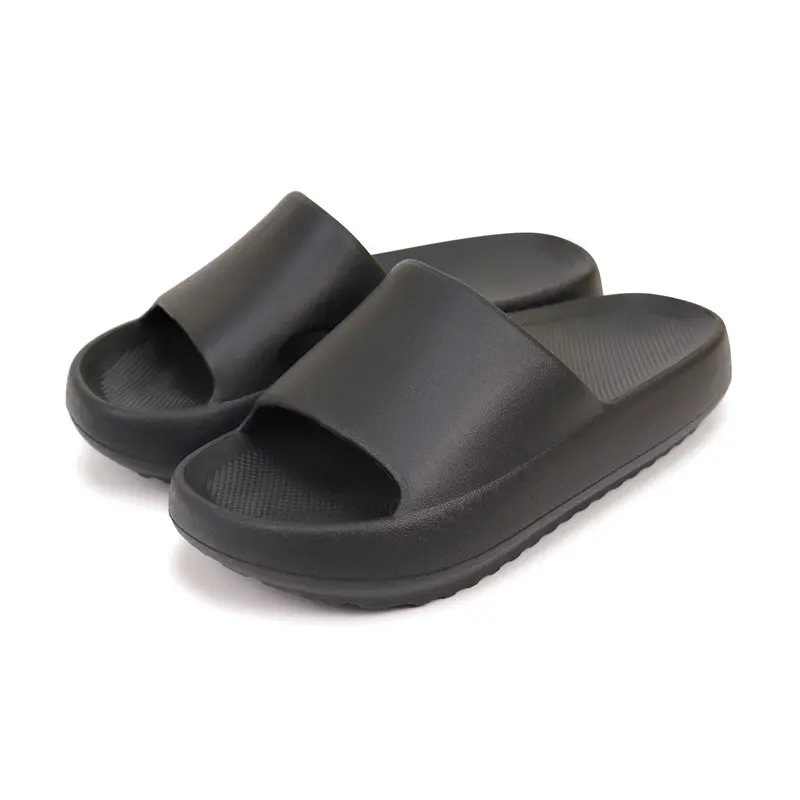
Sourcing footwear feels a lot like dating. Everyone puts their best foot forward in the beginning (pun intended), promising the world, low prices, and lightning-fast shipping. But when the honeymoon phase is over and the actual product arrives at the warehouse, the reality can be starkly different. For a wholesale business, the supply chain is the lifeline. If the supply is cut or corrupted by poor quality, the business bleeds.
Finding a Clogs Factory that isn’t just a glossy website or a smooth-talking trading company disguised as a manufacturer is surprisingly difficult. The internet is flooded with intermediaries. They aren’t necessarily bad, but they add a margin, and more importantly, they add a layer of separation between the buyer and the production line. When things go wrong—and they will—that separation becomes a wall.
The Middleman Trap: Manufacturer vs. Trading Company
The first hurdle is simply identifying who is actually making the shoes. It is common to browse B2B platforms and see hundreds of suppliers all displaying the exact same product photos.
There is a distinct “vibe” to a real factory versus a trading office. A trading company often has a pristine showroom, a polished address in a downtown financial district, and sales reps who speak perfect English. A real Clogs Factory, on the other hand, is usually located in an industrial outskirts zone. It’s loud. It smells like heated EVA (Ethylene Vinyl Acetate). The manager might be too busy shouting over the noise of injection molding machines to answer an email within five minutes.A real Clogs Factory, on the other hand, is usually located in an industrial outskirts zone. It’s loud. It smells like heated plastic—specifically Ethylene Vinyl Acetate—which is the undeniable signature of EVA clogs production. The manager might be too busy shouting over the noise.
Clues You Are Dealing with a Middleman
Product Diversity: If they sell clogs, winter jackets, USB cables, and pet toys, they are a trading company. A dedicated factory rarely has the machinery to produce widely different categories.
The MOQ Game: Factories usually have high Minimum Order Quantities (MOQs) because firing up the machines for a small run isn’t profitable. If a supplier accepts 50 pairs with a custom logo, they are likely buying stock from a market and re-labeling it.
The “We Can Do Everything” Attitude: Real manufacturing has limits. A genuine factory manager will often say “No” or “That is difficult” to complex requests. A middleman will say “Yes” to everything to get the deposit, then figure out the mess later.
Assessing Production Capabilities and Machinery
Assuming a legitimate Clogs Factory has been located, the next step is assessing if they can actually do the job. It’s not just about having machines; it’s about how those machines are maintained.
Clogs are made through injection molding. Plastic pellets are melted and shot into a metal mold. Over time, these molds get dirty or damaged. If a factory doesn’t have a disciplined cleaning schedule, the shoes come out with weird textures or “flash”—that jagged extra plastic on the edges that requires manual trimming.
The Mold Room Reality
The state of the mold room tells you everything about the factory’s future. Are the molds piled up in a rusty corner? Or are they cataloged, greased, and stored on racks? Developing a new clog design involves expensive tooling costs. If the factory cannot demonstrate that they treat their own tools with respect, they certainly won’t treat a client’s investment with respect either.
Developing a new design involves expensive tooling costs. This is the biggest barrier to entry for brands launching custom clogs; if the factory cannot demonstrate that they treat their own tools with respect, they certainly won’t treat a client’s investment with respect either.
The Audit Checklist: Separating the Good from the Bad
When evaluating potential partners, it helps to be systematic. It’s easy to get charmed by a nice lunch or a friendly sales rep, but business is business.
Here is a breakdown of what a healthy factory profile looks like versus a risky one:
| Feature | The Reliable Partner | The Risky Operation |
|---|---|---|
| Communication | Asks technical questions about specs; points out potential flaws in your design. | Agrees to everything immediately; vague about timelines. |
| Cleanliness | Floors are relatively clear; materials are labeled; workers wear basic safety gear. | Pellets spilled everywhere; finished goods piled on the floor; heavy chemical smell. |
| Samples | Sends a “production sample” that includes minor imperfections (honest). | Sends a “golden sample” that looks hand-polished and perfect (deceptive). |
| Certifications | Can provide valid audit reports (BSCI, Sedex) under their own name. | Provides blurry certificates or documents belonging to a “partner factory.” |
Social Compliance and Labor Standards
This part is often overlooked by smaller wholesalers chasing the lowest price, but it matters. The reputational risk is real. If a brand’s Clogs Factory is caught using child labor or forcing workers to endure unsafe conditions, that news travels faster than the shipment itself.
Observing the workforce is telling. Do the workers look exhausted? Is the dormitory building (often on-site) falling apart? Happy workers tend to make better products. It sounds cliché, but in a manual labor environment where trimming and assembly require human hands, fatigue leads to mistakes. A worker who has been on a 14-hour shift will miss the glue stain on the heel strap. That glue stain becomes a return from a customer, which becomes a loss for the wholesaler.
The Problem with “Yes”
There is a cultural nuance in manufacturing hubs (like China or Vietnam) where saying “No” is considered rude or a loss of face. This causes endless headaches. You might ask, “Can this shipment be ready by the 15th?” The factory boss says, “Yes, no problem.” What he means is, “We will try, but probably not, though I don’t want to upset you right now.”
Building a relationship with a Clogs Factory requires cutting through this politeness. It requires asking for photos of the production line during the process. It requires demanding a realistic schedule, not an optimistic one.
Negotiating the “Golden Sample”
Never trust the first sample blindly. This is known as the “Golden Sample”—a unit made with extra care, often by the best technician in the shop, specifically to win the business. The bulk order will be made by regular line workers. To truly test a factory, ask for a sample taken randomly from a current production run they are doing for another client (if possible). That shows the real quality standard.
Final Thoughts: It’s a Long-Term Game
Switching factories is a nightmare. Moving molds, retraining a new team on quality standards, and establishing trust takes months. Therefore, the initial vetting process deserves time. It is better to delay a launch by a month than to rush into a partnership with a Clogs Factory that collapses under pressure.
Walk the floor (or hire an agent to do it). Smell the plastic. Twist the shoes. Look at the organization of the warehouse. The right partner isn’t the one who promises the cheapest price; it’s the one that offers consistency. In the wholesale game, consistency is the only currency that matters.