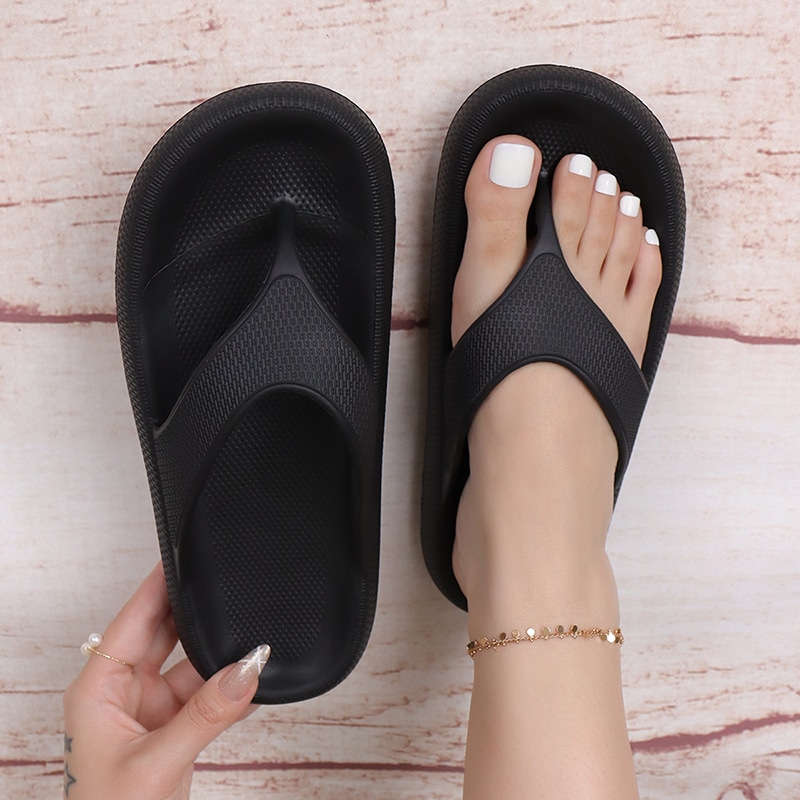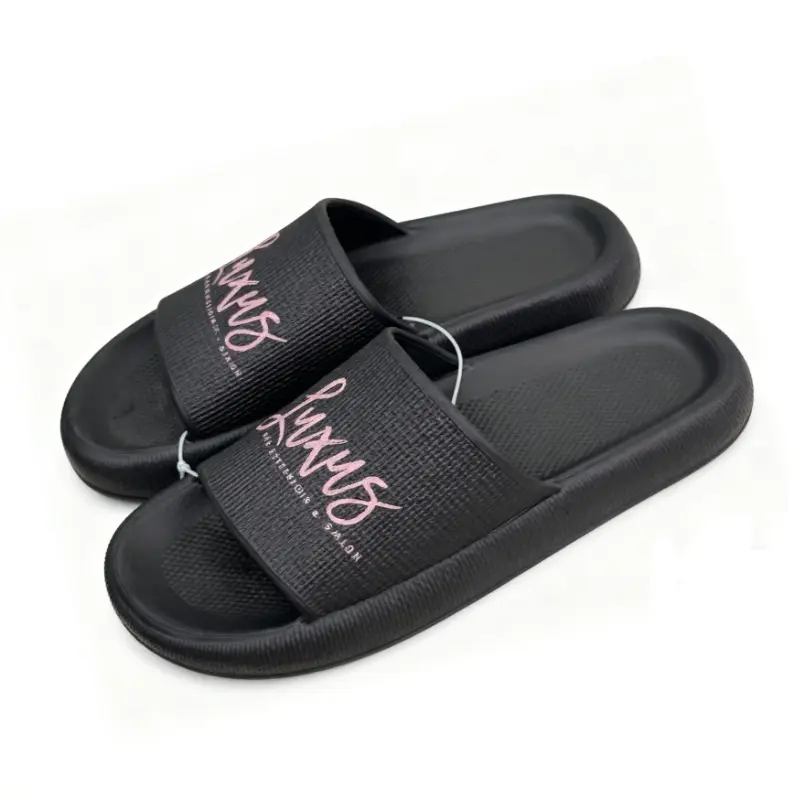
Walking into the world of bulk footwear sourcing feels a bit like stepping into a crowded bazaar. There is noise, there are endless options, and there is the distinct possibility of making a mistake that costs a fortune. Whether stocking a high-end spa, a budget motel, or a boutique retail store, the search for Wholesale Slippers is rarely a straight line. It is a winding road of fabric swatches, shipping calculations, and late-night emails to suppliers halfway across the globe.
It’s often observed that new buyers dive in headfirst, mesmerized by the lowest unit price. But anyone who has been in the game for a while knows that the cheapest option usually ends up being the most expensive in the long run—especially when customers start complaining about flimsy soles. This guide aims to pull back the curtain on the bulk buying process, offering a look at what actually matters when the inventory lands on the loading dock.
The Reality of Sourcing: It’s Not Just About Price
There is a misconception that buying in bulk is just a numbers game. Find the lowest number, buy a container load, and profit. If only it were that simple. The market for Wholesale Slippers is flooded with products that look identical in photos but feel vastly different in hand.
A picture on a screen can’t convey the density of the foam or the scratchiness of the lining. One might notice that suppliers use the same stock photos for completely different quality grades. It creates a confusing landscape where a $0.50 slipper looks exactly like a $1.50 slipper. This is where the headache starts.
Defining the End Use
Before getting lost in catalogs, it helps to pause and look at who will actually be wearing these things. The context changes everything.
The Hotel Guest: Needs something hygienic and disposable. They probably won’t wear them for more than 48 hours.
The Spa Visitor: Expects luxury. If the slipper feels like paper, the relaxation mood is ruined.
The Retail Customer: Needs durability. They are buying these for their home, not a weekend trip.
If the goal is to secure the right Wholesale Slippers, understanding these nuances is better than memorizing import codes. A mismatch here—like putting a thin, non-woven slipper in a luxury suite—is a branding disaster waiting to happen.
For those who want a more structured approach to navigating this complexity, there are practical frameworks that can help. A detailed breakdown of selection criteria—covering everything from material composition to supplier vetting—can be found in this guide: 5 Tips for Choosing High-Quality Wholesale Slippers in Bulk. It offers a checklist mentality that pairs well with the detailed considerations that follow.
Materials: The Good, The Bad, and The “What is That?”
Fabric selection is where the budget is won or lost. It’s fascinating how many variations of “polyester” exist. Some feel like clouds, others like scouring pads. When sourcing, one has to look past the fancy marketing names and look at the actual composition.
The sole is equally critical. EVA (Ethylene Vinyl Acetate) is the standard, but the thickness varies wildly. A 3mm sole might be fine for carpet, but on a wet tile floor? It’s a slip hazard. A 5mm or 6mm sole offers a much better perceived value.
Here is a breakdown of common materials encountered in the wholesale market. It helps to visualize the trade-offs.
Table 1: Common Slipper Material Breakdown
| Material | Texture/Feel | Durability | Best Application |
|---|---|---|---|
| Non-Woven | Paper-like, thin | Extremely Low (Single use) | Budget motels, salons |
| Terry Cloth | Towel-like, absorbent | Medium | Mid-range hotels, standard spas |
| Coral Fleece | Soft, fuzzy, warm | Medium to High | Winter retail, cozy gifts |
| Waffle Weave | Textured, breathable | Medium | Summer resorts, upscale spas |
| Velour | Smooth, velvet-like | High | Luxury suites, VIP gifts |
It seems obvious when laid out like this, yet buyers constantly try to force a cheap material into a high-end application to save pennies. It rarely works out well.
Navigating the Supplier Jungle
Finding a supplier for Wholesale Slippers is easy; finding a reliable partner is the hard part. Platforms like Alibaba or Global Sources are teeming with factories and trading companies.
Factory vs. Trading Company
There is a longstanding debate on which is better.
Factories offer lower prices but often have higher Minimum Order Quantities (MOQs) and poorer communication skills.
Trading Companies act as middlemen. They cost a bit more, but they can source from multiple factories and usually handle customer service better.
For a first-time buyer, a trading company might actually be safer. They can aggregate products and deal with the quality control headaches that would otherwise fall on the buyer.
The Sample Trap
Never place a bulk order without holding a sample. It sounds like common sense, but the pressure to meet a deadline often leads to skipping this step. When the sample arrives, it needs to be abused. Pull the stitching. Bend the sole in half. Smell it.
Yes, smell it. Cheap glues used in footwear manufacturing have a distinct, pungent chemical odor. If a sample arrives smelling like a tire factory, the bulk order will likely smell the same. Guests don’t want to wear chemical fumes.
Logistics: Shipping Air and Hidden Fees
This is the part that usually catches people off guard. Slippers are light, but they are bulky. In logistics terms, they have a high “volume weight.” Shipping a container of Wholesale Slippers is essentially shipping air and foam.
To combat this, factories often vacuum pack the products. It saves space, which saves money. However, there is a catch. If the padding is cheap, it might not rebound after being squished for six weeks in a container. The slippers arrive looking like pancakes.
Calculating the Landed Cost
The unit price is just the beginning. To get the real cost, one must consider:
Freight: Sea shipping is slow but cheap; air freight destroys margins.
Duties and Tariffs: Footwear often carries high import duties depending on the country of origin.
Local Transport: Getting the pallets from the port to the warehouse.
Storage: These boxes take up a lot of room.
It is often found that a slipper costing $1.00 at the factory ends up costing $1.80 by the time it sits on the shelf. Forgetting to account for this leads to vanishing profits.
Customization and Branding
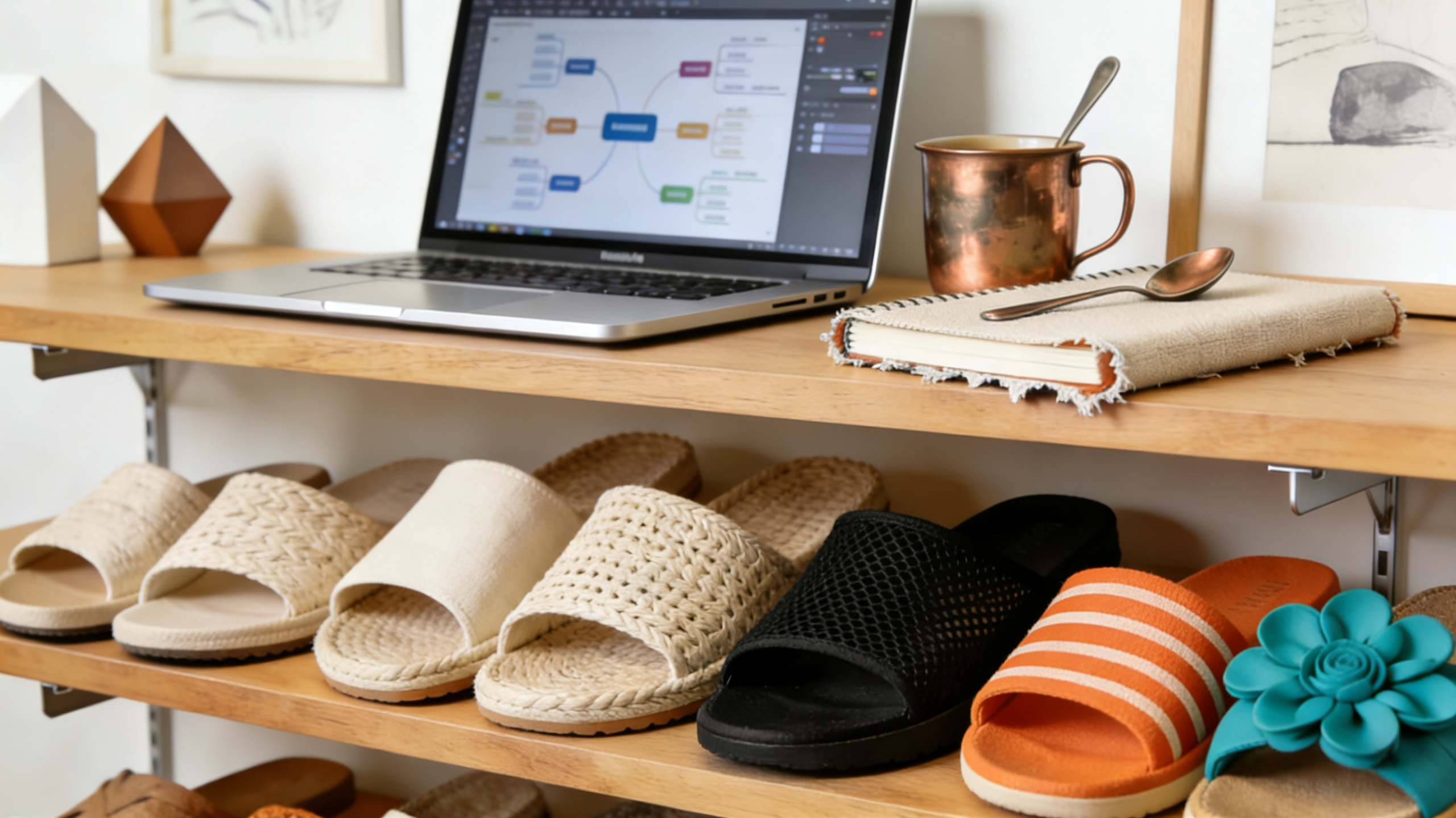
Plain white slippers are fine, but branding adds value. Most suppliers offer customization, but it comes with strings attached—usually higher MOQs.
Embroidery looks the most premium. It withstands washing and doesn’t fade. However, it requires the factory to stitch the fabric before the slipper is assembled. This means custom orders usually have a 30 to 45-day lead time.
Screen printing is faster and cheaper, but it can crack. Heat transfers are another option, often used for colorful logos. When exploring Wholesale Slippers, asking for a mock-up image is crucial. Sometimes the logo placement looks weird in real life compared to the computer rendering.
Assessing Quality Control
Trust is good; checking is better. Quality fade is a real phenomenon. The first shipment is perfect. The second is okay. The third has thinner soles and loose threads.
It’s an unfortunate reality of manufacturing. Suppliers might try to cut corners to increase their own margins once they feel the client is “locked in.” Regular inspections are necessary. It doesn’t mean flying to the factory every time, but asking for photos of the production line or hiring a third-party inspector for large orders is a smart move.
A Checklist for the Cautious Buyer
Before wiring that 30% deposit, a quick review is in order:
Has the sample been approved in writing (with photos)?
Is the packaging specification clear (one pair per polybag, 50 pairs per carton)?
Is the delivery date guaranteed, with penalties for delays?
Have the payment terms been verified?
Conclusion
Buying Wholesale Slippers in bulk is a balancing act between comfort, cost, and logistics. It requires a bit of skepticism and a lot of attention to detail. The market is vast and somewhat chaotic, but finding that perfect balance—a slipper that feels great, arrives on time, and keeps the accountant happy—is incredibly satisfying. It takes patience to sift through the noise, but the right product is out there, waiting to be found. Just remember to check the sole thickness one last time. If you want to know more about wholesale slippers, please read How to Choose the Right Wholesale Slippers.