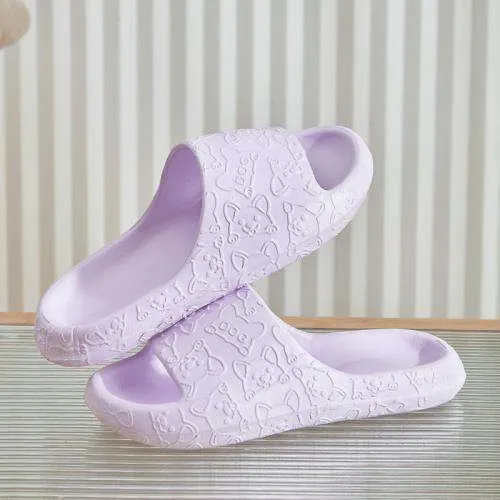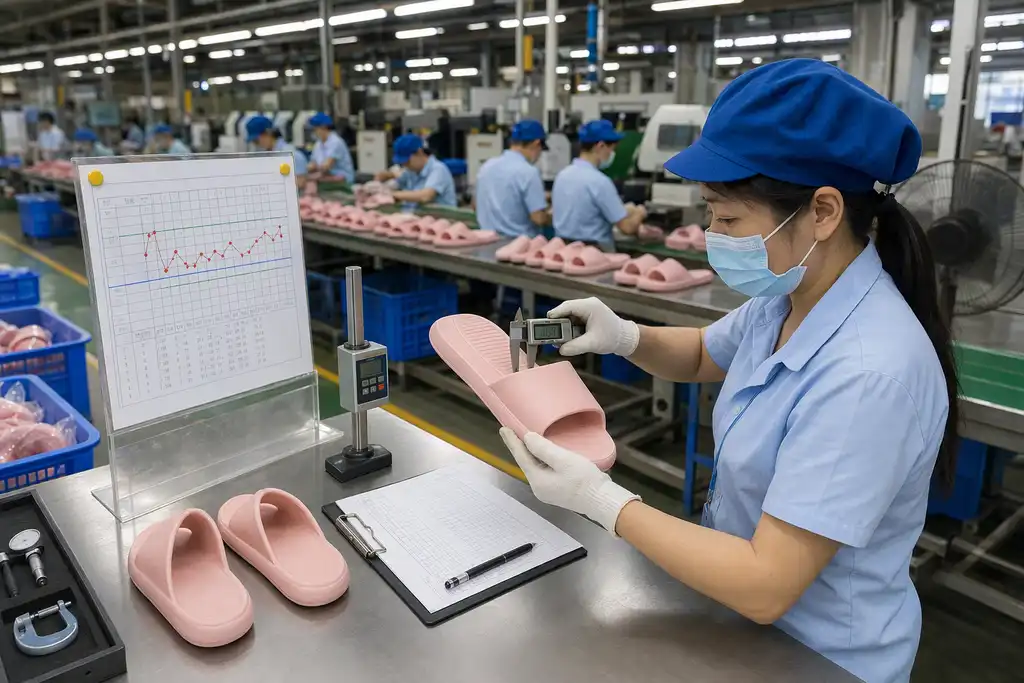
Buying footwear in bulk can feel overwhelming, especially when the stakes are high. Whether stocking a retail store or supplying a healthcare facility, the decision matters more than most people realize. Wholesale clogs have become increasingly popular across various industries—and for good reason. They’re practical, comfortable, and honestly, pretty versatile.
But here’s the thing. Not all clogs are created equal. Some suppliers promise the world and deliver disappointment. Others offer gems hidden among countless options. Knowing how to navigate this landscape? That’s what separates successful bulk buyers from those stuck with unsellable inventory.
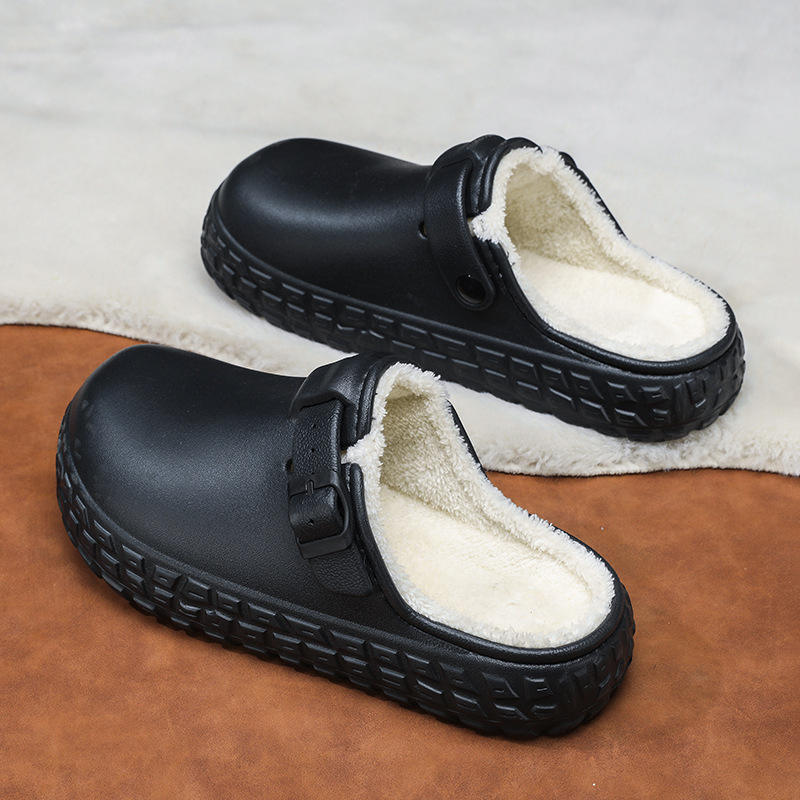
Understanding the Wholesale Clogs Market
The market for wholesale clogs has expanded dramatically over recent years. Healthcare workers, restaurant staff, gardeners, and even fashion-forward consumers have embraced this footwear style. It’s kind of surprising, actually, how a shoe once considered purely functional has found its way into mainstream fashion.
When sourcing wholesale clogs, understanding market segments helps tremendously. Different buyers need different things—a spa owner has completely different requirements than someone running a medical supply company.
Key Industries Purchasing Bulk Clogs
Healthcare and medical facilities
Hospitality and restaurant businesses
Spa and wellness centers
Gardening and outdoor retail
Fashion boutiques (yes, really)
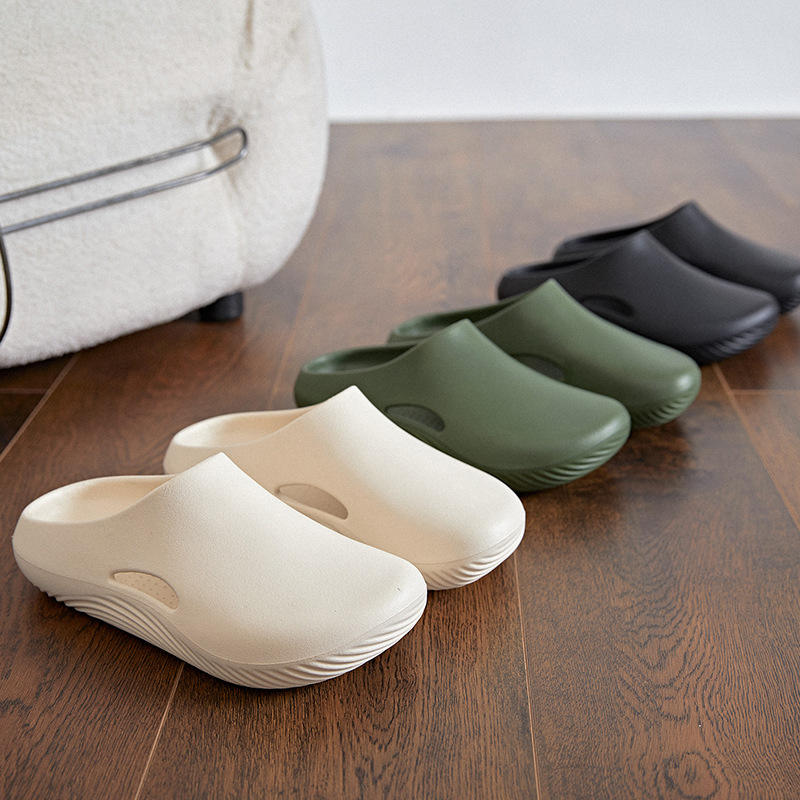
Among these industries, lightweight options like EVA clogs have gained particular traction. Their combination of comfort, easy cleaning, and budget-friendly pricing makes them ideal for high-volume orders.
What Makes Quality Clogs Stand Out
Quality isn’t just about appearance. Well, appearance matters too, but there’s so much more beneath the surface. Literally. The construction, materials, and design elements all contribute to whether a clog will last six months or several years.
Material Considerations
The material used in wholesale clogs determines durability, comfort, and overall value. Here’s a breakdown of common materials and their characteristics:
| Material Type | Durability | Comfort Level | Price Range | Best For |
|---|---|---|---|---|
| EVA Foam | Moderate | High | Budget-friendly | Casual use, gardens |
| Rubber | High | Moderate | Mid-range | Wet environments |
| Leather | Very High | High (after break-in) | Premium | Professional settings |
| Synthetic Blend | Moderate-High | Moderate-High | Mid-range | General purpose |
EVA foam clogs tend to be lightweight and affordable, making them popular for bulk orders where budget constraints exist. Leather options, while pricier, often justify the cost through longevity—something worth considering when calculating true value per unit.
Beyond material selection, many buyers now explore custom clogs as a way to differentiate their offerings. Adding logos, unique colorways, or specialized features transforms standard inventory into branded merchandise. For businesses building customer loyalty, this personalization often justifies the additional investment.
Construction Quality Indicators
Examining construction quality doesn’t require expertise, just attention to detail. Some signs of well-made clogs include:
Even stitching without loose threads
Secure sole attachment (no gaps or visible glue residue)
Consistent coloring throughout the product
Smooth interior finishing
Properly aligned heel counters
Cheap construction shows itself pretty quickly. Soles that separate, footbeds that flatten within weeks, straps that snap—these problems create returns and unhappy customers. Nobody wants that headache.
Evaluating Wholesale Suppliers
Finding reliable suppliers for wholesale clogs requires patience and, frankly, a bit of skepticism. The internet has made sourcing easier but also opened doors for less-than-reputable operations.
Questions to Ask Potential Suppliers
Before placing any substantial order, certain questions deserve answers:
What minimum order quantities apply?
Are samples available before bulk commitment?
What’s the return policy for defective products?
How long has the supplier operated in this market?
Can they provide references from existing clients?
Suppliers hesitant to answer these questions openly might be hiding something. Or maybe they’re just disorganized—which presents its own set of problems.
Red Flags Worth Noting
Some warning signs appear repeatedly among problematic suppliers:
Prices dramatically below market average (suspiciously so)
Vague or nonexistent product specifications
No physical address or verifiable business information
Pressure tactics pushing immediate purchase decisions
Poor communication or delayed responses
Trust instincts here. Something feeling off usually means something is off.
Sizing and Fit Considerations for Bulk Orders
Ordering wholesale clogs means anticipating the needs of end users who can’t try before buying. This makes sizing particularly tricky.
Most experienced buyers order size distributions based on historical sales data or demographic research. A general distribution might look something like this:
Order fewer units in extreme sizes (very small or very large)
Stock heavier in middle-range sizes
Consider the target demographic’s typical sizing patterns
Account for regional sizing differences if selling internationally
Getting this wrong ties up capital in slow-moving inventory. Getting it right means faster turnover and happier customers.
Price Versus Value in Wholesale Purchases
The cheapest wholesale clogs rarely offer the best value—a distinction worth emphasizing. Value considers longevity, customer satisfaction, return rates, and reputation impact alongside initial cost.
Sometimes spending slightly more per unit makes perfect financial sense. Quality wholesale clogs that retail well and generate repeat customers far outweigh savings from inferior products that damage brand reputation.
Final Thoughts on Making Smart Bulk Purchases
Choosing quality wholesale clogs requires balancing multiple factors simultaneously. Material quality, supplier reliability, pricing structures, and sizing strategies all play crucial roles. The process takes time, maybe more than anticipated, but rushing leads to costly mistakes.
Successful bulk buyers approach this methodically. They request samples, verify supplier credentials, and calculate true costs beyond initial pricing. They understand that wholesale clogs represent their business to end customers—and act accordingly.
The market continues evolving, with new materials and designs emerging regularly. Staying informed, remaining patient, and maintaining quality standards ensures bulk orders consistently meet expectations.