When it comes to selling wholesale slippers, one of the most critical decisions is choosing the right size range. It may seem straightforward—offer sizes from small to large—but the reality involves nuanced understanding of your target market, manufacturing capabilities, and customer preferences. Getting this right can boost sales, reduce returns, and improve overall satisfaction. So, what factors influence selecting the optimal size range for wholesale slippers?
Why the Size Range Matters in Wholesale Slippers
The importance of the size range in wholesale slippers cannot be overstated. It directly impacts your inventory management, sales efficiency, and customer happiness. An inadequate size offering can lead to missed sales opportunities or excess stock. Conversely, a well-thought-out size range aligns with customer demand, ensuring higher hit rates.
In the wholesale business, the focus often revolves around balancing variety and inventory costs. Stocking too narrow a size range may alienate potential buyers. On the other hand, offering too many sizes can inflate costs without clear demand. Finding the sweet spot requires careful analysis and some industry experience.
Understanding Your Target Market
Before diving into size ranges, it’s essential to understand who your customers are. Different markets have varying size preferences based on demographics, regional standards, and fashion trends.
Factors to consider:
Geographic location: For example, Asian markets often prefer different size standards than Western markets.
Customer age and gender: Kids’ slippers require a broader size variation to accommodate growth, while adult slippers might be more standardized.
Intended use: Casual slippers for home wear may have a different size demand compared to orthopedic or fashion-focused slippers.
By studying these aspects, wholesalers can tailor their size offerings to meet actual demand, reducing excess stock and increasing turnover.
Common Size Ranges for Wholesale Slippers
In the wholesale slippers industry, several standard size ranges are widely accepted. These can serve as a foundation, but should be customized based on targeted markets.
Typical size ranges include:
| Size Range | Suitable Markets | Notes |
|---|---|---|
| 5–8 (Women’s US sizes) | Women’s casual slippers | Focused on Western markets |
| 6–12 (Men’s US sizes) | Men’s indoor slippers | Broad coverage for adult men |
| 8–14 (Kids’ sizes) | Kids’ slippers | Age-specific variations for children |
Choosing the right size range involves understanding where your market’s demand lies within these ranges.
Additional Considerations:
Extension of sizes: Some wholesalers include half sizes or wider sizes for comfort or special needs.
Size increments: Larger ranges may have inconsistent sizing; consider whether you want uniform increments (like every half or full size) or wider jumps (like every two sizes).
Collecting Data and Analyzing Demand
Data-driven decisions can significantly improve your size range selection. Here are steps to gather and analyze relevant data:
Historical sales data: Review past sales to see which sizes perform best.
Market surveys: Conduct customer surveys or gather feedback from retail partners.
Competitor analysis: See what sizes most competitors stock and how they price different ranges.
Creating a demand forecast helps in manufacturing or sourcing the right size sets, minimizing unsold stock and maximizing profitability.
Flexibility and Modular Approaches
Instead of committing to a fixed universal size range, consider the advantages of flexibility:
Modular stocking: Offer core sizes with optional add-ons based on regional demand.
Custom orders: Allow clients to specify preferred size ranges, especially for private label portfolios.
Adjusting over time: Regularly review sales data and be ready to expand or narrow the size range accordingly.
This approach minimizes risk and keeps your inventory lean.
Practical Tips for Selecting the Best Size Range
Start with broad appeal ranges (like 6–12 for adult slippers) and narrow down based on sales patterns.
Prioritize popular sizes during initial procurement, then phase in less demanded sizes gradually.
Offer half sizes if your target market values precision, common in larger markets.
Avoid overextending into sizes with low demand; focus on high-turnover sizes to optimize inventory.
Tips summary:
Know your customer base’s regional size standards.
Use real sales data for demand insights.
Keep inventory flexible and responsive to feedback.
Balance variety with operational efficiency.

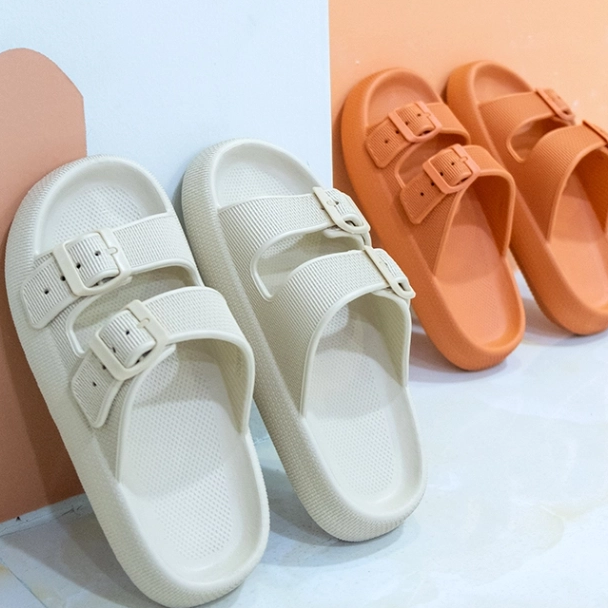
Sample Size Range Planning Scenario
Let’s look at a practical example. A wholesaler targeting North American markets might plan as follows:
For women’s slippers, stock sizes 5–10, including half sizes.
For men’s slippers, sizes 6–12.
For kids, sizes 8–13, focusing on age groups with the highest demand.
In practice, they monitor which sizes sell faster, then adjust orders accordingly. This proactive approach avoids overstocking less popular sizes and maximizes profit.
Sample Size Range Table
| Product Type | Size Range | Key Features | Typical Usage |
|---|---|---|---|
| Women’s slippers | 5–10 (half sizes included) | Comfortable fit, fashion-forward | Home wear, casual use |
| Men’s slippers | 6–12 | Wider sizes, durability | Indoor, outdoor use |
| Kids’ slippers | 8–13 | Soft, lightweight | Playtime, comfort |
By customizing this based on regional demands, wholesalers can better serve their clients.
Conclusion
Choosing the right size range for wholesale slippers isn’t a straightforward decision, but it’s crucial for success. It involves understanding your market, analyzing sales data, and remaining flexible to adapt. A strategic approach ensures that you offer the right products, reduce inventory waste, and satisfy customer needs effectively.
Investing time in proper planning and analysis will pay off in increased sales, satisfied clients, and a solid reputation in the wholesale footwear industry. If you want to know more about wholesale slippers, please read How to Choose the Right Wholesale Slippers.