Finding a good supplier for Custom Slippers Wholesale isn’t as straightforward as it might seem. Sure, a quick search turns up dozens of manufacturers and trading companies all promising excellent quality at competitive prices. But actually vetting those suppliers, negotiating terms, and getting products that match expectations? That’s where things get tricky.
The process involves more than just comparing price lists. There’s supplier verification, sample evaluation, communication challenges, shipping logistics, and about a dozen other details that only become obvious after making a few mistakes. Some lessons come cheap. Others… not so much.
Where to Find Wholesale Slipper Suppliers
The sourcing journey typically starts in one of a few places. Each channel has distinct advantages and drawbacks worth understanding before diving in.
Online B2B Marketplaces
Platforms like Alibaba, Made-in-China, and Global Sources remain the go-to starting point for many buyers. These marketplaces aggregate thousands of Custom Slippers Wholesale manufacturers, mostly from China, Vietnam, and other Asian manufacturing hubs.
The convenience is obvious—browse products, compare prices, message suppliers, all from a laptop. But the sheer volume of options creates its own problem. Distinguishing genuine factories from middlemen (trading companies pretending to be manufacturers) takes practice and some detective work.
Look for:
Gold supplier or verified manufacturer badges
Factory audit reports
Years in business on the platform
Response rate and speed
Real factory photos, not stock images
Trading companies aren’t necessarily bad—some offer valuable services like quality control and consolidated shipping. But buyers should know who they’re dealing with.
Trade Shows and Exhibitions
For buyers who can travel, trade shows offer something online platforms can’t: face-to-face interaction. Touching actual samples, meeting factory representatives, building relationships—these things matter in manufacturing partnerships.
Major shows relevant to Custom Slippers Wholesale sourcing include:
| Trade Show | Location | Focus Area | Typical Timing |
|---|---|---|---|
| Canton Fair | Guangzhou, China | General merchandise, footwear | April & October |
| APLF Leather Fair | Hong Kong/Dubai | Leather goods, footwear materials | March |
| Magic Las Vegas | Las Vegas, USA | Fashion, accessories, footwear | February & August |
| ISPO Munich | Munich, Germany | Sports, outdoor footwear | January |
Trade shows compress months of email back-and-forth into a few days of direct conversation. Suppliers bring their best samples. Negotiations happen faster. And walking the floor reveals options that might never surface in online searches.
Direct Factory Contact
Some buyers prefer going straight to manufacturers, bypassing marketplaces entirely. This approach requires more legwork—finding factory websites, using LinkedIn to locate sales contacts, or even hiring sourcing agents in manufacturing regions.
The payoff? Often better pricing (no platform fees built in), more customization flexibility, and direct communication with production teams. The downside is less protection if things go wrong. Marketplace escrow and dispute resolution have value, especially for newer buyers.
Evaluating Potential Suppliers
Finding suppliers is just step one. Figuring out which ones are worth working with—that’s the real challenge.
Requesting and Comparing Samples
Never place a bulk Custom Slippers Wholesale order without samples first. This seems obvious, but pressure to save time or money leads some buyers to skip this step. Almost always a mistake.
When requesting samples:
Ask for both standard products and customization mockups
Request samples from 3-5 suppliers for comparison
Specify exactly what you need (size, material, logo placement)
Clarify who pays for samples and shipping
Set clear timelines for sample delivery
Once samples arrive, examine them carefully. Wear them. Compare construction quality side by side. Check stitching, sole attachment, material feel, logo accuracy. Sometimes the cheapest quote corresponds to noticeably lower quality. Sometimes it doesn’t. Samples reveal what price lists hide.
Common Material Options to Consider
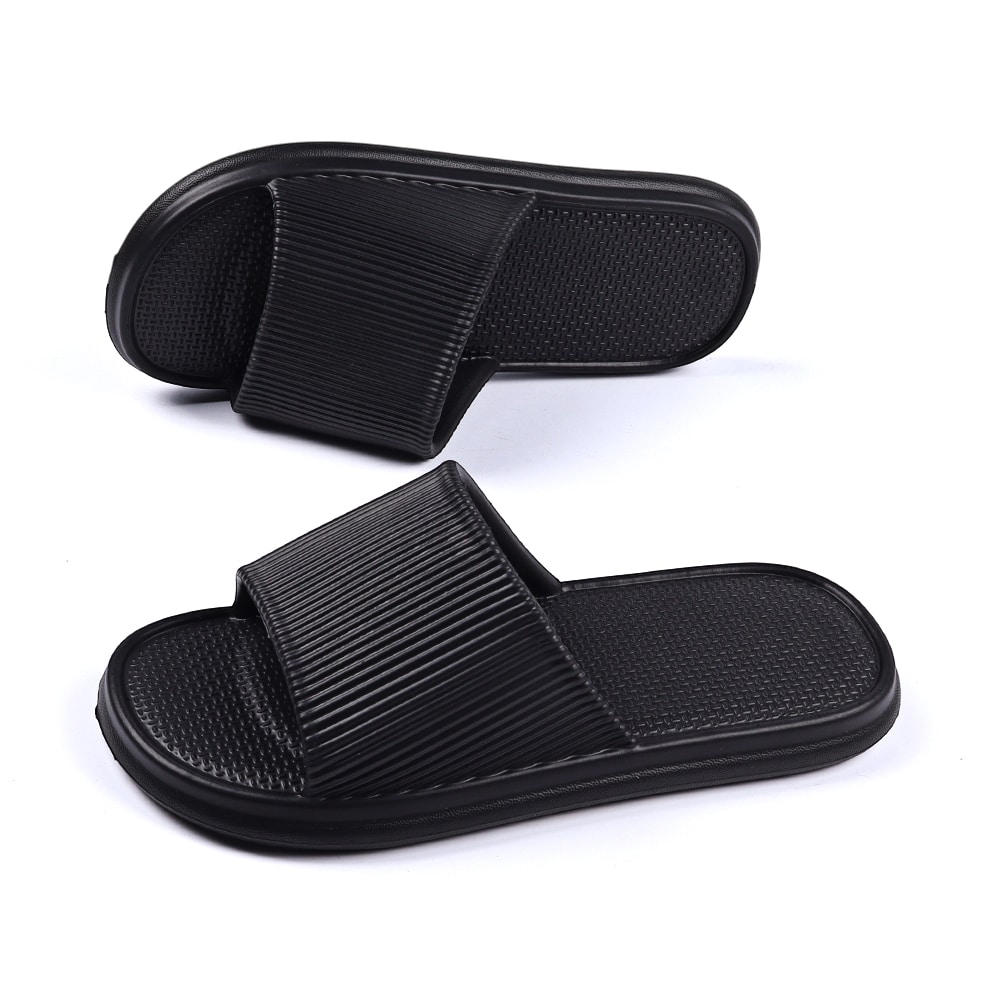
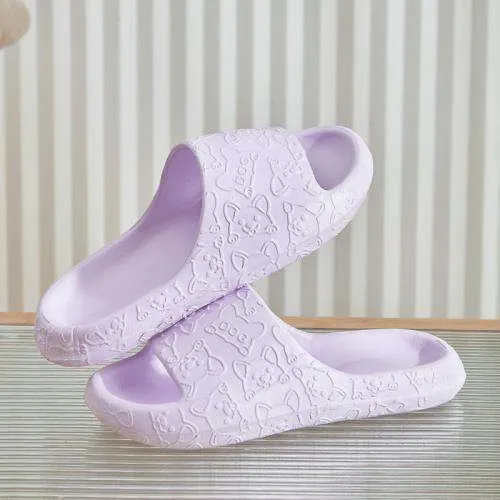
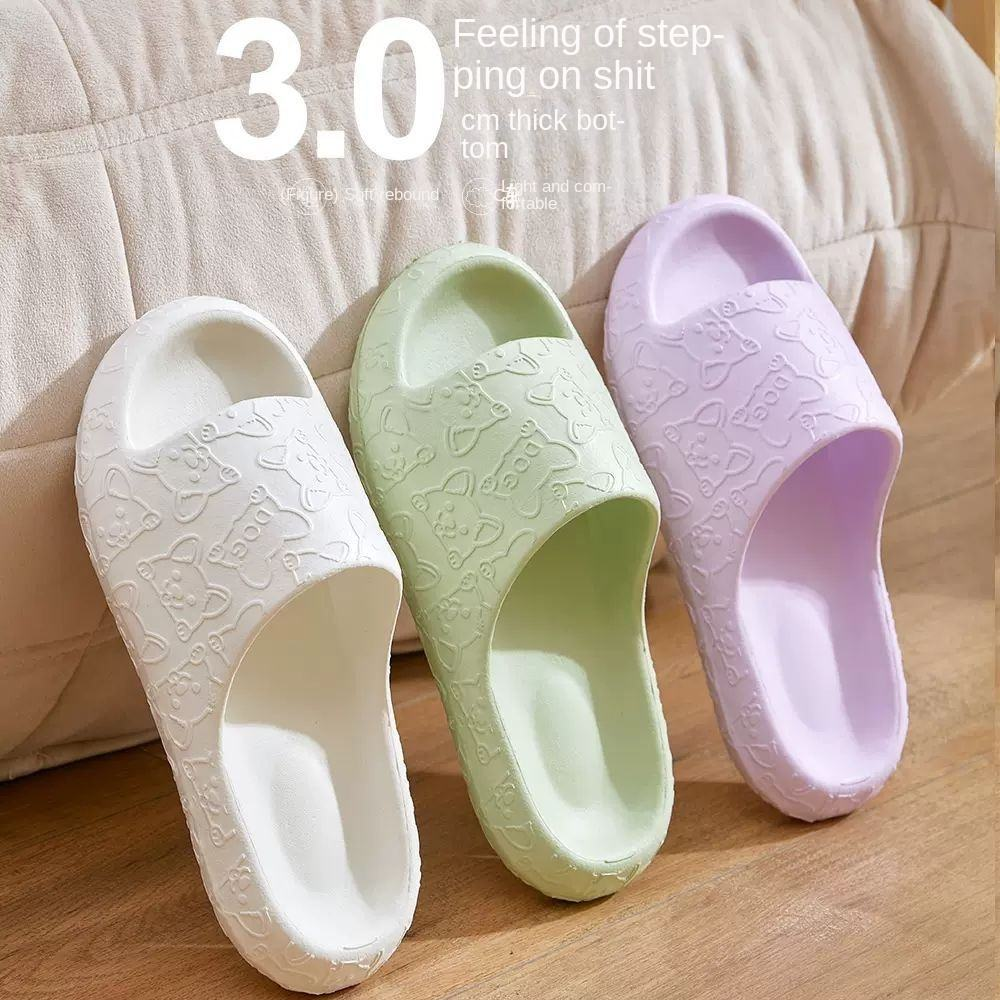
When comparing samples, material choice significantly impacts both cost and end-user experience. Terry cloth works for budget hotel amenities. Velour feels more upscale. EVA Slippers offer excellent cushioning and water resistance—particularly popular for spas, wellness centers, and poolside use. Each material serves different purposes, so clarity on intended use helps narrow supplier options.
Verifying Factory Capabilities
A supplier’s word only goes so far. Independent verification adds confidence, especially for larger orders.
Options include:
Third-party audits: Companies like SGS, Bureau Veritas, and Intertek conduct factory inspections
Video calls: Ask for live factory tours via video chat
Reference customers: Request contacts of existing buyers (though suppliers may decline for confidentiality reasons)
Business license verification: Confirm registration details match what suppliers claim
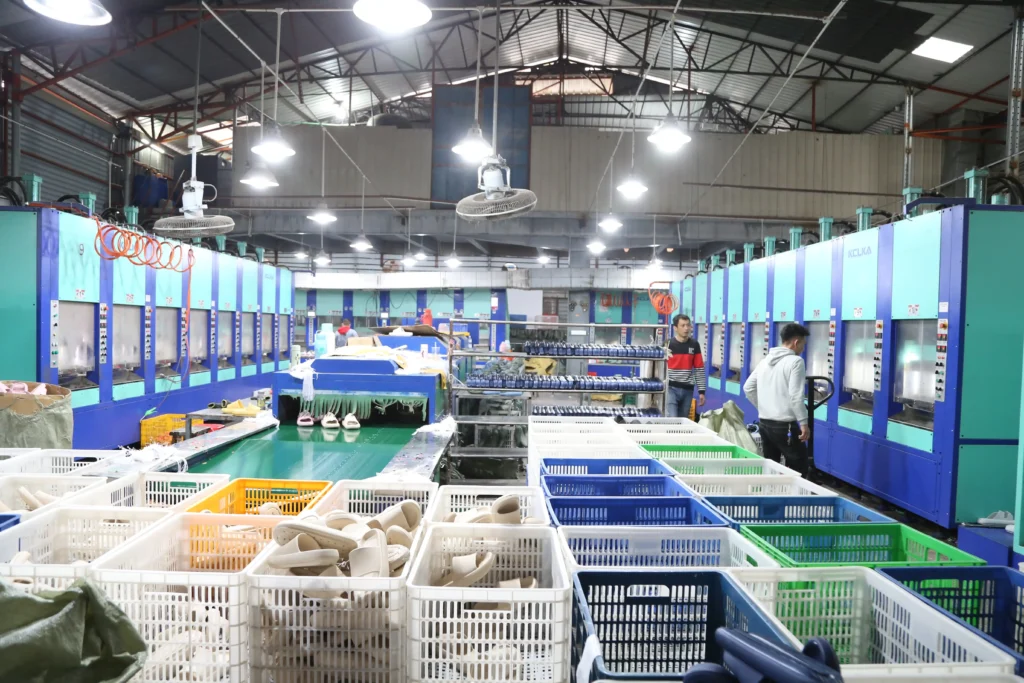
For Custom Slippers Wholesale specifically, verify that the factory actually produces slippers—not just trades in them. Some suppliers subcontract production to unknown factories, reducing quality control.
Understanding Minimum Order Quantities
MOQs vary wildly. Some suppliers accept orders as small as 100 pairs for basic styles. Others require 1,000 or even 5,000 pairs minimum, particularly for custom designs.
Factors affecting MOQ:
Level of customization (standard vs. fully custom)
Material specifications
Color requirements
Whether sizes are mixed or single
Seasonal demand and factory capacity
Negotiation is possible, especially for repeat business potential. A supplier might accept a smaller first order if they see opportunity for larger orders down the road. Worth asking, anyway.
Negotiating Terms and Pricing
Price matters, obviously. But experienced Custom Slippers Wholesale buyers know that focusing only on unit price misses the bigger picture.
Key Terms to Negotiate
Beyond price per pair, pay attention to:
Payment terms: 30% deposit, 70% before shipping is standard, but terms vary
Lead times: Production plus shipping—realistic estimates matter for planning
Quality tolerances: What defect rate is acceptable? How are defects handled?
Packaging specifications: Individual bags, boxes, bulk packing?
Shipping terms: FOB, CIF, or other Incoterms
Everything connects. A slightly higher unit price with better payment terms and faster lead times might represent better overall value than the cheapest quote with rigid conditions.
Building Long-Term Relationships
The transactional approach—squeezing every penny, treating suppliers as interchangeable—works short-term but creates problems over time. Good suppliers prioritize reliable partners. They’ll allocate production capacity during busy seasons, accommodate rush orders, and flag quality issues proactively.
Trust develops gradually. Small initial orders, prompt payments, clear communication—these build credibility. Over time, better terms follow naturally.
Quality Control Before Shipping
Production is finished. Containers are being loaded. This is not the time to discover problems.
Pre-Shipment Inspection Options
For Custom Slippers Wholesale orders of any significant size, pre-shipment inspection makes sense:
Self-inspection: Fly to the factory or send a representative
Third-party inspection: Hire inspection companies to check randomly selected samples
Supplier-provided photos/videos: Better than nothing, though obviously biased
Standard inspection typically involves checking 80-200 units from a batch (AQL sampling), examining for:
Material quality and consistency
Construction defects
Logo placement and accuracy
Size accuracy
Packaging condition
Catching problems before shipping costs a fraction of what it costs after goods arrive at their destination. Return shipping fees, customs complications, production delays—all avoided with proper inspection.
Logistics and Importing Considerations
Getting slippers from factory to warehouse involves shipping, customs, and various documentation requirements.
Shipping Methods
| Method | Cost | Speed | Best For |
|---|---|---|---|
| Sea freight (FCL) | Lowest | 3-6 weeks | Large orders (full container) |
| Sea freight (LCL) | Low-moderate | 4-7 weeks | Medium orders (shared container) |
| Air freight | Highest | 5-10 days | Urgent or small orders |
| Express courier | Very high | 3-5 days | Samples, tiny orders |
Most Custom Slippers Wholesale buyers use sea freight for bulk orders. The per-unit shipping cost drops dramatically compared to air. But planning must account for longer transit times.
Customs and Import Duties
Importing footwear involves tariffs—rates depend on material composition, country of origin, and destination. Working with a customs broker simplifies compliance. They handle classification, documentation, and duty calculations.
First-time importers often underestimate this complexity. Build in time and budget for learning the process, or partner with experienced freight forwarders who handle everything door-to-door.
Final Thoughts on Sourcing
Sourcing Custom Slippers Wholesale successfully requires patience. The first supplier found is rarely the best one. Sample orders reveal more than catalogs ever could. And relationships with good suppliers become genuine competitive advantages over time.
Rushing the process, cutting corners on quality checks, choosing purely on price—these shortcuts rarely end well. The upfront investment in proper sourcing pays dividends for years to come. If you want to know more about Custom Slippers Wholesale, please read How to choose Custom Slippers Wholesale Styles for different needs?