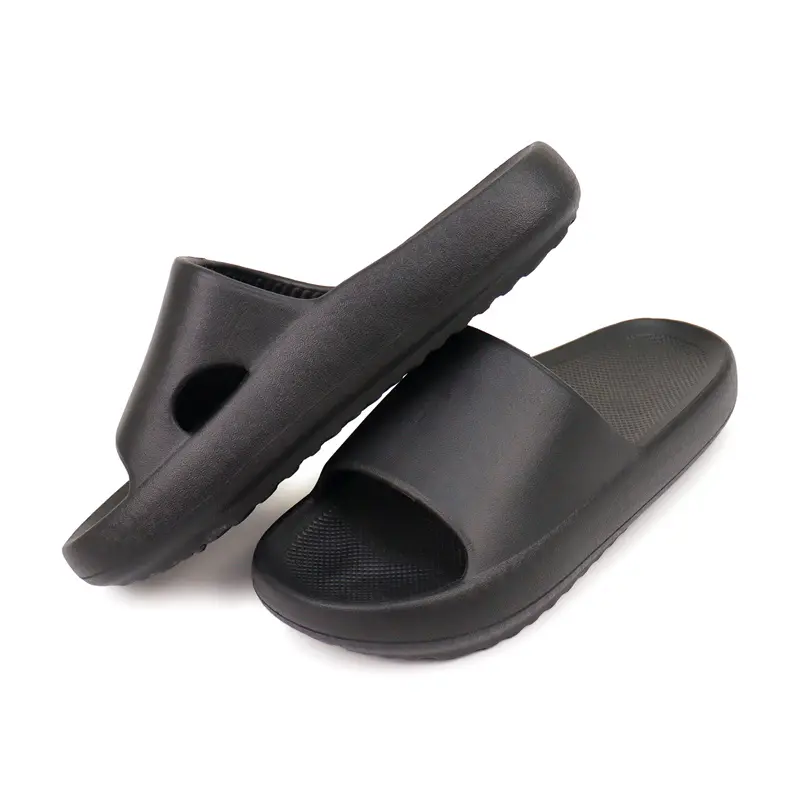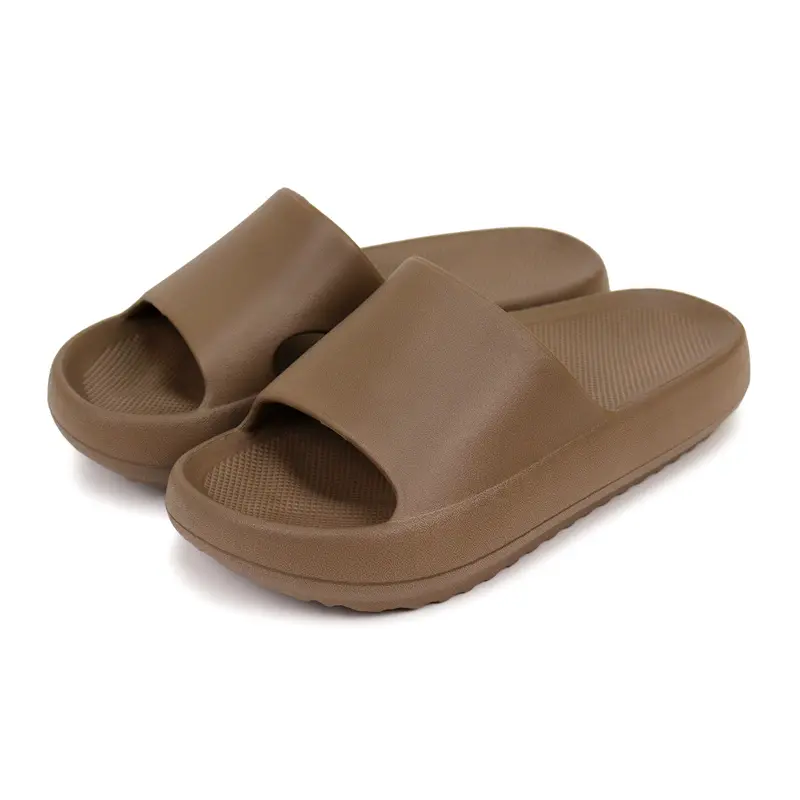
Placing bulk orders with Slippers Manufacturers seems simple enough on the surface. Pick a supplier, agree on price, and wait for delivery. But anyone who has gone through the process knows it rarely works out that cleanly. Things get missed. Expectations don’t align. And sometimes, what arrives looks nothing like what was promised.
The smart approach? Ask questions—lots of them—before any money changes hands. Not just the obvious ones either. The questions that dig into how a factory actually operates, what corners they might cut, and whether they can genuinely deliver what’s needed.
Understanding Production Capabilities
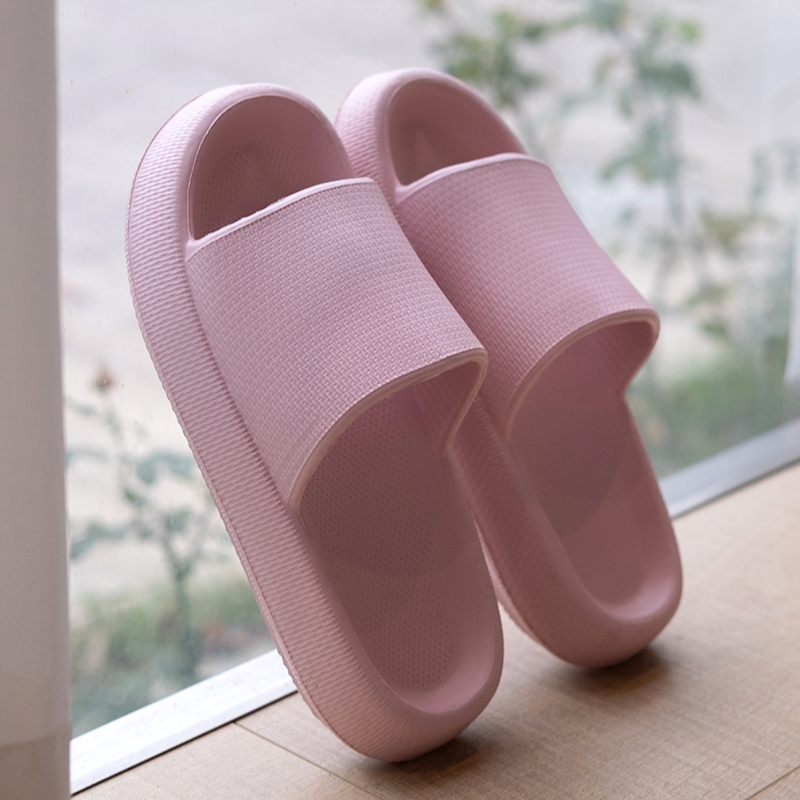
Before anything else, it makes sense to understand what a manufacturer can actually do. Not every factory handles every type of slipper. Some specialize in hotel amenity slippers (the disposable kind). Others focus on premium indoor footwear with memory foam and fancy stitching.
Questions worth asking:
What slipper styles do you produce regularly?
What’s your monthly production capacity?
Can you handle custom designs, or only existing templates?
Slippers Manufacturers with clear answers here tend to be more reliable. Vague responses—or worse, promises to make “anything you want”—often signal trouble down the road.
Minimum Order Quantities
MOQ matters a lot, especially for smaller businesses testing a new product line. Some factories won’t bother with orders under 5,000 pairs. Others are flexible down to 500 or even less, though unit costs go up accordingly.
It’s worth noting that MOQ often varies by style and material. A basic terry cloth slipper might have lower minimums than something with embroidered logos or specialized soles.
Material Quality and Sourcing
Materials determine everything—comfort, durability, appearance, even smell (cheap materials sometimes have that chemical odor that customers hate). Reliable Slippers Manufacturers should be transparent about where materials come from and what options exist.
Good questions include:
What materials are standard for your slippers?
Can you provide material samples before production?
Do you source materials locally or import them?
Are eco-friendly or sustainable options available?
The answers reveal a lot. Factories that know their supply chain inside and out inspire more confidence than those who seem fuzzy on details.
Pricing Structure and Hidden Costs
Price per pair is just the starting point. Experienced buyers know that the real cost includes plenty of extras that don’t always show up in initial quotes.
| Cost Category | What to Ask | Why It Matters |
|---|---|---|
| Unit price | Does price decrease at higher volumes? | Affects overall budget planning |
| Tooling/molds | Any upfront fees for custom designs? | Can add significant startup costs |
| Packaging | Is packaging included or extra? | Custom boxes cost more than poly bags |
| Samples | Are samples free or charged? | Some factories charge $50-100+ per sample |
| Shipping | FOB, CIF, or DDP pricing? | Determines who handles logistics risk |
| Payment terms | Deposit percentage and balance timing? | Cash flow implications |
Hidden costs have a way of appearing after agreements are made. Better to surface them early than face surprises later.
Quality Control Processes
This one separates professional Slippers Manufacturers from fly-by-night operations. Quality control isn’t glamorous, but it’s essential.
Things to clarify:
What QC checks happen during production?
Do you have AQL standards for defect rates?
Can third-party inspections be arranged?
What happens if a batch fails quality checks?
Factories with documented QC processes—actual checklists, inspection reports, testing procedures—tend to produce more consistent results. Those without? Well, it’s a gamble.
Sample and Prototyping Process
Never, ever skip samples. It sounds obvious, but the temptation to save time (or money) leads some buyers to place bulk orders based on photos alone. Bad idea.
A proper sample process looks something like this:
Request initial samples in target materials and sizes
Evaluate fit, finish, and overall quality
Provide feedback and request revisions if needed
Approve final production sample before bulk manufacturing
Keep approved sample as reference for delivery comparison
Samples cost money and take time. Worth it anyway. The alternative—receiving thousands of pairs that don’t match expectations—costs far more.
Lead Times and Production Schedules
Production timelines vary wildly depending on season, factory workload, and order complexity. Peak seasons (before major holidays especially) mean longer waits.
Ask specifically:
What’s the typical lead time for an order this size?
How does your production schedule look for the next few months?
What causes delays most often?
How do you communicate if delays occur?
Honest Slippers Manufacturers give realistic timelines, not just whatever sounds good. Overpromising on delivery dates is common in the industry—and frustrating when it happens.
Compliance and Certifications
Depending on the target market, various certifications and compliance standards may apply. European markets require different documentation than US markets, for instance.
Relevant certifications to ask about:
ISO quality management certification
REACH compliance (for EU markets)
CPSIA compliance (for US markets)
Oeko-Tex or other material safety standards
Factory audit reports (BSCI, SEDEX, etc.)
Not every order requires extensive documentation. But knowing what a factory can provide—and what they can’t—matters for planning purposes.
Communication and Support
Last but definitely not important, communication quality predicts so much about how smoothly things will go. Language barriers, time zone differences, response times—all of these affect the working relationship.
Consider:
Who will be the main point of contact?
What communication channels work best (email, WhatsApp, WeChat)?
What are typical response times?
Is there support available if problems arise after delivery?
Some Slippers Manufacturers assign dedicated account managers. Others route everything through generic sales teams. The difference in experience is noticeable.
Final Thoughts
Asking thorough questions upfront feels tedious sometimes. There’s always pressure to move fast, lock in pricing, get products to market. But the time invested in properly vetting Slippers Manufacturers pays off—in fewer headaches, better products, and partnerships that actually work long-term.
The best suppliers appreciate detailed questions anyway. It shows seriousness. And frankly, any manufacturer annoyed by reasonable due diligence probably isn’t the right partner to begin with.If you want to know more about slippers manufacturers, please read Top 8 Slippers Manufacturers in 2026:A Comprehensive Guide.