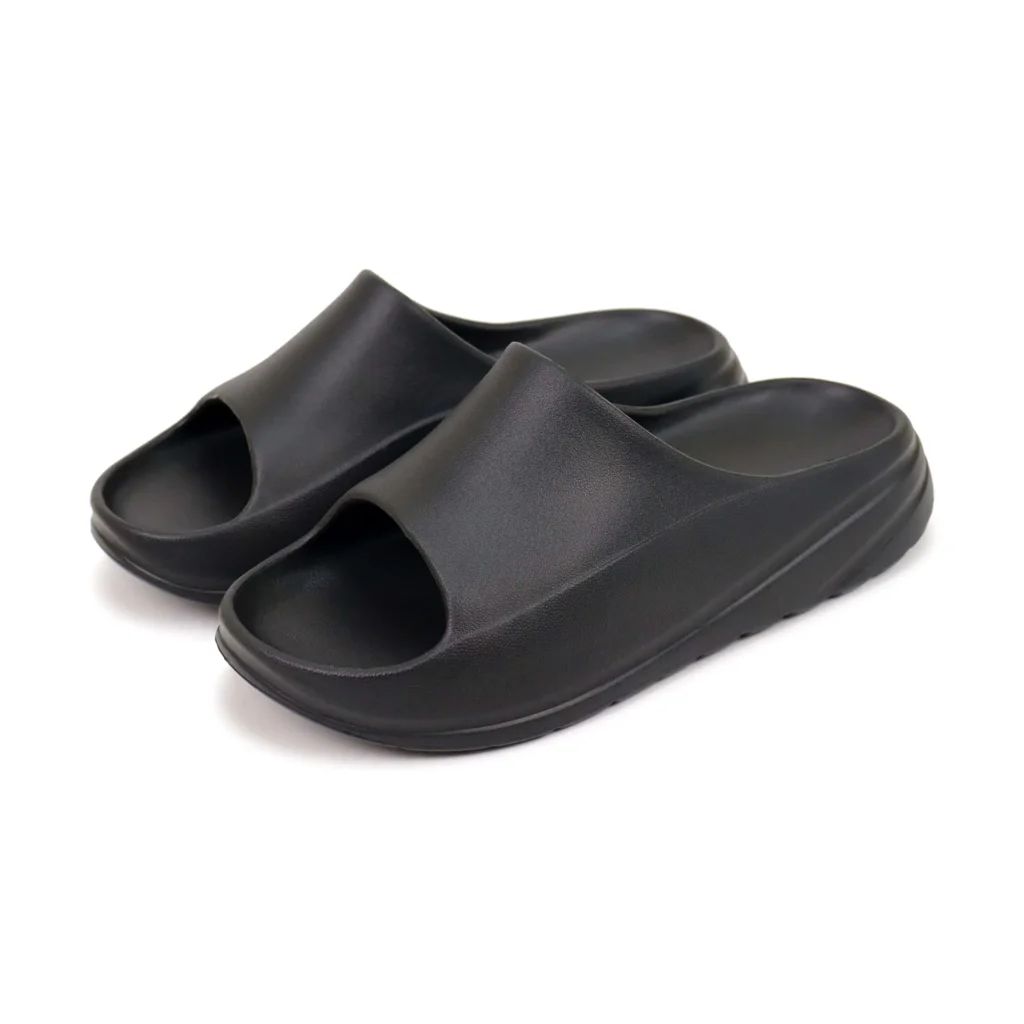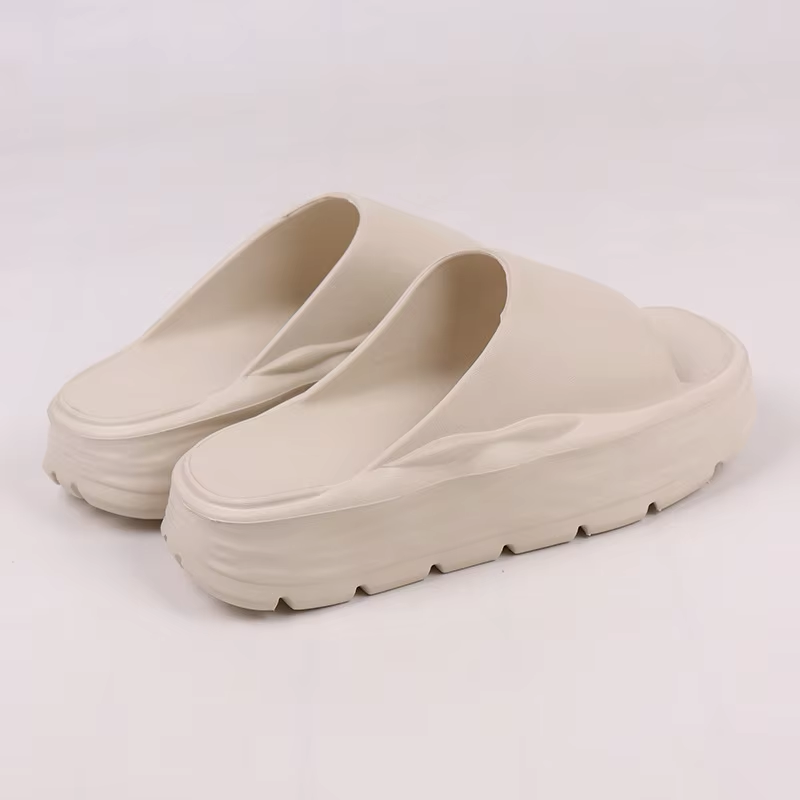
(Image: A side-by-side comparison of a flimsy, flat sandal next to a structured, supportive sandal with visible arch support and a secure heel strap.)
When summer arrives, it’s tempting to slip into the easiest, most minimal sandals you own. However, the wrong pair can lead to a season of aches, from heel pain to tired arches and unstable ankles.
So, what do foot experts actually recommend you wear? Podiatrists agree that not all sandals are created equal, and the right choice is crucial for maintaining foot health
The Podiatrist-Approved Sandal Checklist
According to podiatrists like Dr. Joy Rowland of the Cleveland Clinic and Dr. Sarah Haller, a foot and ankle surgeon, the ideal supportive sandal shares several key features with a good athletic shoe
| Feature | Why Podiatrists Recommend It | What to Avoid |
|---|---|---|
| Arch Support | Provides a foundation for your foot, preventing strain on the plantar fascia ligament and reducing fatigue. | Completely flat footbeds that offer no contour or lift. |
| A Secure, Stabilizing Heel | A firm heel counter (the back part of the sandal) holds your foot in place, preventing slippage and improving stability. | Flimsy backless styles or “slide” sandals where your heel hangs over the edge. |
| Adjustable Straps | Straps over the arch and around the ankle allow for a customized, secure fit that keeps your foot from sliding forward. | Single-strap flip-flops or styles with no adjustability. |
| A Rigid, Protective Sole | The sole should be sturdy enough that it cannot be easily twisted or bent in half. This protects your foot from terrain and provides a stable platform. | Thin, floppy soles that can fold or twist easily. |
| A Slight Heel | Contrary to popular belief, a completely flat shoe can be as problematic as a high heel. A small, stacked heel (less than 1 inch) is optimal for reducing strain on the Achilles tendon. | Ultra-high heels or completely zero-drop flat soles. |
The Flip-Flop Fallacy and Other Styles to Rethink
While convenient, the classic thin-soled flip-flop is often at the top of podiatrists’ “avoid” lists. Dr. Rowland warns that their lack of support and secure fit can lead to trips, falls, ankle sprains, and toe injuries. Similarly, while stylish, very flat sandals (like ballet flats) often fail to support the arch, leading to overpronation and discomfort.
This doesn’t mean you must sacrifice style for comfort. Podiatrists note that styles like a supportive Mary Jane or a strappy sandal with a thick sole can be both fashionable and functional.
Your Action Plan: How to Shop for Supportive Sandals
The “Twist and Bend” Test: Before trying a sandal on, hold it and try to twist it from side to side and bend the toe toward the heel. If it twists or folds easily, it lacks the necessary stability.
Check for Arch Contour: Look and feel for a raised area under the arch of your foot. It should be noticeable but not uncomfortably high.
Prioritize Adjustability: Choose sandals with multiple points of adjustment, especially across the midfoot and ankle, to ensure a locked-in fit.
Fit in the Afternoon: Feet naturally swell throughout the day. Shopping in the afternoon ensures you get a size that accommodates this, preventing a tight fit later on.
Beyond the Basics: When Your Feet Need Extra Care
For individuals with specific conditions like plantar fasciitis, bunions, or flat feet, the general rules become even more critical. Podiatrists emphasize the need for a roomy toe box to prevent crowding and pressure. In some cases, the best solution is a sandal with a removable insole, allowing you to insert a custom orthotic for personalized, medical-grade support.
Ready to give your feet the expert-recommended support they deserve in a sandal? Explore our curated collection of summer footwear, where every style is designed with podiatric principles in mind—combining essential arch support, secure fits, and enduring comfort without compromising on style.