Introduction: What Podiatrists Really Say About Flip Flops
The simple question of whether podiatrists recommend flip flops is a crucial one for businesses operating in the footwear industry. For B2B buyers, from wholesale distribution to retail management, the answer directly impacts product strategy, inventory planning, and market positioning. While the classic, thin-soled flip flop is a staple of casual footwear and represents a significant market segment, understanding the professional medical perspective is key to making informed sourcing decisions. This article explores the podiatrist’s viewpoint and how it unveils substantial opportunities for forward-thinking businesses to cater to the evolving demands of health-conscious consumers.
The Podiatrist’s Verdict on Flip Flops
Understanding the Professional Concern
Podiatrists, as specialists in foot and ankle health, generally advise against the prolonged use of traditional flip flops. The primary reason lies in the fundamental lack of structural support these shoes provide. From a clinical perspective, the flat, flexible design offers minimal arch support, leading to potential strain on the plantar fascia—the ligament connecting the heel to the front of the foot. Furthermore, the wearer must actively grip with their toes to keep the shoe secured during ambulation. This subtle, constant gripping alters the natural gait cycle and can lead to biomechanical stress not only in the feet but also in the ankles, knees, and even the lower back. For B2B buyers, this professional stance is not a dismissal of an entire category but a critical insight into a specific product’s limitations and the consumer needs it fails to meet.
Why This Matters for the Footwear Industry
The podiatrist’s perspective on flip flops is more than just medical advice; it is a powerful indicator of shifting consumer trends. Today’s consumers are increasingly proactive about wellness and are seeking products that align with a health-conscious lifestyle. This growing awareness directly influences purchasing behavior. For retail buyers and wholesale distributors, ignoring this trend means potentially missing out on a growing market segment. Conversely, recognizing this shift allows your business to lead rather than follow. By aligning your product line with podiatrist recommendations for foot health, you position your brand as a knowledgeable and trustworthy source, building stronger relationships with retailers and end consumers who value well-being. This strategic alignment is essential for long-term growth and brand equity.
The Business Case for Podiatrist-Friendly Footwear
Identifying a Gap in the Market
The clear concerns raised by foot health professionals reveal a significant and profitable gap in the casual footwear market. The demand for flip flops remains undeniable; however, a parallel demand is emerging for styles that offer the convenience and aesthetic of a sandal with the supportive features podiatrists endorse. This creates a compelling business opportunity for B2B buyers to diversify their product portfolios. By sourcing and offering supportive alternatives, you can capture a premium market segment that is currently underserved. This strategy moves beyond competing on price for basic flip flops and allows you to compete on value, quality, and health benefits—a much stronger and more sustainable value proposition in today’s competitive landscape.
Key Features to Look for in Sourcing
When developing or sourcing a new line of casual sandals and flip flops informed by orthopedic advice, certain design features become paramount. B2B buyers should prioritize partners whose product development focuses on these key elements:
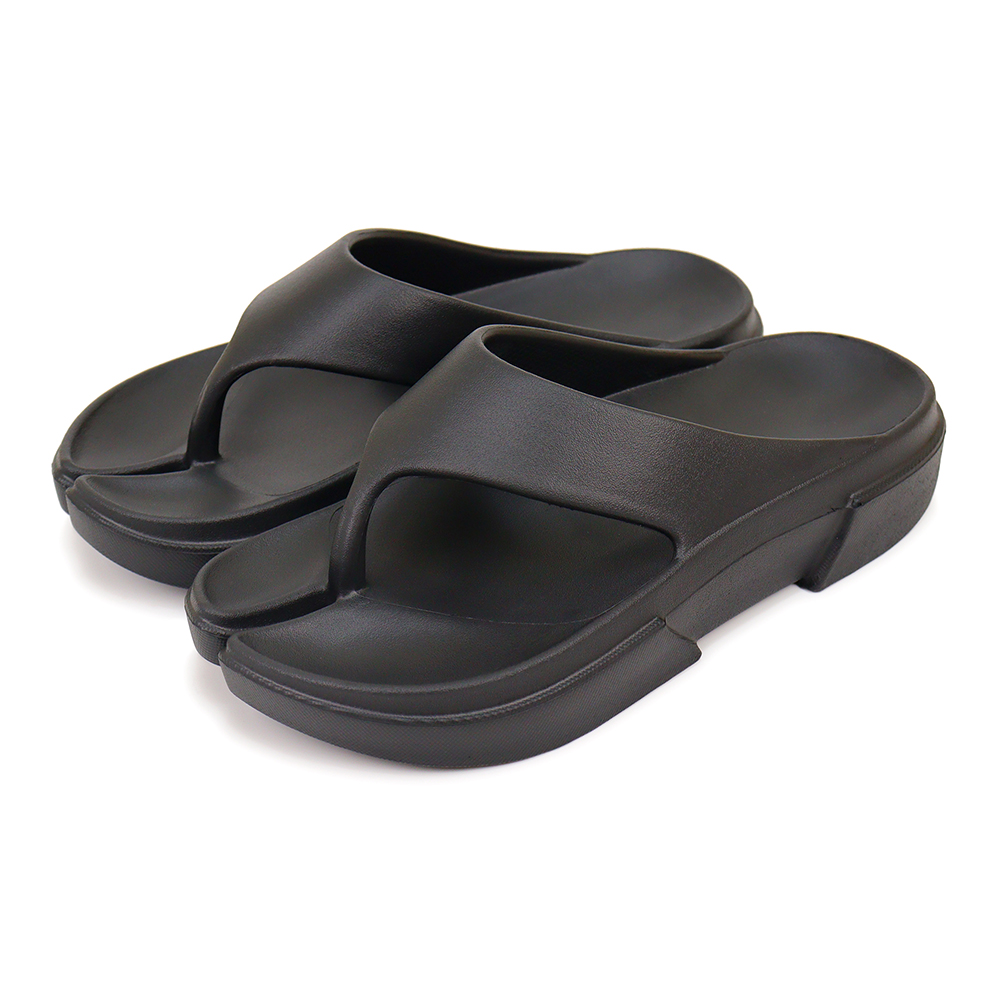
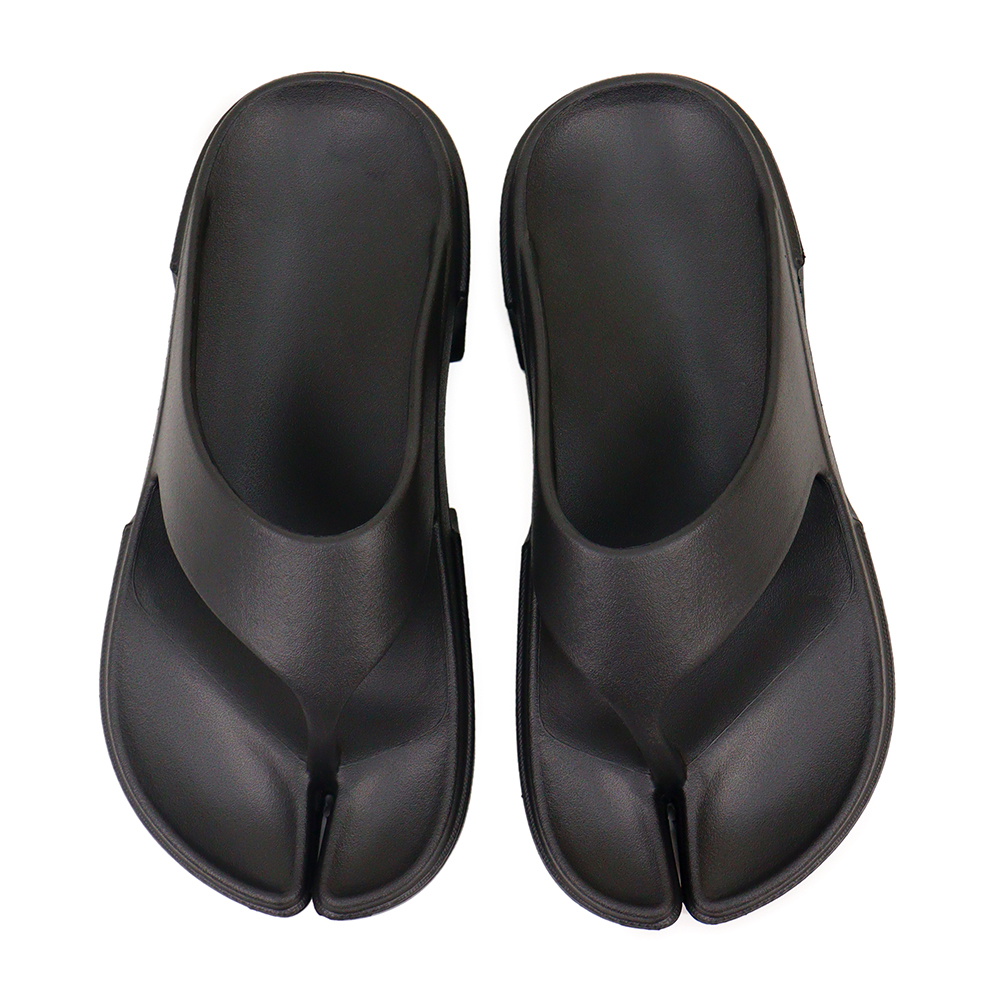
Adequate Arch Support: Look for designs that incorporate built-in contouring to support the foot’s natural arch, a primary feature missing in conventional flip flops.
Adjustable and Secure Straps: Shoes with adjustable straps across the instep or around the ankle provide a secure fit, eliminating the need for toe-gripping and promoting a more stable and natural stride.
A Cushioned yet Firm Sole: The ideal sole offers cushioning for comfort but possesses sufficient firmness and structural integrity to resist excessive twisting or bending, providing stability and shock absorption.
Ergonomic Design: The overall footwear selection should include models designed with the foot’s natural shape and biomechanics in mind, often featuring a contoured footbed and a slightly raised heel cup for better heel stabilization.
Strategic Sourcing for Modern Footwear Needs
Balancing Style with Substance
A common misconception is that footwear adhering to podiatrist recommendations must be clinical in appearance. The modern footwear industry successfully debunks this myth. For B2B buyers, the strategic imperative is to partner with suppliers and manufacturers who excel at fusing contemporary style with substantive design. The market for supportive sandals is no longer niche; it encompasses a wide range of consumers looking for attractive, versatile footwear that does not compromise on comfort or foot health. Your product development strategy should, therefore, emphasize a diverse range of designs, from sporty to sophisticated, ensuring that style and substance are not mutually exclusive but are the defining characteristic of your product line. This is especially relevant when curating collections for specific demographics, such as offering a range of stylish and supportive Women flip flops that cater to both aesthetic and wellness trends.
The Role of Flip Flops in a Diverse Product Portfolio
It is important to frame this discussion correctly. The goal is not to eliminate flip flops from your inventory but to strategically contextualize their place within a broader, smarter product portfolio. Traditional flip flops still have a role for specific, limited-use scenarios such as beachwear, poolside use, or brief indoor wear. The strategic move for a B2B buyer is to offer a spectrum of choices. This means providing basic options while also prominently featuring the more supportive, podiatrist-friendly alternatives. By educating your retail clients on the appropriate use-cases for different types of casual footwear, you add immense value and empower them to meet a wider array of consumer needs, ultimately driving larger orders and fostering loyalty. For example, the market for rugged and supportive Men flip flops designed for casual outdoor use presents a significant opportunity for portfolio expansion.
Conclusion: Stepping Towards a Smarter Product Strategy
In conclusion, while the traditional flip flop receives cautious advice from podiatrists, this professional perspective illuminates a clear path forward for astute B2B buyers in the footwear industry. The demand for casual, warm-weather footwear is constant, but the expectation for that footwear to support overall wellness is the new paradigm. By strategically sourcing and offering a diverse range of supportive sandals and ergonomically designed flip flops, your business can capitalize on this growing market segment. This approach transforms a potential challenge into a significant business opportunity, allowing you to build a more resilient, relevant, and profitable product portfolio that meets the sophisticated demands of the modern consumer.