Placing an order with the wrong supplier is one of those mistakes that keeps business owners awake at night. The samples looked perfect. The price seemed fair. And then the bulk shipment arrives—sizes are off, the colors don’t match, and half the shoes have visible defects. Suddenly, you’re stuck with inventory that’s unsellable. Returns pile up. Customers complain online.
Choosing a Clogs Factory isn’t just a procurement decision. It’s a bet on whether your business will thrive or spend the next six months dealing with damage control. The footwear industry, especially in the EVA and rubber clog segment, is saturated with suppliers who promise everything and deliver disappointment.
So what separates a dependable factory from a disaster waiting to happen? Here are five factors that deserve serious attention.
Factor 1: Actual Production Capacity
There’s what a factory says they can produce, and then there’s reality.
Many suppliers will accept orders far beyond their capacity just to win the contract. They figure they’ll sort out the logistics later—maybe by outsourcing to another facility, or by rushing production and cutting corners. Neither outcome is good for the buyer.
When evaluating a Clogs Factory, dig into the specifics:
Number of injection molding machines: Each machine can only produce so many pairs per day.
Shift schedule: A factory running three shifts can output more than one running a single daytime shift.
Current order load: If they’re already swamped with orders, your timeline will slip.
The “Walk the Floor” Test
If possible, visit during peak hours. Or request a video call showing the production floor live, not a pre-recorded clip from last year. Watch how many machines are actually running. Check if workers seem rushed or organized. A calm, systematic production floor is a good sign. Chaos usually means problems downstream.
Factor 2: Quality Control Infrastructure
Quality isn’t just about the final product. It’s about the systems in place to catch problems before they become your problem.
A proper Clogs Factory has quality control built into multiple stages:
Incoming material inspection: Testing raw EVA pellets for consistency before they enter production.
In-line checks: Inspectors stationed at the molding machines, catching defects in real time.
Final inspection: A dedicated QC team reviewing finished goods before packaging.
Some factories only check at the end. By then, thousands of defective pairs might already be boxed. The rework costs eat into margins, or worse, the factory ships them anyway hoping you won’t notice.
The Rework Pile
Here’s a small trick: look for the rework area. Every factory has one—a corner where rejected or flawed products wait to be fixed or scrapped. If that pile is enormous, it tells you the defect rate is high. A small, well-organized rework station suggests tight process control.
Factor 3: Design and Sampling Capability
Can the Clogs Factory develop new designs, or do they only copy existing molds?
This matters enormously if you’re building a brand. Buyers looking to create custom clogs need a partner who can take a concept—a sketch, a reference photo, an idea—and turn it into a working prototype. Factories with in-house design teams and CAD engineers can do this. Factories that only manufacture need you to provide everything, which slows down development and limits creativity.
Here’s a general benchmark for sample timelines:
| Sample Type | Expected Timeframe | Notes |
|---|---|---|
| Existing Mold Sample | 3–5 days | Using an existing design; just color/material change |
| Modified Design Sample | 10–15 days | Adjustments to sole pattern, strap, or fit |
| New Mold Development | 25–40 days | Brand new design requiring CNC mold cutting |
If a factory promises a brand-new mold sample in one week, they’re either lying or reusing someone else’s mold—which could mean intellectual property problems later.
Factor 4: Certifications and Compliance
For some buyers, this is non-negotiable. Large retailers like Walmart, Target, or European chains require suppliers to hold specific certifications. Without them, you cannot even get your foot in the door.
Common certifications to look for in a Clogs Factory include:
ISO 9001: General quality management standards.
BSCI / Sedex: Social compliance audits (worker safety, fair wages, no child labor).
REACH Compliance: Chemical safety standards required for selling in the EU.
FDA Registration: If the clogs are marketed for medical or food-service use.
Why This Matters Even for Smaller Brands
Even if you’re not selling to big-box retailers yet, working with a certified factory protects you. It means the facility has been audited by a third party. There’s accountability. If something goes wrong—a chemical contamination issue, a labor scandal—you have documentation showing you did due diligence.
Factories without any certifications aren’t necessarily bad, but they carry more risk. And risk, in supply chains, eventually becomes cost.
Factor 5: Pricing Transparency
The cheapest quote is almost never the best deal.
When comparing prices from different suppliers, make sure you’re comparing the same thing. Some factories quote only the FOB price (the cost of goods loaded onto a ship). Others include packaging. Some charge mold fees separately; others bundle them into the unit price.
A trustworthy Clogs Factory breaks down costs clearly:
Unit price per pair
Mold/tooling fees (if applicable)
Packaging specifications and cost
Payment terms (deposit percentage, balance timing)
Hidden fees have a way of appearing right before shipment. “Oh, the inner boxes are extra.” “The color matching fee wasn’t included.” These surprises erode trust and margins.
The “Too Cheap” Warning
If one factory quotes 30% below everyone else, ask why. Maybe they use inferior materials. Maybe they underpay workers (which creates compliance risk). Maybe they’ll hit you with surcharges later. Extreme low pricing is rarely sustainable, and the factory might cut corners to make it work—corners that show up as defects in your warehouse.
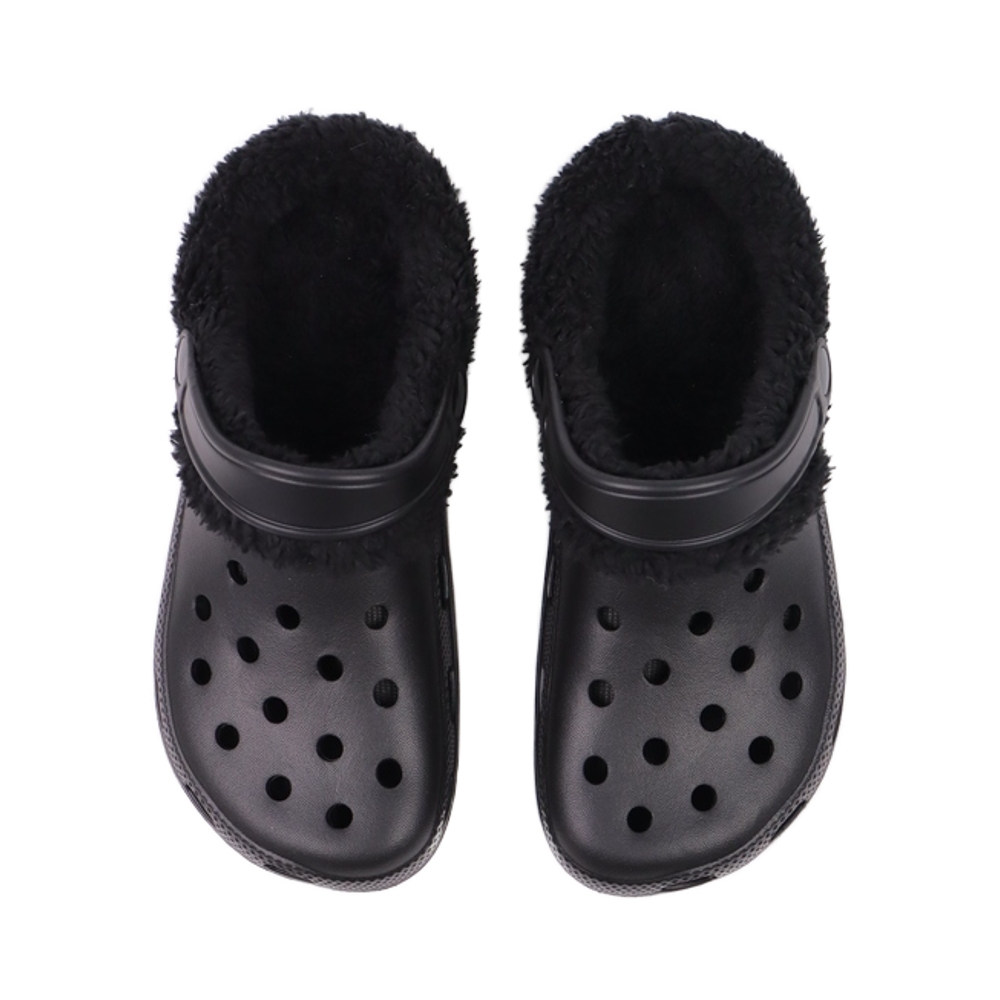
Building a Partnership, Not Just Placing Orders
Selecting a Clogs Factory is ultimately about finding a partner, not just a vendor. Orders go wrong sometimes. Shipping gets delayed. Materials run short. What matters is how the factory responds when problems arise. Do they communicate proactively? Do they offer solutions? Or do they go silent and hope you don’t notice?
The best supplier relationships are built on honesty—on both sides. Share your real volumes. Be clear about your quality expectations. And choose a factory that tells you the truth, even when it’s inconvenient.
That kind of partnership takes time to develop. But once you find it, your supply chain becomes a competitive advantage rather than a constant headache. And in the footwear business, that makes all the difference. If you want to know more about Clogs Factory, please read Choosing the Right Clogs Factory for Your Wholesale Business.