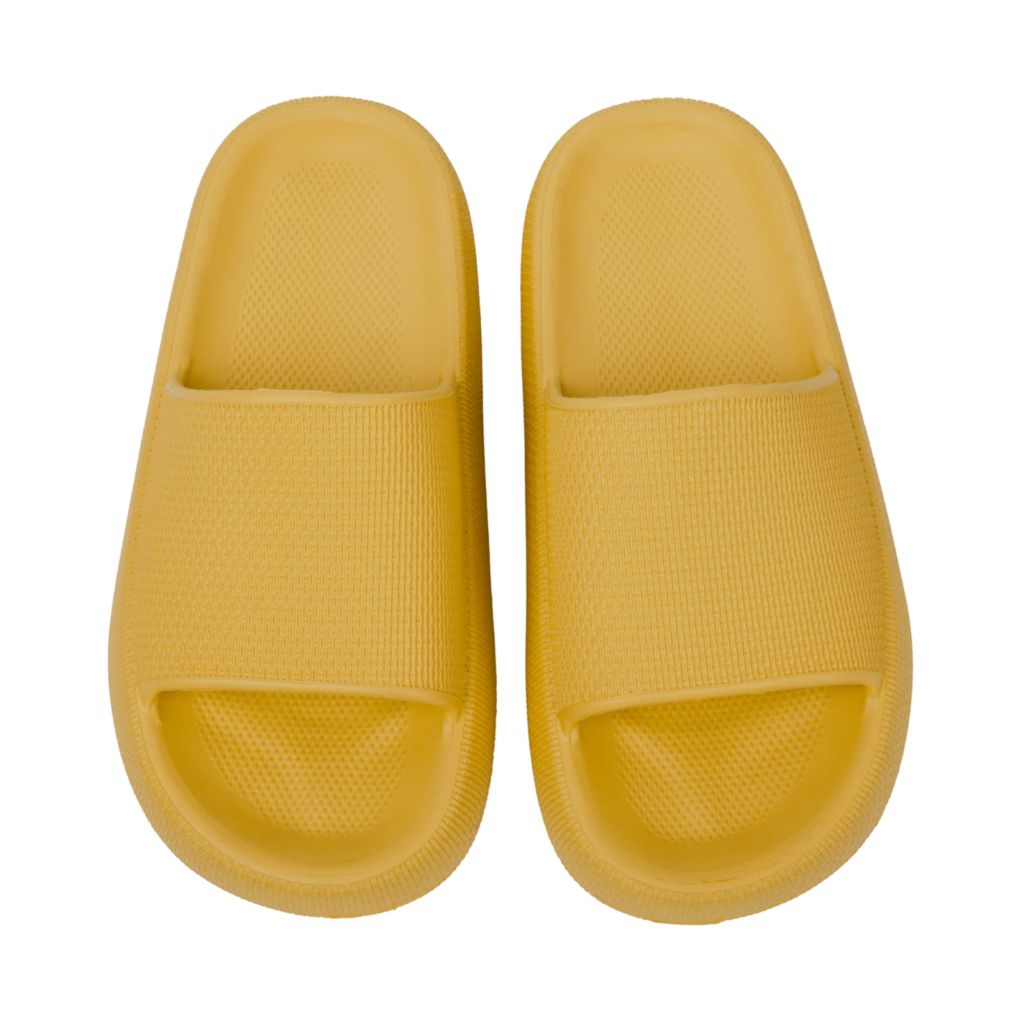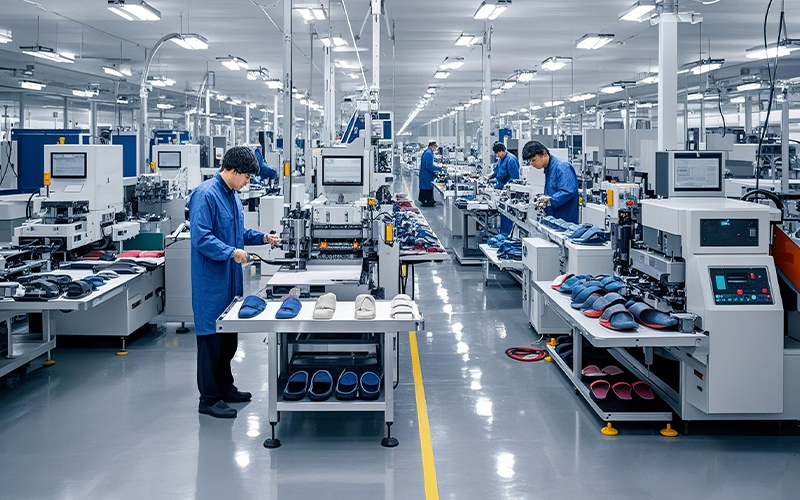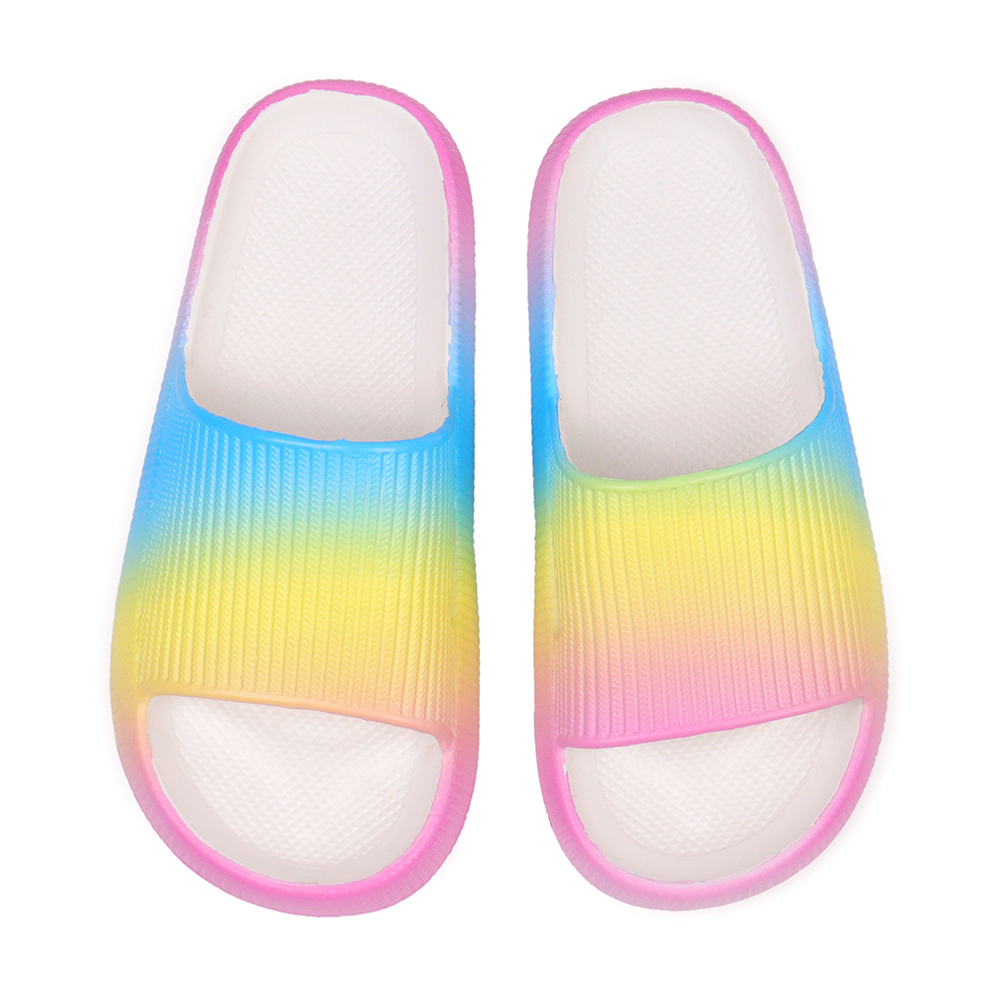
Buying slippers in bulk sounds straightforward enough, right? Well, not exactly. The wholesale slippers market is surprisingly complex, with countless options that can make even experienced buyers scratch their heads. Whether stocking a retail store, supplying a hotel chain, or launching an e-commerce brand, making the wrong choice can lead to returns, complaints, and shrinking profit margins.
This guide breaks down everything worth considering before placing that first (or next) wholesale order.
Understanding the Wholesale Slippers Market
The demand for comfortable indoor footwear has grown substantially—particularly after recent years when people spent more time at home. This shift created opportunities for businesses to tap into a market that shows no signs of slowing down.
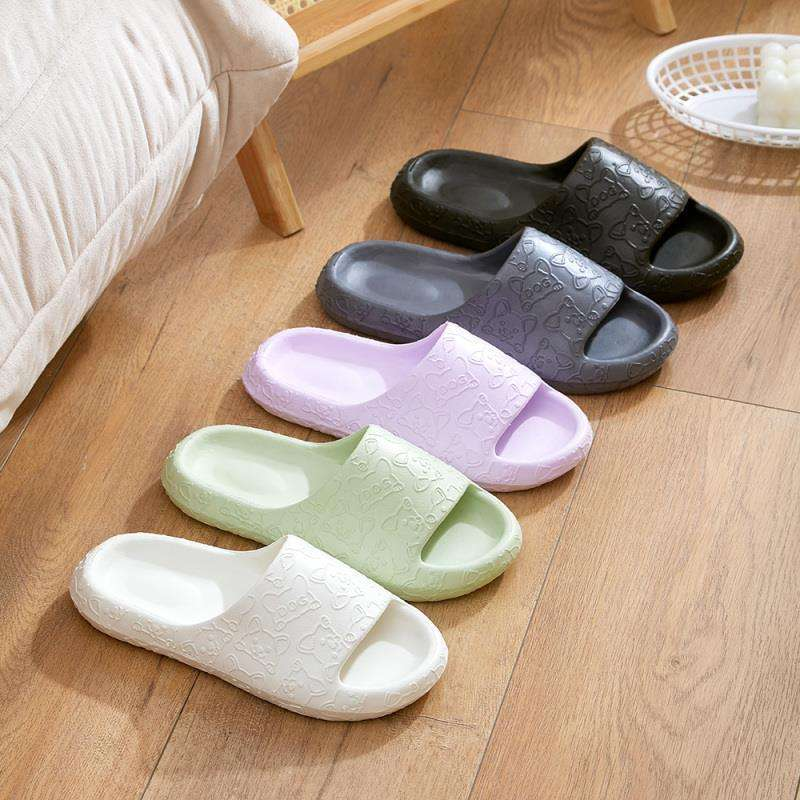
Wholesale slippers come in an almost overwhelming variety. From basic foam slides meant for spas to premium memory foam options for retail, the range is vast. Understanding where a product fits within this spectrum matters more than many realize.
Types of Slippers Available in Bulk
Different end-users require different slipper styles. Here’s a breakdown of common categories:
Open-toe slides – Popular for hotels, spas, and hospitality
Closed-toe house slippers – Better for retail and colder climates
Memory foam slippers – Higher price point but greater perceived value
Disposable slippers – Ideal for one-time use in medical or salon settings
Outdoor-indoor hybrids – Rubber soles that work both inside and outside
Each type serves a distinct purpose, and mixing them up—say, ordering disposable slippers for a retail boutique—can create problems down the line.
Key Factors When Selecting Wholesale Slippers
Not all wholesale slippers are created equal. Some factors deserve more attention than others, depending on the intended use case.
Material Quality and Durability
Materials probably deserve the most scrutiny. Cheap synthetic fabrics might save money upfront but often fall apart after minimal use. Common materials include:
Cotton terry cloth – breathable, washable, mid-range durability
Fleece or plush fabric – soft feel, popular for retail
EVA foam – lightweight, water-resistant, common in hospitality
Genuine or faux leather – premium look, higher cost
Velour – luxurious appearance, often used in upscale hotels
The material also affects comfort, and comfort directly impacts customer satisfaction. It’s one of those things that seems obvious but gets overlooked when price becomes the primary focus.
Sizing and Fit Considerations
Sizing can get tricky with wholesale slippers. Many suppliers offer “universal” sizes, which work reasonably well for guest amenities but less so for retail purposes. For retail operations, having a proper size range—small, medium, large, extra-large at minimum—tends to reduce returns.
Some suppliers offer gender-specific sizing, while others stick to unisex options. Neither approach is inherently better; it depends entirely on the target market.
Quick Sizing Reference Table
| Size Category | Approximate US Men’s | Approximate US Women’s | Best Use Case |
|---|---|---|---|
| Small | 5-6 | 6-7 | Retail, targeted inventory |
| Medium | 7-8 | 8-9 | Universal hospitality use |
| Large | 9-10 | 10-11 | General retail |
| X-Large | 11-13 | N/A | Specialty or inclusive sizing |
| One-Size | 7-10 | 7-10 | Hotels, spas, disposable |
Price vs. Value Assessment
The cheapest wholesale slippers aren’t always the best deal—this seems counterintuitive but holds true more often than not. Calculating cost-per-use or considering potential return rates gives a clearer picture of actual value.
A slightly more expensive slipper that lasts twice as long or generates fewer complaints might actually cost less in the long run. That said, for single-use applications like hospital stays, the cheapest functional option makes perfect sense.
Finding Reliable Wholesale Suppliers
The supplier relationship matters almost as much as the product itself. Working with unreliable vendors leads to inconsistent quality, shipping delays, and general headaches。
What to Look For in a Supplier
Several indicators suggest a trustworthy wholesale slippers supplier:
Consistent product samples that match bulk orders
Clear minimum order quantities (MOQs)
Responsive communication, especially regarding customization
Transparent shipping timelines and costs
Return or defect policies that actually protect buyers
Reading reviews from other businesses helps, though taking extremely positive reviews with some skepticism is probably wise. Real experiences tend to fall somewhere in the middle.
Domestic vs. Overseas Suppliers
Both options have merits. Domestic suppliers typically offer faster shipping and easier communication but at higher prices. Overseas manufacturers—particularly from manufacturing hubs—provide cost savings but require longer lead times and potentially more quality control on the buyer’s end.
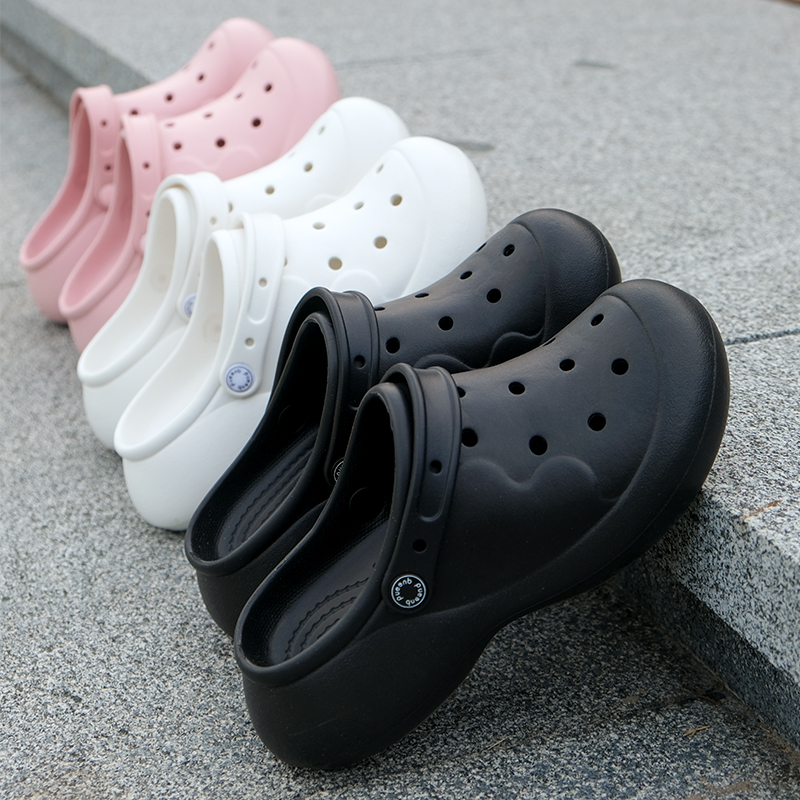
Customization Possibilities
Many businesses overlook customization when ordering wholesale slippers, but adding a logo, choosing specific colors, or requesting unique packaging can differentiate a product significantly. Hotels, in particular, benefit from branded slippers that reinforce their identity.
Customization usually requires higher MOQs and longer production times, so planning ahead becomes essential.
Final Thoughts
Choosing the right wholesale slippers involves balancing multiple factors—quality, price, supplier reliability, and intended use. There’s no single “best” option that works for every business. What works beautifully for a luxury spa might be completely wrong for a hospital supply company.
Taking time to order samples, compare suppliers, and understand the target customer’s expectations pays off. The wholesale slippers market offers plenty of opportunities for those willing to do the homework.If you want to know more about wholesale slippers, please read Custom Slippers Wholesale: A Complete Guide