Purchasing footwear in bulk sounds straightforward enough. Find a supplier, place an order, wait for delivery. Simple, right? Well, not exactly. The wholesale clogs market is filled with potential pitfalls that catch even experienced buyers off guard. And the consequences? Unsold inventory, unhappy customers, damaged business relationships.
The thing is, most mistakes are entirely avoidable. They stem from rushing decisions, skipping due diligence, or simply not knowing what to look for. Understanding these common errors before they happen saves money, time, and a whole lot of frustration.
Mistake #1: Prioritizing Price Over Everything Else
This one shows up constantly. A supplier offers wholesale clogs at prices significantly below competitors, and suddenly nothing else seems to matter. The temptation is real—lower costs mean higher margins, at least theoretically.
But here’s what often happens. Those unbelievably cheap clogs arrive with quality issues. Soles detach within weeks. Colors fade after minimal exposure. Sizing runs wildly inconsistent. The initial savings evaporate through returns, refunds, and reputation damage.
The True Cost Calculation
Smart buyers look beyond unit price. Consider these factors:
| Cost Factor | Low-Price Option | Quality Option |
|---|---|---|
| Unit Price | $5.00 | $8.50 |
| Expected Return Rate | 15-20% | 2-5% |
| Customer Complaints | High | Low |
| Repeat Purchase Rate | Low | High |
| Brand Reputation Impact | Negative | Positive |
That $3.50 difference per unit looks different when factoring in returns, customer service time, and lost future sales. Sometimes cheap is just cheap—nothing more.
Mistake #2: Ignoring Supplier Verification
The internet makes finding wholesale clogs suppliers incredibly easy. Maybe too easy, actually. Anyone can create a professional-looking website and claim years of industry experience. Verifying these claims? That takes effort many buyers skip.
Unverified suppliers present multiple risks:
Inconsistent product quality between orders
Delayed shipments without communication
Complete disappearance after payment (it happens more than people admit)
Counterfeit or misrepresented products
No recourse when problems arise
Basic Verification Steps
Before committing to any significant order, certain checks should become standard practice:
Request business registration documents
Search for reviews on independent platforms
Ask for references from current clients
Start with smaller test orders
Verify physical address through mapping services
Check how long their domain has been registered
These steps take time. But discovering a supplier is unreliable after placing a large order takes considerably more time—and money—to resolve.
Mistake #3: Overlooking Sample Requests
Ordering samples before bulk purchases seems obvious. Yet surprisingly many buyers skip this step, especially when dealing with suppliers offering attractive bulk discounts that require immediate commitment. Pressure tactics, basically.
Samples reveal what photos and descriptions cannot. The actual feel of materials. How colors appear in natural light. Whether construction quality matches claims. Small details that matter enormously when multiplied across hundreds or thousands of units.
Reputable wholesale clogs suppliers expect sample requests. They understand buyers need physical verification. Suppliers discouraging or refusing samples? That’s concerning behavior worth noting.
Mistake #4: Neglecting Size Distribution Planning
Ordering equal quantities across all sizes seems logical but rarely reflects actual demand. Size distribution varies by target market, geographic region, and intended use. Getting this wrong means excess inventory in some sizes while popular sizes sell out quickly.
Typical Size Distribution Patterns
A general guideline for wholesale clogs orders might follow this pattern:
Small sizes (5-6): 10-15% of order
Medium sizes (7-8): 35-40% of order
Large sizes (9-10): 30-35% of order
Extra-large sizes (11+): 10-15% of order
These percentages shift based on whether targeting women clogs or custom clogs for men collections, as sizing demand differs significantly between categories. Men’s sizing typically skews larger, requiring adjusted inventory planning. Regional preferences also influence distribution—something worth researching for specific markets.
Mistake #5: Forgetting Seasonal and Functional Needs
Not all clogs serve the same purpose. Ordering generic styles without considering end-user requirements leads to mismatched inventory. Healthcare workers need different features than garden enthusiasts. Restaurant staff have different priorities than spa employees.
Seasonal timing matters too. Ordering waterproof & warm customizable clogs makes perfect sense for autumn shipments targeting colder regions. The same order in spring might sit unsold for months. Timing and functionality go hand in hand.
Functional Requirements by Industry
| Industry | Key Requirements | Common Oversights |
|---|---|---|
| Healthcare | Slip-resistant, easy to clean | Arch support needs |
| Restaurant | Oil-resistant, enclosed toe | Ventilation requirements |
| Spa/Wellness | Comfortable, aesthetic appeal | Water exposure durability |
| Gardening | Waterproof, durable | Traction on wet surfaces |
Matching product specifications to actual use cases prevents costly mismatches.
Mistake #6: Skipping Contract Details
Verbal agreements and vague email confirmations create problems later. When issues arise—and they do arise—clear documentation determines resolution outcomes. Without proper contracts, buyers have limited recourse.
Essential contract elements for wholesale clogs purchases include:
Exact product specifications (materials, dimensions, colors)
Quality standards and acceptable defect rates
Delivery timelines with penalty clauses
Payment terms and conditions
Return and refund policies
Dispute resolution procedures
Getting these details in writing protects both parties. Legitimate suppliers appreciate clear expectations as much as buyers do.
Mistake #7: Failing to Inspect Deliveries Promptly
Orders arrive. Boxes get stored. Inspection happens… eventually. This delayed approach causes significant problems because most supplier agreements include inspection windows. Missing these windows means losing the right to claim defects or shortages.
Proper inspection upon delivery should verify:
Correct quantity received
Sizes match order specifications
Color consistency across units
No visible defects or damage
Materials match samples or descriptions
Document everything with photos and detailed notes. This evidence proves invaluable if disputes arise later.
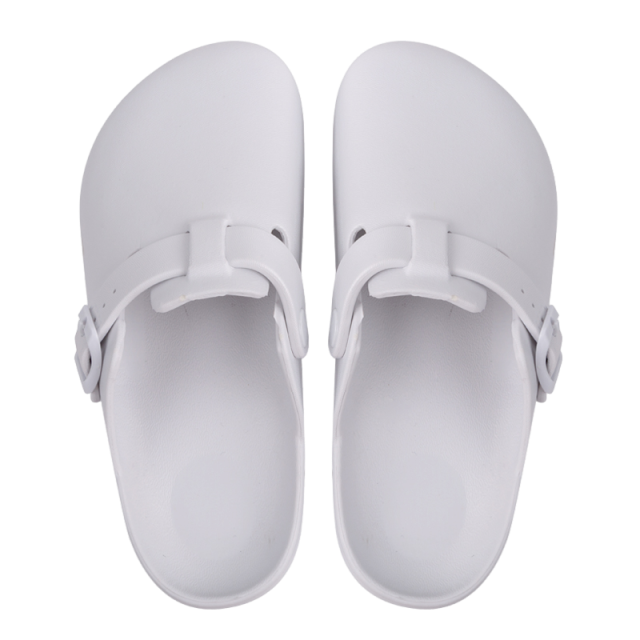
Learning From Others’ Experiences
The wholesale clogs industry has enough cautionary tales to fill books. Buyers who rushed decisions, trusted without verification, or ignored warning signs—their experiences offer valuable lessons. Most successful bulk purchasers developed their expertise through observation, research, and yes, occasional mistakes of their own.
The goal isn’t perfection from day one. That’s unrealistic. Rather, it’s avoiding the most damaging errors while building knowledge over time. Each order teaches something. Each supplier relationship reveals new considerations.
Moving Forward With Confidence
Avoiding these common mistakes doesn’t guarantee perfect outcomes every time. Markets shift, suppliers change, unexpected issues emerge. But reducing preventable errors dramatically improves overall success rates and profitability.
Wholesale clogs purchasing becomes less stressful with experience. Knowing what pitfalls exist—and how to sidestep them—transforms bulk buying from a gamble into a calculated business decision. That knowledge, honestly, might be worth more than any single order savings.
Take time with decisions. Verify before trusting. And remember that the cheapest option rarely delivers the best value. These principles apply whether ordering fifty units or five thousand. If you want to know more about wholesale clogs, please read How to Choose Quality Wholesale Clogs for Bulk Orders.