It used to be that rubber clogs were the punchline of a fashion joke. They were bulky, arguably ugly, and something people only wore to run to the mailbox. But looking around today, the narrative has completely flipped. The sheer utility of these shoes has overtaken the aesthetic complaints, creating a massive, humming market for Wholesale Clogs across sectors that no one really expected ten years ago.
It isn’t just about individual buyers picking up a pair for the backyard anymore. Entire industries have realized that this specific type of footwear—lightweight, waterproof, and virtually indestructible—solves logistical headaches regarding employee safety and comfort. When one looks at where bulk orders are going, it paints a picture of modern work environments that prioritize function over form.
The Healthcare Sector: Comfort on the Frontlines
If you walk into any hospital, emergency room, or dental clinic, look down. You are almost guaranteed to see a sea of clogs. The medical field is perhaps the single largest consumer of Wholesale Clogs, and the reasons are painfully practical.
Surviving the 12-Hour Shift
Nurses and surgeons spend an agonizing amount of time on their feet. We are talking about 12 to 14-hour shifts where sitting down is a luxury that rarely happens. In this environment, a standard sneaker often fails. It gets heavy, the arch support collapses, or the laces come untied at the worst possible moment.
Medical professionals gravitate toward clogs because of the roomy toe box. Feet naturally swell after standing for six hours; a rigid shoe becomes a torture device, whereas a clog allows for that expansion. Hospitals purchasing Wholesale Clogs for their staff often look for specific features:
Closed heels: For stability during emergencies.
Ventilation-free zones: To prevent fluids from entering the shoe.
Arch support: To minimize back pain.
The Hygiene Factor
Then there is the messy reality of healthcare. Blood, chemicals, and other fluids are just part of the job. A canvas shoe absorbs these things, which is a sanitation nightmare. A rubber or EVA (Ethylene Vinyl Acetate) clog acts as a shield. At the end of a shift, they can be wiped down with heavy-duty disinfectant or even run through an autoclave in some cases. It is simpler, cleaner, and safer.
Culinary and Hospitality: Surviving the Dinner Rush
The back-of-house environment in a restaurant is chaotic. It is hot, loud, and the floor is constantly covered in a treacherous mix of water, grease, and dropped food. In this world, the demand for Wholesale Clogs is driven almost entirely by safety regulations and the need to keep staff upright.
Kitchen staff cannot wear normal shoes. One slip near a deep fryer or a knife station can be catastrophic. The hospitality industry relies on “bistro” style clogs that feature specialized non-slip treads. These aren’t the soft, foamy soles you wear to the beach; they are grippy, aggressive rubber designed to channel liquid away from the foot.
It is interesting to observe how restaurants manage this. Some require staff to buy their own, but many larger chains or hotel groups order Wholesale Clogs to ensure uniformity and compliance. If the employer provides the shoe, they know for a fact the employee is wearing certified non-slip footwear, which lowers insurance liability. It’s a numbers game, really.
Gardening and Landscaping: The Muddy Reality
This is the “original” habitat of the clog. Landscaping crews, nursery workers, and professional gardeners abuse their footwear. Leather boots are great for heavy construction, but for wet, muddy, planting work, they are heavy and take days to dry out.
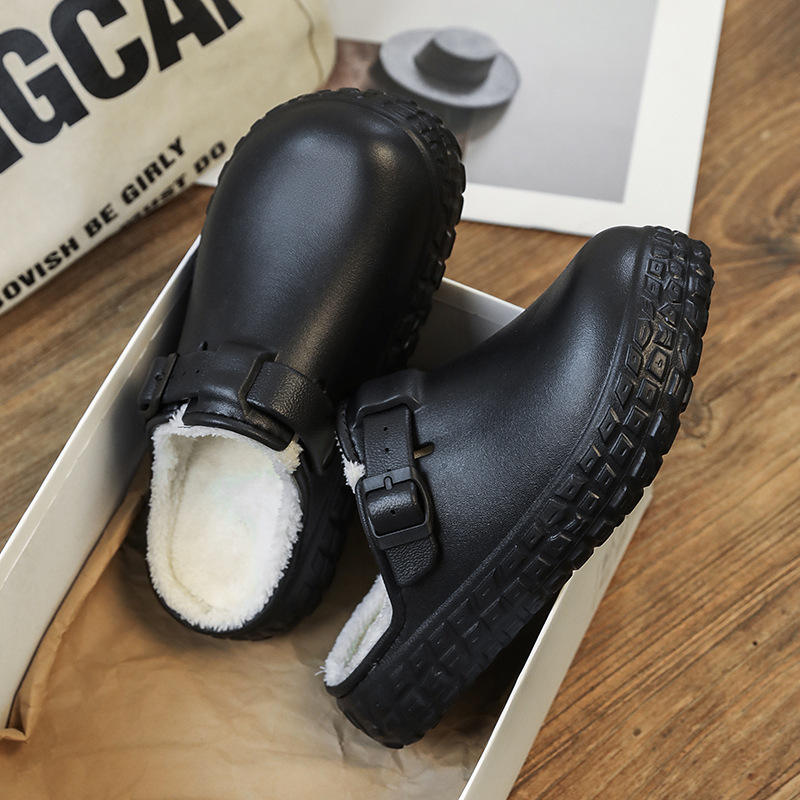
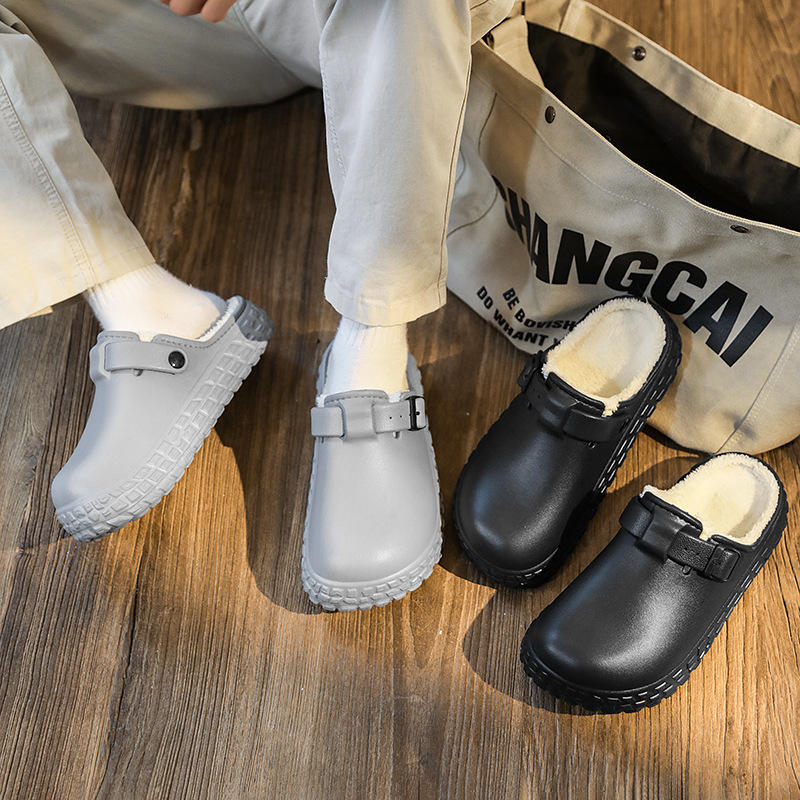
The appeal here is the “hose-off” ability. A worker can step deep into a muddy flower bed, get the shoes absolutely caked in dirt, and just spray them clean at the end of the day. They dry in minutes, not hours. However, the work doesn’t stop when the temperature drops. To keep crews operating during autumn cleanups or early spring frosts, many suppliers are now stocking Winter Warm & Anti-Slip Clogs. These specific models offer the plush lining needed for warmth while maintaining the aggressive tread required to navigate slick, wet grass.
For Staff: Uniformity and easy cleaning.
For Retail: Placing a bin of colorful clogs near the checkout is a classic upselling move. Customers realize their sneakers are getting ruined and grab a pair on impulse.
Comparison of Industry Requirements
Different industries might buy the same silhouette, but the specs they need from a Wholesale Clogs supplier vary wildly. It’s not a “one size fits all” situation, even if the shoe looks the same from a distance.
Table 1: Feature Priorities by Industry
| Industry | Primary Need | Material Focus | Key Feature Needed |
|---|---|---|---|
| Healthcare | Hygiene & Comfort | High-grade EVA | Fluid resistance (no holes on top) |
| Culinary | Safety (Anti-Slip) | Rubber/PU Blends | Certified Slip-Resistant Soles |
| Gardening | Waterproofing | Standard EVA | Easy on/off (Heel straps optional) |
| Industrial | Protection | Hardened Rubber | Steel toe or ESD (Anti-static) |
The “Aesthetic” and Retail Resurgence
It feels weird to say this, but clogs are trendy. What used to be purely functional has become a strange sort of fashion statement. Boutiques and lifestyle stores are now major buyers of Wholesale Clogs, but they aren’t looking for the basic black or white versions used in kitchens.
They want colors. They want tie-dye. They want platforms. The rise of customization—sticking charms and pins into the ventilation holes—has turned the clog into a blank canvas for Gen Z. Retailers are buying the base shoe in bulk and then selling the “customization experience” alongside it. It is a brilliant business model because the margins on the plastic accessories are massive, but you need the clog to sell the accessory.
Industrial and Light Manufacturing
Static and Impact Protection
In clean rooms or electronics manufacturing, regular shoes generate static electricity, which can fry sensitive components. Here, specialized Wholesale Clogs known as ESD (Electrostatic Discharge) footwear are standard. They look like normal clogs but contain a conductive plug that grounds the worker to the floor.
Similarly, in light warehousing, you see a shift away from heavy steel-toe boots toward “safety clogs” which have a composite toe cap. They offer protection against a falling box but weigh half as much as a work boot. For a worker walking 20,000 steps a day in a warehouse, that weight difference matters immensely.
Why Sourcing Matters
For the businesses in these industries, going the wholesale route isn’t just about getting a discount, though cost is obviously a factor. It is about consistency.
When a hospital administrator or a restaurant manager finds a model that works—one that doesn’t cause blisters and prevents slips—they want 500 pairs of that exact shoe. They don’t want to rely on the fluctuating stock of a consumer retail store. Dealing with Wholesale Clogs suppliers allows them to predict inventory. Staff turnover in hospitality and healthcare is high; having a closet full of brand-new, boxed shoes ready for the next new hire streamlines the onboarding process.
It seems simple—it’s just a rubber shoe—but for the industries that run on their feet, it is a critical piece of infrastructure. Whether it is keeping a surgeon comfortable during a transplant or keeping a line cook from slipping on spilled oil, the humble clog is doing a lot of heavy lifting behind the scenes. If you want to know more about wholesale clogs, please read How to Choose the Right Wholesale Slippers.