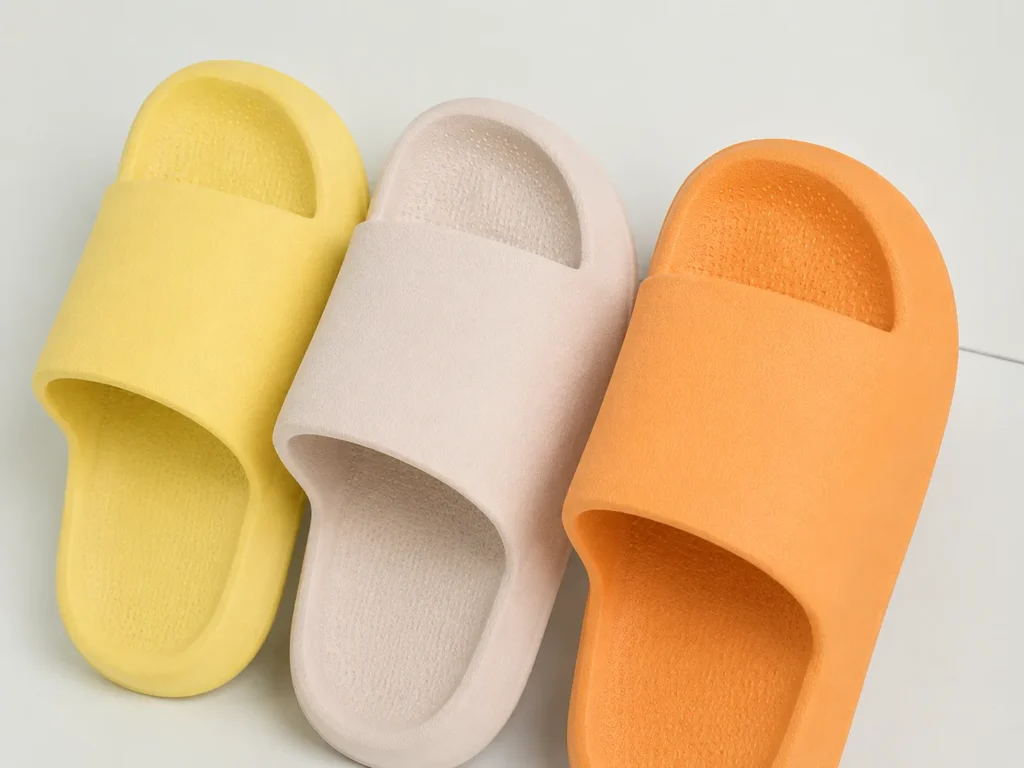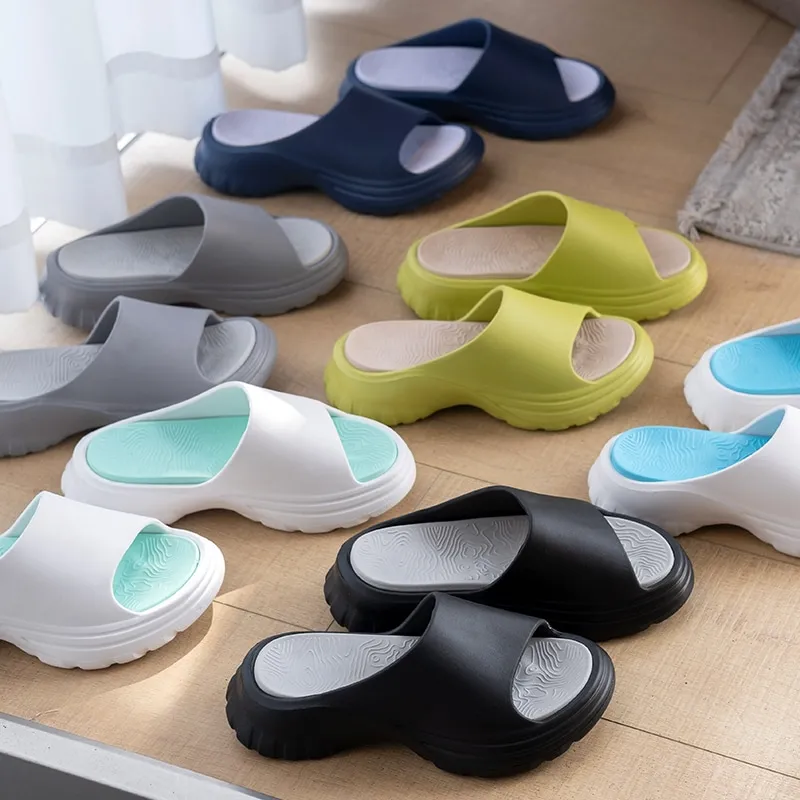
Sourcing products for retail often feels less like a business transaction and more like a high-stakes balancing act, especially when winter approaches. There is a specific kind of panic that sets in when the temperature drops and the inventory is low. For retailers, finding the right wholesale slippers isn’t just about picking a cute design or a fluffy material. It is about the gritty, often frustrating logistics that happen behind the scenes.
It seems that every supplier promises the moon—best prices, fastest shipping, lowest minimums—but the reality is usually a bit messier. Managing expectations around Minimum Order Quantities (MOQ), deciphering complex pricing tiers, and praying that lead times hold up against global shipping delays is just part of the game.
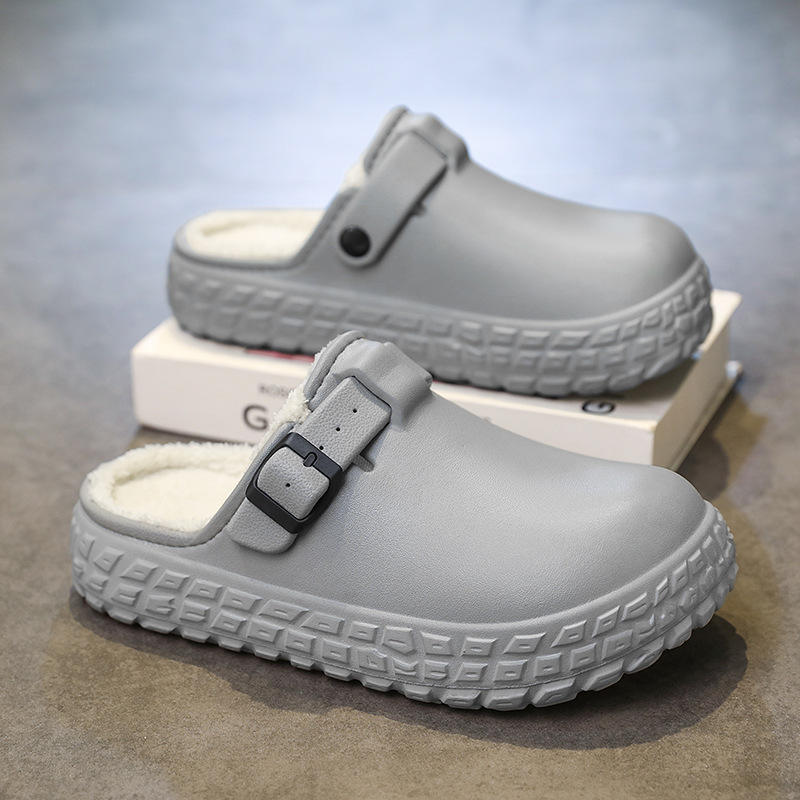
The Elephant in the Room: Navigating MOQs
One of the first hurdles any buyer runs into is the MOQ. It is the gatekeeper. You find the perfect pair of plush, memory-foam slides that would fly off the shelves, only to realize the factory requires 1,000 pairs per color. For a massive department store, that is a drop in the bucket. For a boutique or an online startup? It’s a dealbreaker.
The thing about sourcing wholesale slippers is that the MOQ isn’t always arbitrary, though it certainly feels that way sometimes. Factories have to set up machines, dye fabrics, and cut molds. Turning on the production line for 50 pairs just doesn’t make financial sense for them.
Can You Negotiate the Minimums?
Short answer: Sometimes. Long answer: It depends on how much you are willing to pay.
It is often observed that suppliers might bend the rules for a “trial order,” but this usually comes with a catch—a higher price tag. If a buyer wants to lower the risk by buying fewer units, the factory often shifts that risk back to the buyer in the form of a surcharge.
Here is what typically affects the flexibility of MOQs:
Stock availability: If the wholesale slippers are already sitting in a warehouse (stock lots), the MOQ might drop to as low as a single carton.
Customization level: Want a custom logo? Expect the MOQ to skyrocket.
Material readiness: If the factory has the fabric on hand, they might be lenient. If they have to order the fabric specially, the MOQ is firm.
Decoding the Price Tag
Pricing in the wholesale world is rarely straightforward. It is never just the cost of the shoe. It’s the shoe, plus the polybag, plus the tag, plus the carton, plus the inland freight. And that is before it even gets on a boat or a plane.
When looking at price lists for wholesale slippers, one might notice that the “per pair” cost is heavily dependent on volume. It’s the classic economy of scale. However, there is a trap here. Sometimes, chasing the lowest price per unit leads to overstocking, which ties up cash flow. Is it worth saving $0.50 per pair if it means sitting on 500 extra pairs for six months? Probably not.
Below is a breakdown of how pricing might shift based on order volume for a standard faux-fur slide. This is purely observational data, but it paints a clear picture of how the industry tends to structure costs.
Table 1: Estimated Pricing Tiers for Standard Wholesale Slippers
| Order Quantity (Pairs) | Unit Price (Ex-Works) | Customization Options | Notes |
|---|---|---|---|
| 50 – 200 | $4.50 – $5.50 | None / Generic Tag | Usually stock items only. High per-unit cost. |
| 201 – 1,000 | $3.20 – $3.80 | Simple Logo Print | The “sweet spot” for small brands. |
| 1,001 – 5,000 | $2.50 – $2.90 | Fully Custom (Color/Material) | Where real margins are made. |
| 5,000+ | < $2.20 | Custom Mold & Packaging | Requires significant lead time planning. |
The Hidden Costs of Cheap Materials
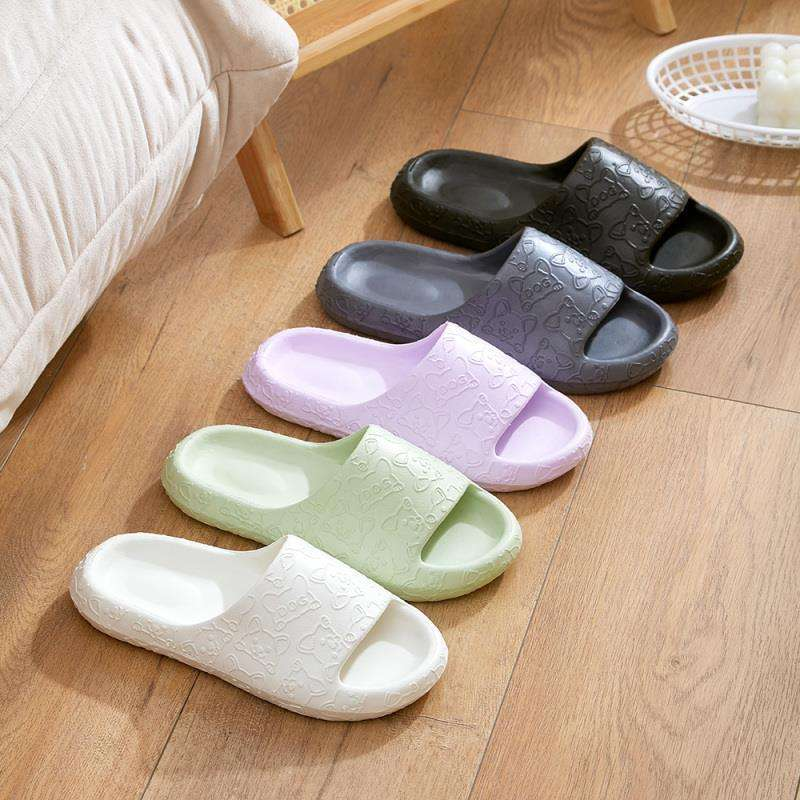
There is always a cheaper option. Always. If a supplier quotes a price that seems too good to be true for wholesale slippers, it probably is. The difference usually lies in the foam density or the sole material. A slipper that flattens out like a pancake after two weeks of wear might be cheap to buy, but it is expensive in terms of customer returns and bad reviews. EVA soles are cheaper than TPR (Thermoplastic Rubber), but they are also slippery and less durable. This distinction is particularly critical if you are sourcing Custom Slides Bathroom Anti-Slip Slippers, where grip and safety are the main selling points.
The Waiting Game: Lead Times and Logistics
If MOQ is the hurdle, lead time is the killer.
In a perfect world, you place an order, and it arrives three weeks later. In the real world of importing wholesale slippers, timing is everything, and delays are inevitable. Production time is distinct from shipping time, though they often get conflated in the initial quote.
A factory might say “30 days lead time.” That usually means 30 days to make the slippers. It does not include the week it takes to book a container, the three weeks on the ocean (or more), and the week stuck in customs.
Seasonal Bottlenecks
Trying to order winter inventory in October is generally a bad idea. By then, factories are swamped. The smart money usually moves in spring or early summer. When everyone rushes to order at the same time, lead times stretch. What was once a 30-day production window suddenly becomes 60 days because the factory is overbooked.
Factors that notoriously ruin timelines include:
Raw Material Shortages: If the faux fur provider is late, the slipper factory stops.
Holidays: Chinese New Year shuts down production for nearly a month. If an order isn’t out before then, it is stuck.
Quality Control Failures: If a batch comes out with the wrong shade of beige, it has to be remade.

Quality Assurance and the Sample Trap
It is fascinating how different a product can look in a photo versus in hand. Photography lighting can make a low-quality polyester look like high-end velvet. This is why ordering samples isn’t just a suggestion; it is a survival tactic.
When sourcing wholesale slippers, getting a “pre-production sample” is standard. But savvy buyers often ask for a “shipment sample”—a pair taken from the final bulk production—before the goods leave the factory floor. It serves as a final check.
Sometimes, the sample sent initially is perfect. It’s fluffy, the stitching is tight, and the sole is sturdy. Then the bulk order arrives, and the stitching is loose, or the sizing is slightly off. It happens. It’s frustrating, but it happens. Consistent quality control is what separates a decent supplier from a great one.
Final Thoughts on Sourcing Success
Navigating the market for wholesale slippers is really about managing risk. It is about understanding that a lower MOQ might cost more upfront but saves money on inventory storage. It is about realizing that the cheapest price tag often comes with the longest lead time or questionable durability.
There is no perfect supplier, and there is no perfect time to order (though earlier is always better). It is a constant negotiation—trading volume for price, and price for speed. But when that shipment finally arrives, and the product is right, and the margins align? That is when the headache feels worth it.
If you want to know more about wholesale slippers, please read How to Choose the Right Wholesale Slippers.