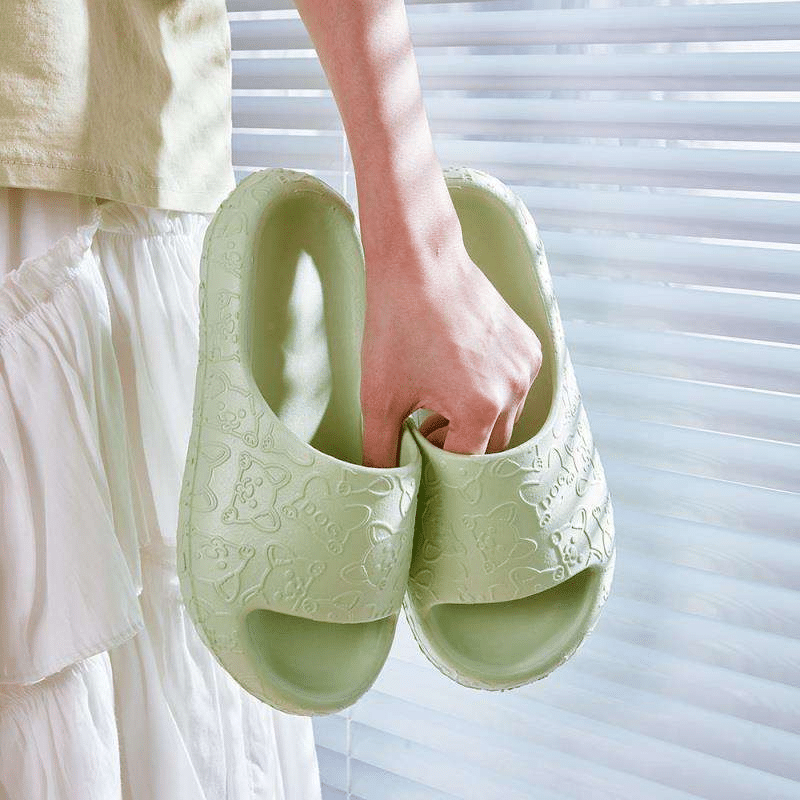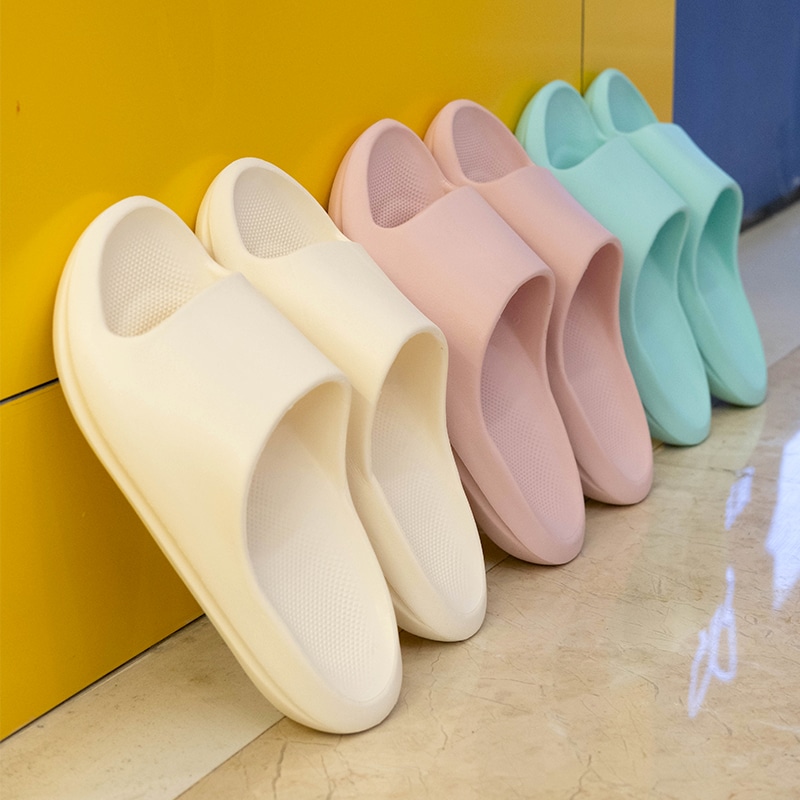
The question comes up constantly in wholesale slipper purchasing: which material is actually best? And honestly, the answer depends entirely on context. A material perfect for luxury hotel rooms might be completely wrong for a beach resort. What works for retail shelves probably won’t suit airline amenity kits.
Still, understanding the characteristics of each material helps buyers make smarter decisions. Some options prioritize durability. Others focus on comfort or cost efficiency. A few manage to balance multiple factors reasonably well.
This breakdown covers the most common materials found in wholesale slippers today—along with their strengths, weaknesses, and ideal applications.
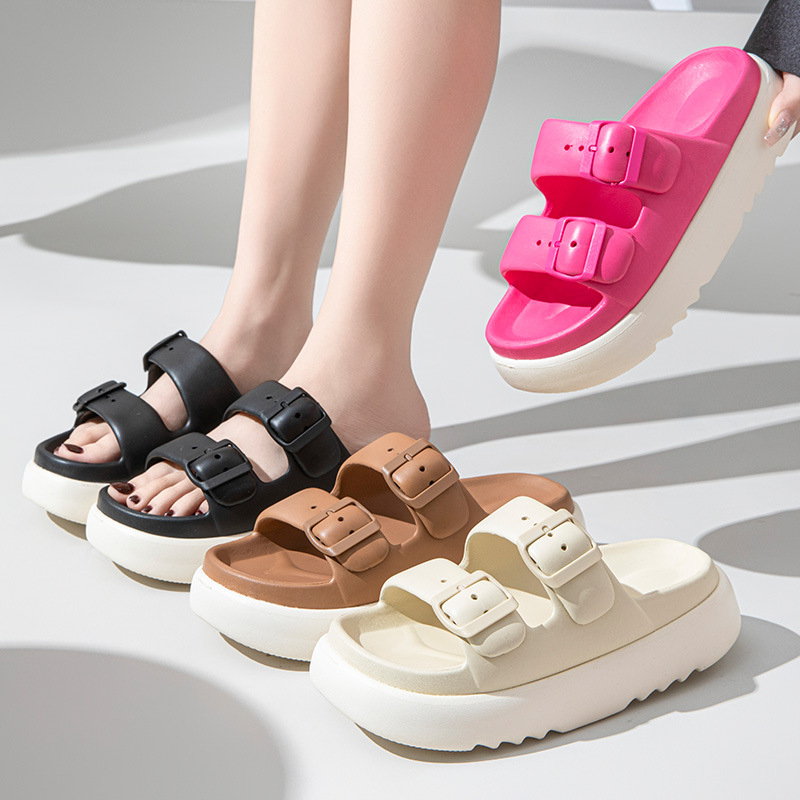
Why Material Choice Matters in Wholesale Purchasing
When buying wholesale slippers in bulk, material selection affects nearly everything downstream. Production costs, shipping weights, customer satisfaction, replacement rates—all connected to this single decision.
The wrong material choice creates problems that compound at scale:
Slippers that wear out quickly generate complaints and returns
Materials unsuited to the environment (humidity, wet floors, heavy use) fail prematurely
Cheap-feeling products damage brand perception
Overspending on premium materials for basic applications wastes budget
Getting it right from the start saves considerable headaches. Getting it wrong means dealing with those headaches multiplied by however many units were ordered.
Common Wholesale Slipper Materials Compared
Quick Comparison Overview
| Material | Comfort Level | Durability | Water Resistance | Cost Range | Weight |
|---|---|---|---|---|---|
| Cotton Terry | High | Low-Medium | Poor | Low | Light |
| Velour | High | Medium | Poor | Medium | Light |
| EVA Foam | Medium | High | Excellent | Low-Medium | Very Light |
| Memory Foam | Very High | Medium | Poor | Medium-High | Medium |
| Rubber | Low-Medium | Very High | Excellent | Medium | Heavy |
| Coral Fleece | High | Low | Poor | Low | Light |
| Waffle Weave | Medium | Medium | Poor | Low-Medium | Light |
| Faux Leather | Medium | Medium-High | Good | Medium-High | Medium |
This table provides a starting point, though real-world performance varies based on construction quality and specific formulations. Cheap EVA behaves differently than premium EVA. The same goes for most materials.
Material Deep Dives
Cotton Terry
Cotton terry cloth remains one of the most popular choices for wholesale slippers, particularly in hospitality. It’s soft, breathable, and feels familiar to most guests.
Advantages:
Comfortable against skin
Absorbent (good for post-shower use)
Easy to wash
Generally affordable
Widely available from suppliers
Disadvantages:
Wears out relatively quickly under heavy use
Not water-resistant at all
Can develop odors if not dried properly
Limited durability for outdoor or wet areas
Hotels ordering wholesale slippers often default to cotton terry for guest rooms. It works well enough for single-use or light-use applications. Expecting them to last beyond a few wears, though, leads to disappointment.
Velour
Velour offers a step up in perceived luxury from cotton terry. The soft, slightly shiny surface creates a more premium impression.
Advantages:
Looks and feels more upscale
Soft and comfortable
Reasonable cost for the quality perception it creates
Works well in gift sets or premium packaging
Disadvantages:
Slightly higher price point than basic cotton
Still not particularly durable
Water absorption can be an issue
Shows wear patterns more visibly
Spas and upscale hotels frequently choose velour wholesale slippers when guest experience matters. The material photographs well too—useful for marketing purposes.
EVA Foam
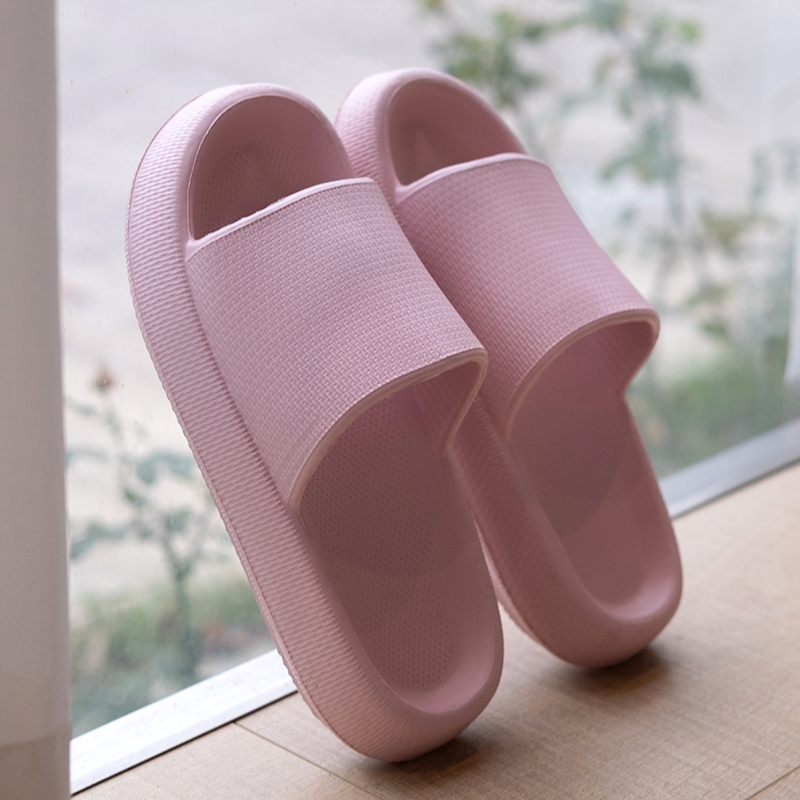
EVA (ethylene-vinyl acetate) foam has gained significant ground in the wholesale slipper market. Its combination of durability, water resistance, and affordability makes it attractive for various applications.
What makes EVA appealing:
Extremely lightweight—reduces shipping costs for bulk orders
Water-resistant—ideal for pools, spas, bathrooms
Easy to clean with just water and mild soap
Durable enough for extended use
Highly customizable for branding purposes
Hypoallergenic and odor-resistant
Potential drawbacks:
Less cozy feeling compared to fabric options
Can feel cheap if poorly manufactured
Limited breathability
Some customers expect fabric slippers and find EVA unfamiliar
The material works exceptionally well for wholesale slippers in commercial environments where hygiene and durability matter more than luxury feel. Gyms, pools, hospitals, and cruise ships often prefer EVA for these reasons.
Memory Foam
Memory foam appears primarily as an insole material rather than full construction. Slippers featuring memory foam insoles with fabric uppers combine comfort with reasonable durability.
Why buyers like it:
Superior cushioning and foot support
Conforms to individual foot shape over time
Creates premium product perception
Justifies higher retail price points
Considerations:
Higher production cost
Memory foam quality varies dramatically
Not suitable for wet environments
Heavier than basic foam alternatives
Retail-focused wholesale slippers often feature memory foam as a selling point. The material works less well for single-use hospitality applications where the cost can’t be justified.
Rubber Soles
Rubber typically appears as a sole material rather than full slipper construction. Worth discussing though, because sole choice significantly impacts performance.
Wholesale slippers with rubber soles offer:
Excellent grip on various surfaces
Strong durability
Good water resistance
Suitability for indoor-outdoor use
The tradeoff involves weight and cost. Rubber adds both. For applications requiring serious traction—healthcare facilities, industrial settings, or anywhere with slip hazards—rubber soles make sense despite the added expense.
Coral Fleece
Coral fleece (sometimes called microfiber fleece) has become popular for its extremely soft texture and low cost. The material feels plush and cozy.
Strengths:
Very soft and comfortable
Affordable to produce
Lightweight
Quick drying compared to cotton
Weaknesses:
Wears out relatively fast
Can pill after washing
Not particularly breathable
Limited durability for heavy use
Budget-conscious hospitality operations sometimes choose coral fleece wholesale slippers as a middle ground between basic cotton and premium velour. The material delivers good initial impressions at reasonable cost.
Matching Materials to Applications
Best Materials by Use Case
Hotels and Resorts:
Guest rooms: Cotton terry or velour
Spa areas: EVA or velour
Pool areas: EVA exclusively
Healthcare Facilities:
Patient rooms: Coral fleece or cotton (disposable)
Common areas: EVA with rubber soles
Airlines:
Economy amenity kits: Thin cotton or waffle weave
Business/First class: Velour or memory foam
Retail:
Budget lines: Cotton terry or coral fleece
Premium lines: Memory foam with velour uppers
Rental Properties:
Short-term rentals: EVA (easy to clean between guests)
Vacation rentals: Cotton terry (familiar, disposable)
Cost Considerations for Bulk Orders
Material cost represents just one factor in wholesale slipper economics. Consider also:
Shipping weight (EVA saves money here)
Expected lifespan (cheap materials may cost more long-term)
Replacement frequency
Customer perception and satisfaction
Customization requirements
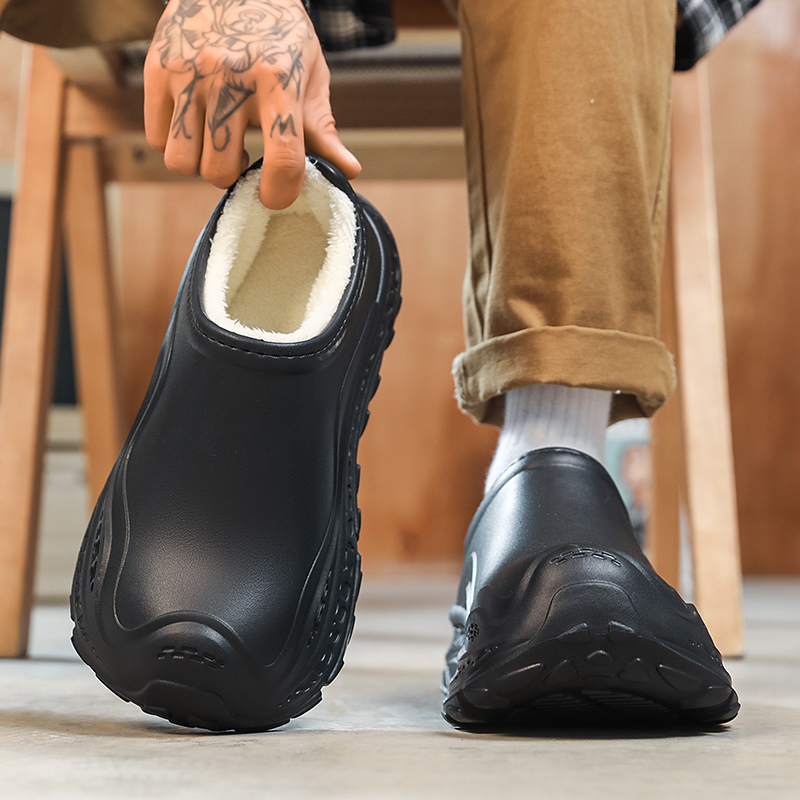
Sometimes paying slightly more per unit for durable wholesale slippers reduces total cost of ownership. Other times, the cheapest option makes perfect sense—particularly for single-use applications.
Making the Final Choice
No single material wins across all categories. The “best” wholesale slipper material depends on:
Intended use environment
Expected usage duration
Budget constraints
Brand positioning
Practical requirements (water resistance, durability, etc.)
Many buyers end up working with multiple materials across different product lines. A hotel might stock EVA slippers for pool areas and velour for guest rooms. A retailer might offer budget cotton options alongside premium memory foam versions.
Understanding material characteristics empowers better decisions. The wholesale slippers market offers plenty of options—the challenge lies in matching those options to specific needs rather than defaulting to whatever’s cheapest or most familiar.
If you want to know more about wholesale slipper, please read How to Choose the Right Wholesale Slippers.