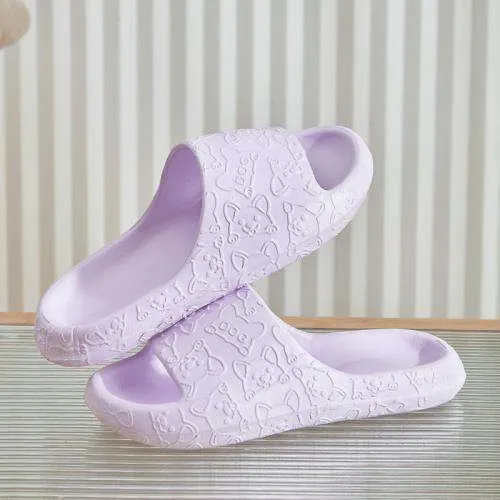
If there’s one material that has quietly revolutionized the casual footwear industry, it’s EVA. The lightweight foam that makes your favorite slides and sandals so comfortable doesn’t start out that way. It begins as hard plastic pellets and undergoes a fascinating transformation. For anyone who’s ever slipped on a pair of EVA slippers and wondered about their construction, the process is a blend of chemistry, precision engineering, and a bit of magic. Let’s break down exactly how EVA footwear goes from raw material to finished product.
What is EVA Material?
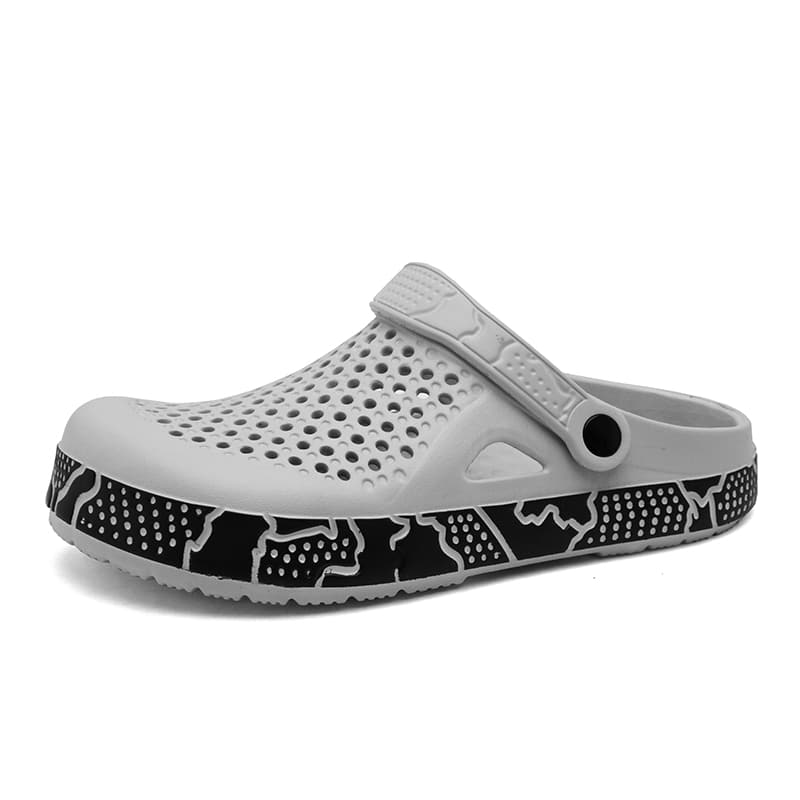
Before diving into the manufacturing steps, it’s worth understanding the base ingredient. EVA (Ethylene-Vinyl Acetate) is a copolymer known for its rubber-like softness and flexibility, even though it’s technically a plastic. When processed with foaming agents, it becomes the lightweight, shock-absorbing material that’s perfect for shoe soles. The quality of the final product heavily relies on the specific blend of this material—and experienced manufacturers know exactly how to fine-tune that recipe for optimal performance. Popular end-products made from this material include EVA Fashion Slides, which showcase the perfect balance of comfort and durability.
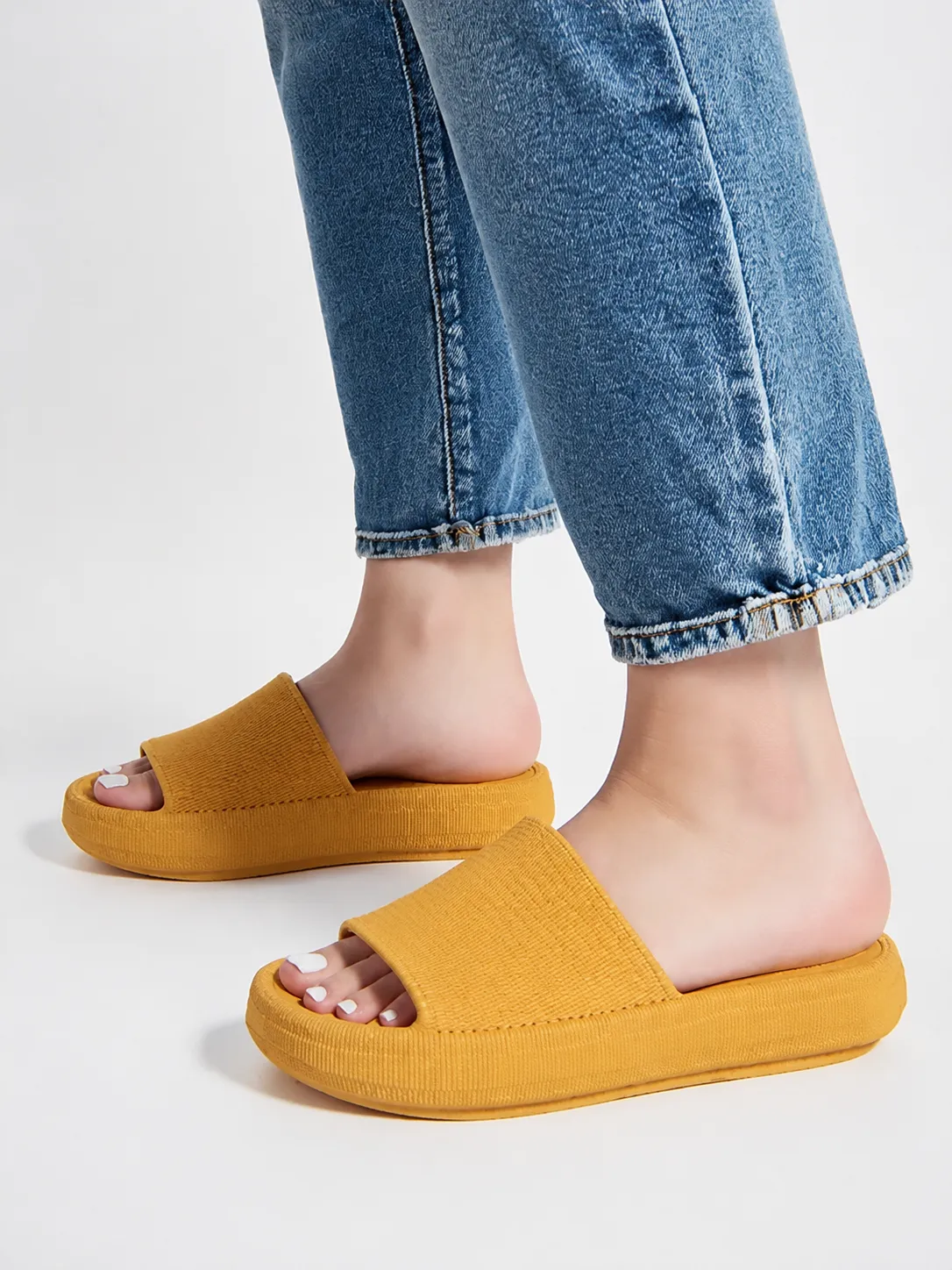
Step 1: Weighing and Mixing
The journey begins in the mixing room. Raw EVA resin is combined with a precise cocktail of additives. This typically includes a foaming agent to create the air bubbles, a cross-linking agent to give the foam its structure, and various fillers and pigments.
This mixture is like a recipe; too much foaming agent and the material becomes unstable; too little and the sole is too heavy. The components are weighed carefully and kneaded at high temperatures until they form a homogenous, dough-like compound. Factories often use automated systems to ensure batch-to-batch consistency, which is critical for large-scale production.
Step 2: Sheet Forming
Once the dough is ready, it’s processed into a form that fits the mold. This is usually done using an open mill or a calender to roll the hot compound into thick sheets. In some processes, these sheets are then cut into “preforms” that roughly match the size of the final sole. This stage ensures that each preform contains the exact same amount of material, so the final product has a uniform density.
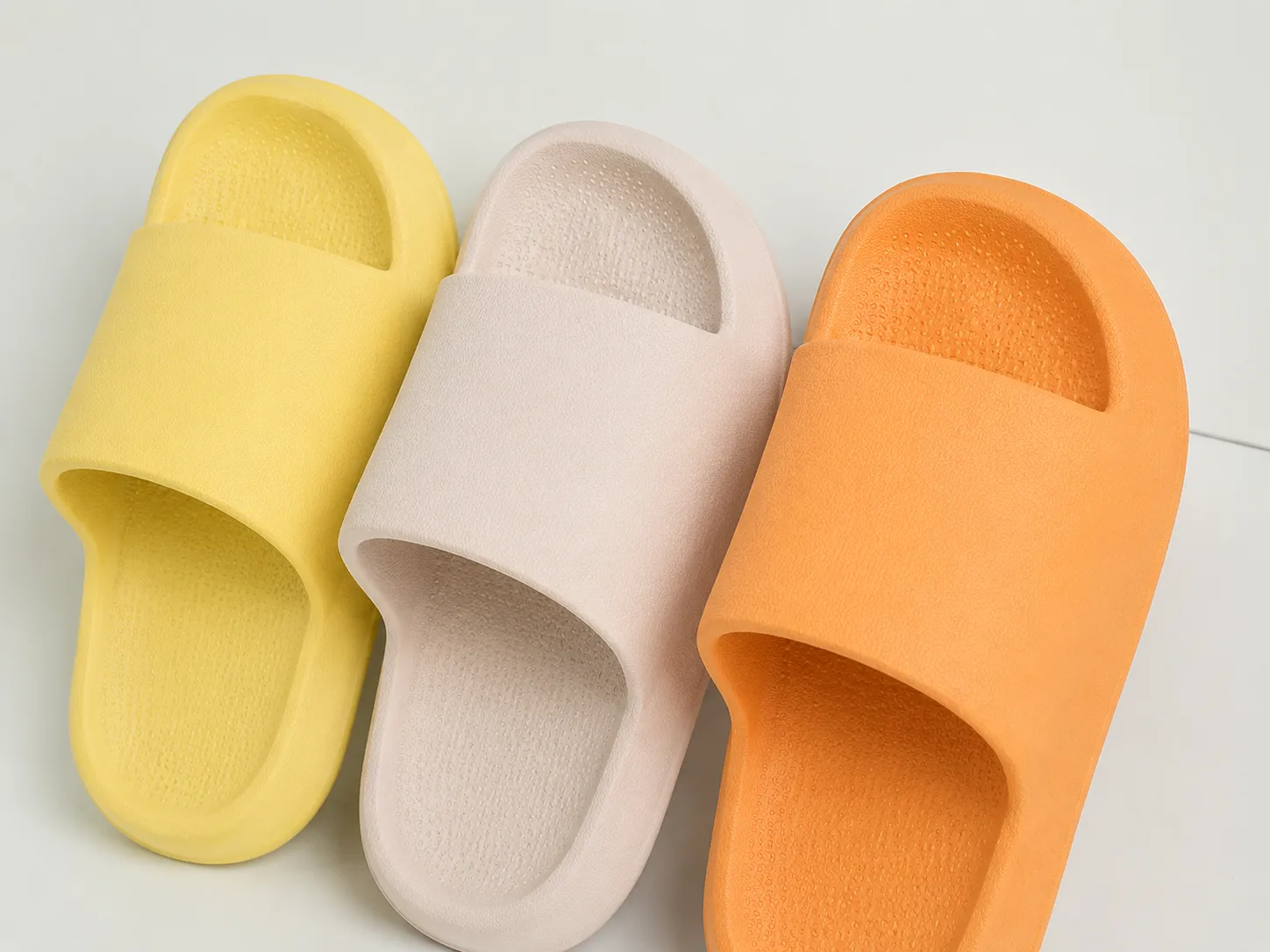
Step 3: The Molding Process
This is where the footwear truly takes shape. There are two primary methods used in the industry: Compression Molding and Injection Molding.
Compression Molding
This is the most common method for high-quality EVA shoes. The process follows four key stages:
- Mixing– EVA resin is combined with foaming agents, cross-linking agents, and other additives to create a reactive compound.
- Sheet Forming– The mixture is rolled into sheets and cut into preforms that match the approximate size of the final sole.
- Loading and Molding– The preform is placed into an open mold cavity. The mold is closed and subjected to high heat (around 160-180°C) and pressure, causing the foaming agent to release gas that expands the EVA to fill the mold, while the cross-linking agent cures the material into its final form.
- Cooling– The mold is cooled while still under pressure. This step is critical—if opened while hot, the foam will deform and ruin the product.
Injection Molding
Injection molding follows a slightly different sequence. EVA pellets are heated to a molten state and injected directly into a closed mold under high pressure in a single, rapid cycle. While this method is faster and well-suited for complex designs, compression molding is often preferred for better consistency and durability. Both options are available depending on the customer’s design requirements and production volume.
Step 4: Unloading and Trimming
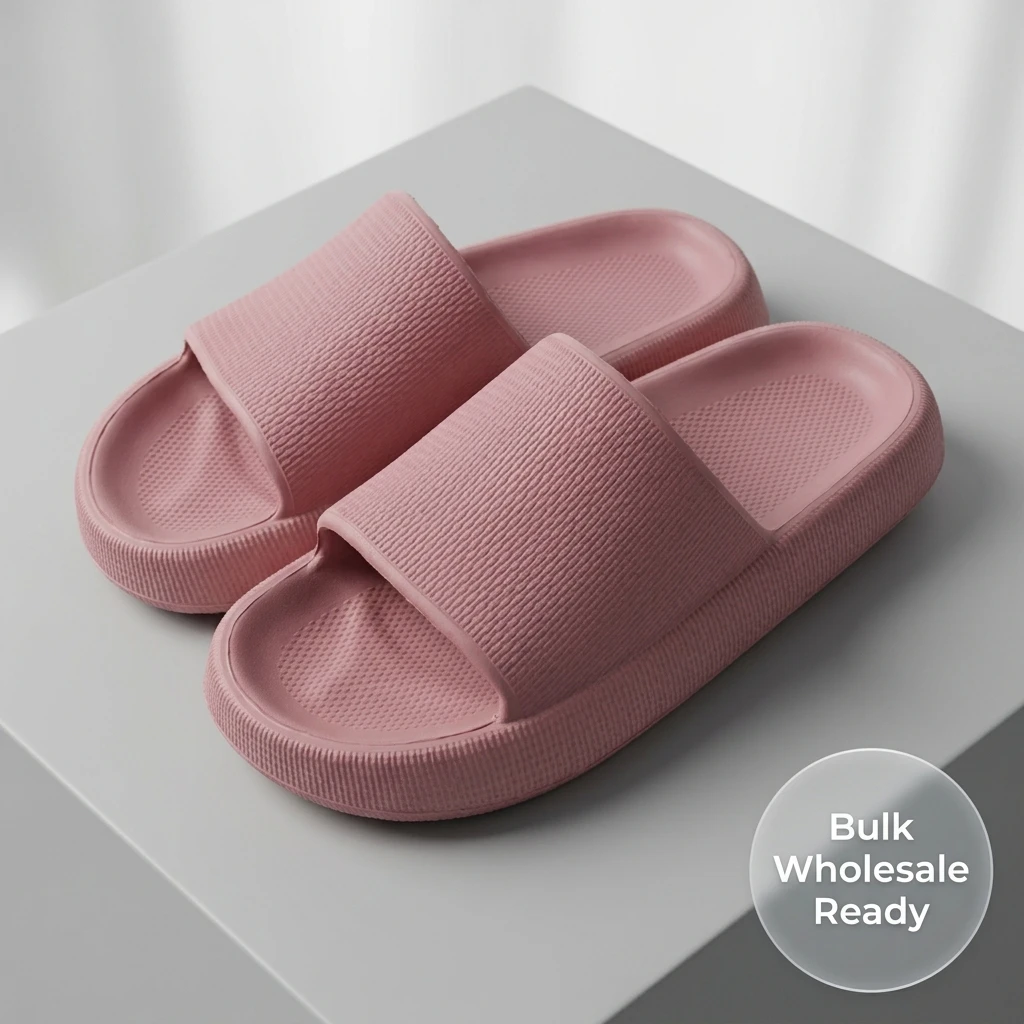
After cooling, the mold is opened. The newly formed EVA shoe or sole is removed, often with “flash” or excess material along the seam lines. Workers trim these imperfections to create a clean, finished edge. For brands looking to create specific styles, this is where customization begins. Many manufacturers offer EVA Custom Slippers services, allowing for specific colors, textures, and sizes to be integrated during production.
Advanced Techniques: Dual-Density
One of the most impressive advancements in EVA footwear is dual-density molding. This creates a shoe with different hardness zones—a softer heel and a firmer forefoot.
- A block of low-density EVA is placed in the heel area.
- Higher-density raw EVA is poured around it.
- Heat and pressure fuse these materials into a single component.
This technique requires precise mold design and temperature control—areas where some manufacturers have developed considerable expertise. The result is a shoe that offers both cushioning where you need it and support where it counts.
Quality Control
No step is more important than the final check. Reputable manufacturers inspect every dimension of the product, checking hardness (using a durometer) to ensure it sits within tolerance. They also look for visual defects like bubbles, dents, or warping. Every shoe is scrutinized to meet required standards. In some factories, quality control goes further—samples are routinely tested for compression set and wear resistance to guarantee long-term performance. For businesses seeking a reliable production partner, working with an experienced EVA Slippers Manufacturer ensures that every batch meets these rigorous quality standards.
EVA Footwear Manufacturing Process Overview
| Step | Process | What We Do | Why We Do It |
|---|---|---|---|
| 1 | Weighing & Mixing | Mix EVA resin with foaming agents and additives | Create a consistent, reactive compound |
| 2 | Sheet Forming | Roll into sheets and cut into preforms | Ensure each piece has the same material volume |
| 3 | Molding | Apply heat and pressure to expand and cure the material | Shape the compound into its final foamed form |
| 4 | Unloading & Trimming | Remove from molds and trim excess material | Get clean, finished edges |
FAQ
Why does EVA footwear become less comfortable over time?
EVA foam is excellent at absorbing shock, but repeated compression over time causes the cell walls to collapse—a process known as material fatigue. This is why athletic shoes often need replacing after a certain mileage. Manufacturers often recommend higher-density blends for customers who prioritize longevity.
What is the difference between high-density and low-density EVA?
The density is determined by the amount of foaming agent used. High-density EVA has fewer air pockets and is harder, making it more durable. Low-density EVA has more air pockets, making it softer and lighter but less durable. Many brands choose a balanced density for everyday EVA footwear.
How do manufacturers make EVA footwear in different colors?
Color is added during the initial mixing stage. The pigment is “masterbatched” and blended with the raw EVA resin before sheet forming. This ensures the color penetrates the entire product and doesn’t just coat the surface. For custom orders, manufacturers work with clients to match specific colors precisely.