Slippers seem simple enough. Basic footwear, nothing complicated. But anyone who’s actually gone through the process of sourcing Custom Slippers Wholesale knows it gets surprisingly complex pretty fast. The options are overwhelming—materials, sole types, open toe versus closed, embroidery versus printing, minimum orders, packaging variations. And the wrong choice? That means inventory sitting in storage, customer complaints, or products that fall apart after one use.
Different buyers need different things. A boutique hotel ordering slippers for guest rooms has completely different requirements than a spa, a retailer, or a company looking for corporate gifts. Understanding these differences before placing an order saves headaches (and money) down the line.
Understanding Your End User First
Before diving into slipper styles, the first question should always be: who’s actually wearing these? The answer shapes everything else.
Hospitality and Hotel Use
Hotels typically need slippers that hit a specific balance—nice enough to feel like a genuine amenity, economical enough to be disposable. Most guests wear them once, maybe twice. The slipper needs to look good when the guest opens that little bag or box, feel decent underfoot, and… that’s about it.
Custom Slippers Wholesale for hotels often means:
Lightweight construction (reduces shipping costs too)
Simple, clean designs that match various room aesthetics
Logo placement that’s visible but not overwhelming
Individually wrapped packaging
The color palette tends conservative—white, cream, gray, navy. Nothing too bold. Hotels want slippers that suggest quality without actually screaming for attention.
Spa and Wellness Centers
Spas are different. Guests might wear slippers for hours, walking between treatment rooms, lounges, and relaxation areas. Comfort matters more here. Durability too—some spas reuse slippers after sanitization, at least for the duration of a guest’s visit.
Thicker soles make sense in this context. Soft terry cloth uppers. Maybe a slightly more luxurious feel overall. The slipper becomes part of the experience, not just a sanitary consideration.
Open Toe Versus Closed Toe
This choice trips up first-time buyers more than expected. Open toe slippers are easier for quick on-and-off, work for pedicure situations, and generally feel more “spa-like” to many people. Closed toe offers more warmth, better coverage, and feels more substantial.
Neither is universally better. It depends on what feeling the business wants to create.
Material Options and Trade-offs
Materials probably matter more than any other factor in Custom Slippers Wholesale selection. And there’s no perfect material—just different trade-offs.
| Material | Feel | Durability | Cost | Best For |
|---|---|---|---|---|
| Terry Cloth | Soft, absorbent | Low-medium | Budget-friendly | Hotels, single-use |
| Velour | Plush, upscale | Medium | Moderate | Spas, premium hotels |
| Cotton Waffle | Textured, breathable | Medium | Moderate | Resorts, summer use |
| Faux Leather | Sleek, modern | Higher | Higher | Boutique retail, gifts |
| EVA Foam (sole) | Cushioned | Good | Varies | Extended wear situations |
Terry cloth dominates the budget hospitality market for good reason—it’s soft, inexpensive, and guests understand what they’re getting. Velour elevates the perception noticeably, though costs rise accordingly.
Sole Considerations
Soles get overlooked. But a flimsy sole that folds awkwardly underfoot immediately cheapens the entire slipper experience. For Custom Slippers Wholesale buyers, understanding sole options matters:
Thin compressed felt: Cheapest option, fine for room-only use
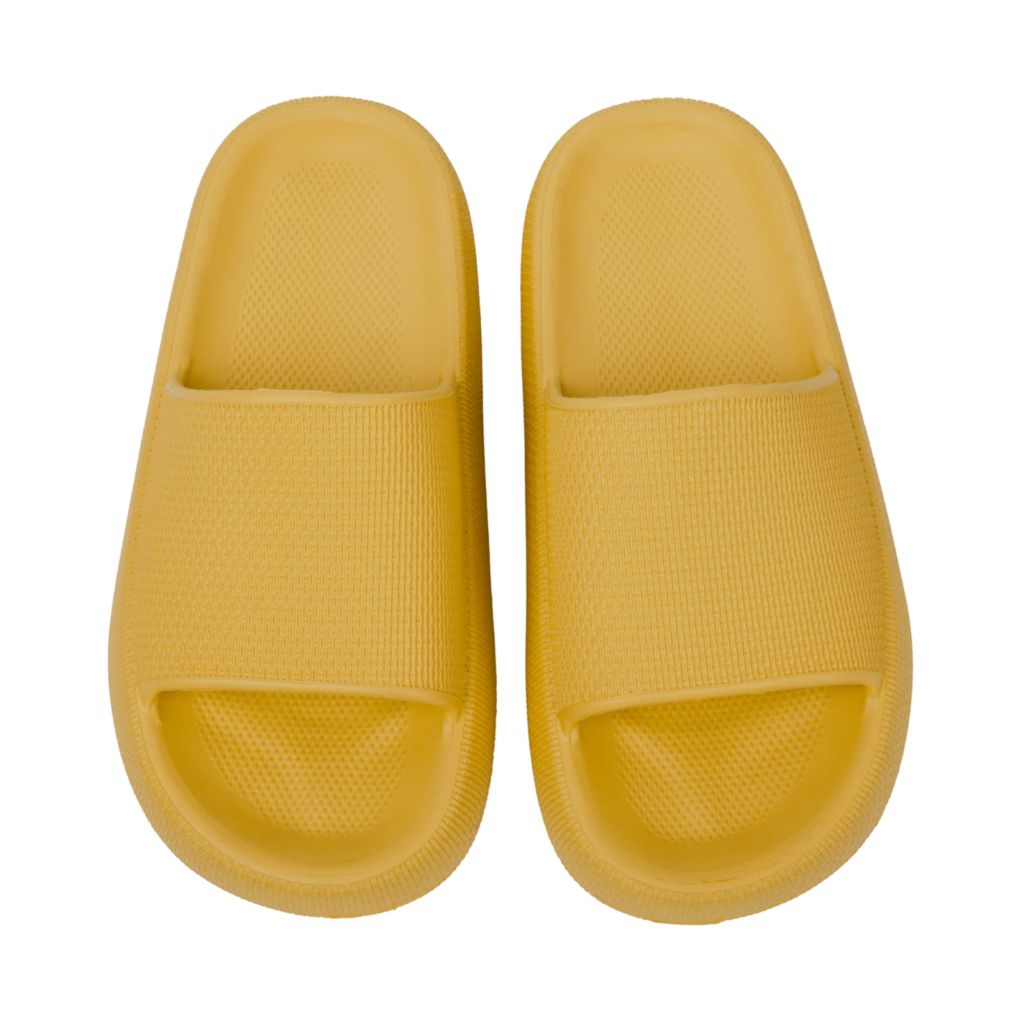
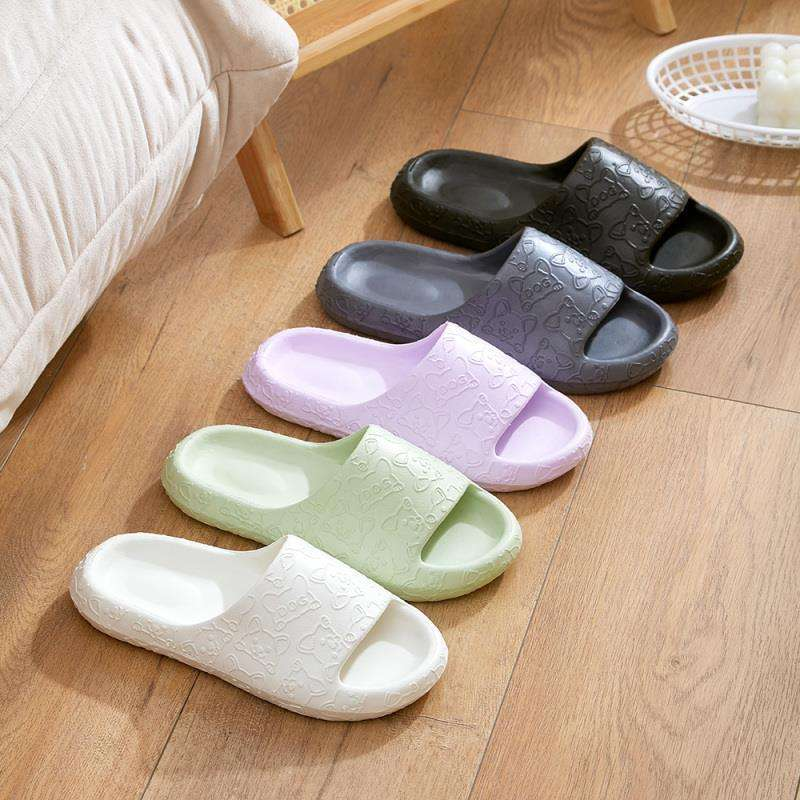
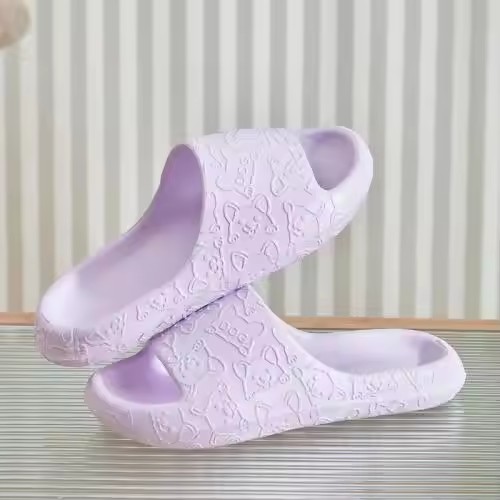
EVA Custom Slippers: Better cushioning, still affordable, ideal for spas and extended wear
Rubber/TPR: Best grip and durability, higher cost
Anti-slip dots: Added traction for tile or wooden floors
Spas with wet areas need anti-slip features. EVA Custom Slipperswork particularly well in these environments—the foam construction provides comfort for guests walking between treatment areas while maintaining reasonable price points for bulk orders.
Branding and Customization
This is where Custom Slippers Wholesale gets interesting. The slipper becomes a branding opportunity, a touchpoint with customers or guests.
Logo Placement Options
Common placement includes:
Upper/vamp area: Most visible when worn, but space is limited
Insole: Seen when putting on, subtle approach
Heel counter: Visible from behind, works for certain designs
Packaging: Sometimes the wrapper or bag carries the branding instead
Embroidery gives a premium look but costs more and has detail limitations. Screen printing works for simpler logos and costs less. Some manufacturers offer debossing for leather-look slippers—quite elegant when done well.
Color Customization
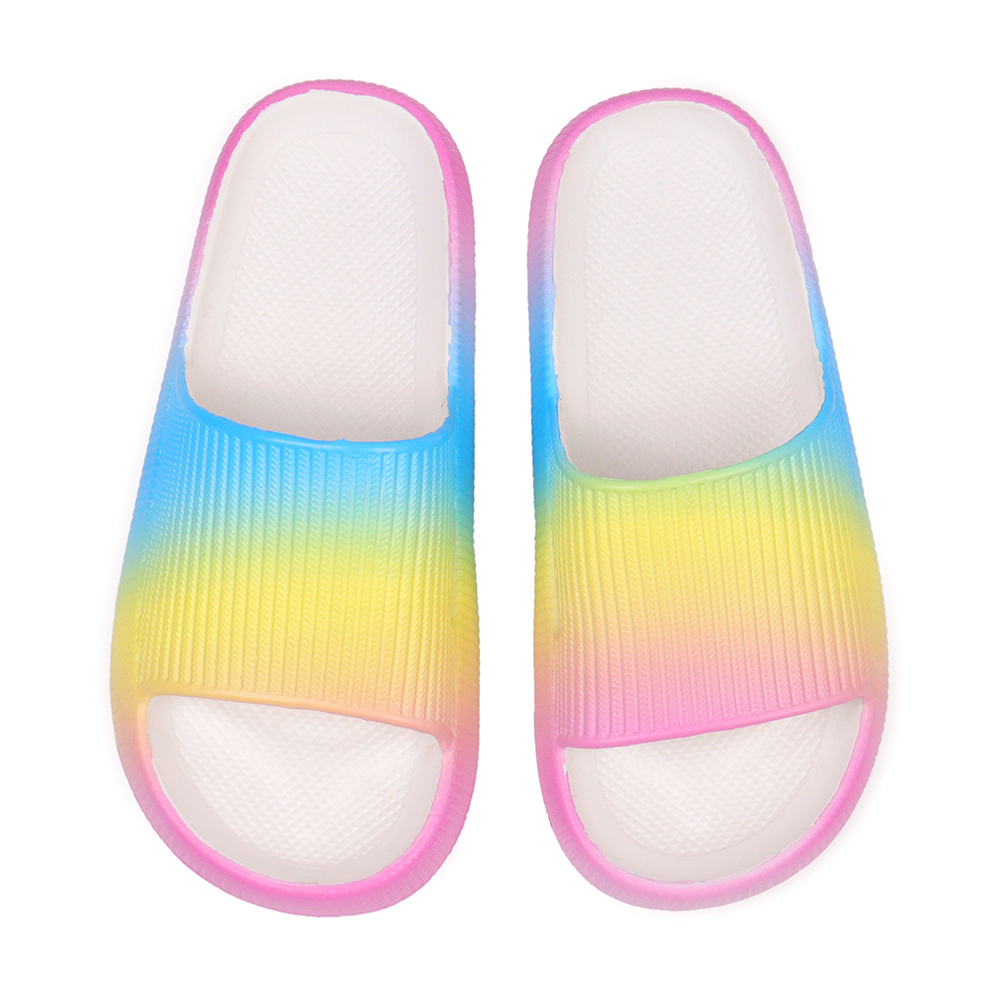
Matching slippers to brand colors seems obvious but has practical limits. Custom dyeing requires higher minimum orders. Standard colors (white, black, gray, navy, beige) ship faster and cost less. For smaller buyers, choosing a standard color with branded embroidery often makes more sense than fully custom colors.
Retail and Gift Market Considerations
Not all Custom Slippers Wholesale buyers are hospitality businesses. Retailers selling slippers—whether boutique shops, online stores, or gift companies—have different priorities.
Retail Packaging Matters
For retail, the slipper needs to sell itself on a shelf or in a product photo. Presentation packaging becomes important:
Gift boxes with ribbon closures
Clear bags that show the product
Hang tags with care instructions
Size labeling (hotels rarely need this; retail absolutely does)
The slipper itself might need to look more substantial too. Retail customers are buying for repeated use, not single-night hotel stays. They’ll examine construction quality more critically.
Seasonal Styles
Retail buyers should consider timing. Fluffy, warm slippers sell better approaching winter. Lightweight, breathable options move in spring and summer. Planning Custom Slippers Wholesale orders around seasonal demand avoids inventory headaches.
Promotional and Corporate Gifts
Companies ordering slippers as corporate gifts or promotional items have yet another set of considerations. The slipper represents the brand, so quality matters—but so does budget when ordering for large recipient lists.
Popular approaches include:
Matching slippers to company colors
Pairing slippers with robes or other items in gift sets
Including personalized touches (recipient names, event dates)
Choosing practical styles that recipients will actually use
A tech company sending gifts to remote employees might choose comfortable home slippers. A wellness brand might select spa-style options that reinforce their positioning. Context matters as much as the product itself.
Minimum Orders and Pricing Tiers
Most Custom Slippers Wholesale suppliers have minimum order quantities—often 100-500 pairs for basic customization, higher for complex designs or unusual colors. Understanding these thresholds helps with planning.
Pricing typically drops at certain volume levels:
100-499 pairs: Base pricing, limited customization options
500-999 pairs: Better per-unit cost, more customization flexibility
1,000+ pairs: Best pricing, full customization available
5,000+ pairs: Maximum discounts, often direct factory pricing
Smaller buyers might pool orders across locations or plan annual needs to reach better price breaks.
Making the Right Choice
Choosing Custom Slippers Wholesale styles really comes down to matching the product to the context. Luxury hotels shouldn’t order the cheapest terry slippers just to save money—guests notice, and reviews reflect it. Conversely, budget motels don’t need velour slippers with custom embroidery.
The practical approach involves getting samples before committing to large orders. Wear them. Walk around. Wash them if durability matters for your application. The feel in hand and on foot tells more than any product description ever could.
Suppliers who’ve been in the business awhile can often guide new buyers toward appropriate options. Good ones ask questions about intended use rather than just pushing their most expensive lines. That kind of guidance has real value, especially for first-time wholesale buyers still figuring out what actually matters for their specific needs. If you want to know more about Custom Slippers Wholesale, please read Custom Slippers Wholesale: A Complete Guide.