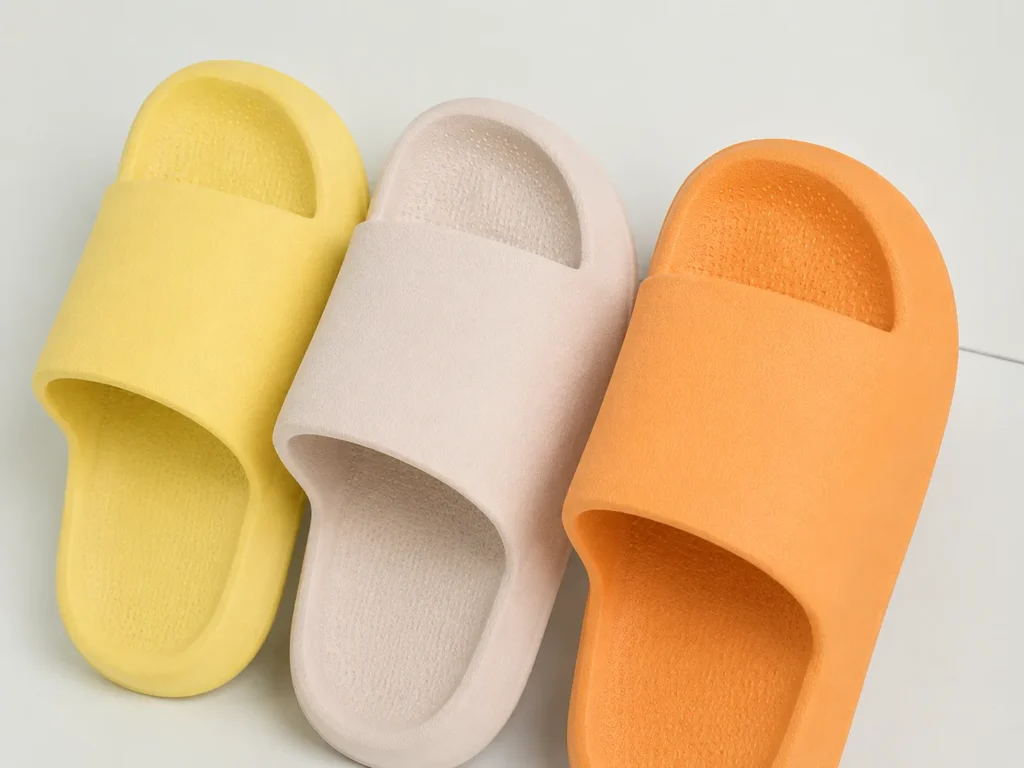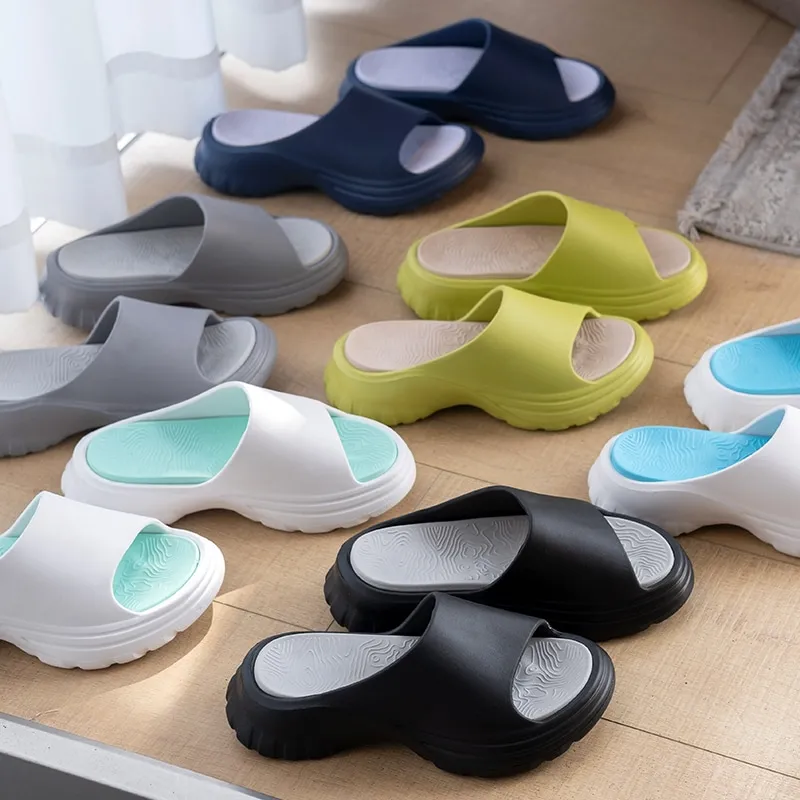
Finding the right Slippers Factory is not only about getting the lowest quotation. For business buyers, especially those sourcing products for retail, wholesale, hospitality, or private label brands, the factory you choose can directly affect product quality, delivery time, customer satisfaction, and even your brand image.
At first, many suppliers may look similar. They may all offer indoor slippers, hotel slippers, EVA slippers, bath slippers, or custom logo slippers. But once you start asking about MOQ, sample development, material options, packaging details, and production schedule, the differences become much clearer.
A good factory should not just “make slippers.” It should understand your business needs and help you turn those needs into stable, sellable products.
Why Choosing the Right Slippers Factory Matters
In the footwear business, a cheap quotation often looks attractive at the beginning. But in real purchasing situations, problems usually appear later: samples do not match expectations, colors are slightly off, packaging is wrong, or the delivery date keeps changing.
For slippers, small details matter more than some buyers expect. The softness of the sole, the anti-slip texture, the stitching quality, the logo position, and even the carton labeling can influence the final buying experience.
Choosing the wrong supplier may lead to:
- Unstable product quality
- Incorrect sizes or inconsistent fitting
- Weak glue bonding or poor stitching
- Delayed production
- Packaging mistakes
- Poor communication during mass production
- Higher hidden costs after revisions or rework
So, instead of asking only “How much is this slipper?”, it is better to ask, “Can this factory support my business in a stable way?”
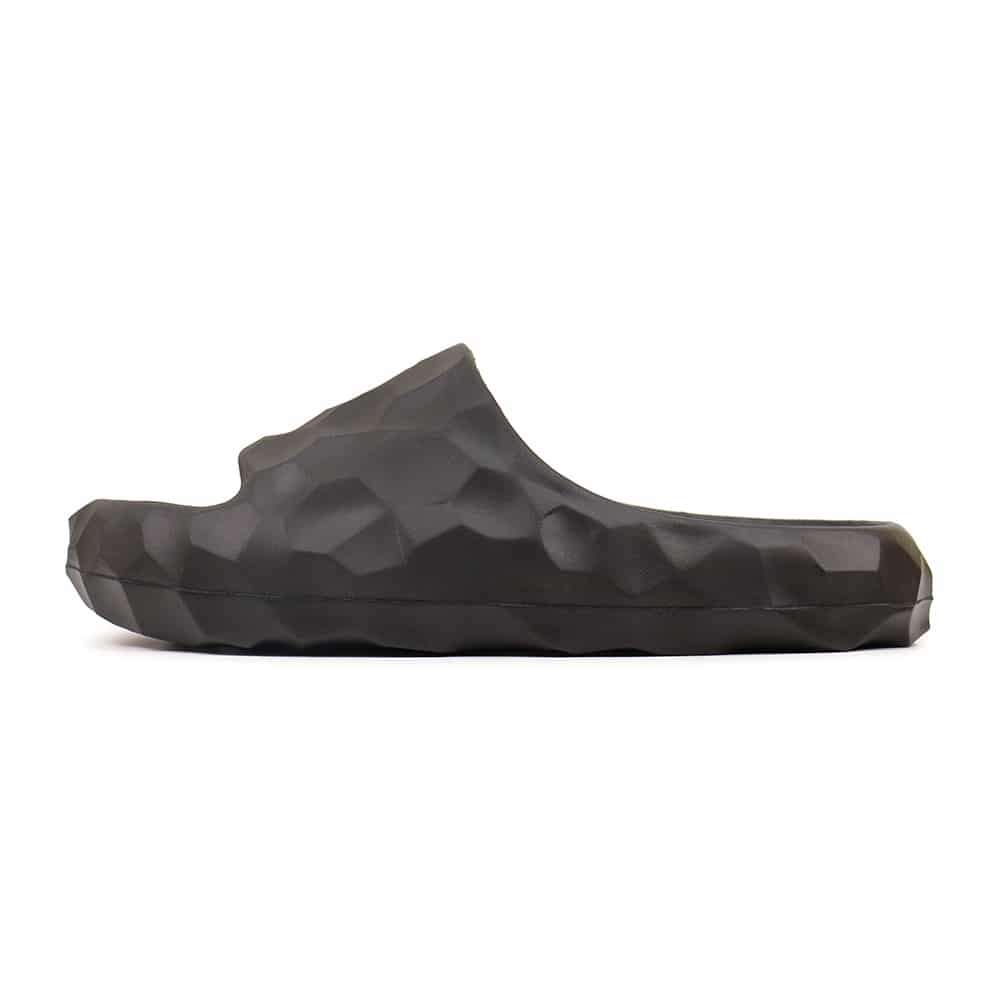
Start by Defining Your Business Needs
Before contacting a factory, you should first understand what kind of slippers you actually need. This sounds simple, but many sourcing problems start from unclear product requirements.
Product Type
Different slipper categories require different materials, molds, production methods, and quality standards. For example:
- Indoor slippers usually focus on comfort, softness, and design.
- Hotel slippers need clean packaging, consistent quality, and reasonable cost.
- Bath slippers need water resistance and anti-slip soles.
- EVA slippers often require mold development and color control.
- Plush slippers pay more attention to upper material, warmth, and sewing.
- Disposable slippers need low cost, hygiene, and bulk packing.
- Custom logo slippers require clear branding details.
When comparing suppliers online, some buyers may first contact a slippers manufacturer to understand available product categories, material choices, and possible customization options.
Order Volume and Sales Channel
Your sales channel also affects the type of factory you should work with.
A small online seller may need lower MOQ and faster sample testing. A wholesale distributor may care more about stable bulk supply and competitive pricing. A hotel or SPA buyer may value packaging, comfort, and repeat order consistency. A private label brand may need more support in design, logo, color matching, and material development.
In other words, the “right” slippers factory is not always the biggest one. It is the one that matches your current business stage.
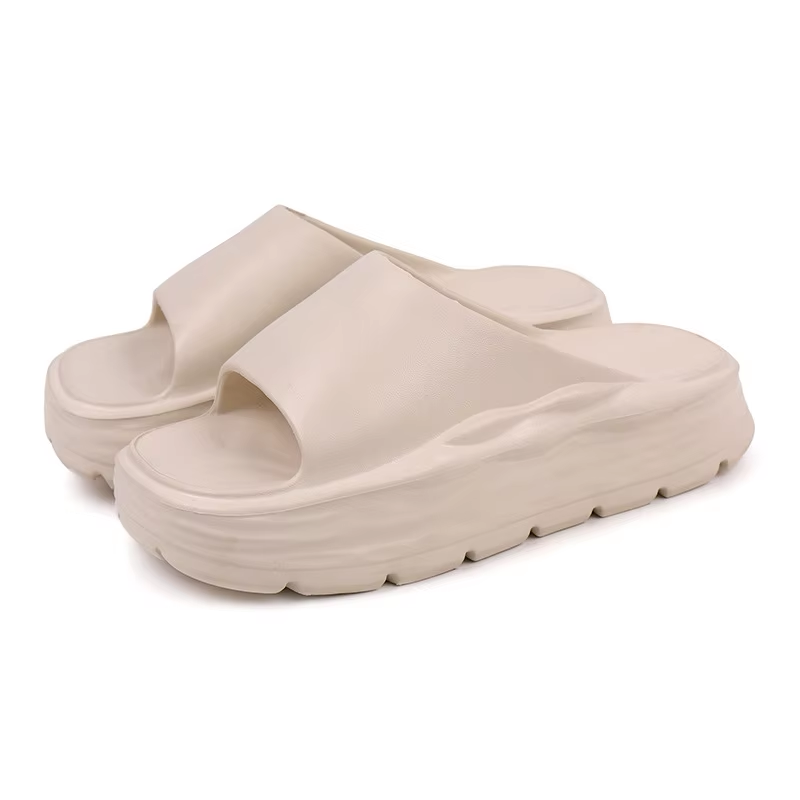
Factory, Trading Company, or Supplier: What Is the Difference?
When sourcing slippers, you may meet different types of suppliers. Some are real factories, some are trading companies, and some are manufacturers with their own export teams.
A factory usually has stronger control over production, materials, quality inspection, and delivery schedules. This is useful for long-term buyers or businesses that need custom products.
A trading company may offer more product variety and flexible sourcing, but it may not control production directly. This is not always bad, especially for small test orders, but buyers should understand who is actually making the product.
A manufacturer with export service can be a practical option for overseas buyers because it combines production ability with communication, documentation, and shipping support.
If your goal is to build a stable product line, not just buy one random batch, it is usually better to understand the supplier’s real production background.
Key Factors to Check Before Choosing a Slippers Factory
1. Product Specialization
Not every footwear supplier is good at slippers. Some factories mainly produce sneakers, sandals, boots, or casual shoes. A factory that focuses on slippers usually understands outsole molds, soft materials, anti-slip textures, seasonal order cycles, and packaging habits better.
For example, a hotel slipper supplier should know how to control cost while keeping the product clean and comfortable. A factory producing EVA slippers should understand mold costs, shrinkage, color difference, and sole thickness. A plush slipper factory should have stronger sewing and fabric handling experience.
This kind of specialization is not always obvious from a product catalog, so it is worth asking directly.
2. MOQ and Price Structure
MOQ is one of the most important points for business buyers. However, MOQ is not always as simple as “500 pairs.”
You may need to ask:
- Is the MOQ calculated by style?
- Is the MOQ calculated by color?
- Does each size have a minimum quantity?
- Is logo customization included in the MOQ?
- Is the packaging MOQ different from the product MOQ?
Low MOQ can be helpful for small businesses, but it usually means a higher unit price. Large orders may reduce cost, but they also increase inventory pressure. A practical approach is to start with a manageable order quantity and increase volume after testing the market.
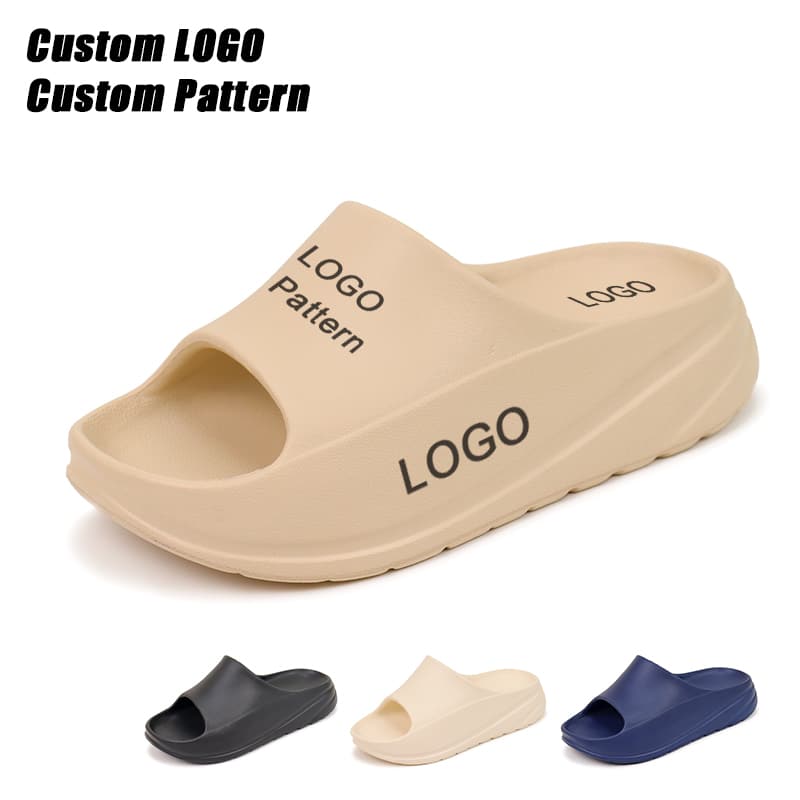
3. Sample Development
Samples are not just for looking at the design. They are used to confirm whether the product can meet your real selling or usage needs.
A good sample should help you check:
- Material softness
- Sole thickness
- Anti-slip effect
- Logo position
- Color accuracy
- Size fitting
- Packaging style
- Overall workmanship
For custom slippers, the sample stage is especially important. If the sample is not confirmed carefully, small mistakes can become large problems during bulk production.
4. Production Capacity and Lead Time
A reliable slippers factory should be able to explain its production capacity, sample timeline, bulk production schedule, and quality inspection process clearly.
Lead time may vary depending on the order size, season, material availability, and customization level. Standard slippers may be faster, while OEM or mold-based products usually need more time.
For business buyers, it is better to confirm the timeline in several parts:
- Sample production time
- Sample revision time, if needed
- Bulk production time
- Packaging and inspection time
- Shipping preparation time
This helps avoid misunderstandings, especially before peak seasons or promotional campaigns.
5. Quality Control Process
Quality control should not only happen after all slippers are finished. Ideally, it should happen at different production stages.
Important inspection points include:
- Upper material quality
- Stitching and trimming
- Glue bonding
- Sole flexibility
- Anti-slip texture
- Color consistency
- Logo printing or embroidery
- Size range accuracy
- Individual packaging
- Carton marks and packing quantity
For overseas buyers, clear photos, videos, inspection reports, or third-party inspections can reduce risk before shipment.
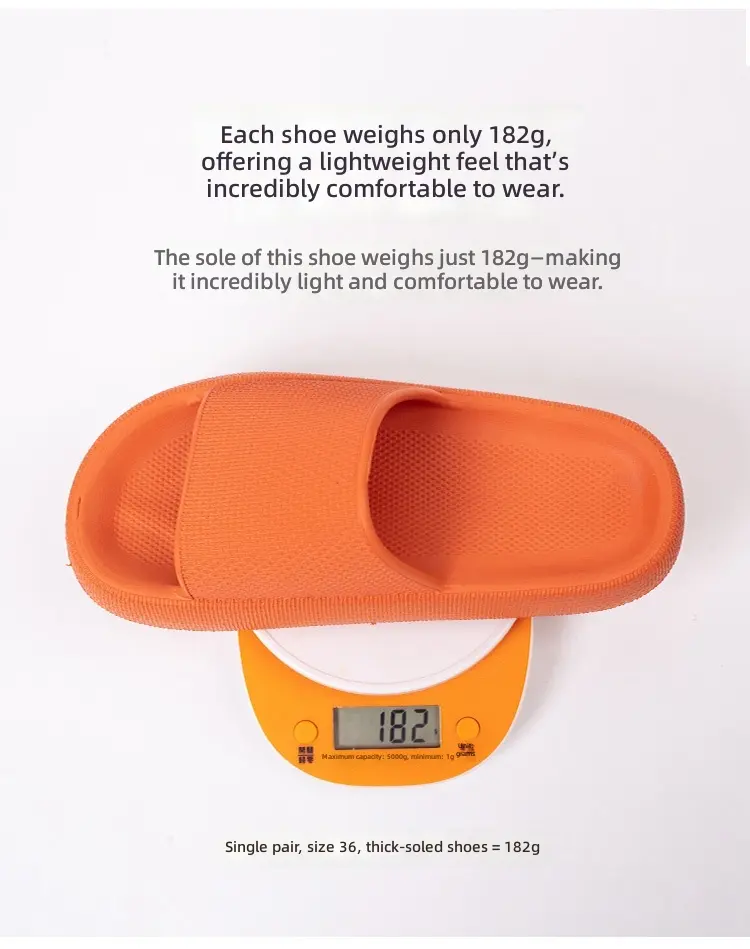
6. Export Experience and Communication
A factory with export experience usually understands documentation, labeling, packaging requirements, and international shipping better. This does not mean new factories cannot be good, but experienced suppliers usually communicate more smoothly.
Good communication is also a strong sign of reliability. If a supplier answers clearly, explains limitations honestly, and responds to technical questions patiently, cooperation is usually easier.
On the other hand, if every answer is vague, too fast, or only focused on pushing you to place an order, it may be worth slowing down.
Comparison Table: What Type of Slippers Factory Fits Your Business?
| Business Type | Main Need | Suitable Factory Type | Key Questions to Ask |
|---|---|---|---|
| Small online seller | Low MOQ, fast testing | Flexible supplier or small-batch factory | Can you support trial orders or mixed styles? |
| Wholesale distributor | Stable bulk supply | Factory with strong production capacity | What is your monthly production capacity? |
| Hotel / SPA buyer | Consistent quality and packaging | Factory experienced in hospitality slippers | Can you customize logo and individual packaging? |
| Private label brand | Custom design and branding | OEM / ODM slippers factory | Can you develop samples based on our design? |
| Promotional buyer | Low cost and simple customization | Factory with standard models | What is the lowest MOQ for logo printing? |
This table is not a strict rule, but it gives a useful direction. A small business does not always need the largest factory, and a large distributor should not choose a supplier only because the sample looks good. The factory should match the order model.
When Should You Choose OEM Slippers?
If your business needs special colors, materials, sole patterns, logo placement, or packaging, working with a factory that offers OEM slippers can be more suitable than buying ready-made stock styles.
OEM slippers are especially useful when you want to build a recognizable product line. For example, a brand may want its own color palette, custom label, specific outsole design, or branded box. A hotel group may want slippers that match its room style and guest experience.
However, OEM production also requires clearer preparation. You may need to provide:
- Design reference
- Logo file
- Material preference
- Size range
- Color code
- Packaging requirement
- Target order quantity
- Expected delivery time
Compared with stock slippers, OEM slippers may require a higher MOQ and longer sample development time. But for long-term brand building, this extra work is often worthwhile.
Questions to Ask a Slippers Factory Before Ordering
Before placing an order, it is useful to prepare a short but clear question list. This makes communication more efficient and helps you compare suppliers fairly.
Here are some practical questions:
- What is your MOQ per style, color, and size range?
- Can you provide samples before bulk production?
- What materials are available for the upper and sole?
- Can you customize logo, color, size, and packaging?
- What is the normal sample time?
- What is the bulk production lead time?
- Do you have experience exporting to my market?
- How do you inspect products before shipment?
- Can you provide product photos or production videos?
- What payment terms do you usually accept?
A professional factory should not mind these questions. In fact, clear questions usually make the cooperation smoother for both sides.
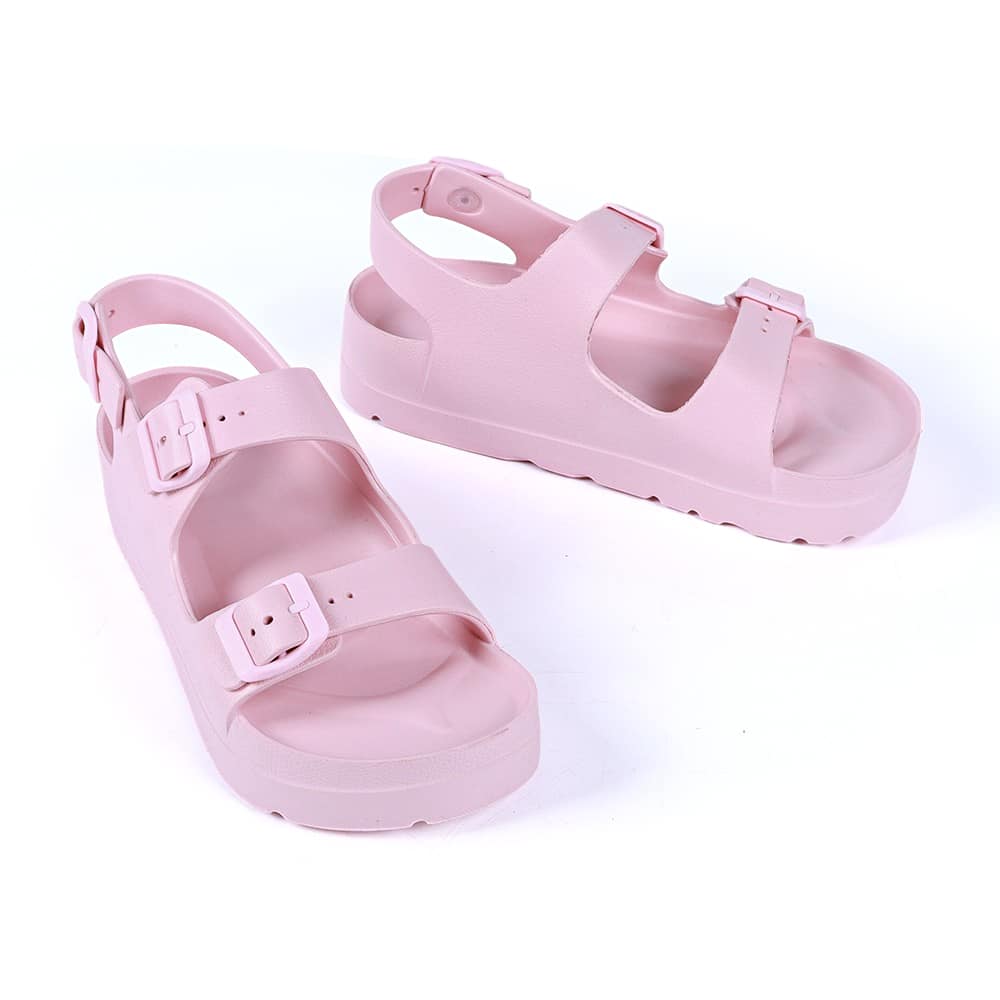
Common Mistakes to Avoid
Many sourcing mistakes are not caused by bad luck. They are caused by unclear confirmation before production.
Some common mistakes include:
- Choosing only by the lowest price
- Skipping the sample stage
- Not confirming packaging details
- Ignoring size distribution
- Forgetting to check MOQ by color
- Sending unclear logo artwork
- Changing requirements after production starts
- Not confirming carton quantity and labeling
- Assuming the supplier understands your target market automatically
A simple but useful rule is this: if a detail matters to your customer, confirm it before mass production.
Final Thoughts
Finding the right Slippers Factory takes more than browsing catalogs and comparing prices. A suitable factory should match your product type, business model, order volume, quality expectations, and customization needs.
For short-term orders, price and speed may be the main focus. But for long-term business, stable communication, quality control, sample development ability, and delivery reliability often matter more than a slightly lower unit cost.
The best supplier is not always the cheapest one. It is the one that can help your slippers business grow with fewer surprises.
FAQ
Can a small business work with a slippers factory?
Yes, a small business can work with a slippers factory, but it should look for suppliers that support flexible MOQ, standard model customization, or trial orders. For new sellers, it is usually safer to start with existing slipper styles, add a simple logo or packaging, and test the market before developing a fully custom product.
What information should I prepare before contacting a slippers factory?
You should prepare the slipper type, target material, estimated quantity, size range, logo file, packaging idea, target market, and expected budget. Even if you do not have a complete technical file, clear reference photos and simple specifications can help the factory understand your needs faster.
Is it better to buy stock slippers or custom slippers?
Stock slippers are better for quick testing, small orders, or low-risk purchasing. Custom slippers are better for private label brands, hotel projects, promotional campaigns, and businesses that want stronger product differentiation. The better choice depends on your timeline, budget, and branding goals.