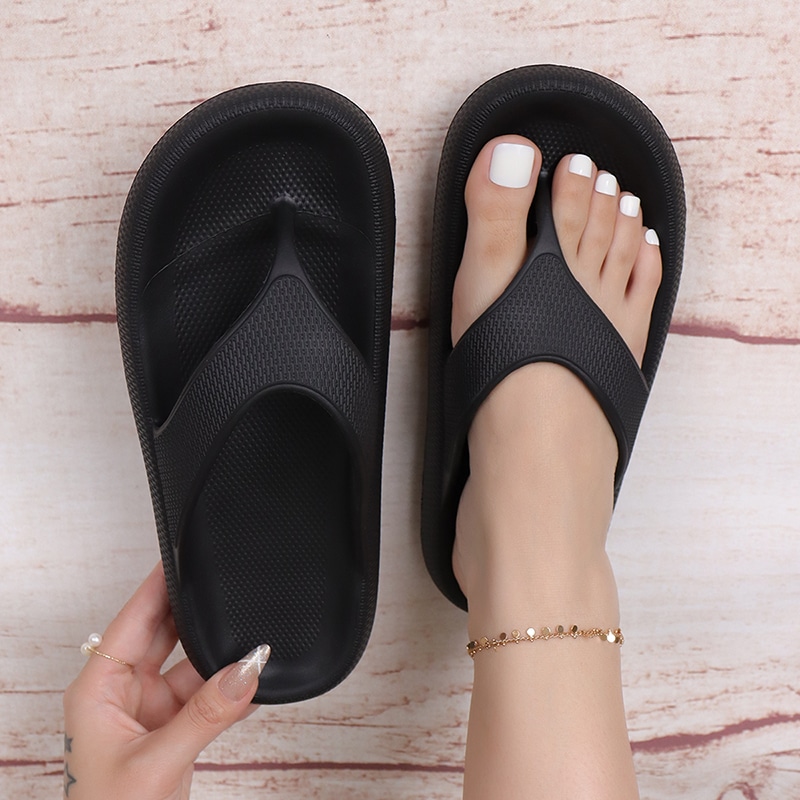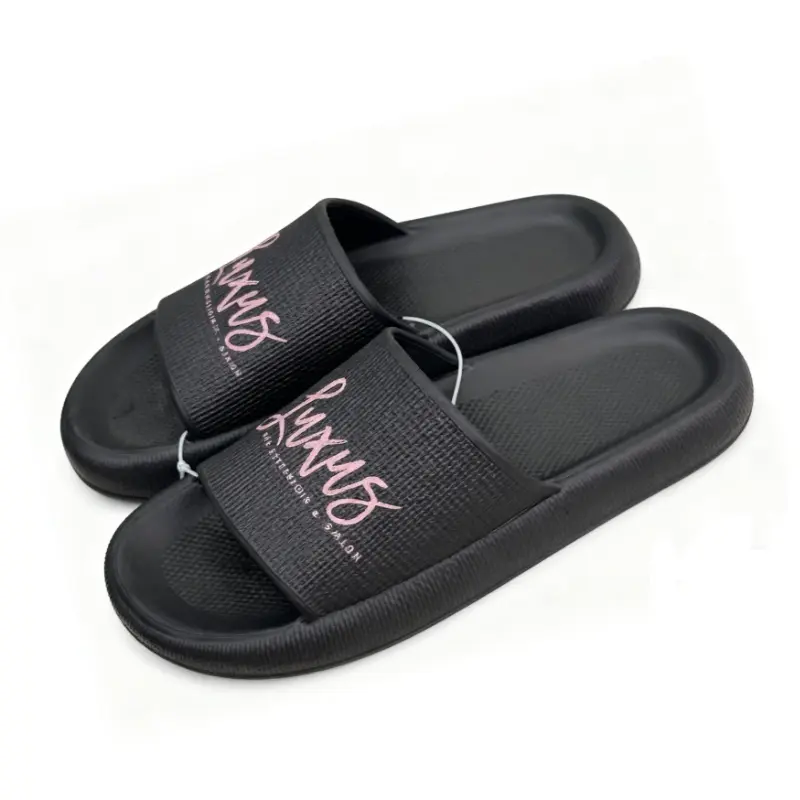
Hotel slippers are one of the first amenities a guest physically touches after walking into the room, and they are one of the smallest line items in an amenities budget. That combination of high guest visibility and low unit cost is exactly why the question of disposable vs reusable hotel slippers deserves more attention than it usually gets. The choice affects housekeeping workflow, laundry planning, annual amenity spend, guest perception of the property, and how much waste the building produces each year. It also shapes what you can realistically order from a slippers manufacturer and how much flexibility you have on materials, sizing, and customization.
Neither option is universally better, and the right answer depends on your property type, room turnover, and laundry capacity. Disposable slippers suit budget hotels, high-turnover properties, and settings where simple housekeeping and visible single-use hygiene matter most. Reusable slippers deliver a lower cost per use, superior comfort, and stronger branding for luxury, boutique, spa, and extended-stay properties that already run commercial laundry. Many mid-scale and upscale hotels ultimately adopt a hybrid program that combines both.
The comparison below walks through definitions, costs, hygiene, foot health, sustainability, and property fit so you can make the decision with a complete picture.
What Are Disposable and Reusable Hotel Slippers?
Hotel slippers come in two distinct product categories with different materials, construction, and lifecycles: disposable slippers are single-use items replaced after every guest, while reusable slippers are durably constructed footwear designed to survive repeated commercial laundering across dozens of guests. Not all hotel slippers are disposable, and the share of reusable programs has been growing as sustainability expectations rise.
Disposable Hotel Slippers
A disposable hotel slipper is built for one stay. It typically uses a non-woven polypropylene or thin EVA sole with a light fabric or foam upper, comes in a single one-size-fits-most cut, and arrives individually wrapped in a sealed plastic or paper sleeve. After checkout, housekeeping discards the pair and places a fresh one for the next guest. The sealed wrapping does double duty: it protects the slipper before use and signals to the guest that nobody has worn it before.
Reusable Hotel Slippers
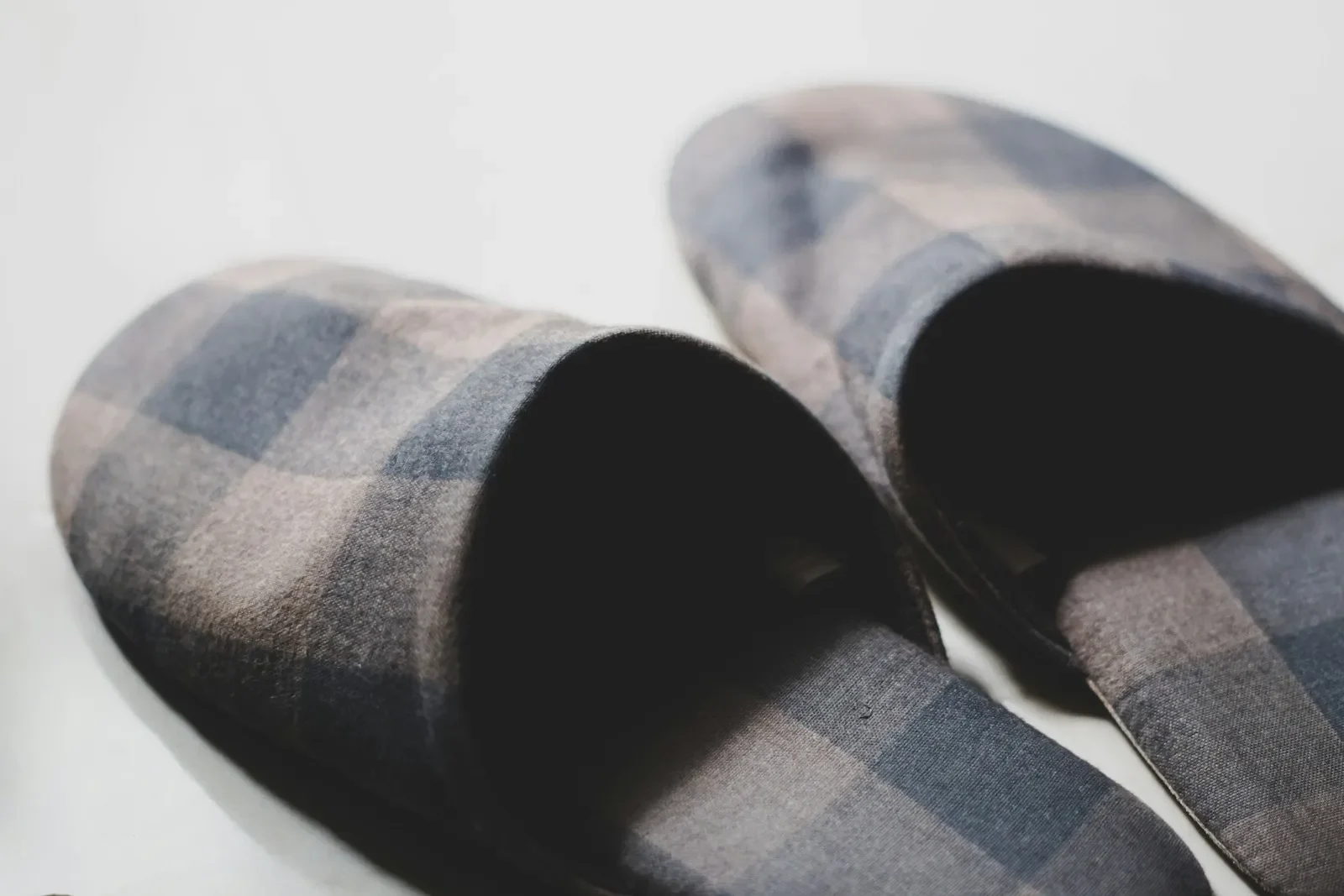
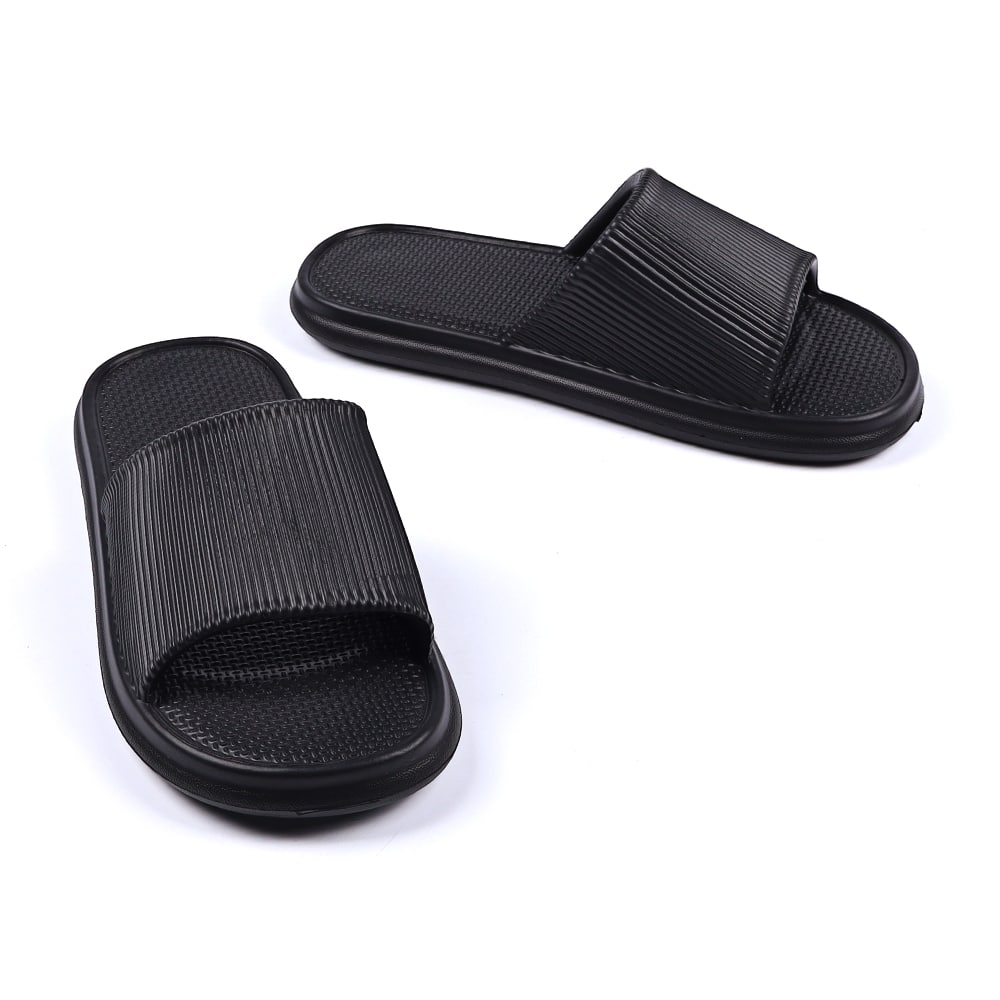
A reusable hotel slipper is constructed like a small garment. Terry cloth, waffle weave, velour, or microfiber uppers are stitched to a durable rubber or EVA outsole, and the slipper is sized in two or three real sizes rather than a single universal cut. After checkout the pair is collected, laundered at commercial temperatures, inspected, and returned to room inventory. A well-made reusable slipper withstands roughly 30 to 50 wash cycles before it is retired, which is why How Long Do Slippers Last is a question worth answering before you commit to a par stock level.
Disposable vs Reusable Hotel Slippers: Side-by-Side Comparison
The two systems differ across seven practical dimensions, and the trade-offs are consistent across the market: disposables win on upfront cost and housekeeping simplicity, while reusables win on cost per use, comfort, waste reduction, and branding. The table below summarizes the differences that matter most to a purchasing decision.
| Dimension | Disposable Slippers | Reusable Slippers |
| Cost per pair | USD 0.30 to 1.50 wholesale | USD 3 to 12 depending on material |
| Cost per use | Same as cost per pair | Roughly USD 0.03 to 0.15 including laundry |
| Lifespan | One guest stay | 30 to 50 wash cycles |
| Hygiene handling | Sealed wrap, replaced each stay | Commercially laundered between stays |
| Comfort level | Basic to moderate | High, with cushioned soles and real sizing |
| Housekeeping labor | Low, replace only | Moderate, wash, inspect, and restock |
| Waste per room | One discarded pair per stay | One pair per 30 to 50 stays |
Cost per Pair vs Cost per Use
Judging by unit price alone, disposables always look cheaper, and that judgment is wrong at scale. Consider a 200-room hotel running at 80 percent occupancy. Replacing a disposable pair for every stay consumes roughly 4,800 to 6,000 pairs per month, which at USD 1 per pair becomes USD 60,000 or more per year of slippers that leave the building as waste.
A reusable program replaces that recurring purchase with a one-time inventory investment plus laundry costs. Outfitting the same hotel at three pairs per room means about 600 pairs, replaced a few times per year as older pairs are retired. Factoring in washing, drying, and inspection labor, most properties in this range spend USD 1,500 to 4,000 per year on the reusable system, and the initial inventory typically pays for itself within 12 to 18 months. The higher the room rate and the longer the average stay, the faster that payback arrives, because fewer guests pass through each room per year.

Hygiene: Do Hotels Reuse Hotel Slippers?
Hotels do reuse reusable slippers, but only after a full commercial laundering cycle between guests, and a pair is never passed from one occupied room to another without being washed and inspected first. Disposable slippers are never reused, they are binned at checkout.
The hygiene question is the most common objection to reusable programs, and it deserves a direct answer. Reusable slippers made from terry cloth, waffle, or microfiber are washed at 60 to 90 degrees Celsius, the same temperature range used for hotel sheets and bath towels. Those temperatures are the hospitality standard for sanitizing linens, so a property with an existing commercial laundry is already equipped for the process.
It also helps to separate perception from practice. A sealed plastic wrapper looks hygienic, but the wrapper itself adds packaging waste and does not make the slipper inside any cleaner than a properly laundered reusable pair. What matters is a documented process guests can trust and staff can execute consistently.
Laundry and Inspection Workflow
- Collection. Housekeeping gathers used pairs at checkout and bags them separately from general linen.
- Washing. Pairs are laundered at 60 to 90 degrees Celsius with standard commercial detergent.
- Drying. Slippers are air-dried or tumble-dried at low heat to protect soles and adhesives.
- Inspection. Each pair is checked for pilling, sole separation, elastic failure, and odor. Any failed pair is retired.
- Restocking. Approved pairs return to room inventory, with par stock rotated so no pair is overused.
Comfort and Foot Health: What Do Podiatrists Recommend for Slippers?
Podiatrists consistently recommend slippers with structured arch support, a snug or closed heel, a firm but cushioned sole, and a non-slip outsole, and they caution against flat, flimsy, backless styles for anything beyond brief wear.
Foot health is where the material gap between the two categories becomes physical. A thin disposable slipper with a flat foam sole offers no arch contour and almost no shock absorption. Guests who wear it for a long evening on a hard hotel floor experience the same unsupported mechanics podiatrists warn about at home, including strain on the plantar fascia. According to guidance from the American Podiatric Medical Association, supportive footwear matters whenever a person spends extended time on hard surfaces, and indoor footwear is no exception.
Reusable slippers are structurally closer to what foot health professionals want. The cushioned sole, defined sizing, and stitched construction of a terry or waffle slipper hold their shape under repeated use, and the thicker outsole provides genuine grip on tiled bathroom floors, which is also a slip-and-fall safety issue for hotels. Properties that want to go further on guest comfort can look at a podiatrist-recommended slippers checklist before specifying materials and sole construction for a custom order.
Environmental Impact and Sustainability
Reusable slippers generate dramatically less waste because one pair replaces 30 to 50 disposable pairs, while disposable programs send thousands of wrapped slippers to landfill each year, a burden that single-use plastics regulation is making harder to ignore.
The waste math is straightforward. A 200-room hotel at high occupancy discards well over 50,000 disposable slippers per year, most of them non-woven polypropylene or EVA that is not biodegradable, each one inside additional plastic packaging. A reusable program serving the same rooms retires only a few hundred pairs annually.
Regulation is moving in one direction. The European Commission’s single-use plastics framework has already restricted a range of single-use plastic products across the EU, and hospitality buyers increasingly factor ESG reporting and green certification goals into amenity decisions. Reusable slippers cut plastic waste at the source, which supports those certifications far more credibly than a marketing claim.
That said, reusables are not impact-free. Washing consumes water, electricity, and detergent, so the environmental benefit depends on efficient laundry operations. The honest comparison is one laundered pair versus dozens of manufactured, wrapped, shipped, and discarded ones, and the reusable side wins that comparison comfortably.
Which Type Suits Your Property?
Choose disposable slippers when turnover is fast, laundry capacity is limited, and the room rate does not support a premium amenity, and choose reusable slippers when the property positions itself on comfort, wellness, or sustainability and can absorb the inventory investment and laundering workflow. Many properties blend both.
When Disposable Slippers Make Sense
Budget hotels, economy chains, airport hotels, motels, and short-stay business properties benefit most from disposables. Room turnover is fast, guests often stay a single night, and the sealed-wrap hygiene signal matters to travelers who want visible proof of cleanliness. Housekeeping stays simple, there is no laundry dependency, and procurement scales up or down with seasonal demand. Medical and clinical lodging settings often default to single-use for the same reason.
When Reusable Slippers Pay Off
Luxury hotels, boutique properties, resorts, extended-stay hotels, and spas get the most from reusables. The slipper feels like part of the room design rather than a wrapped afterthought, which lifts perceived room quality. There is also a branding effect that disposables cannot match. Guests are generally expected to leave behind linen and robes, but slippers sit in a middle zone, and at many properties guests are welcome to take the pair home. When a guest keeps wearing a comfortable slipper with your logo after checkout, the amenity keeps advertising the stay long after the folio is settled. Properties outfitting spa or wellness areas can extend the same logic with wholesale spa slippers specified for wet areas and shared facilities.
Hybrid Programs
A practical middle path used by many mid-scale and upscale hotels is to place disposables in standard rooms and reusables in suites, club floors, spa areas, and long-stay units. This captures the cost discipline of disposables where guests least notice the difference and the comfort and branding upside where it counts most, without forcing an all-or-nothing laundry commitment.
Frequently Asked Questions
Can disposable hotel slippers be recycled?
In practice, rarely. Non-woven polypropylene uppers and EVA soles are technically polymer materials, but they are light, mixed, and often contaminated after use, so most municipal recycling streams reject them. Hotels that want a lower-impact disposable can specify biodegradable or recycled-content materials, but the waste volume only truly drops by switching to reusable programs.
What slipper sizes should a hotel stock?
Disposable programs usually use a single universal size or a two-size range, which keeps stock simple but fits poorly at the extremes. Reusable programs work best with two or three real sizes, typically Medium and Large, based on the property’s guest profile. Tracking which size runs out first over a few months tells you more about your guests than any generic chart.
Do reusable hotel slippers need special laundry equipment?
No special equipment is required. Standard commercial washers and dryers handle terry, waffle, and microfiber slippers at linen temperatures. What the program does need is process discipline: a par stock of roughly two to three pairs per room to cover laundry cycles, a collection routine at checkout, and an inspection step that retires worn pairs before guests see them.