Footwear brands lose time and money every time a sample comes back wrong. A vague brief forces the factory to guess at materials, dimensions, and construction methods, and every round of guessing adds weeks to the development calendar and unplanned sample fees to the budget. In footwear manufacturing, where a single style can involve dozens of components, the cost of miscommunication is higher than in almost any other soft goods category.
A footwear tech pack is prepared by compiling one structured document that defines your style profile, technical sketches, construction details, bill of materials, last and outsole specifications, measurement and grading rules, colorways, branding, packaging, costing, and quality requirements. Build it in a logical order: define the product first, specify every material and dimension, then add commercial and compliance details. A complete tech pack gives the factory everything it needs to quote accurately and produce a right-first-time sample.
The sections below explain what a footwear tech pack is, what it must include, and how to prepare one step by step.
What Is a Footwear Tech Pack?
A footwear tech pack is the technical specification document a brand sends to a footwear factory so the factory can quote, sample, and manufacture the shoe exactly as designed. It translates design intent into measurable, buildable instructions.
The tech pack serves four practical purposes. It is the basis for the factory’s price quotation, because costing teams estimate labor and materials directly from its pages. It is the instruction set for the sample room, where pattern makers and technicians build the first prototype. It is the reference document when questions or disputes arise during production, because both sides can check what was actually specified. Finally, it is the benchmark for quality control, since inspectors compare finished goods against the approved specifications.
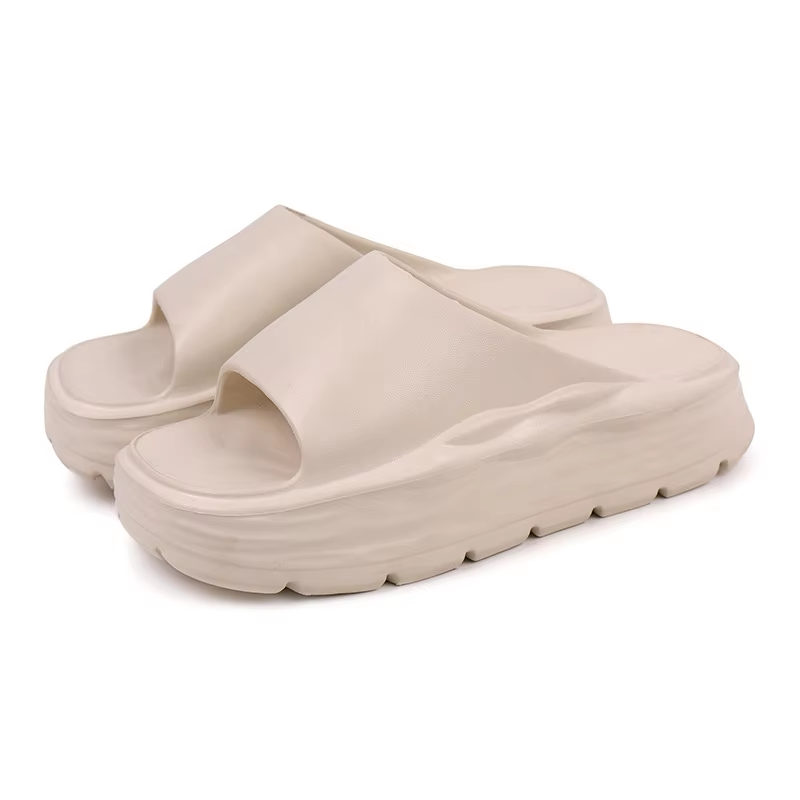
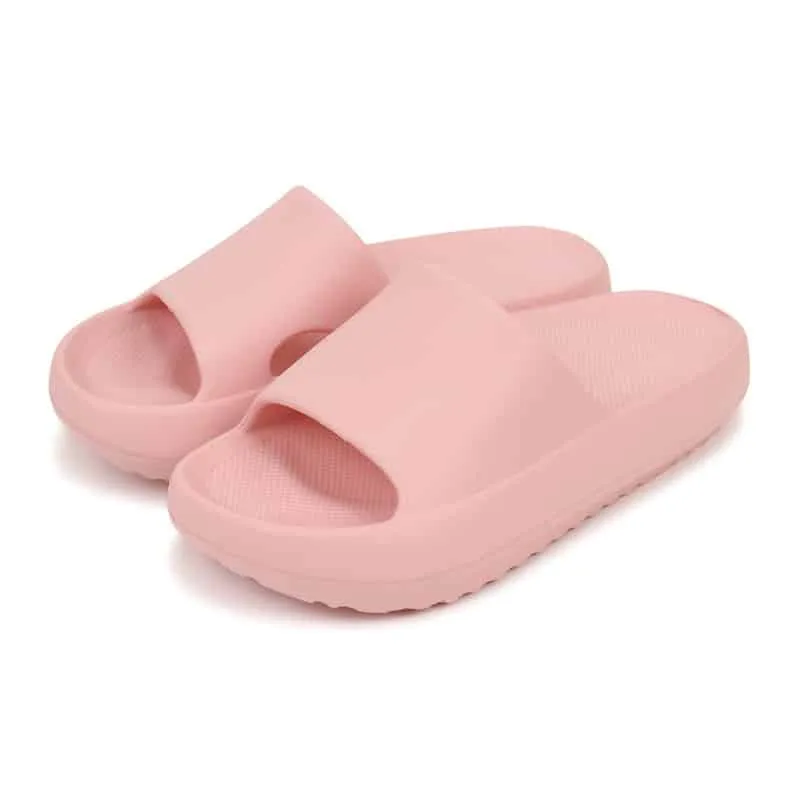
Because of this, the tech pack is not a single-department document. Designers, product developers, merchandisers, pattern makers, and quality planners all work from it, and it is usually revised several times as samples are reviewed and approved. Whether you are developing performance sneakers or partnering with a slippers manufacturer on casual styles, the tech pack functions as the single source of truth for the entire project.
What Should a Footwear Tech Pack Include?
A complete footwear tech pack includes a style profile, technical sketches, construction details, a bill of materials, last and outsole specifications, a measurement spec sheet with grading rules, colorways, branding and packaging details, a costing sheet, and quality and compliance requirements.
The table below summarizes the core components and what each one defines:
| Component | What It Defines |
| Style profile | Style name and number, category, intended use, target market |
| Technical sketches | Multi-view drawings of every design detail, with callouts |
| Construction details | Assembly method, stitch types and density, reinforcements |
| Bill of materials (BOM) | Every material and component, with full specifications |
| Last and outsole specs | Mold shape and fit, sole materials, tread, and tooling |
| Measurement spec sheet | Point-of-measure dimensions and tolerances per size |
| Colorways | Color reference codes mapped to each shoe part |
| Branding and packaging | Logo placement and method, labels, box and carton specs |
| Costing sheet | Itemized cost per pair across the full size run |
| Quality and compliance | Inspection standard, AQL level, market regulations |
Depth matters more than page count: a short tech pack with precise specifications outperforms a thick file of general descriptions, because every vague line item becomes a question the factory must ask, or a guess it makes on your behalf.
How to Prepare a Footwear Tech Pack Step by Step
The most reliable way to prepare a footwear tech pack is to work through six steps in order: define the style profile and size range, prepare technical sketches and construction details, build the bill of materials, specify lasts and outsoles, complete measurements and colorways, and add costing, quality, and compliance requirements.
Step 1: Define the Style Profile, Size Range, and Sample Size
Start with the basics that frame every later decision. Record the style name and style number, the product category, and the intended use, such as trail running, casual wear, or indoor comfort. State the target market and price positioning, because these influence material grades later.
Then define sizing. Specify the size system you will sell in, whether US, UK, EU, or centimeter-based, the full size run, any half sizes, and width options if relevant. Choose a sample size for the first prototype. Factories usually sample in a middle size, commonly men’s US 9 or women’s US 7, and produce a full size set only after the sample size is approved. Making these decisions explicit prevents one of the most common and costly errors in footwear development: ambiguity about which sizing standard applies.
Step 2: Prepare Technical Sketches and Construction Details
Technical sketches are the visual foundation of the tech pack. Include a side view, top view, rear view, and a bottom view of the sole, so every visible component is drawn from at least one angle. Use clean black-and-white vector line drawings rather than shaded renders, and annotate them with numbered callouts and arrows that point to stitch lines, panel seams, overlays, and hardware positions.
Construction details deserve the same precision. State the assembly method, because cemented, vulcanized, injection-molded, and Strobel constructions each produce a different shoe at a different cost, as explained in this overview of shoemaking construction methods. Specify thread color and stitch density, reinforcement placements such as toe puffs and heel counters, and closure details like eyelet counts or zipper specifications.
A useful rule from factory floors: keep written instructions short and visual. A zoomed-in drawing with the note “fold 5 mm inward and double stitch” communicates across language barriers far better than a three-sentence paragraph.
Step 3: Build a Detailed Bill of Materials
The bill of materials is the complete list of every item required to build one pair of shoes, and it is where specificity pays for itself. Never write just “leather upper” or “mesh.” Instead, define each line item with its material type, composition, thickness or weight, finish, and color reference code. For example, a synthetic upper might be specified by thickness and backing type, a midsole foam by compound and density, and an outsole rubber by hardness rating.
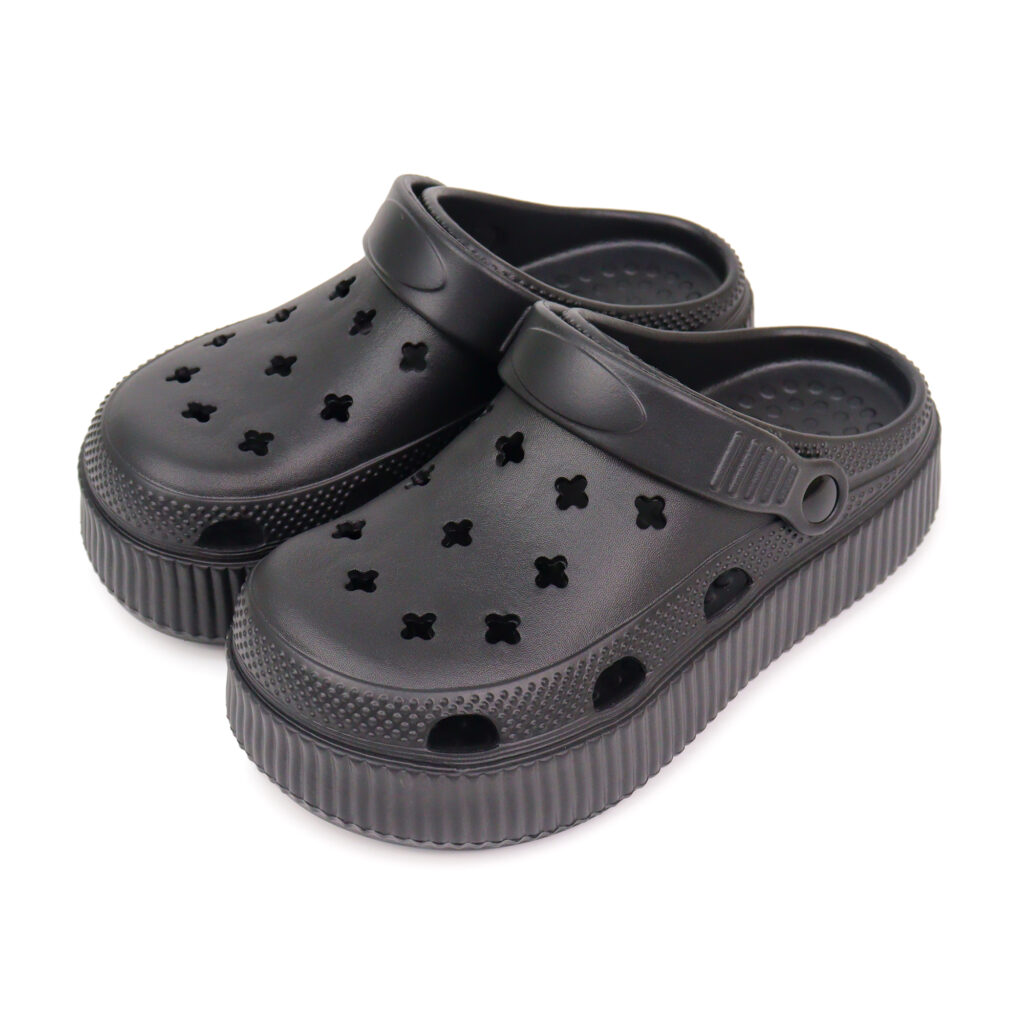
Cover all layers of the product: upper materials, lining, insole and insole board, midsole, outsole, heel components, hardware, laces, threads, adhesives, and internal supports such as shanks. Add supplier names and reference codes where you have them, since this speeds up reordering and keeps substitutions visible. Attaching clear photographs of physical material swatches also helps the factory match hand and color exactly. Brands running EVA clogs wholesale programs should apply the same discipline to molded styles, listing compound grade, hardness, and color for every injected part rather than leaving the factory to choose a default material.
Step 4: Specify Lasts, Molds, and Outsole Requirements
The last is the foot-shaped mold the shoe is built around, and it determines both the shape and the fit of the finished product. State clearly whether you are using the factory’s existing last, which saves tooling cost and development time, or paying to develop a custom last, which gives you a proprietary fit. Clarify the same point for outsole tooling: brands that need exclusive designs typically move toward private mold slippers, where the mold is dedicated to their styles rather than shared across the factory’s other customers.
For the outsole, specify the material, such as EVA, rubber, TPR, or TPU, based on your target price and performance needs. Define tread depth, flex groove positions, and any performance requirements such as grip or abrasion resistance. If you are designing a fully custom sole, plan to provide a separate 3D CAD file for the mold maker, since the outsole drawing in the tech pack alone is not sufficient to cut tooling.
Step 5: Complete Measurements, Colorways, and Branding
The measurement spec sheet combines annotated sketches with a dimensions table. Number each point of measure on the sketch, then list the corresponding dimension, tolerance, and grading increment in the table. Key measurements for most footwear styles include sole length, full shoe height, heel height, shoe width, and opening length. Tolerances matter as much as the targets, because they define what the factory is allowed to deliver. Grading rules tell the pattern maker how each dimension changes between sizes.
For colorways, map a standardized color reference code to every panel of the shoe, using the color matching system your factory works with, and request lab dips for approval where colors are critical. Screens render colors differently on every monitor, so coded references and physical standards remove ambiguity.
Branding should be specified with the same rigor. Provide logo artwork files, exact placement with measurements from a fixed reference point, the application method such as printing, embroidery, molding, or debossing, and the approved color. Do the same for woven labels, size tags, and printed insoles, since artwork left to the factory’s discretion is a frequent source of rework.
Step 6: Add Costing, Quality, and Compliance Specifications
The costing sheet itemizes the cost of one pair: labor, every material drawn from the BOM, trims, labels, packaging, and factory overhead. Unit cost falls as order quantity rises, so model at least two volume scenarios before committing to a production run.
Quality requirements should be defined before production, not after. Set the inspection standard and the acceptable quality limit (AQL) for the final inspection, and define the confirmation gates between you and the factory: tech pack review, first sample, feedback, revised sample, and pre-production sign-off. If you are unsure what to inspect, a practical slipper quality control checklist covers the checkpoints most factories apply before shipment.
Compliance depends on your sales markets. Footwear sold in the EU must meet the REACH regulation on chemical substances, as described by the European Chemicals Agency. Other markets impose their own labeling and chemical requirements, so list the applicable standards in the tech pack and confirm the factory can meet them.
Common Mistakes to Avoid When Preparing a Tech Pack
Most tech pack failures come from vague specifications rather than missing sections, so review your draft specifically for ambiguity before sending it.
The gaps below cause the majority of extra sample rounds and surprise costs:
- Vague materials: “soft foam midsole” instead of a compound and density
- No stated construction method, leaving the factory to choose
- Measurements without tolerances, so nothing is technically out of spec
- Logo and label details left to the factory’s discretion
- No inspection standard or AQL level agreed before bulk production
- Packaging omitted, even though box and carton specs affect shipping cost
- Old versions circulating after revisions, so the sample room works from outdated pages
Each of these is a question the factory would otherwise have to guess, so removing them shortens the sampling cycle and makes competing quotes comparable.
What Happens After You Send the Tech Pack to the Factory
After the factory receives your tech pack, it reviews the specifications, returns a quotation, and starts the sampling cycle, with the tech pack revised and re-approved at each stage until production is authorized.
A typical development flow looks like this:
- Tech pack review and quotation, usually within a few days
- First prototype sample, typically two to three weeks
- Your feedback and consolidated revisions, ideally within a week
- Revised sample, one to two weeks depending on changes
- Size set approval once the sample size is confirmed
- Pre-production sign-off, where the final tech pack version and the approved sample together become the bulk production standard
Version control is critical during this cycle. Date and number every revision, keep each version on file, and compare versions when reviewing samples so you can see exactly what changed and when. Retain the final approved physical sample, often called the golden sample, as the binding reference alongside the last tech pack version.
FAQs
What software is used to create footwear tech packs?
Most tech packs are drawn in vector design software for the 2D technical sketches, with the BOM, measurements, and costing built in spreadsheet software, then combined into a single PDF for the factory. The output matters more than the tool: clean line drawings and unambiguous tables in one consolidated file.
Can I send a reference shoe instead of a complete tech pack?
A physical reference shoe is highly recommended and saves time on shape and fit development, but it does not replace a tech pack. The factory still needs your dimensions, material specifications, color references, tolerances, branding, and packaging instructions to quote accurately and to build your design rather than a copy of the reference.
How much does it cost to have a footwear tech pack created?
Costs vary widely with complexity. Simple single-material styles cost far less to specify than performance footwear with custom tooling, multiple densities, and branded trims. Many brands reduce the expense by working with a manufacturer that offers development support, building the tech pack collaboratively from a reference sample, annotated sketches, and a target specification.