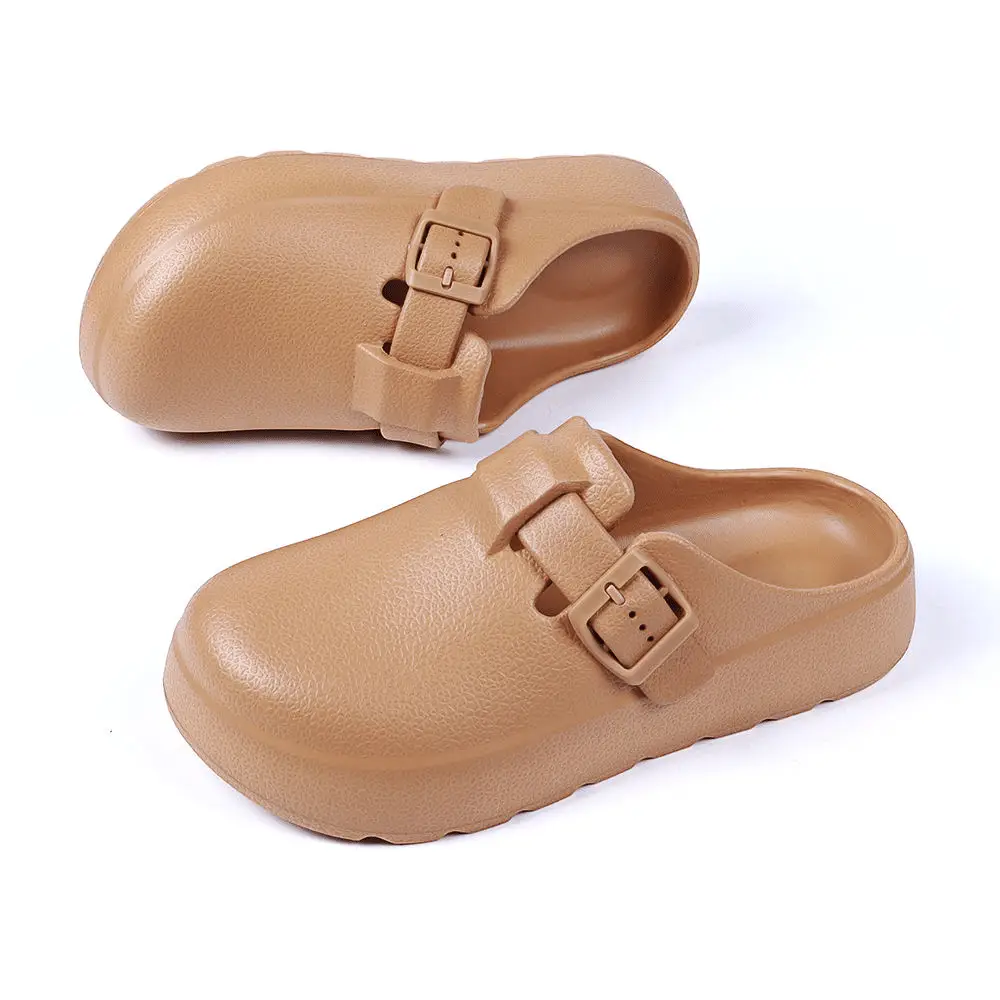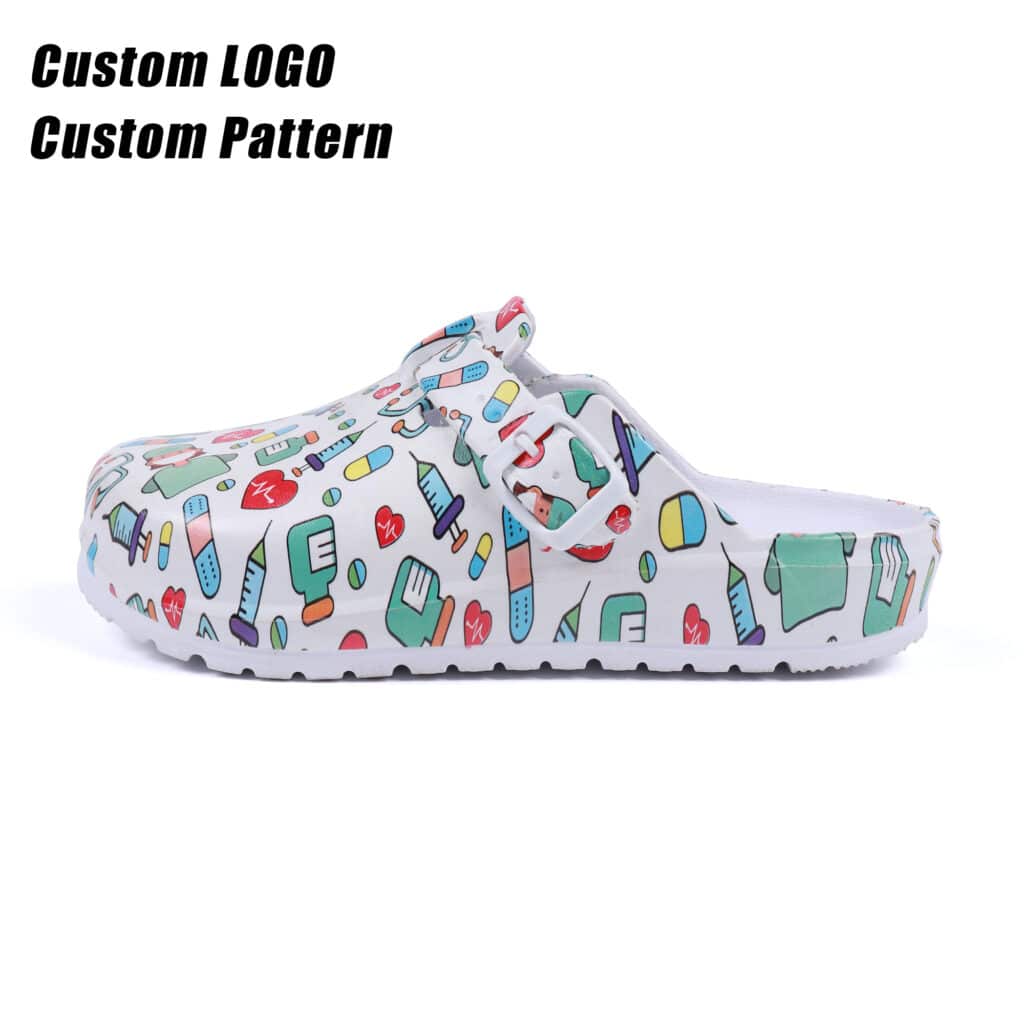
What EVA Is and Why It’s Used in Clogs
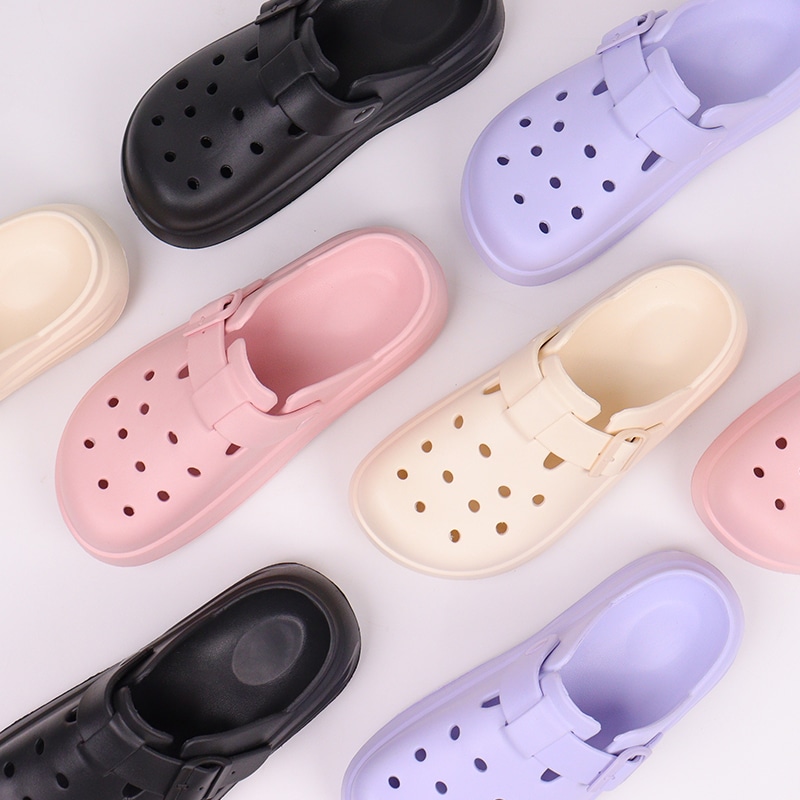
EVA stands for ethylene-vinyl acetate, a foam-like material widely used in footwear. It has a soft, springy feel and can be molded into a wide range of shapes. That flexibility is one of the reasons EVA clogs are so common in casual, work, and summer footwear collections.
Why EVA is popular in footwear
EVA is used so often because it offers a practical balance of comfort and function:
- lightweight construction
- cushioned feel underfoot
- water-friendly and easy to rinse
- affordable to produce at scale
- easy to shape into many clog styles
That combination makes it a strong choice for relaxed everyday shoes. It also explains why buyers often look for different style ranges—whether it’s women’s Eva clogs for casual outings, men’s EVA clogs for workwear or weekend comfort, or other seasonal clog categories that suit varying needs and preferences.
Do EVA Clogs Shrink in the Sun?
Strictly speaking, sunlight does not usually make EVA “shrink” like fabric in a dryer might. What happens is a bit more nuanced. When EVA heats up, it softens. If the shoe is then exposed to pressure, or if it cools while misshapen, the result can look like shrinkage.
A pair left on a porch, by a window, or on a sun-baked surface may come back looking slightly different. The upper walls can flatten, the footbed can lose some volume, and the opening may feel narrower. So while the word shrink is widely used, the more accurate term is often heat deformation.
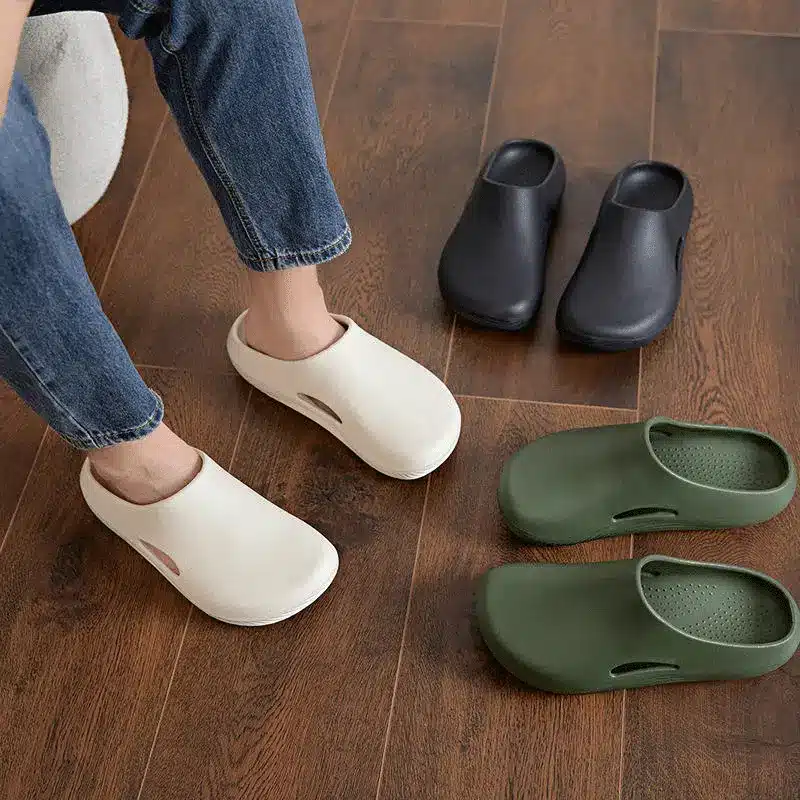
Shrinkage vs. warping
It helps to separate the two ideas:
| Situation | What usually happens | Is it true shrinkage? |
|---|---|---|
| Short sun exposure | Material softens briefly | Usually no |
| Long sun exposure | Shape may change slightly | More like warping |
| Heat + pressure | Footbed or walls collapse | Not true shrinkage, but permanent deformation |
| Cooling after bending | Shape stays altered | Permanent change is possible |
Some users notice that one shoe seems tighter than the other after being left outside. That’s often because the foam compressed unevenly rather than shrinking evenly across the whole clog.
Common signs of sun damage
- flatter footbed
- bent side walls
- tighter opening
- uneven shape between left and right shoes
- less springiness underfoot
What Happens in a Hot Car?
A hot car is usually a bigger risk than sunlight alone. Parked vehicles heat up quickly, and the interior temperature can rise far beyond the outdoor temperature. According to the U.S. National Weather Service, car interiors can become dangerously hot within minutes, even when the outside air does not feel extreme. That kind of heat is more than enough to affect foam materials.
Inside a car, EVA clogs may sit on a dashboard, in a trunk, or on a seat under direct sunlight. If they are pressed against another object, stacked under luggage, or packed tightly in a bag, the softened foam can deform more easily.
Why parked cars are especially problematic
A parked vehicle creates a greenhouse effect. Sunlight enters through the windows, heats up surfaces, and the heat becomes trapped. Dark interiors, black dashboards, and closed windows only make the situation worse. The result is a small enclosed oven for foam footwear.
The CDC also notes how quickly vehicle interiors can become unsafe in hot conditions, which gives a good sense of how intense the environment can be. While that guidance is often discussed in the context of child safety, the same heat buildup is relevant to shoes, plastic parts, and packaged products.
| Exposure type | Heat level | Risk to EVA clogs | Common result |
|---|---|---|---|
| Direct sun outdoors | Moderate to high | Medium | Softening, light warping |
| Shaded outdoor storage | Lower | Low to medium | Minimal effect |
| Hot parked car | Very high | High | Collapsed walls, bent shape |
| Hot car + pressure | Very high | Very high | Permanent deformation |
Factors That Make EVA Clogs More Likely to Warp
Not all EVA clogs react the same way. Some hold shape better than others, especially if they are denser or more structured.
Material and design variables
A few product details can affect heat resistance:
- EVA density
- thickness of the sole and side walls
- overall clog structure
- presence of added reinforcements
- darker color finishes
Thicker, denser clogs tend to resist deformation better than very soft, ultra-light styles. Dark colors also absorb more heat, which can push surface temperatures higher.
External conditions that increase risk
A pair of clogs is more likely to warp when exposed to:
- direct sunlight for a long period
- heat reflected from concrete or metal surfaces
- pressure from bags, boxes, or stacked items
- enclosed spaces like cars, delivery vans, or shipping containers
It’s also worth noting that even quality EVA clogs can deform if the conditions are extreme enough. Material quality helps, but physics still wins in a very hot environment.
How to Tell Whether the Damage Is Temporary or Permanent
Sometimes a clog looks misshapen while warm, then returns closer to normal after cooling. Other times, the shape change stays.
Temporary softening
This usually looks like:
- the shoe feels softer than usual
- the sides flex more easily
- the shape appears slightly off while warm
- the clog returns to normal once fully cooled
Permanent deformation
This is more likely when:
- the heel area stays flattened
- the opening remains narrowed
- one shoe no longer matches the other
- the footbed has a visible dip or twist
- the clog feels different even after a full cool-down
If the shoes were pressed while hot, the change is more likely to stay. In other words, heat alone may soften them, but heat plus pressure is what often causes lasting shape loss.
How to Prevent EVA Clogs from Shrinking or Warping
The good news is that this problem is usually preventable with simple storage habits.
Best storage habits
- keep clogs in a cool, shaded area
- avoid leaving them in parked cars
- do not stack heavy items on top of them
- let them cool naturally if they get warm
- store them flat instead of bent or twisted
For retailers and wholesale buyers, packaging matters too. Products should not be tightly compressed during shipping or storage if high temperatures are possible.
Practical summer-care checklist
- don’t leave EVA footwear in direct sunlight for hours
- avoid car dashboards and rear windows
- keep them out of closed trunks in hot weather
- store in breathable packaging when possible
- inspect them after travel or delivery in extreme heat
Are EVA Clogs Good for Summer?
Yes, generally they are. That’s one reason they remain so popular. They are lightweight, easy to wear, and simple to clean after beach trips, gardening, or daily errands.
For summer use, their strengths are obvious:
- breathable-feeling design
- casual comfort
- water resistance
- quick cleanup
- easy slip-on wear
But they do have one weakness: heat sensitivity. So while they are a strong warm-weather choice, they should not be treated like indestructible plastic. A pair may perform well in sunshine during normal use, yet still deform if left in a blistering car for too long.
Many shoppers compare different silhouettes and fits before buying, including EVA clogs for everyday wear. That makes sense, since fit, thickness, and construction all influence how well the shoe handles heat.
FAQ
Can EVA clogs recover after being left in the sun?
Sometimes. If the shoes only softened briefly and were not compressed, they may return close to their original shape after cooling. Visible bends or flattened sections are less likely to recover fully.
Does color affect heat damage in EVA footwear?
Yes, darker colors usually absorb more heat than lighter ones. Black or deep-colored clogs can warm up faster in direct sun, which may increase the chance of softening or distortion.
Is it safe to dry EVA clogs in the sun?
A short drying period is usually fine, but prolonged exposure is not ideal. Gentle shade drying is safer, especially if the shoes are already warm from use.