How to Choose the Best Mini PC for Home Assistant
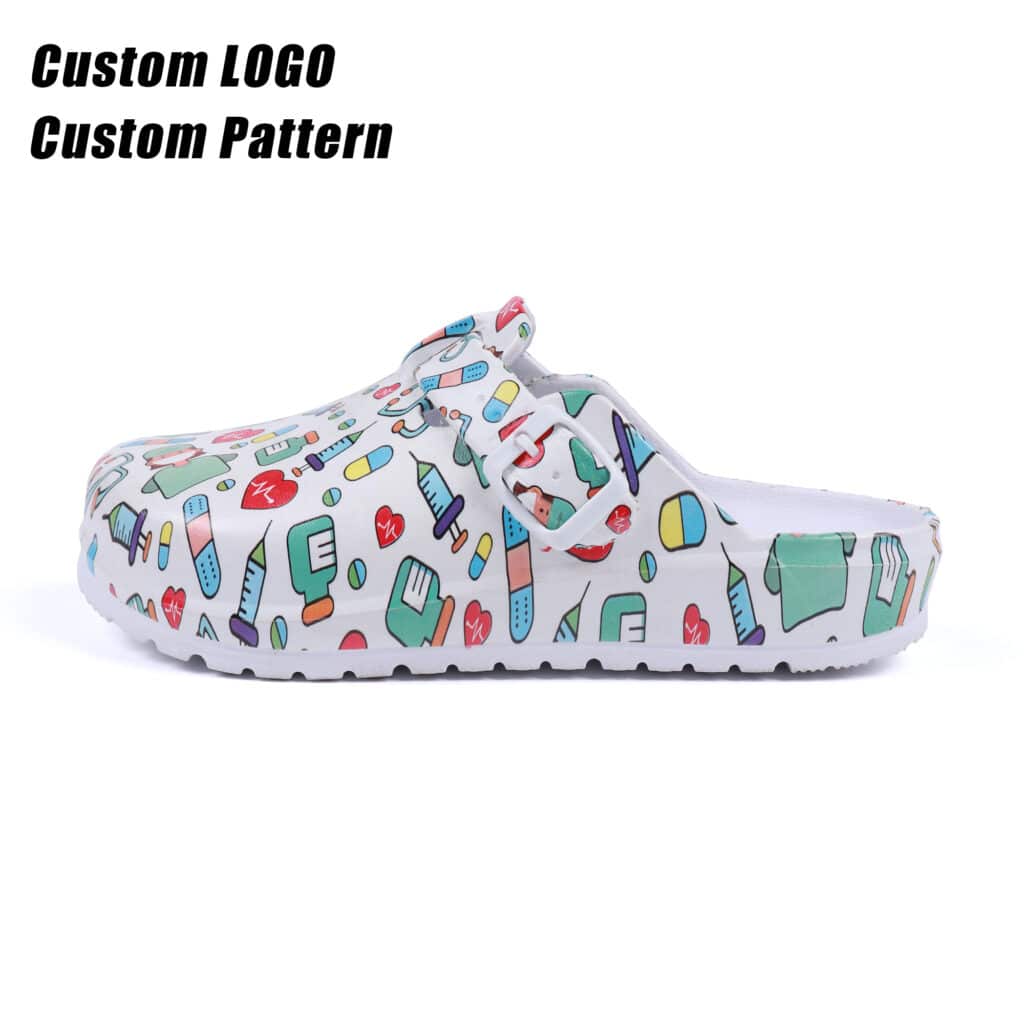
If you’re comparing EVA clogs, the first thing that tends to matter is not the branding, but how they behave in daily use: how they feel after a few hours, whether they stay comfortable in warm weather, and whether they hold up once they get wet, muddy, or simply worn often. That’s where a careful buying approach helps. EVA clogs can be incredibly practical, but only when the fit, cushioning, traction, and material quality line up with real-life needs.
For many shoppers, EVA clogs are attractive because they seem simple. Slip them on, rinse them off, and carry on. Still, that simplicity can be misleading. Some pairs feel supportive enough for quick errands but become tiring during long walks. Others are soft and light yet lose shape too quickly. A good pair usually sits somewhere in the middle: flexible, easy to wear, but not flimsy.
What EVA Clogs Are and Why They Remain Popular
EVA stands for ethylene-vinyl acetate, a lightweight foam-like material widely used in footwear because it combines softness with resilience. It is often associated with comfort-first designs, especially in slip-on styles meant for casual, wet, or messy environments. Britannica’s overview of EVA as a polymer material helps explain why it appears in so many consumer products, not just shoes. The material is valued for being light, shock-absorbing, and relatively easy to mold into different shapes.
What gives EVA clogs their appeal is their convenience. They usually do not need breaking in for very long, they are easy to rinse, and they tend to dry faster than many fabric-based shoes. That makes them appealing for gardening, indoor wear, and quick outdoor trips. In practice, they are especially popular among people who want footwear that can move between the house, yard, and driveway without much fuss.
The main reasons people choose EVA clogs
- Lightweight feel for all-day casual use
- Easy cleaning after dirt, water, or spills
- Quick slip-on design
- Water-friendly construction
- Affordable entry point compared with some molded shoes
Still, popularity does not automatically mean every pair is good. The differences between average and well-made EVA clogs can be surprisingly noticeable.
The Features That Matter Most When Buying EVA Clogs
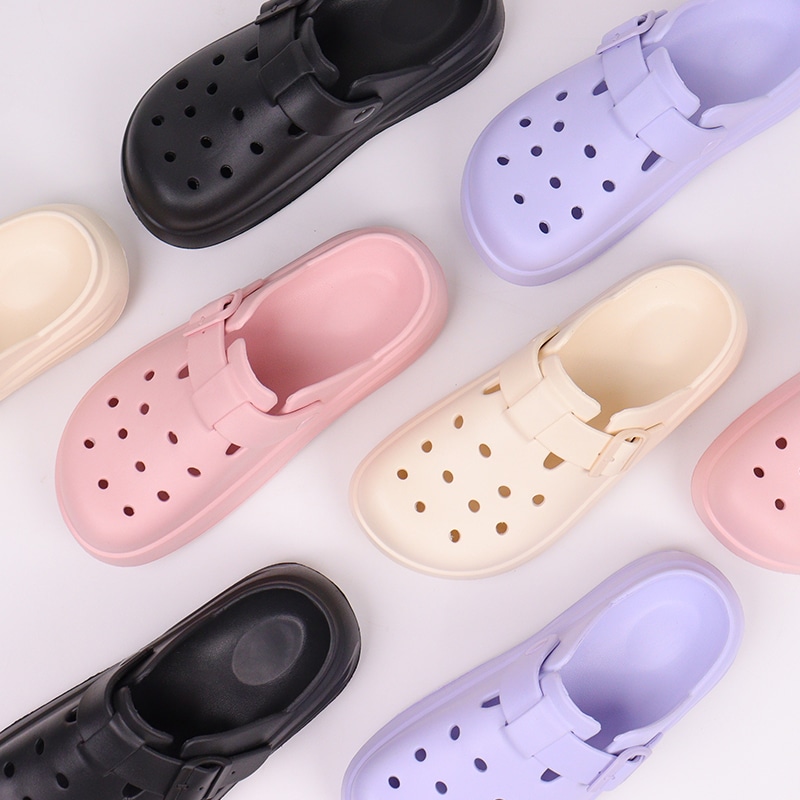
When choosing EVA clogs, the first instinct is often to focus on appearance. That is understandable, but the real value usually lives in the details. A pair can look great and still feel awkward after an hour. The most useful approach is to judge the shoe by how it supports the foot in motion, on wet ground, and during repeat wear.
Comfort and cushioning
Comfort is often the biggest selling point. EVA naturally offers a cushioned feel, though the softness level varies. Some pairs feel springy, while others are softer and slightly more compressive. The better choice depends on how the shoes will be used. For short indoor wear, a very soft footbed may feel excellent. For longer standing periods, a bit more structure is usually better.
Support also matters. EVA clogs are not all designed with the same arch profile or heel containment. A flat, squishy footbed might feel fine at first but become less appealing during extended wear. A more contoured design often makes a difference that people notice only after a full day.
Fit and sizing
Sizing can be tricky with molded footwear. Because EVA clogs are often made in broad shapes, the fit can feel roomy or oddly tight depending on foot shape and instep height. If a pair is too loose, it may slap against the heel and feel unstable. If too tight, pressure builds quickly across the top of the foot.
A simple rule tends to help: if the shoe is meant for casual, sockless wear, a bit of room is useful; if it will be used for walking or wet surfaces, the heel should feel secure.
Traction and safety
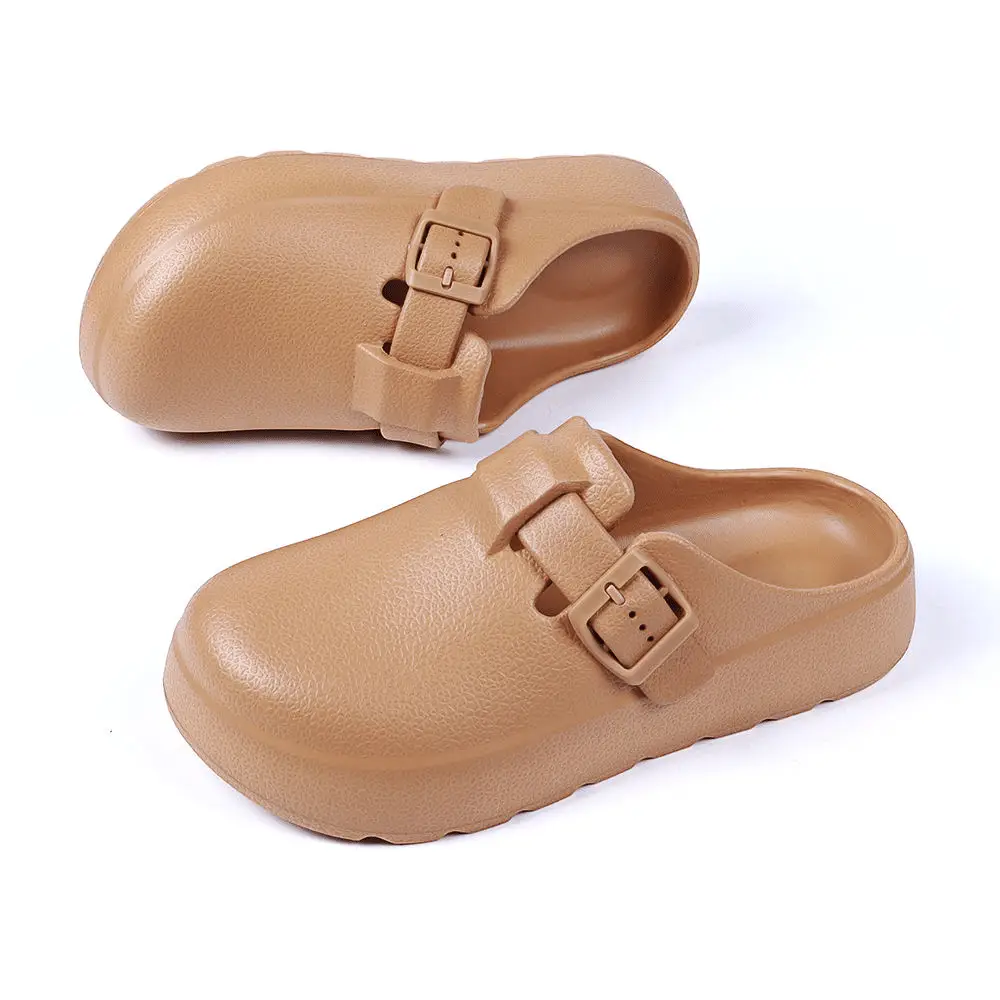
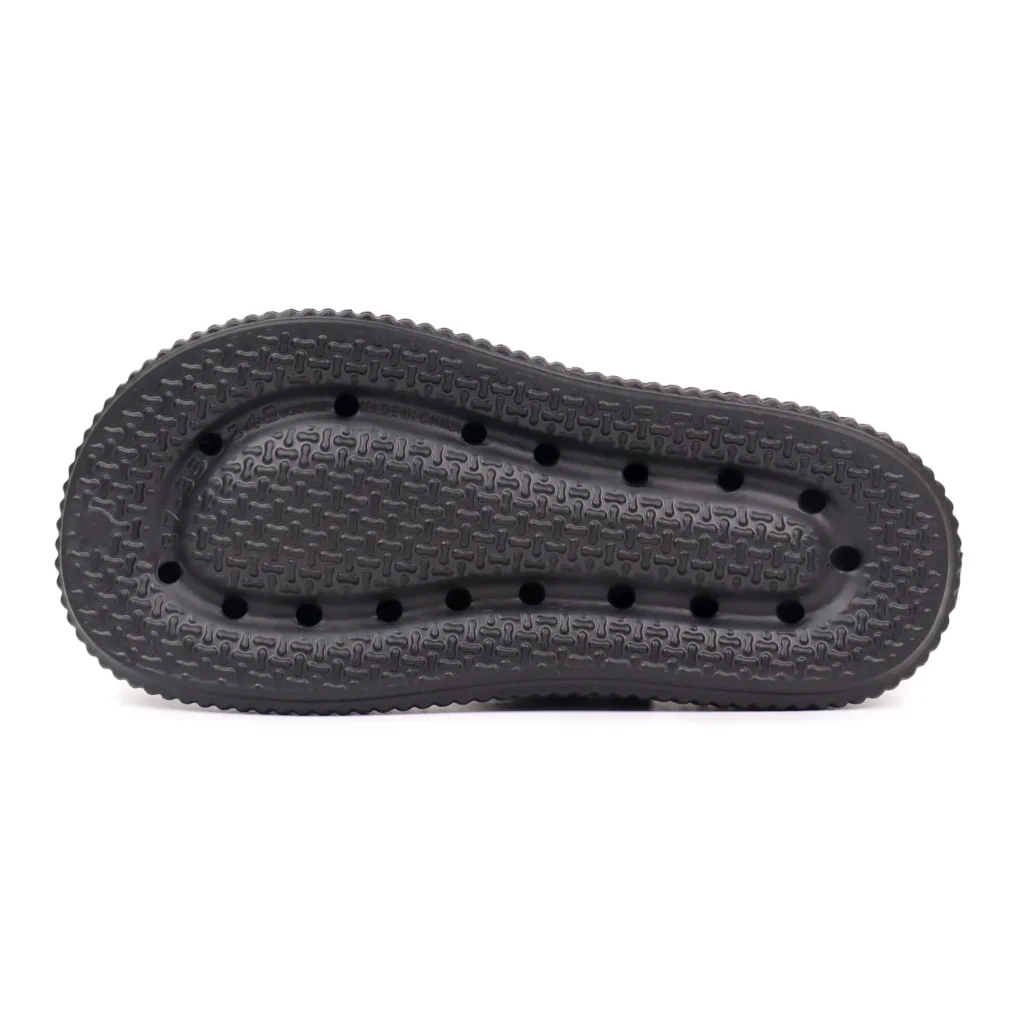
This is often overlooked, but it matters a lot. A smooth outsole may look neat, yet provide limited grip on wet pavement, tile, or garden paths. A better EVA clog usually has deeper grooves or a more pronounced tread pattern. That does not make it a hiking shoe, of course, but it can reduce the slipping risk in everyday settings.
A quick reference for comparison:
| Feature | Better for | What to look for |
|---|---|---|
| Soft footbed | Casual indoor wear | Gentle cushioning, low pressure points |
| Contoured arch support | Longer standing | Slight shaping under the midfoot |
| Deep tread | Wet outdoor use | Clear grooves and textured outsole |
| Roomier toe box | Easy daily wear | Enough space without sliding |
EVA Clogs for Different Use Cases
Not every EVA clog is trying to do the same job. That is one reason opinions about them can sound inconsistent. A pair that feels perfect for the garden may feel too plain for travel or too soft for long shifts.
Everyday casual wear
For errands, home use, or quick trips outside, EVA clogs are often a very practical choice. They are the sort of footwear that solves small problems quietly. No need for laces, little concern about getting them dirty, and no complicated maintenance routine.
Outdoor and garden use
This is where the category often shines. Mud, water, hose spray, and damp ground are all easier to deal with when the shoe itself can be rinsed off. Many buyers specifically look for waterproof garden clogs because the use case is obvious: something fast, washable, and sturdy enough for outdoor chores.
Wet-weather and transitional wear
If the goal is moving between indoor and outdoor spaces without changing shoes constantly, more versatile slip-on designs are worth considering. In that context, waterproof slip-on footwear can make sense because it combines convenience with moisture resistance. That kind of design tends to suit people who want a low-maintenance option for errands, yard work, or rainy days.
How to Judge Build Quality Before Buying
A common mistake is assuming all EVA feels the same. It really doesn’t. One pair may compress evenly and spring back well, while another feels hollow or too flimsy. If shopping online, product photos and descriptions only tell part of the story.
Here are a few practical cues that usually help:
- Check whether the upper and sole appear smoothly molded.
- Look for a balanced thickness in the footbed and outsole.
- Read whether the product mentions cushioning, grip, or drainage.
- Pay attention to user comments about sizing consistency.
- Notice whether the shoe is described for indoor, outdoor, or mixed use.
If the listing suggests the shoe is good for multiple uses but gives no traction details at all, that can be a small warning sign.
How to Care for EVA Clogs So They Last Longer
EVA is easy to clean, but it is not invincible. The simplest maintenance routine tends to work best: rinse with cool water, wipe with mild soap if needed, and let the shoes air dry naturally. A soft brush can help with dirt in the tread.
What should be avoided is prolonged high heat. Leaving EVA clogs in a hot car, near a heater, or in direct sun for extended periods can gradually affect shape and softness. That is not unique to one brand or one model; it is a general material concern. Guidance from polymer and footwear care references consistently points toward cool storage and avoiding aggressive heat exposure.
A few storage habits are especially useful:
- Keep them away from direct heat sources
- Do not compress them under heavy items
- Let them dry completely before storing
- Rinse off salt or mud quickly after use
A Simple Buying Framework
If the choice still feels unclear, it helps to reduce it to a few questions:
- Will the clogs be worn mostly indoors or outdoors?
- Is water resistance important?
- Is all-day standing part of the plan?
- Does the wearer prefer a softer or more structured feel?
- Is grip on wet surfaces a priority?
The best EVA clogs are usually the ones that match the actual habit, not the imagined one. A pair that works beautifully for house tasks may not be ideal for long walks. Likewise, a garden-ready version might feel too plain for casual everyday wear.
FAQ
Are EVA clogs suitable for hot climates?
Yes, but with a caveat. They can feel comfortable in warm weather because they are light and often breathable in design, yet long exposure to intense heat or direct sun can affect shape over time.
Do EVA clogs need socks?
Not necessarily. Many people wear them barefoot because the material feels soft against the skin. Socks may help if the fit is loose, if sweating is an issue, or if extra cushioning is desired.
How can odor be reduced in EVA clogs?
Regular rinsing and full air drying usually help most. If odor develops, a mild soap wash and proper ventilation are better than masking it with strong fragrances, which often only hides the issue briefly