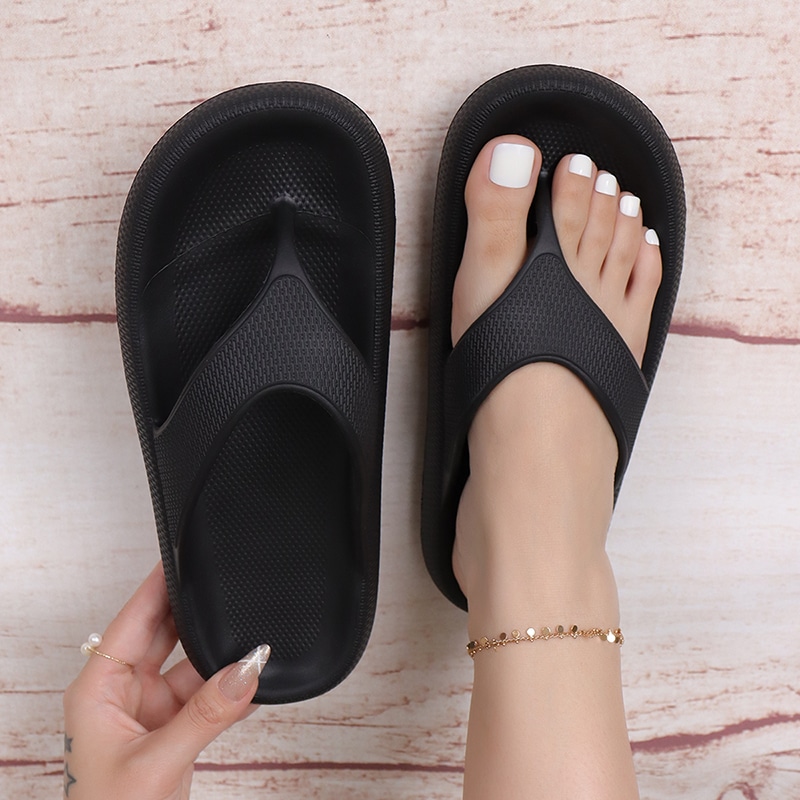
Few footwear categories have expanded as quickly as molded EVA clogs. What began as a simple garden and poolside shoe now appears in hospital corridors, restaurant kitchens, hotel spas and street-style outfits, and global footwear demand keeps growing steadily year after year. For brands, wholesalers and private-label buyers, that breadth is both the opportunity and the trap: the same design that sells out in one market can sit untouched in another. Selecting designs is therefore a market decision before it is a design decision.
The right EVA clog designs for your market are the ones built around how your end users actually live and work: closed, strap-backed styles with slip-resistant soles for medical and food-service buyers; light, perforated, quick-drying silhouettes for warm-climate and resort retail; and platform or printed versions for fashion-led channels. Material grade, sizing standards and customization depth should then be confirmed through samples and wear tests before any bulk order is placed.
Here is how to work through each of those decisions in order, from material fundamentals to final validation.
What Is EVA Material for Clogs?
EVA, short for ethylene-vinyl acetate, is a lightweight closed-cell foam copolymer that is injection molded into a single-piece clog, and that one-piece structure is exactly what gives the category its low weight, water resistance and cushioned feel.
Ethylene-vinyl acetate is produced by combining ethylene and vinyl acetate into a copolymer. The vinyl acetate share typically sits between roughly 10 and 40 percent, and the higher it climbs, the softer and more flexible the foam becomes, which is why suppliers can tune the same base material into a firm work clog or a pillow-soft recovery slide. During molding, a blowing agent expands the compound into millions of sealed air cells, and those closed pockets are what keep a finished clog light, buoyant and slow to absorb water.
Because the upper, footbed and outsole form in one shot, there are no glued seams to split in wet conditions, and the compound accepts pigment all the way through, so colors stay vivid instead of sitting on the surface. Buyers reviewing EVA clogs wholesale catalogs typically find softer comfort-grade compounds alongside firmer work-grade compounds, and choosing between them is the first practical design decision for any program.
Are EVA Shoes Good or Bad for Your Customers?
For everyday casual wear and most light-professional settings, EVA shoes are a genuinely good choice, but they are not ideal for heavy loads, sharp terrain or very long walking days, so the honest answer depends on how your customers actually use them.
The strengths are easy to verify in a sample: a molded clog weighs a fraction of an equivalent rubber or leather shoe, cannot soak up water, dries in minutes and rinses clean at the end of a shift, which matters enormously in healthcare, food service and hospitality. The foam also resists odor better than fabric-lined footwear and cushions long hours of standing.
The limitations deserve equal attention in your planning:
- Cushioning gradually firms up as the foam compresses over months of daily wear
- The material softens in extreme heat, so clogs left in hot cars can shrink or deform
- Lateral support is modest compared with structured leather or PU work footwear
- Thin soles wear faster on rough, abrasive ground
The verdict for assortment planning: EVA is excellent for casual, wet and light-professional environments, and questionable for construction, hiking and safety-critical roles that require certified protective footwear.
Start by Mapping Your Market Segments
Before you shortlist a single design, define who buys and wears the clogs in your market, because the segment, not personal taste, should drive every later decision on structure, material grade and decoration.
A wholesaler supplying hospital procurement needs closed toes, washable surfaces and stable grip, and those requirements immediately rule out fashion-first silhouettes. A beach-resort retailer wants light, breathable and quick-drying designs in bright colors. An e-commerce fashion brand may care more about platform height, print quality and photogenic detail than about any functional spec. Writing down the wearer, the purchase channel and the price point before opening a catalog is the cheapest market research you will ever do, and it prevents the most common assortment mistake: buying attractive samples for the wrong audience. The growth backdrop raises the stakes, because analysts such as Grand View Research expect global footwear demand to keep expanding steadily through the end of the decade, which means shelf space and competition are widening at the same time.
Design Features by Segment
| Segment | Priority Design Features |
| Medical and food service | Closed toe, convertible heel strap, slip-resistant tread, washable surface |
| Garden and outdoor | Thick sole, deep tread, drainage ports, durable firmer compound |
| Resort, pool and spa | Lightweight, high ventilation, quick-dry, bright colorways |
| Fashion retail | Platform sole, prints or embossed texture, seasonal colors |
| Kids | Lightweight, easy pull-on, safe materials, playful decoration |
Match Silhouettes and Structural Features to End Use
Pick the silhouette that matches the duty cycle of the wearer: the longer and more active the day, the more structure the design needs, while casual settings give you freedom with decoration and sole height.
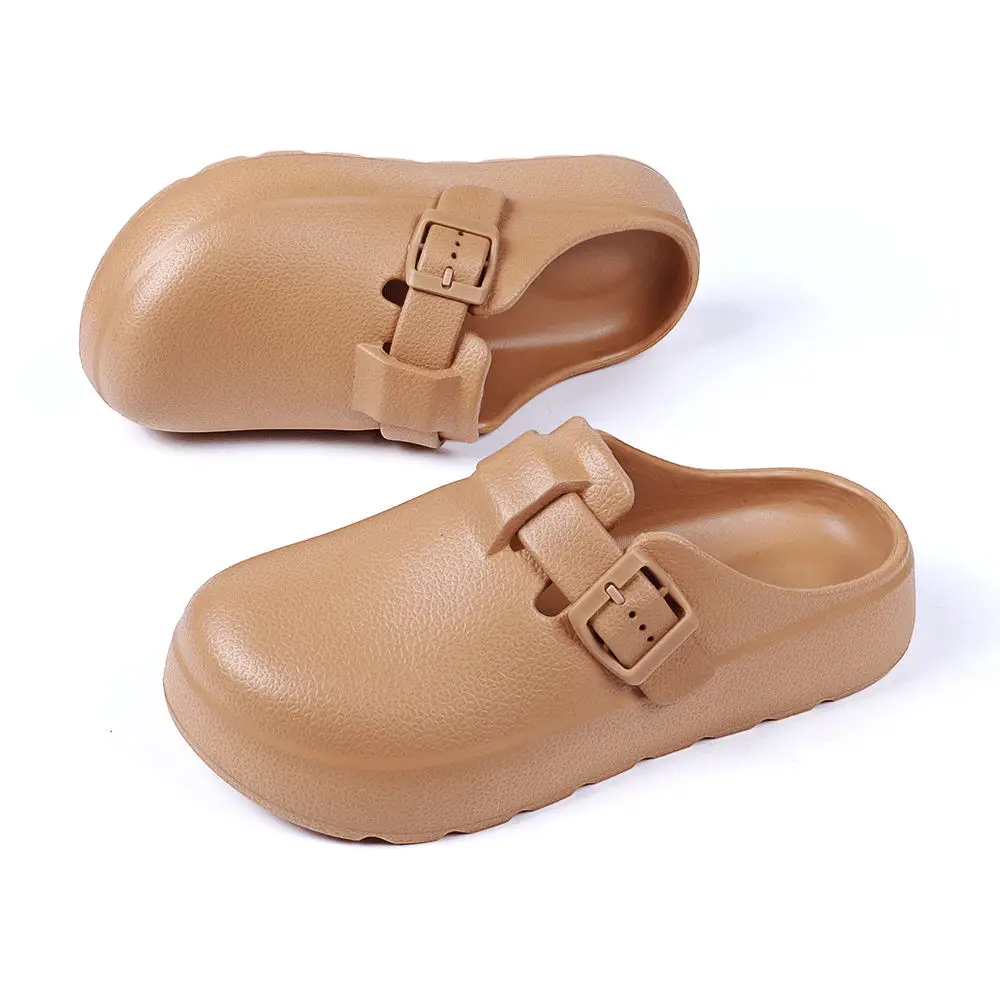
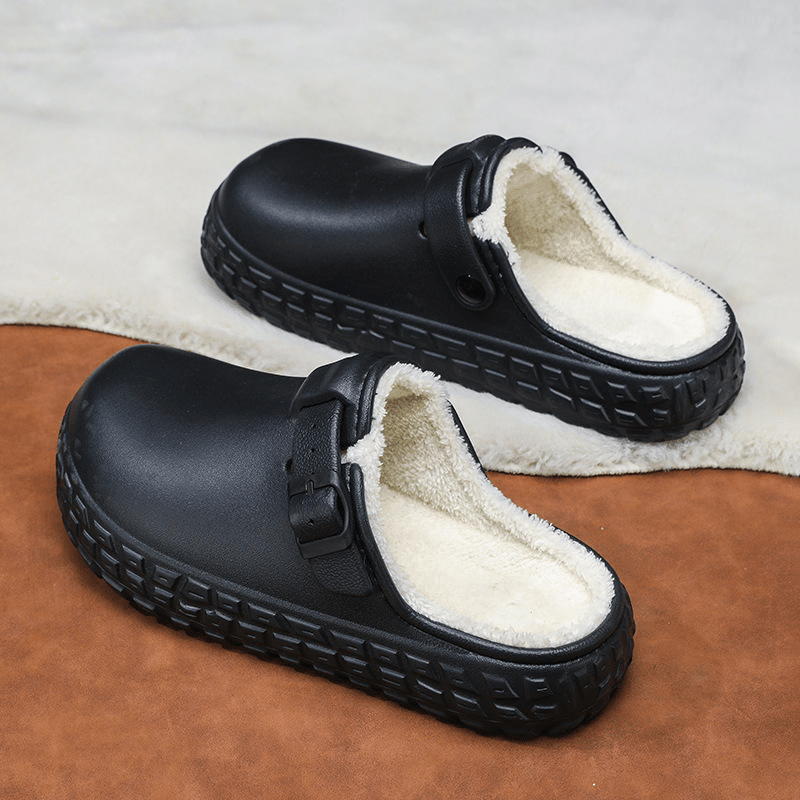
The classic one-piece slip-on remains the volume core of most catalogs: cheap to mold, easy to wear and instantly recognizable. A pivoting or convertible heel strap converts the same clog into a secure shoe for fast-paced work, and strap models consistently perform better wherever wearers walk briskly, push carts or navigate slippery floors. Platform soles from roughly 3 to 5 centimeters add fashion value and height without much weight, while fur or sherpa-lined versions extend the selling season into autumn and winter. Hospitality buyers who want an easy all-day option often settle on relaxed EVA comfort slip-on clogs because the roomy shape suits long shifts and the clean surface photographs well in retail listings.
Sole construction deserves equal scrutiny:
| Structural Element | What It Changes |
| Sole thickness | Cushioning depth, weight and fashion height |
| Tread depth and pattern | Grip on wet, oily or loose surfaces |
| Ventilation ports | Airflow, water drainage and drying speed |
| Footbed contour | Arch contact and fatigue over long shifts |
| Foam density | Softness versus durability and support |
Sole and Material Comparisons: EVA vs PU vs PVC
EVA is the best all-round material for molded clogs because it balances weight, cushioning and colorability at a workable cost; PU suits heavy-duty work footwear, while PVC is cheapest but stiffens in cold weather and carries more environmental concerns.
EVA vs PU for Clog Soles
Which is better, EVA or PU? For molded clogs sold into general markets, EVA wins on nearly every buying criterion: it is far lighter, its initial cushioning is softer, it colors more evenly and it molds into one seamless piece at lower cost. PU is denser and heavier, but its superior resistance to compression set and abrasion means it keeps its shape and cushioning for years of heavy use, which is why it dominates safety and industrial footwear. If your market is everyday casual or light-professional wear, EVA is the rational choice; if you are supplying certified safety footwear, PU-based construction deserves consideration.
EVA vs PVC for Clog Soles
Which is better, an EVA sole or a PVC sole? EVA again. PVC is the low-cost champion and resists water and chemicals well, but it is stiffer, offers far less cushioning and becomes brittle in cold climates, a real problem for winter retail in Europe and North America. PVC also relies on plasticizers that face tightening chemical regulations in several export markets. Value-oriented lines often use PVC for price-entry slippers and step up to EVA for anything positioned around comfort.
| Property | EVA | PU | PVC |
| Weight | Lightest | Heavier | Moderate |
| Cushioning | Soft and forgiving | Firm and supportive | Minimal |
| Durability | Good | Excellent | Moderate |
| Cold weather | Reliable | Reliable | Brittle risk |
| Cost | Low to moderate | Higher | Lowest |
Colors, Patterns and Customization Options
Let regional taste and channel data, not showroom instinct, set your color palette, and treat printing method as a pricing decision as much as a design one, because both choices directly shape sell-through and minimum order economics.
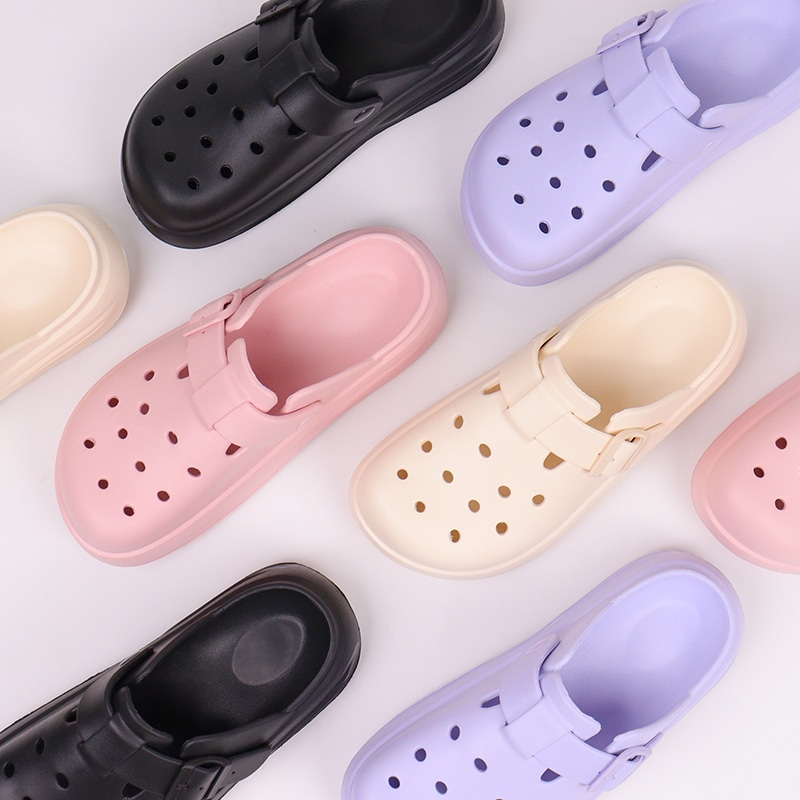
Color preference varies more by market than most buyers expect: neutral and earth tones tend to perform in Northern Europe, saturated brights move quickly in Southeast Asia, Latin America and resort channels, while pastel and soft-tone palettes hold particular strength in East Asian retail. Keeping a core of black, white and beige alongside two or three seasonal accent colors is the safest structure for a first order: core colors carry volume while accents create the freshness that drives repeat purchases.
Customization depth is a ladder, and each rung raises cost and often MOQ:
- Stock molds in standard colors, the fastest and cheapest entry point
- Custom color compounds, where pigment is mixed into the foam before molding
- Screen printing or heat transfer for logos and simple graphics
- Digital printing for full-coverage, photographic patterns at premium price points
- Laser engraving, embossing or three-dimensional charms for texture and personalization
Buyers planning branded lines should confirm which decoration methods a factory runs in-house, because outsourced printing adds lead time, cost and quality-control risk to every reorder.
Sizing, Fit and Regional Preferences
Get the size chart right for the region you sell into and follow the roomy-fit convention of the category, because EVA clogs are worn loose by design, and fit-driven returns are one of the most avoidable costs in footwear retail.
Regional standards do not translate one-to-one. European, US and UK sizes differ in both length grading and volume, and Asian sizing often runs narrower through the forefoot, so a chart copied from a domestic listing can misfit an entire export order. Unisex molds widen the addressable audience but require clear listing guidance for men to size down and women to size up. Wide-fit variants are worth specifying for markets where broader forefeet are common, and half sizes matter most in children’s lines, where a few millimeters decide whether a clog fits this season.
The category convention deserves emphasis: guidance on how EVA clogs fit recommends leaving roughly a thumb’s width of space in front of the toes, because the loose fit is what allows easy on-off and all-day airflow. Designing or marketing against that convention creates discomfort and returns, so build the roominess into the last rather than fighting it.
Validate Designs With Samples Before Bulk Orders
No design choice is final until it survives a physical sample review and a wear test with people who match your target users, so build a validation loop into your timeline before committing to a production MOQ.
The discipline that separates successful programs from warehouse-clearance stories is simple: test before you scale. OEM buyers following a structured custom EVA clogs workflow typically move through five gates before releasing funds for volume production:
- Request pre-production samples in the final compound, color and decoration, not display samples from a trade booth
- Run a wear test for one to two weeks with people who match the target wearer in weight, foot shape and daily activity
- Commission lab checks covering abrasion, color fastness, slip resistance and market-specific compliance such as EU chemical rules or US children’s product rules
- Place a small pilot batch, often a few hundred pairs, to test real sell-through and gather customer feedback
- Freeze the tech pack with exact mold numbers, compound grade, color codes and decoration method so reorders match the validated sample
Failures found at the sample stage cost a few hundred dollars. The same failures found after a container lands cost a season.
Frequently Asked Questions
Short answers to the questions buyers ask most often when planning an EVA clog program.
What is a typical MOQ for custom EVA clog designs?
Most factories set minimums between 1,000 and 3,000 pairs per color for fully custom molds, while custom colors on existing molds often start lower, around 500 to 1,000 pairs. Many suppliers allow size and color mixing within one order, helping smaller buyers reach the MOQ with a broader assortment instead of a single deep SKU. Digital printing and simple logo transfers usually carry little or no MOQ premium, but proprietary molds and multi-color compounds do.
Can EVA clog designs be protected as intellectual property?
In many jurisdictions, the ornamental appearance of a shoe can be registered as a design patent or its local equivalent, and distinctive trade dress may also qualify for protection where the design has acquired market recognition. Registration is country by country, so brands selling across multiple regions should prioritize filing in their largest markets first. Just as important in practice: avoid copying registered designs from other brands, since fast-follow copies invite seizures and delisting at customs and platform level.
How should EVA clog designs be adapted for humid, hot climates?
Favor softer compounds with generous ventilation ports and drainage channels so heat and moisture escape rather than pool inside the shoe. Add antimicrobial treatment to the foam or footbed to control odor in year-round humidity, and specify UV stabilizers in the compound so bright colors do not fade quickly under intense sunlight. Lighter colors also reduce heat absorption for outdoor daytime wear, which makes them a practical default rather than only an aesthetic choice.