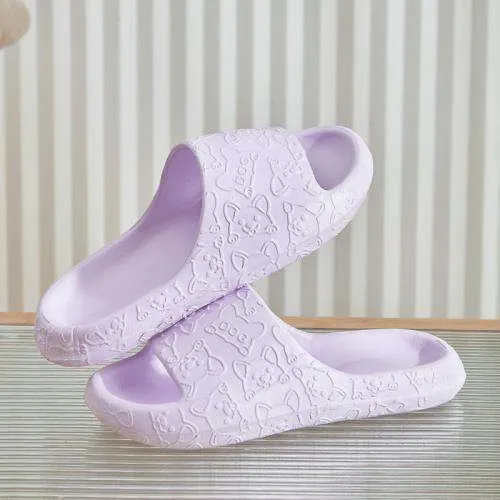
Why EVA footwear sourcing has become more selective
Choosing the right EVA Footwear Manufacturer is one of those decisions that looks simple at first and then quickly gets more complicated. On paper, many factories can produce EVA slides, slippers, clogs, or platform styles. In practice, though, the difference between a good supplier and a risky one often shows up in the details: foam density, comfort consistency, mold precision, finishing quality, lead time, and how well the factory handles customization.
That matters because EVA footwear is no longer just a low-cost casual category. It has become a product line tied to comfort trends, private label growth, and even sustainability positioning. Buyers now expect more than a decent-looking sample. They want repeatable quality, responsive development, and a supplier that can support the brand story without making the process harder than it needs to be.
In the current market, there is also more pressure on sourcing teams to balance price with performance. A factory that seems attractive because of low tooling fees or a fast quotation can still create problems later if the material formula is unstable or the bulk order does not match the sample. That is why choosing an EVA Footwear Manufacturer is really about reducing downstream risk, not just finding the lowest unit cost.
The EVA footwear market has grown around a few strong product directions. Comfort-first slides remain popular, thick-soled “cloud” styles continue to sell, and simple molded slippers still perform well in wholesale and private label channels. At the same time, buyers are asking tougher questions than they did a few years ago.
A manufacturer now needs to support more than just production. The most competitive suppliers usually help with:
- material selection
- mold development
- sample refinement
- logo placement
- color matching
- packaging options
- test documentation
- batch consistency
In the current market, there is also more pressure on sourcing teams to balance price with performance. A factory that seems attractive because of low tooling fees or a fast quotation can still create problems later if the material formula is unstable or the bulk order does not match the sample. That is why choosing a EVA footwear manufacturer is really about reducing downstream risk, not just finding the lowest unit cost.
What buyers really want from an EVA footwear supplier
Different buyers prioritize different things, but the underlying expectations are fairly consistent. A serious supplier should be able to make the buying process clearer, not more confusing.
Common buyer expectations
A strong EVA supplier is usually expected to provide:
- consistent material quality
- accurate sample development
- flexible customization
- practical MOQ options
- stable production timing
- export-ready documentation
- responsive communication
The challenge is that many factories claim to offer all of this, but only a smaller group can actually deliver it reliably. That is why supplier evaluation should be based on evidence rather than sales language.
For example, one factory may offer an attractive price but limited mold flexibility, while another may charge more upfront and still save time later because the sample process is smoother. In real sourcing, the “cheaper” option is not always cheaper once delays, revisions, and quality issues are included.
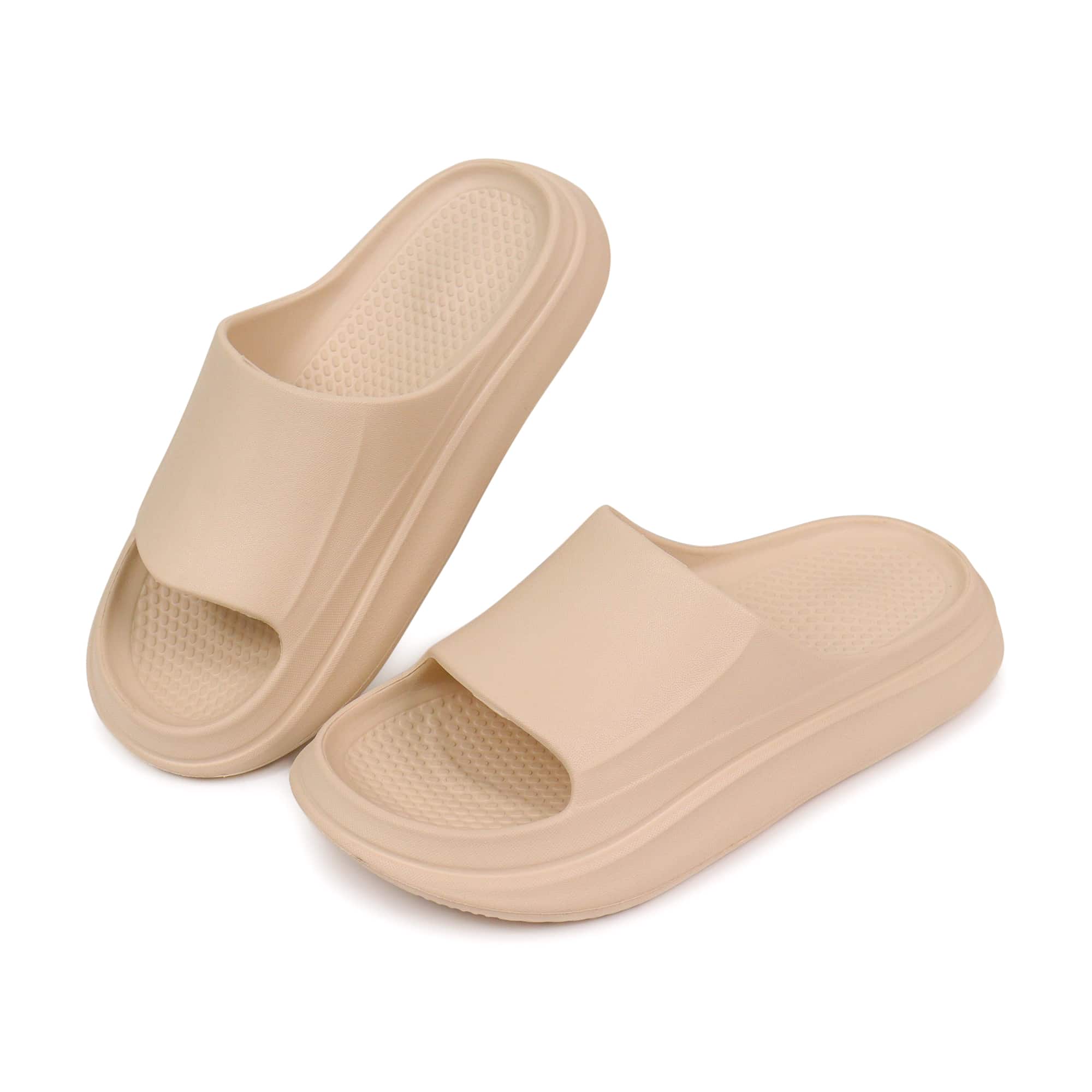
The core criteria for choosing the right manufacturer
When evaluating an EVA Footwear Manufacturer, it helps to break the decision into practical categories. The list below is not exhaustive, but it covers the areas that tend to matter most.
EVA is valued because it is lightweight, soft, and relatively easy to mold into different shapes. But not all EVA formulations behave the same way. Some are firmer, some rebound better, some smell stronger, and some degrade faster under regular wear.
Buyers should ask:
● Is the EVA formula stable across batches?
● Is recycled EVA available?
● Are bio-based options offered?
● How is odor controlled?
● What is the expected rebound and compression performance?
If a factory cannot answer these questions clearly, that is usually a warning sign. Material inconsistency is one of the most common reasons a sample looks better than bulk production.
Environmental claims also matter more now. Even if the final product is not positioned as “sustainable,” many brands want a supplier that can support cleaner material choices over time.
2.Mold variety and customization depth
This is where many factories separate themselves. Some suppliers only offer standard styles with simple color changes. Others can support deeper development, including sole shape adjustments, strap design, logo detailing, and surface texture.
A buyer looking for custom EVA footwear should ask about:
- existing mold library
- new mold cost
- lead time for sampling
- logo embossing or debossing
- strap customization
- sole thickness and shape changes
- color matching support
If the supplier has a large existing library, development can be faster and cheaper. If not, tooling costs may rise quickly. Either way, customization should be clear from the beginning, not discovered after the first sample.
3.Production consistency and QC control
The sample is only the beginning. Bulk consistency is where sourcing success is really decided.
Factories with stronger quality control usually have:
- incoming material checks
- in-line inspection
- final inspection
- batch traceability
- clear defect handling
Buyers should ask what happens if the color shifts slightly, the foam density changes, or the finish is uneven. A capable factory will have a real answer, not just reassurance.
4.MOQ,lead time,and communication
A supplier can look perfect on paper and still be difficult to work with if the ordering terms are too rigid or communication is slow.
This becomes especially important for startups and seasonal brands. A private label EVA footwear supplier should be able to explain:
- sample lead time
- bulk production lead time
- MOQ by style
- whether mixed colors are allowed
- how revisions are handled
For many buyers, this section is where the final decision is made. A supplier that responds clearly and consistently is often safer than one that only looks good in the first quotation.
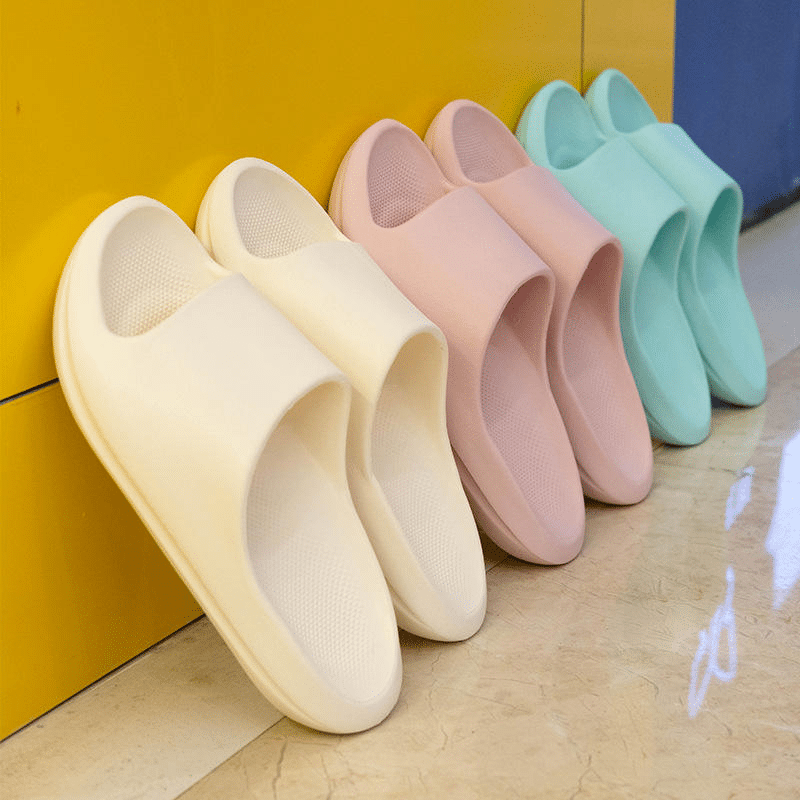
Supplier comparison table
| Evaluation Factor | What to Ask | Why It Matters |
|---|---|---|
| Material quality | Is the EVA formula stable and low-odor? | Impacts comfort,durability,and customer satisfaction |
| Foaming process | Primary orsecondary foaming? | Affects softness,stucture,and rebound |
| Customization | Can the factory support molds and branding? | Determines product differentiation |
| Performance | Are anti-slip and wear tests available? | Reduces safety and quality risk |
| MOQ and timing | What are the sample and bulk lead times? | Helps planning and cash flow |
| QC system | How is bulk consistency controlled? | Prevents sample-to-productopn mismatch |
This kind of table is useful because it turns a vague supplier search into a more concrete comparison. It is also easier for internal purchasing teams to review than a long paragraph of supplier claims.
How different buyer types should evaluate suppliers
Not every buyer needs the same kind of factory. A good fit for a large distributor may not work for a startup, and a supplier built for budget bulk orders may not be ideal for a premium brand.
Brand owners
Brand owners usually need a supplier that can support product identity. In most cases, that means a factory with stronger design development, packaging support, and a willingness to refine the product beyond standard catalog styles.
For this group, private EVA footwear is often the right sourcing angle. That usually means looking for:
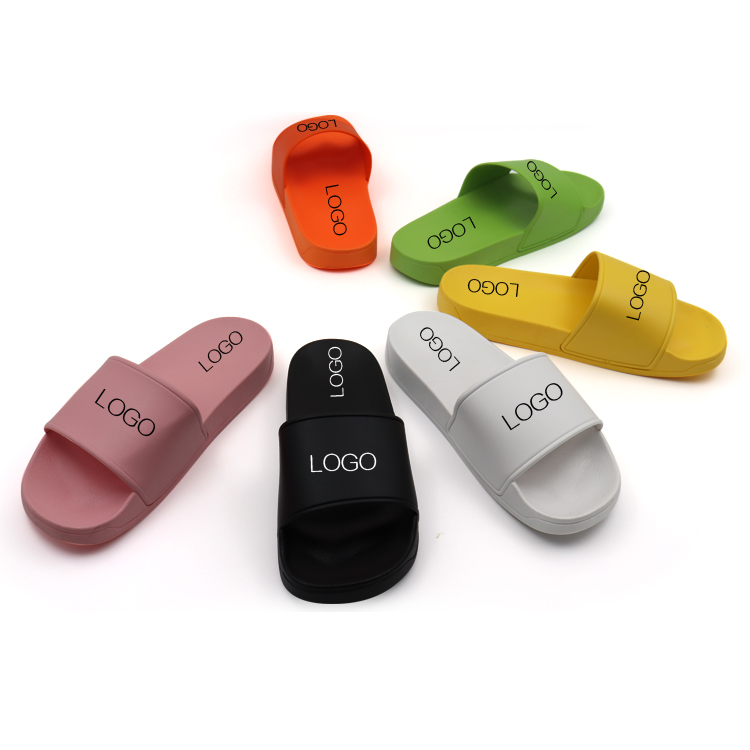
- brand customization
- logo application
- packaging flexibility
- reliable reorders
- style differentiation
The supplier does not need to be the biggest, but it does need to be organized and able to handle detail.
Wholesalers and distributors
Wholesalers usually care more about repeatability than novelty. If the product can be produced at scale with stable quality and manageable pricing, the supplier can remain relevant for a long time.
Their priorities often include:
- bulk pricing consistency
- fast replenishment
- stable sizing
- straightforward packaging
- dependable shipping schedules
Startups and e-commerce sellers
New sellers often need flexibility more than anything else. They may want to test a product line with limited risk before scaling up.
For this group, low MOQ, quick sampling, and existing mold choices matter a lot. A factory that offers custom EVA footwear with manageable tooling terms can be particularly helpful here, because it allows a new brand to create something distinct without overcommitting.
Common red flags during supplier evaluation
Some problems appear early if the buyer knows what to watch for.
1.The quotation is too simple
If a supplier only gives a price without explaining the material structure, mold details, or QC approach, that is often a bad sign.
2.’Custom‘only means color changes
A factory may say it offers customization, but then only allow logo printing or a basic color adjustment. That is not true product development.
3.Sample and bulk quality feel disconnected
This is one of the biggest sourcing frustrations. The sample looks strong, but the bulk order arrives softer, rougher, or less consistent. It usually suggests limited process control.
4.Documentation is vague
Export buyers should be cautious if the supplier cannot provide clear test reports, material details, or compliance-related information when asked.
5.Communication slows down after interest is shown
Some factories are very responsive in the first round of discussion and much slower once the buyer starts asking technical questions. That often reveals something about internal management.
Comparing sourcing regions: China, Vietnam, and Southeast Asia
The right manufacturer is not only about company quality. Geography also matters.
China
China remains a strong sourcing base for EVA footwear because of its mature industrial clusters, mold-making capabilities, and fast development cycles. Buyers who need customization and speed often still find China the most practical option.
For buyers looking for a EVA footwear supplier,China usually offers the broadest range of development support.
Vietnam
Vietnam is increasingly attractive for buyers who want sourcing diversification or who are managing tariff exposure. The production base is growing, and many brands now include Vietnam in their supply-chain strategy.
Southeast Asia more broadly
Other parts of Southeast Asia are also becoming more relevant, especially for brands seeking a balance between cost, diversification, and regional trade strategy. That said, not every factory in the region has the same depth of footwear specialization, so buyers should verify capability carefully.
A practical shortlist method for buyers
Before choosing a supplier, it helps to narrow the field in a structured way.
- Define the product type clearly
- Is the product a basic slipper, a cloud slide, a molded clog, or a private label collection?Clarify the target market
- Different markets have different expectations for safety, compliance, and style.Request samples from at least two or three suppliers
- One sample can be misleading. Comparison is usually more useful.Review customization depth
- Ask what can be changed beyond color.Confirm lead time and MOQ
- Make sure the supplier’s terms match the brand’s real launch plan.Ask for test reports or process documentation
- Performance and compliance matter, especially for retail buyers.Start with a pilot order
A smaller first order often reveals more than a long email thread ever could.This is where a supplier with real process strength becomes valuable. A reliable EVA footwear manufacturer should make these steps easier, not more confusing. If the factory resists transparency at this stage, it is usually better to keep looking.
Why some product pages matter in real sourcing
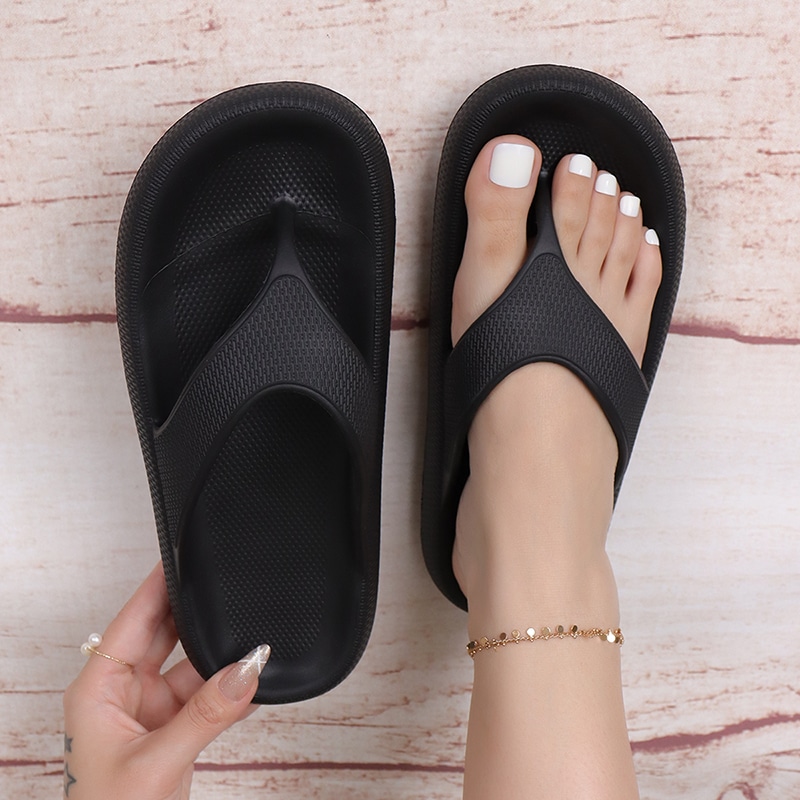
Sometimes buyers want to see a manufacturer’s production style through actual product examples. That is a sensible approach. A strong factory usually shows its development capability through the range of styles it can support, the branding options it offers, and the consistency of its samples.
When reviewing product pages or internal development references, it helps to check whether the factory has real support for EVA footwear supplier with practical tooling terms. Those details often say more than a generic company profile.
Conclusion
Choosing the right EVA Footwear Manufacturer is less about finding the cheapest quotation and more about finding the supplier that fits the product, the market, and the brand’s long-term goals. A good supplier should be able to handle materials, foaming, customization, QC, and communication in a way that feels steady rather than improvised.
For most buyers, the safest approach is to compare suppliers using a structured checklist instead of relying on price alone. Look closely at material quality, mold flexibility, anti-slip performance, production consistency, and documentation. Then test the relationship with a small order before scaling up.
In the end, the best partner is usually the one that reduces uncertainty. That may sound simple, but in footwear sourcing, it is often the difference between a smooth product launch and a difficult one.
FAQ
What should buyers ask before accepting an EVA footwear sample?
Buyers should ask how the sample was made, what material formula was used, whether the sample represents the final production method, and whether the same mold and finishing process will be used in bulk production. This helps reduce the risk of sample-to-bulk surprises.
Why does EVA footwear sometimes feel different between orders?
Differences usually come from foam formulation, process variation, or batch-level control. Even small changes in material mix or curing conditions can affect softness, rebound, and surface finish.
Is customization always worth the extra cost for EVA footwear?
Not always. If the product is for testing or entry-level retail, an existing mold with light branding may be enough. But for brands that need positioning, repeat recognition, or better margins, customization often pays off over time.