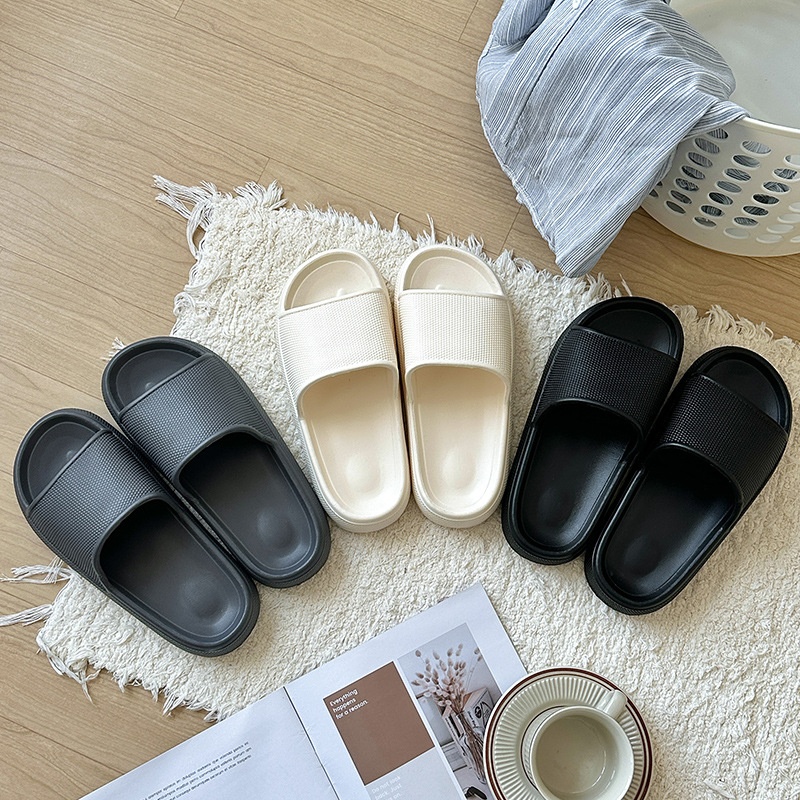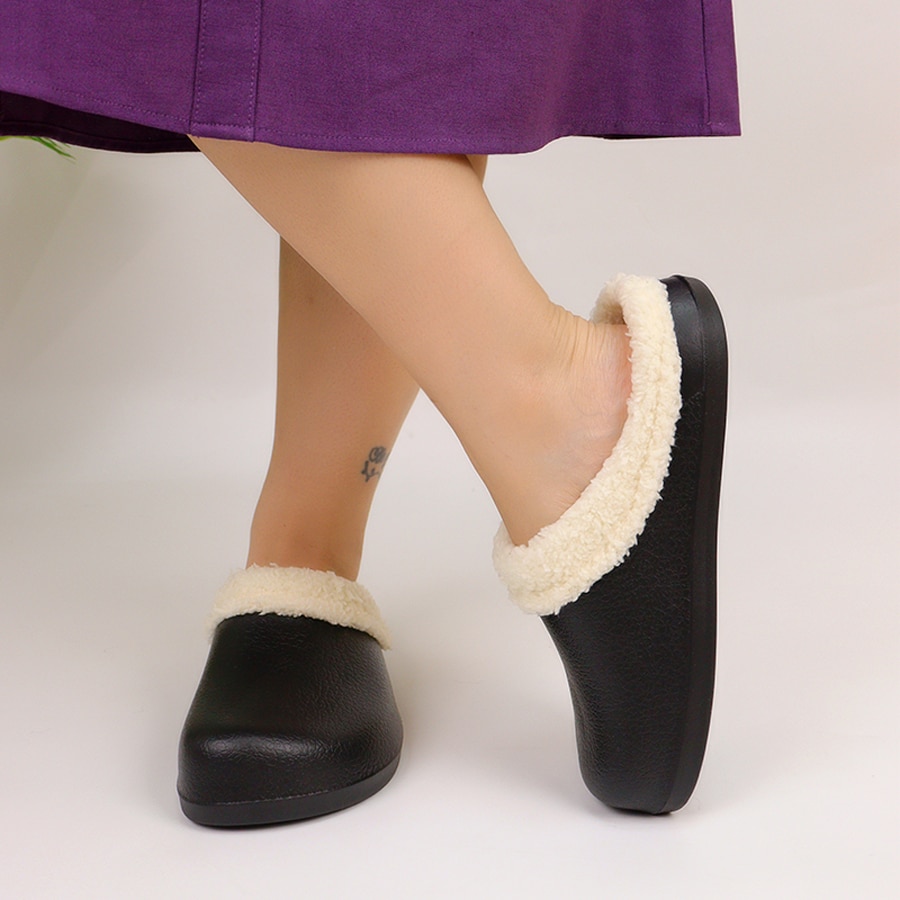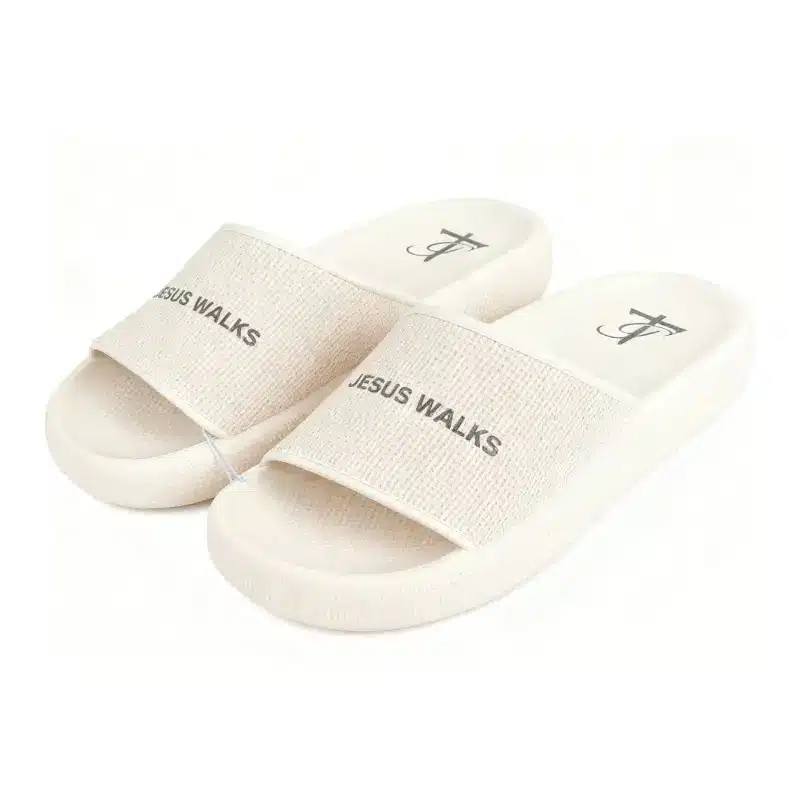
Since remote work became a lasting habit for millions of households, people simply spend more hours on their feet at home than they used to, padding between the desk, the kitchen, and the laundry room. That shift has quietly turned indoor footwear into a foot health topic: doctors report more patients with heel and arch pain linked to what they wear, or do not wear, around the house. The trend has also reshaped the market for wholesale slippers, as houseware and hospitality brands respond to rising demand for supportive indoor footwear.
For most people, wearing slippers at home is the better choice, as long as the slippers are supportive. Barefoot walking offers real benefits for foot muscle strength and balance, but only for short periods and mainly on soft, carpeted surfaces. On the hard tile, hardwood, or concrete floors found in most homes, hours of barefoot walking transmit impact directly into the heels and arches, raising the risk of heel pain, plantar fasciitis, and tendon strain. People with existing foot conditions, diabetes, or reduced sensation should wear protective indoor footwear almost all the time.
The sections below compare the two options in detail, explain what foot specialists actually look for in a slipper, and help you decide which approach fits your floors, your feet, and your daily routine.
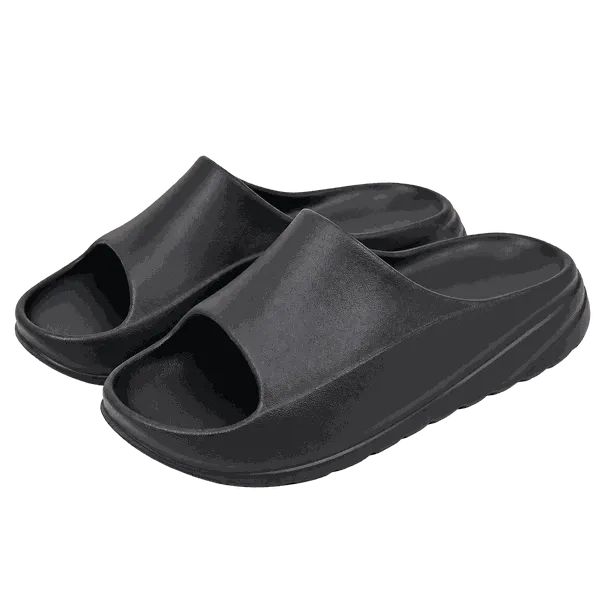
Is It Healthier to Walk Barefoot in the House?
It can be, but only in the right setting. Barefoot walking strengthens the small intrinsic muscles of the feet, improves sensory feedback and balance, and encourages a natural gait, which makes short barefoot periods on carpet genuinely beneficial for many healthy people. The problem is not barefoot walking itself but the surface under it: hard indoor floors remove the shock absorption your feet rely on, so long barefoot hours on tile or hardwood progressively strain the plantar fascia, tendons, and joints.
The honest answer is that barefoot time works best as a dose, not a default. Ten or fifteen minutes of barefoot walking on a rug lets the foot muscles work the way they evolved to work, while the carpet itself provides enough give to keep impact forces low. The same walk on polished tile becomes a different activity entirely, because every step sends the full ground reaction force upward into tissue that gets no help from a sole or an arch support.
The Benefits of Walking Barefoot at Home
For feet that are healthy and pain free, controlled barefoot time offers several advantages:
- Strengthened foot muscles. Without a sole and arch support doing the stabilizing work, the intrinsic muscles of the foot must activate with every step.
- Better balance and proprioception. Direct skin contact with the ground increases sensory feedback, which supports coordination, especially when the nervous system keeps using that feedback as we age.
- A more natural gait. Barefoot walking lets the toes splay and encourages the arch to absorb shock on its own instead of relying on shoe structure.
- Possible therapeutic value. A 2023 randomized controlled trial on barefoot walking found that a four week barefoot treadmill walking program reduced pain and improved function in people with persistent plantar heel pain, with several outcomes improving more than in the shod walking group.
The Risks of Barefoot Walking on Hard Floors
The risks grow with the hardness of the floor and the number of hours spent on it. Walking barefoot on concrete produces peak plantar pressures roughly 20 to 40 percent higher than walking on softer ground, and most indoor tile and hardwood behaves much like concrete. Without cushioning, that load lands on the heel and the band of tissue along the sole of the foot. When that band, the plantar fascia, is overloaded day after day, it can develop the small tears and inflammation that define plantar fasciitis.
Typical problems associated with long barefoot hours on hard floors include:
- Plantar fasciitis and general heel pain, often worst with the first steps in the morning
- Achilles tendinitis and posterior tibial tendon strain
- Metatarsalgia and stress reactions in the forefoot
- Callus buildup and progressive arch fatigue, and in severe long term cases arch collapse
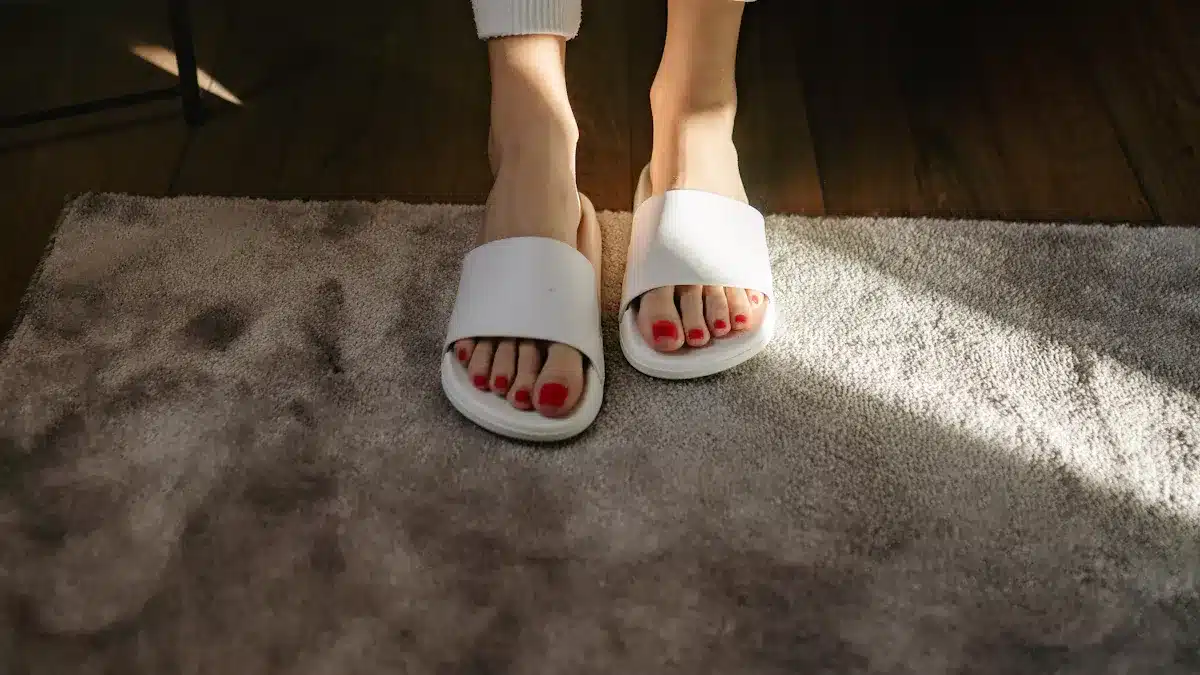
Specialists see this pattern often enough that they now give it a name. A foot and ankle specialist at Yale Medicine notes that the strain of walking barefoot accumulates over weeks and months into the arches, tendons, and plantar fascia, and recommends a hard soled slip-on shoe worn only indoors as a practical solution for people with sore feet.
Why Podiatrists Caution Against Barefoot Shoes
Barefoot shoes, also called minimalist shoes, deserve a separate note because they are often marketed as the perfect compromise. Podiatrists are cautious about them for a reason: the risks of barefoot shoes come mainly from missing support combined with unrealistic expectations. A zero drop shoe with a paper thin sole changes your walking mechanics immediately, but your tendons and foot muscles need months to adapt to that change. People who switch too quickly routinely show up in clinics with metatarsal stress fractures, Achilles tendinopathy, and fresh plantar fasciitis.
The caution is strongest for people with flat feet or significant overpronation, anyone in an active plantar fasciitis flare, people with diabetes or reduced foot sensation, and older adults with balance concerns. If you are drawn to the idea of natural movement, the safer path is to keep some barefoot time on carpet at home and let a supportive slipper handle the hard floors.
What Are the Benefits of Wearing Slippers at Home?
Yes, wearing slippers at home is a good idea for most people, because a decent pair does four jobs at once: it cushions the foot against hard flooring, protects it from spills and stubbed toes, insulates it against cold, and adds grip on smooth floors. The main caveat is quality, since a soft, shapeless slipper provides almost none of these benefits and can be barely better than being barefoot.
The strongest argument for slippers is shock absorption. A slipper with a firm, cushioned sole acts as a buffer between the foot and the floor, transferring stress away from the heel and arch with every step. That matters most for anyone who stands for long stretches, whether cooking, doing chores, or working at a standing desk. For a fuller breakdown of the comfort and health upside, see this guide to the benefits of wearing slippers.
Beyond cushioning, slippers contribute to household life in ways that are easy to overlook:
- Protection. A sole shields the foot from dropped objects, stray toy parts, spilled hot liquids, and the rough texture of outdoor shoes tracked inside.
- Hygiene. Slippers act as a barrier between your skin and whatever the floor has collected, which matters in kitchens and entry areas.
- Warmth. Keeping feet warm supports circulation, which is particularly valuable for older adults in cooler months.
- Fall prevention. Grip on smooth tile or polished wood meaningfully reduces slip risk, a serious concern for seniors.
What Do Podiatrists Recommend for Slippers?
Podiatrists recommend treating slippers like indoor shoes rather than bedroom padding: look for arch support, a firm sole that does not fold in half, a secure fit, and a non-slip outsole. Supportive indoor footwear is the single most common prescription for people with morning heel pain, because the plantar fascia is most vulnerable in the first minutes after getting out of bed.
A practical checklist for a foot friendly slipper looks like this:
- Real arch support that matches the height of your arch
- A firm sole that absorbs shock but resists twisting and folding
- A secure fit, ideally with a closed back or a strap, so the toes never need to grip
- A removable insole if you use custom orthotics during the day
- A slip resistant outsole for tile, hardwood, and stairs
Just as important is knowing what to avoid. Fluffy, formless slippers with no structure fail the support test even when they feel comfortable. Backless slides can encourage a shuffling gait and toe gripping, and a worn out pair that has gone flat and loose provides neither cushioning nor stability. The rule of thumb many specialists suggest is simple: if you could not comfortably walk a few blocks in them, you should not spend all day at home in them either. For a deeper look at clinically oriented choices, this guide to podiatrist-recommended slippers walks through the evaluation criteria in detail.
Barefoot or Slippers: Which Is Right for You?
A practical rule that fits most households: enjoy short periods of barefoot walking on soft surfaces, and put on supportive slippers whenever you are on hard floors, standing for long stretches, or have any history of foot pain. The right answer depends on your flooring, your foot type, and how much time you actually spend on your feet indoors.
The decision table below condenses the evidence into common situations:
| Your situation | Better option |
| Healthy feet, mostly carpeted home | Short barefoot periods are fine |
| Tile, hardwood, or concrete floors | Supportive slippers most of the day |
| Plantar fasciitis or morning heel pain | Slippers with arch support, on from the first step out of bed |
| Flat feet or overpronation | Structured slippers with arch support |
| Diabetes or reduced foot sensation | Protective slippers at nearly all times |
| Long standing sessions, cooking or chores | Cushioned, supportive slippers |
| Cold floors in winter | Insulated slippers for warmth and grip |
Many households get the best of both worlds by alternating deliberately: barefoot time on the rug in the living room for muscle work and comfort, then slippers the moment the route crosses tile or hardwood. On smooth floors specifically, choosing an anti-slip slipper with a properly patterned rubber outsole adds a safety margin that bare skin or worn soles cannot match.
Tips for Keeping Your Feet Healthy Indoors
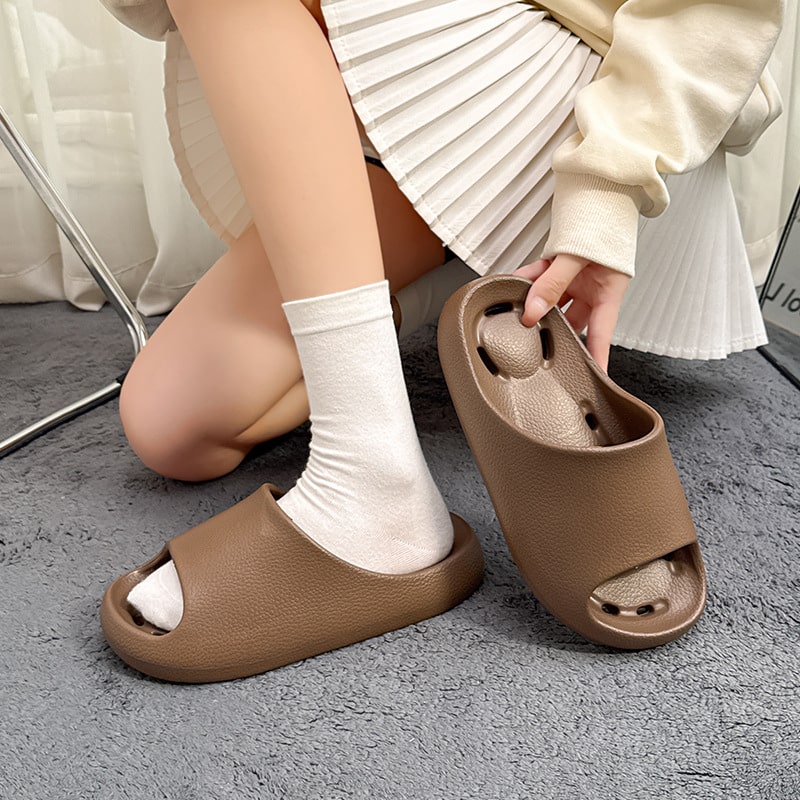
Whichever option you lean toward, a handful of habits protect your feet more than the barefoot versus slipper debate itself: replace slippers before they go flat, keep them clean and dry, and watch for early warning signs instead of pushing through pain.
A few low effort practices go a long way:
- Replace house slippers every six to twelve months with regular wear, or as soon as the sole shows smooth spots or the footbed loses its shape
- Air out and wash slippers regularly, since damp footbeds encourage odor and skin problems
- Spend a few minutes daily on foot strength work such as toe spreads, calf stretches, and arch rolls, whether or not you go barefoot
- Treat morning heel pain, arch soreness, or new fatigue as a signal to add support, not something to walk off
FAQs
These are the questions foot specialists hear most often once people start paying attention to what they wear at home.
Do slippers weaken your foot muscles over time?
A well made, supportive slipper does not make your foot muscles lazy. Your feet still stabilize every step, and the slipper simply reduces excess strain from hard floors. If you enjoy the strengthening effect of barefoot walking, keep short barefoot sessions on carpet and add a few minutes of targeted foot exercises, and you get the muscle work without the impact load.
Are grip socks a good alternative to slippers?
Grip socks solve one problem, slipping on smooth floors, but they provide almost no cushioning or arch support. They are a reasonable choice for brief tasks or as a base layer inside a slipper, yet for long hours on tile or hardwood they leave the heel and arch exposed to the same impact as barefoot walking, only warmer.
Should toddlers and young children walk barefoot at home?
For healthy young children, barefoot walking indoors is generally encouraged. Early childhood is when the arch develops and the sensory system calibrates balance, so barefoot time on safe, clean, and warm floors supports natural development. The exceptions are the same as for adults: cold or slippery surfaces, and any condition that reduces sensation, where a soft protective slipper is the safer choice.