Buying wholesale slippers in bulk once meant committing to a single style in a single color at a single large quantity. Most retailers, distributors, and hospitality buyers now want assortment instead: slides for the summer season, mule slippers for year-round home use, and clogs for staff or spa programs, ideally arriving together in one shipment. Mixed-style ordering makes that possible, but it raises questions a single-SKU purchase never does, including how the factory counts pairs toward the minimum order, how sizes should be distributed across each style, and how quality is verified when several different products share one container.
The best practice for mixed-style bulk slipper orders is to confirm in writing how your supplier counts pairs toward the MOQ, build the style and size mix from real sales data instead of even splits, approve a separate sample for every style in the order, and compare quotes on total landed cost rather than unit price. Buyers who apply these four disciplines consistently avoid the most expensive failures in mixed-order purchasing: dead stock in fringe sizes, uneven quality between styles, and unexpected costs at destination.
The sections below break each practice into concrete steps, from the first MOQ conversation to the final pre-shipment inspection.
What Is a Mixed-Style Bulk Order?
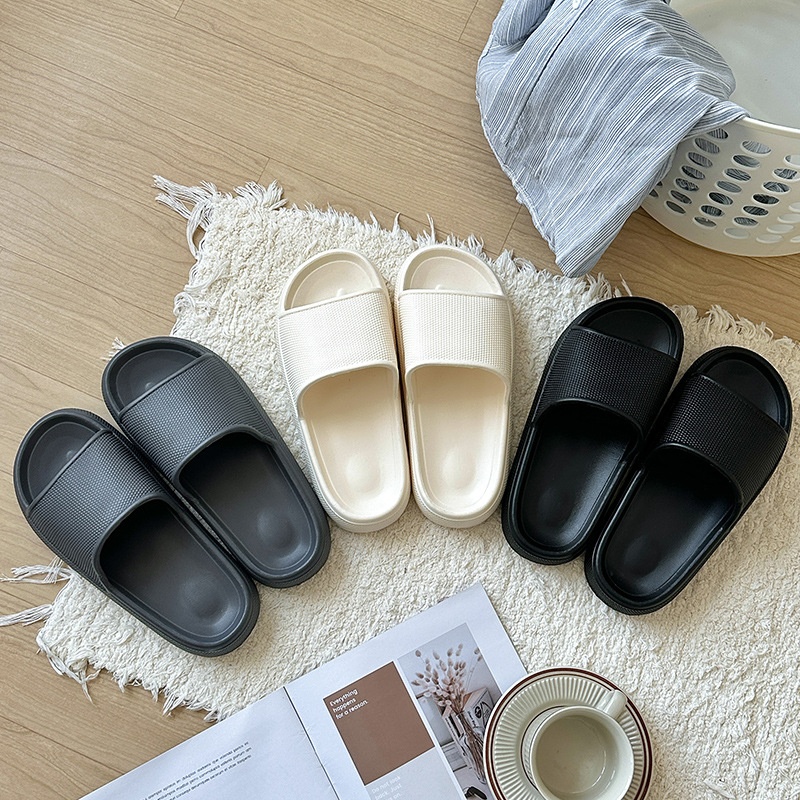
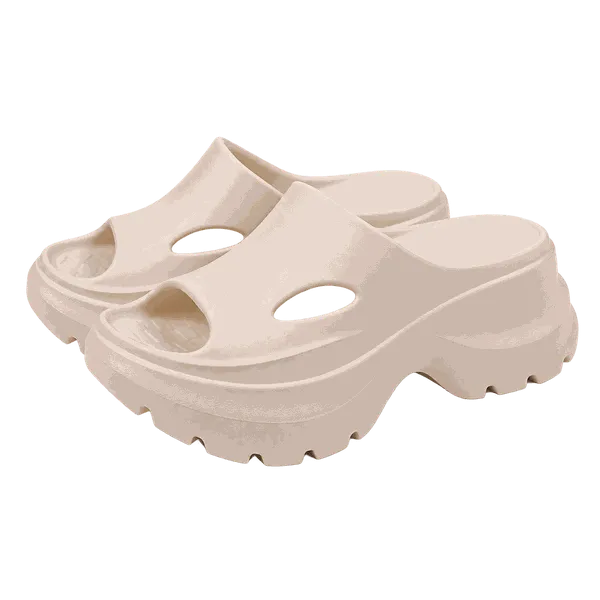
A mixed-style bulk order is a single purchase order that combines two or more slipper styles, colors, or sizes in one production run and one shipment, allowing the buyer to reach the factory’s total quantity threshold without committing the full volume to any single product. Instead of 1,000 identical pairs, a buyer might structure 400 pairs of slides, 350 pairs of mule slippers, and 250 pairs of clogs.
Many buyers first encounter this option when a slippers manufacturer explains that quantities can be combined across styles within the same production line. Mixed ordering matters most for three groups: smaller retailers who cannot absorb a large single-style commitment, seasonal sellers who need breadth across categories, and hospitality operators whose programs must cover guest rooms, pool decks, and staff areas at once. The approach trades a slightly higher coordination effort for a much better match between the inventory you own and the products customers actually buy.
The four configurations buyers usually combine:
| Configuration | What It Combines |
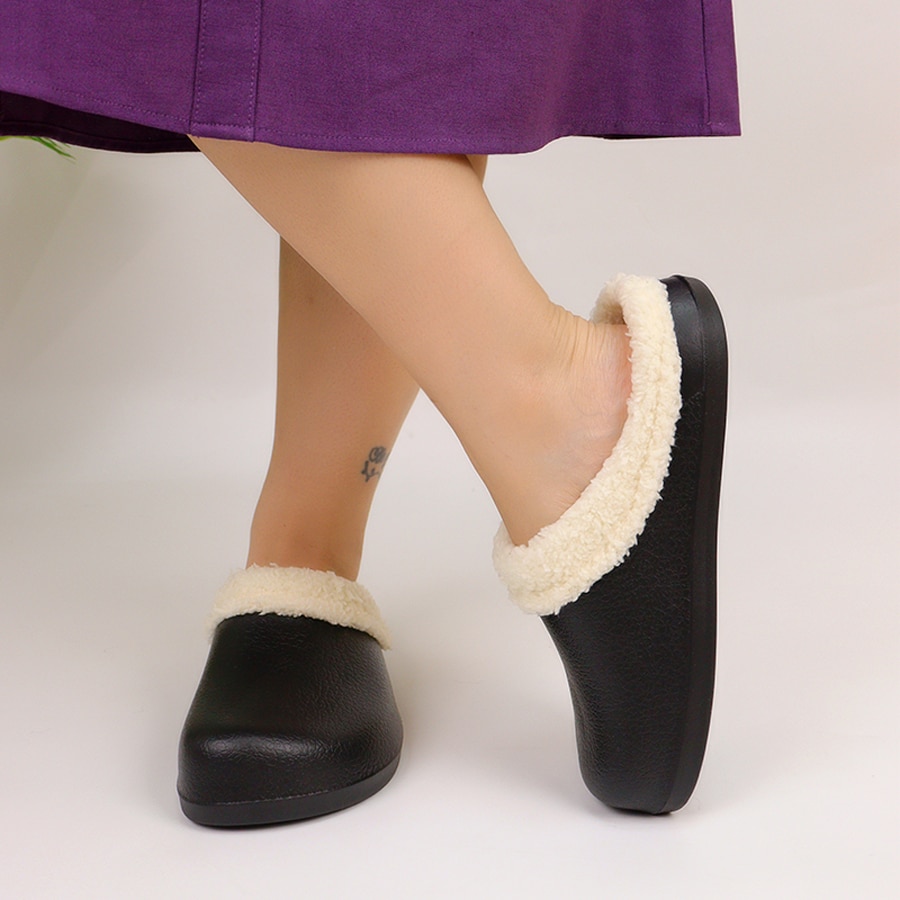
| Mixed styles | Two or more constructions, such as slides, mules, and clogs, counted toward one order total |
| Mixed colors | Multiple colorways of one style, often with a per-color minimum |
| Mixed sizes | A size distribution within each style, pre-packed or hand-picked |
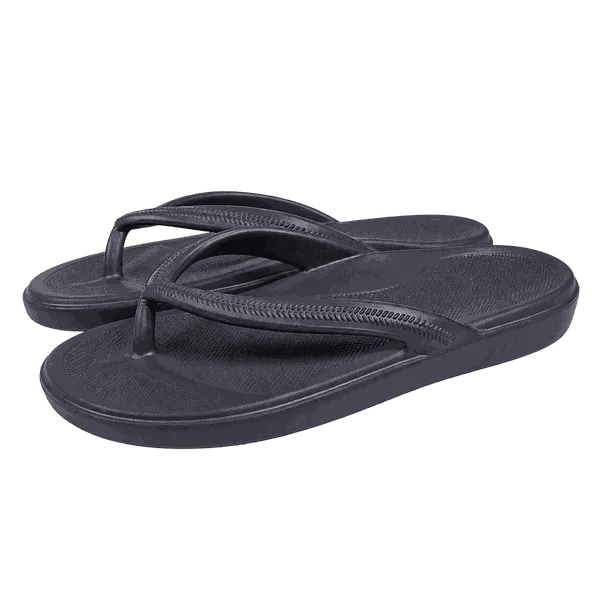
| Mixed categories | Slippers shipped with related footwear, such as slides or flip flops, from the same factory |
How Mixed-Style Orders Affect MOQ and Pricing
Most factories count mixed-style pairs toward a single order total, which can lower your effective minimum order, but the rule usually applies only when the styles share materials and production processes. Typical MOQs run from 50 to 500 pairs for catalog styles and from 500 to 1,000 pairs for custom work, and per-style or per-color minimums may still apply on top of the combined total.
The pricing logic is equally important. Suppliers reward total volume, not variety, so a mixed order that reaches a higher tier across all styles often secures better per-pair pricing than several smaller single-style orders placed separately with the same factory.
How Factories Count Mixed Quantities
Factories organize production around lines and processes. Two sewn slipper styles cut from the same fabric can usually share a line and count toward one minimum. An injection-molded slide and a sewn mule, by contrast, may be treated as separate productions with separate minimums, because they use different tooling and different labor. Custom elements compound this: a printed logo may carry its own setup minimum, and branded packaging may be quoted independently of the slippers themselves. Before paying a deposit, ask for the MOQ calculation in writing, style by style, including any per-color and per-packaging minimums.
Volume tiers shape the price you ultimately lock in:
| Order Quantity | Typical Pricing Effect |
| 200 to 500 pairs | Small-order pricing; usually limited to stock or near-stock styles |
| 500 to 1,000 pairs | Standard tier; simple logo customization becomes available |
| 1,000 to 5,000 pairs | Meaningful per-pair discounts; full color and material options |
| Above 5,000 pairs | Best unit pricing; custom molds and dedicated packaging viable |
A mixed order is often the most practical way for a mid-sized buyer to cross from the first tier into the third without betting the entire budget on one style.
How to Plan Your Style and Size Mix
The safest way to plan a mixed order is to weight both styles and sizes toward proven demand: give the largest share of volume to your best-selling core style and the middle sizes within it, and treat new or trend styles as a limited test rather than an equal partner in the split.
Building a Size Curve That Sells
The most common complaint in bulk-buyer feedback is uneven size distribution: too many large pairs and not enough middle sizes, leaving stock that cannot sell through. Demand for slippers concentrates in the middle of the range, so an even split across every size is structurally wrong. A practical starting curve allocates roughly 60 percent of volume to middle sizes, 25 percent to the adjacent sizes, and 15 percent to the extremes, then shifts as real sales data arrives. A detailed wholesale slipper sizes guide helps translate that logic into a pre-packed ratio your supplier can actually produce.
Balancing Core Styles and Trend Styles
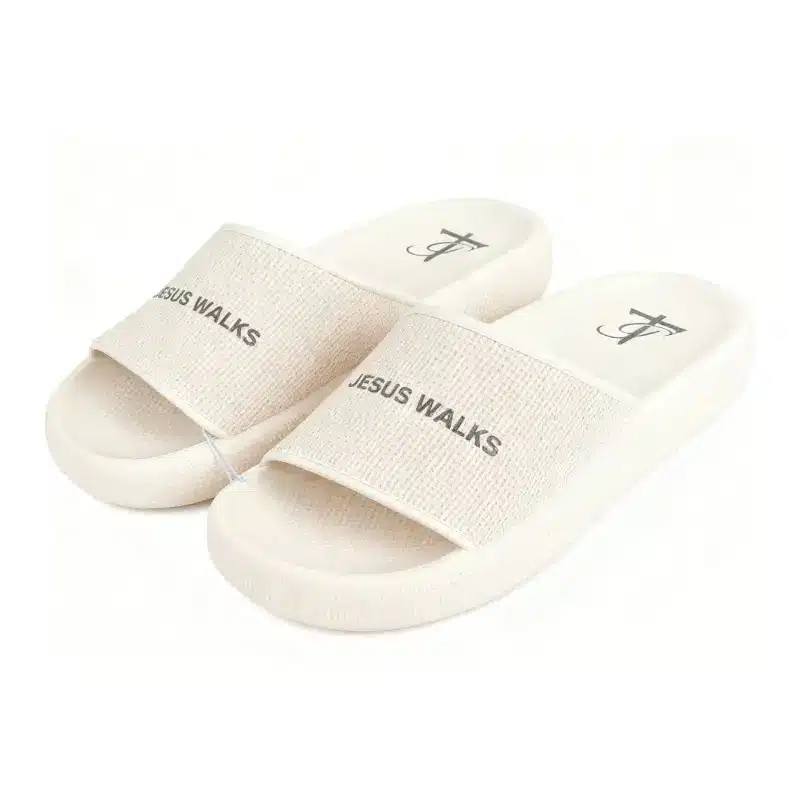
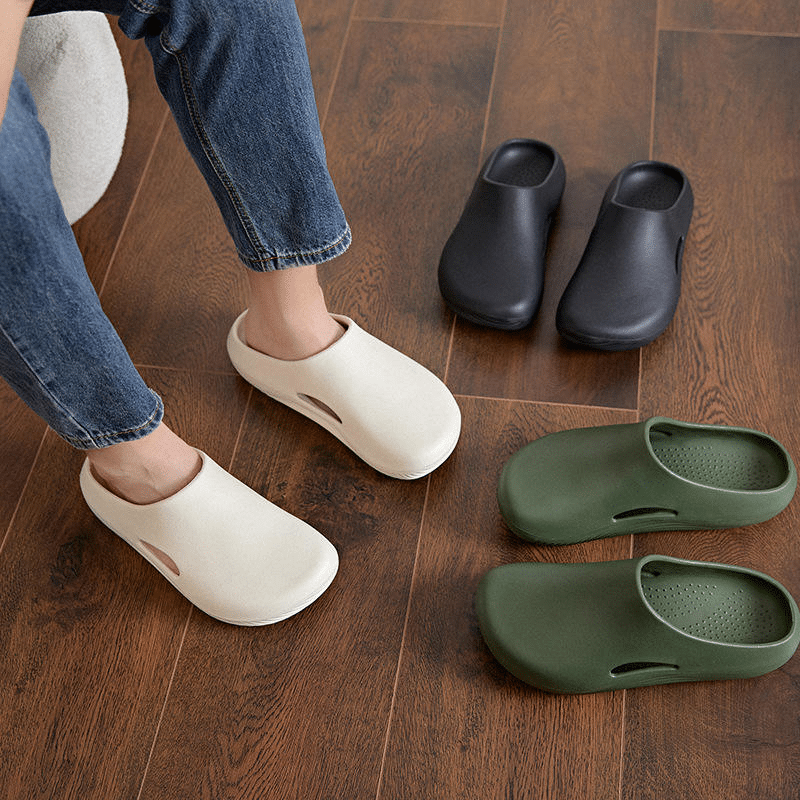
Apply the same discipline across styles. A useful starting point is a split in which proven core styles carry about 70 percent of the order and trend styles carry about 30 percent. Core styles protect cash flow because they reorder predictably; trend styles protect relevance because they test what the market will want next season. Retailers serving warm climates frequently round out the mix with wholesale slides shoes, pairing them with closed mule slippers so a single shipment covers both the summer peak and year-round demand.
Material Selection Across Different Styles
When the styles in a mixed order use different materials, unit prices and production schedules can diverge sharply, so map each style to a material tier before requesting a quote rather than after receiving one.
Molded styles such as slides and clogs are usually produced in EVA, short for ethylene-vinyl acetate, a copolymer foam valued in footwear for its light weight, cushioning, and water resistance. Fabric house slippers move the cost into uppers and linings, where plush density and sole bonding drive both price and perceived quality. Outsole material matters for safety-critical uses: EVA soles are light but can be slippery when wet, while rubber or TPR outsoles add grip and durability at a higher cost.
For each style in the order, confirm material density, hardness, sole thickness, and slip resistance in the specification sheet. Material families also affect MOQ counting, because styles that share a material are more likely to share a production minimum and a combined quantity threshold.
A practical mapping keeps the whole order coherent. Pair budget-tier EVA styles with promotional or seasonal channels, mid-tier mixed-material styles with everyday retail, and premium constructions with boutique or gifting channels, so that each style in the shipment lands in the market segment it was built for.
Sampling and Quality Control for Mixed Orders
In a mixed order, every style must be sampled and inspected separately, because the shipment is only as reliable as its weakest style; one approved sample does not cover the other products traveling in the same cartons.
Request a pre-production sample for each style and sign off on it individually, checking material feel, color accuracy, sizing, stitching or molding quality, and logo placement. For custom or high-value orders, a shipment sample pulled from finished bulk production provides a final check before the goods leave the factory. A structured slipper quality control inspection should then verify the full order against the approved samples, covering size accuracy, color consistency, sole bonding, strap strength, pair matching, and carton markings for every style, not just the largest one.
The same scrutiny applies to the supplier. Factories that refuse samples, quote prices that seem too good to be true, or cannot provide verifiable business details should be treated as risks regardless of how attractive their mixed-order terms appear.
Shipping, Lead Time, and Landed Cost
Mixed-style orders are planned backward from the selling season: total delivery time equals production plus ocean transit plus customs clearance, and the order should be placed early enough that a multi-week delay does not push arrival past the sales window.
Custom production commonly runs 25 to 45 days after sample approval, and that figure covers manufacturing only. Ocean freight adds several more weeks, and peak-season congestion or holiday shutdowns can extend both stages. Air freight suits samples and urgent replenishment but is rarely economical for full mixed orders. Trade terms defined under Incoterms, such as FOB and CIF, set out which side pays for each leg of freight and insurance, which is why two quotes at the same unit price can land at very different total costs.
| Cost Element | What to Verify |
| Quoted unit price | Whether packaging, logo work, and testing are included or billed separately |
| Freight and insurance | Which trade term applies and what it assigns to each party |
| Import duties and clearance | Destination-market rates for the materials in each style |
| Warehousing and inland transport | Real cost per pair for the slower-selling styles in the mix |
Because duty rates and labeling rules can differ by material and by destination market, ask your supplier for the correct product classification for each style in the order before the goods ship, and confirm that country-of-origin and fiber-content marking requirements are met for every construction.
Common Mistakes to Avoid in Mixed-Style Orders
Most failed mixed orders trace back to a short list of preventable mistakes, every one of which can be closed out with written confirmation before the deposit is paid.
- Assuming styles count toward one MOQ. Factories differ, and the answer changes with materials and tooling. Get the calculation in writing, style by style.
- Accepting an even size split. Even splits create dead stock in fringe sizes and stockouts in the middle of the range where demand concentrates.
- Sampling only the largest style. Quality varies across styles and production lines, and every style in the shipment needs its own approved reference.
- Comparing quotes on unit price alone. Freight, duties, packaging, and testing often add 20 to 40 percent to landed cost and decide which supplier is actually cheaper.
- Placing seasonal orders inside the peak window. Late orders face stretched lead times exactly when factories are busiest, risking arrival after the selling season ends.
Handled well, a mixed-style order gives a smaller buyer the assortment breadth of a much larger one, with inventory concentrated where demand actually sits.
Frequently Asked Questions
Can men’s and women’s slippers be combined in one bulk order?
Usually yes, when the styles share materials and production processes. Some suppliers also offer unisex sizing, which consolidates the size curve and simplifies the order. Per-style minimums may still apply, and sizing standards differ between men’s and women’s ranges, so confirm the size breakdown for each range in writing before production begins.
How far in advance should a seasonal mixed order be placed?
For custom styles, plan 90 to 120 days before the required arrival date, then add buffer for peak-season congestion and factory holidays. Working backward from the selling window, rather than forward from the order date, is what separates a shipment that lands in time from one that misses the season entirely.
Do mixed-style orders work for private-label branding?
Yes, and they are often the practical entry point for a new brand. Branding elements such as logos, labels, and packaging are applied per style, and each custom element may carry its own minimum. A common approach brands the core styles first and extends branding to trend styles once reorders confirm which ones have earned their place.