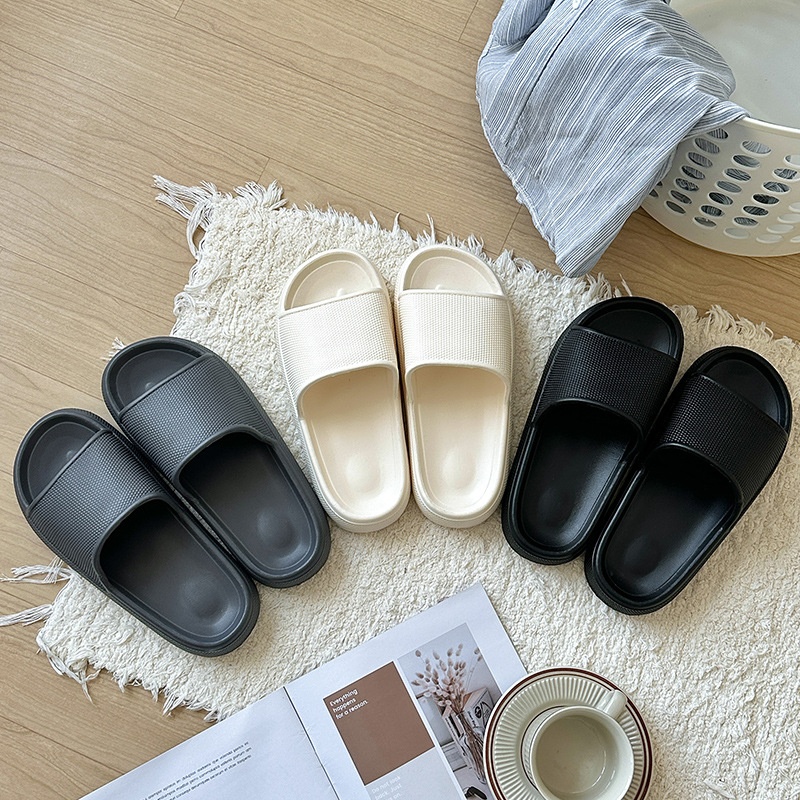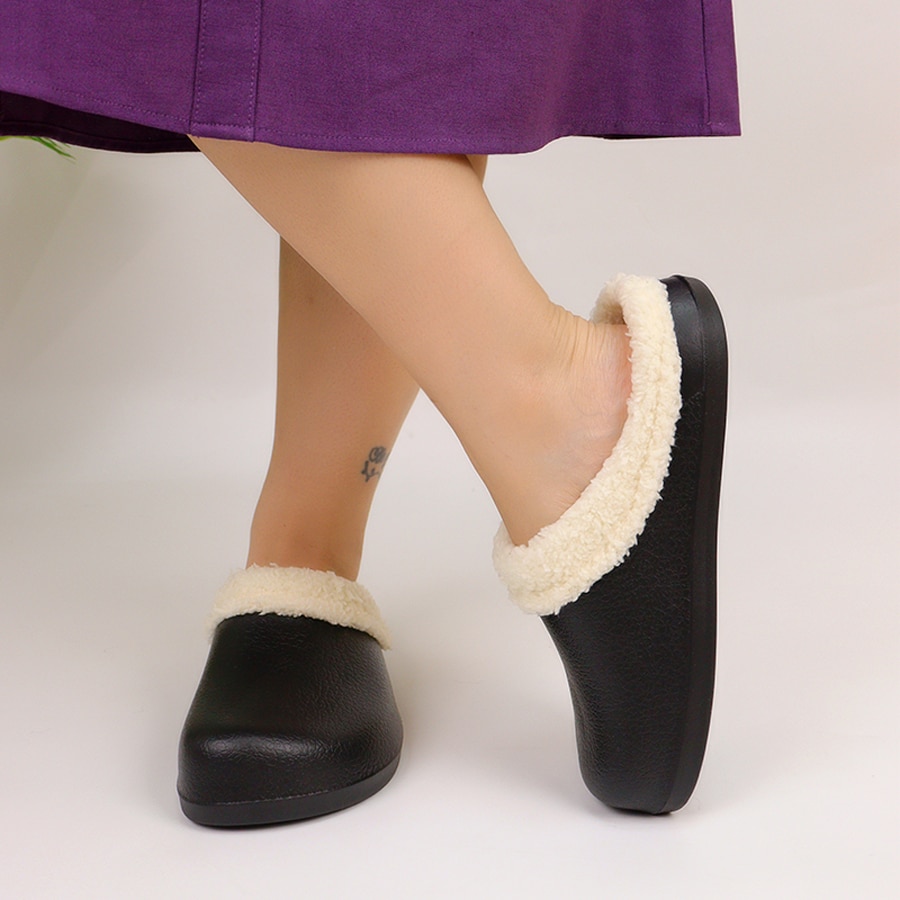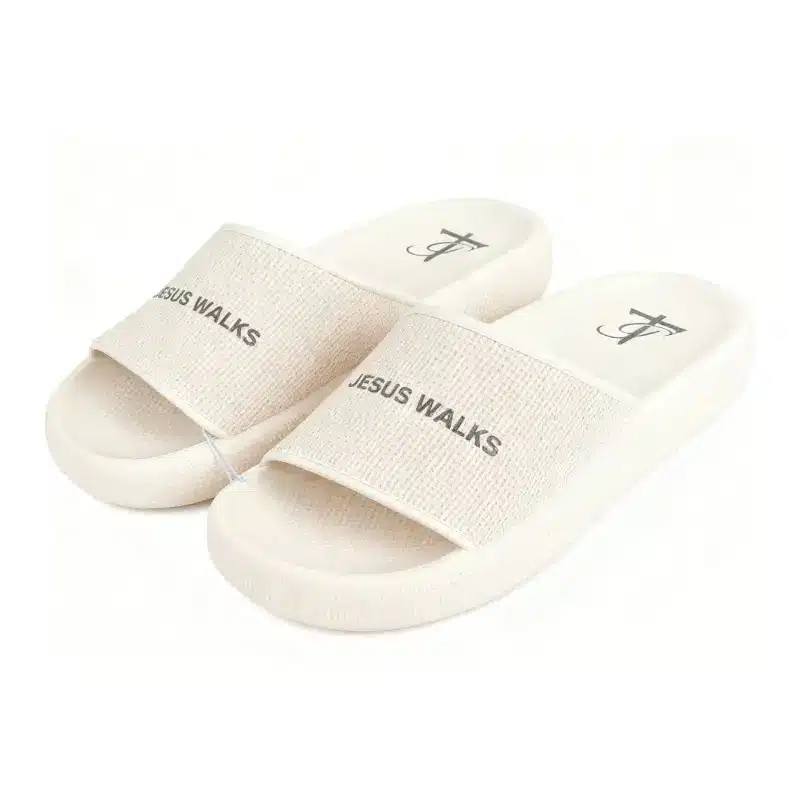
Slippers are one of the most seasonally volatile categories in footwear. Search interest and sales surge from November through January, climb again between May and August, and fall sharply in the shoulder months in between. For retailers, e-commerce sellers, and hotel supply buyers, this volatility creates a familiar dilemma: order too early or too heavily and capital sits in unsold stock, order too late and the season passes while the container is still on the water. Because wholesale slippers move through factories, quality checks, and ocean freight before they ever reach a shelf, seasonal preparation is a supply chain exercise as much as a buying decision.
To prepare for seasonal demand spikes in wholesale slippers, start planning three to six months before your selling season. Build a backward purchasing timeline from your target shelf date, forecast demand from historical sell-through and search trends, split your assortment between stable indoor styles and seasonal peak drivers, hold a 10 to 20 percent buffer, and secure production slots with your factory before peak season begins.
The sections below break each of these steps into a practical playbook you can apply to your winter and summer buying cycles.
Why Demand for Wholesale Slippers Spikes Seasonally
Slipper demand follows two predictable peaks each year: a winter spike from November through January, driven by cold weather and gift giving, and a summer spike from May through August, driven by travel, beachwear, and indoor-outdoor comfort trends.
Slippers sit at the intersection of necessity and comfort. As Wikipedia notes, slippers are lightweight indoor footwear designed for comfort and protection of the feet at home, and that domestic function is exactly what makes the category so weather-sensitive. When temperatures drop, closed-toe, lined, and plush styles become daily essentials rather than impulse purchases. When temperatures rise, demand rotates toward open silhouettes such as slides, sandals, and flip flops.
Winter Peaks and Gift-Season Demand
The winter peak is the strongest of the two. Search interest for winter slippers rises from September, peaks in December and January, and collapses by March. The gift season amplifies the curve: holiday retail spending in the United States alone has exceeded one trillion dollars across November and December, according to the National Retail Federation, and footwear, cozy apparel, and low-cost comfort gifts capture a meaningful share of it. A fuzzy slipper set is a classic, affordable, low-risk gift, which means winter orders from retailers often include both replacement demand and gift-driven volume.
Summer and Travel-Driven Demand
The summer peak behaves differently. Outdoor slipper sales commonly grow two to three times between May and August in tourism-heavy regions, and the drivers are vacation schedules, resort retail, and lightweight EVA styles that trend quickly on social media. Summer demand is faster and more fashion-driven, which shortens the full-price selling window and makes replenishment speed a competitive factor rather than a pure logistics detail.
How to Forecast Seasonal Demand for Slippers
Accurate slipper demand forecasting combines three inputs: your own historical sales data, external demand signals such as search trends and climate patterns, and a realistic growth assumption that reflects your channel expansion rather than market hype.
Single-source forecasts fail in seasonal categories. A factory may tell you a style is “hot,” and a trending video may spike interest for two weeks, but neither tells you how many pairs your specific customers will buy. Layering data sources gives you a forecast you can actually order against.
Start with Historical Sales Data
Your own sales history is the most reliable predictor you own. Review at least two full years of data, segmented by month, style family, size, and color. Calculate sell-through rate rather than just units sold, because sell-through exposes the difference between styles that sold and styles that were merely stocked. Key metrics to extract include:
- Peak-month units as a multiple of your average month
- Sell-through rate by style at the end of each season
- Stockout weeks, which hide unmet demand and understate true opportunity
- Clearance depth required to clear residual winter stock
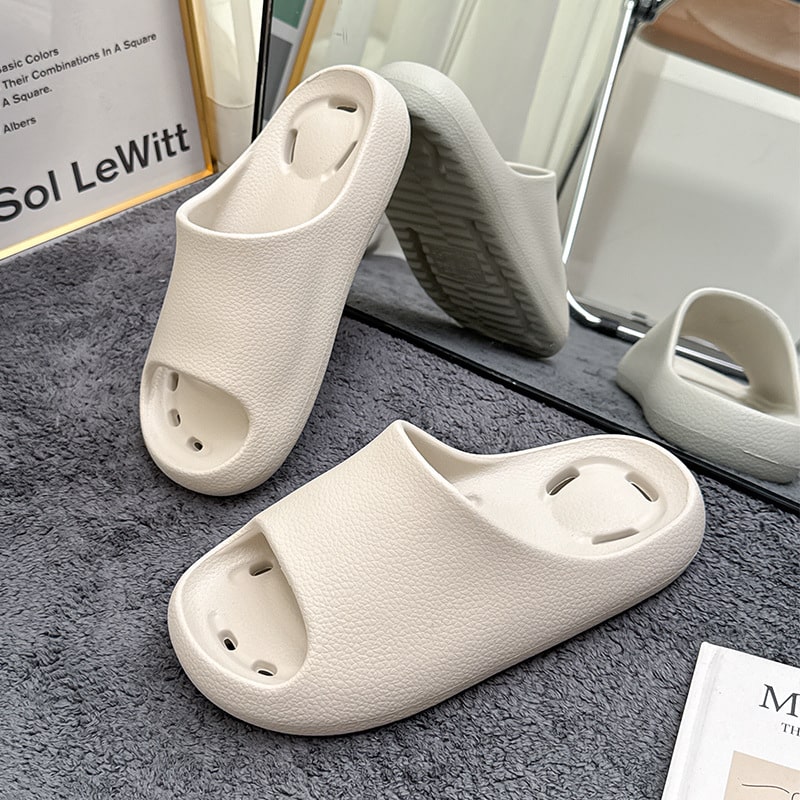
Layer in Search Trends and Market Signals
Historical data describes the past; external signals indicate how the coming season may differ. Public search trend tools show when consumer interest in winter slippers begins rising, typically September, which tells you when to finalize rather than start your planning. Regional climate forecasts matter as well: a colder-than-normal winter forecast in your core market supports a larger lined-slipper order, while a mild forecast argues for a conservative buy with faster mid-season replenishment. Finally, apply a measured growth assumption to your base forecast, typically your actual channel growth rate, not the category headlines.
Building a Backward Purchasing Timeline
Work backward from the date stock must be on shelves or live on your site, and you will find that the order needs to be confirmed with a factory roughly three to six months in advance, with custom designs at the longer end of that range.
Most seasonal buying failures are not forecasting failures; they are timing failures. A buyer who accurately predicts 5,000 pairs of winter demand but confirms the order in October will still miss the season, because production slots, materials, and vessel space are already committed. A realistic backward timeline for a seasonal slipper program looks like this:
| Stage | Time Required | Days Before Shelf Date |
| Supplier selection and negotiation | 1 to 2 weeks | 105 to 120 days |
| Sampling and sample approval | 1 to 2 weeks | 95 to 105 days |
| Bulk production | 15 to 30 days | 65 to 95 days |
| Sea freight and port clearance | 4 to 8 weeks | 0 to 65 days |
For a December 1 shelf date, the order should be confirmed by early September at the latest, which means starting supplier conversations in August. Understanding how MOQ, pricing, and lead time interact at each stage helps you pressure-test quotes that promise unrealistic delivery windows.
Account for Peak-Season Lead Times
Lead times are not fixed. A factory that produces a standard order in 15 days during the quiet season may quote 25 to 30 days in peak season, not because it became slower, but because your order now queues behind orders placed earlier. Production capacity cannot expand overnight; what changes is how many orders compete for the same production hours. Two calendar events deserve special respect. First, the weeks before Chinese New Year shut most slipper production lines for three to four weeks, and any order not shipped before the holiday is effectively stalled a month. Second, peak shipping season drives up freight rates and reduces vessel space, so late bookings cost more per container as well as arriving later. Experienced buyers add a two-week buffer to every quoted lead time during these windows.
Choosing the Right Slipper Mix for Each Season
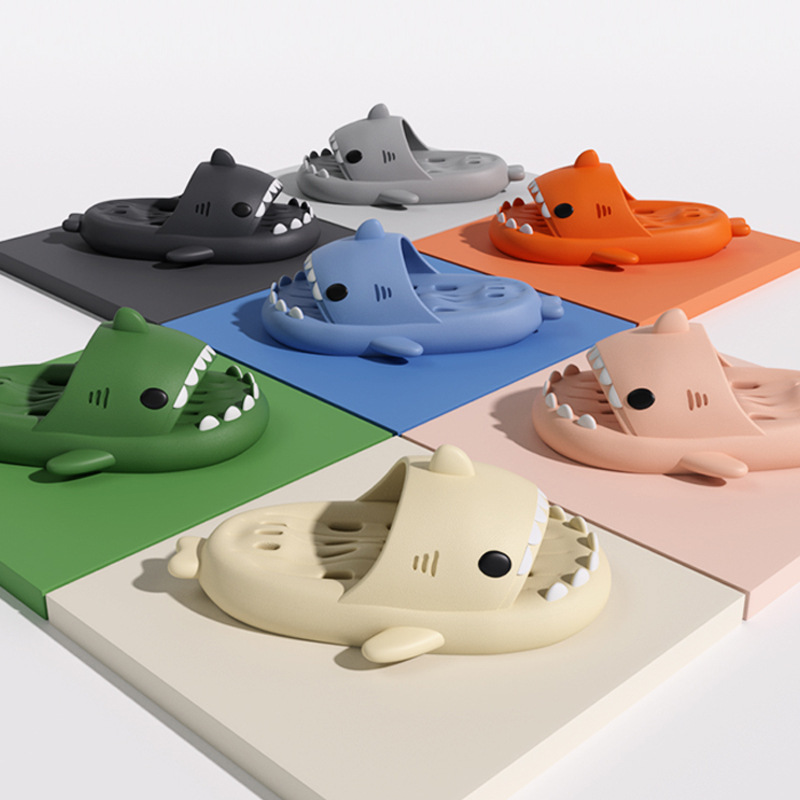
A resilient seasonal assortment splits the order into two roles: stable year-round indoor styles that protect cash flow, and seasonal peak drivers such as plush winter styles and lightweight summer slides that capture margin during spikes.
Treating every style as equally seasonal is the most common assortment mistake. Indoor house slippers generate steady demand across all twelve months with low inventory risk, while seasonal styles deliver most of their annual volume in a ten-week window. Splitting the order between the two roles balances turnover against peak profits. A practical starting structure for many retailers is roughly 70 percent stable indoor volume and 30 percent seasonal peak styles, adjusted for channel: hotel and institutional buyers weight further toward indoor styles, while e-commerce and resort retailers weight toward trend-driven seasonal product.
| Season | Priority Styles | Demand Character |
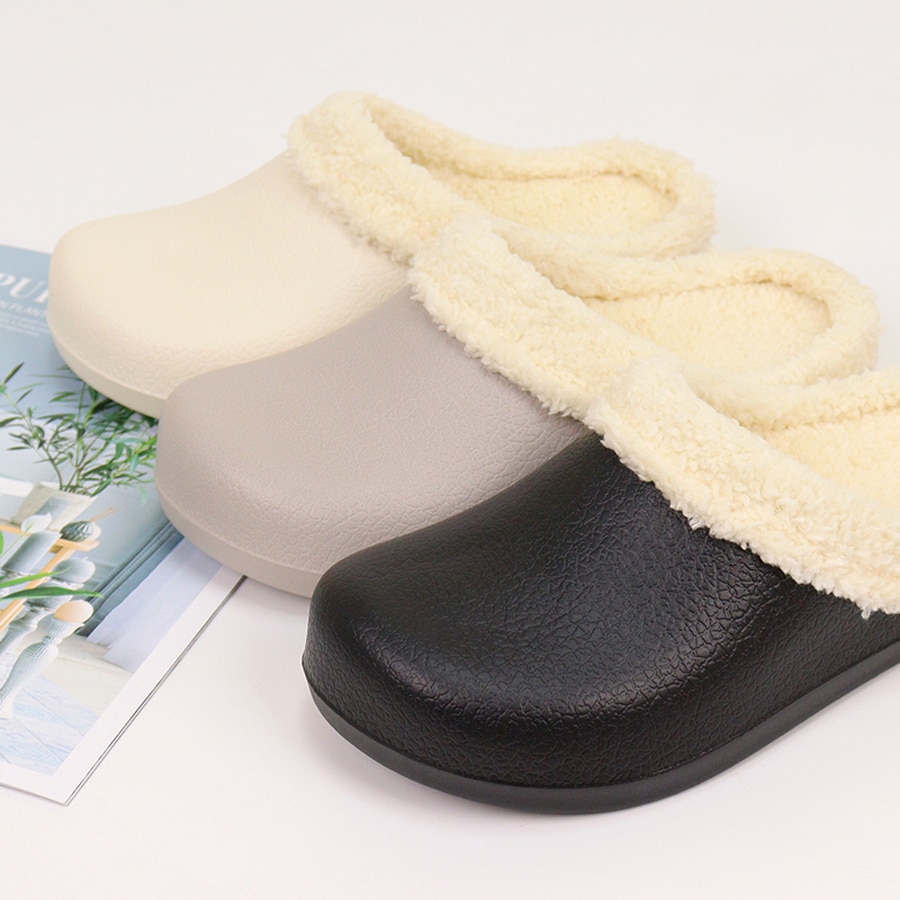
| Winter (Oct to Mar) | Bulk fuzzy slippers, lined clogs, wool and plush styles | Gift-driven, highest annual peak |
| Summer (Apr to Sep) | EVA slides, sandals, beach and pool slippers | Trend and travel driven, fast cycle |
| Year-round | Wholesale house slippers, hotel and spa disposables | Stable, low seasonality risk |
Size curves deserve the same discipline as style selection. Seasonal gift purchases skew toward common middle sizes and women’s sizes, while institutional buyers need consistent size ratios. Getting the curve wrong leaves you clearing odd sizes at a discount even when the style itself succeeded.
Managing Buffer Stock and Mid-Season Reorders
Hold a buffer of roughly 10 to 20 percent above your base forecast for proven bestsellers, and arrange replenishment capability with your factory before the season starts, because an empty shelf in peak season costs more than a small carryover.
Buffer stock is insurance, and like all insurance it should be priced. The cost of carrying extra pairs is storage and eventual markdown risk; the cost of a stockout is lost revenue at full price, disappointed repeat customers, and ranking damage for online sellers. For proven styles with stable demand, the stockout cost almost always exceeds the carryover cost. For unproven new styles, the reverse is true, which is why buffers belong on bestsellers, not experiments.
Set Realistic Buffer Stock Levels
Size your buffer on evidence rather than instinct. If historical data shows your best style sold out three weeks before the season ended, the unmet demand captured in those stockout weeks is your minimum buffer signal. Add a modest increment for forecast error, and resist the temptation to solve every uncertainty with volume, because a $0.50 per-pair saving is not worth 500 unsold pairs sitting in a warehouse through the off-season.
Plan Reorders Before the Season Starts
Mid-season replenishment only works if it is arranged in advance. Discuss reorder terms with your factory when placing the initial order: confirm whether a repeat production run can be completed within the season, agree on the mechanism for triggering a reorder, and ask whether the factory can hold materials for your key styles. A reorder that takes 90 days to arrive does not serve a ten-week peak. Buyers who pre-agree reorder capacity consistently protect their full-price selling window, while buyers who discover their reorder timing in November are already too late.
Securing Production Capacity with Your Supplier
The buyers who navigate seasonal spikes most smoothly treat capacity as something to be reserved, not requested: they share an annual demand forecast, confirm production slots in writing well before peak season, and place repeat orders before the rush rather than during it.
Factories plan materials and line schedules around the orders they can see. An indicative annual forecast, even a non-binding range such as an estimated Q4 requirement of 20,000 to 50,000 pairs, lets your supplier pre-position fabric, EVA compound, and packaging, and quote more realistic lead times. When the peak arrives, the factory has already accounted for your volume. Several practices make this cooperation concrete:
- Confirm production scheduling in writing at least eight weeks before your target ship date
- Ask whether production slots can be reserved now for a later production date
- Place repeat orders of proven styles before peak season begins, since the mold exists and the line already knows the product
- Maintain a clear specification sheet so repeat orders do not restart sampling from zero
Long-term cooperation with reliable slippers manufacturers compounds these advantages. A factory that knows your specifications, packaging, and quality standards can turn reorders around faster and prioritize your schedule when capacity tightens, which is precisely when it matters most. Seasonal spikes reward preparation, and preparation is built across seasons, not during them.
FAQs
What is a typical MOQ for wholesale slippers?
Minimum order quantities vary by product type and supplier. Stock and ready-made styles may be available from 50 to 200 pairs per style, while custom designs with logos, colors, or private molds typically require 500 to 1,000 pairs or more. Custom mold development carries the highest thresholds and the longest lead times, so seasonal buyers with tight windows often start with existing molds and customize colors and branding instead.
Can I reorder mid-season if a style sells out faster than expected?
Yes, but only if the capability was arranged in advance. Standard styles from a factory with available materials can sometimes be reproduced in one to two weeks during quiet periods, yet the same order may take four or more weeks during peak season. Pre-agreeing reorder terms, holding materials, and confirming the factory’s daily capacity when you place the first order determines whether a sellout becomes a reorder or a missed opportunity.
How can small retailers prepare for seasonal spikes without large capital?
Small buyers can manage seasonality by ordering stock and semi-custom styles with low minimums instead of full custom production, concentrating budget on two or three proven core styles rather than a wide assortment, and staggering deliveries so capital is released gradually as early-season sales fund later receipts. Using suppliers that offer mixed-size and mixed-style consolidation within one order also reduces the volume threshold of each individual decision.