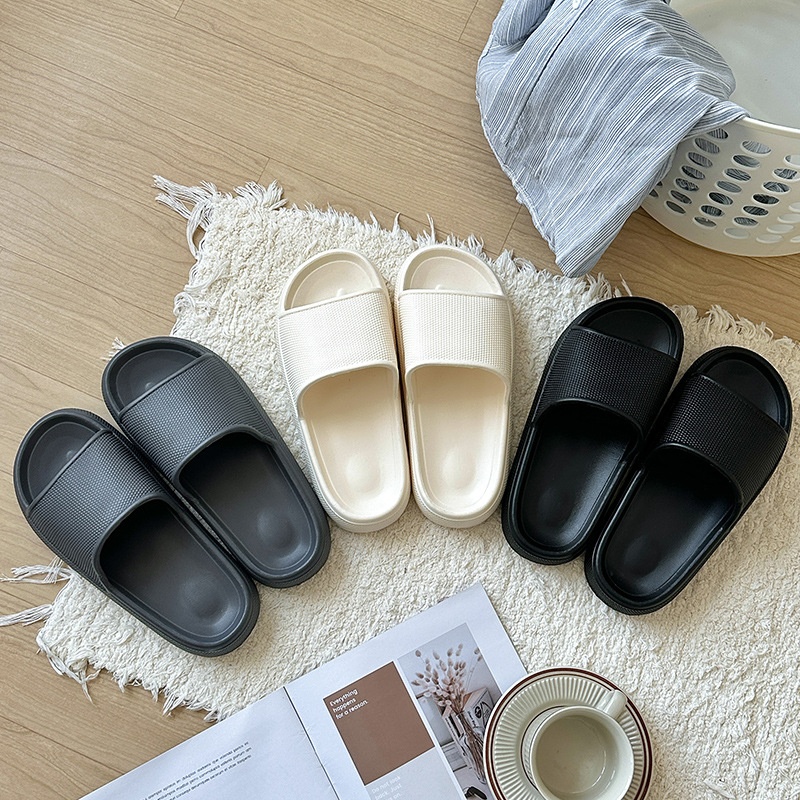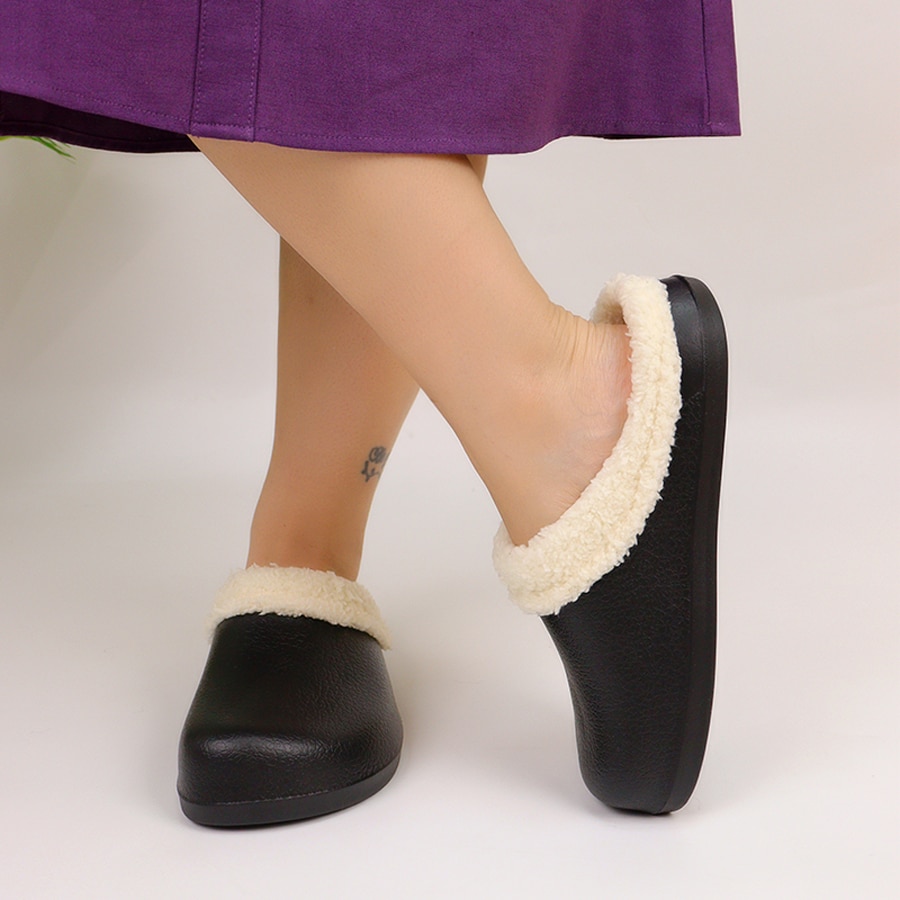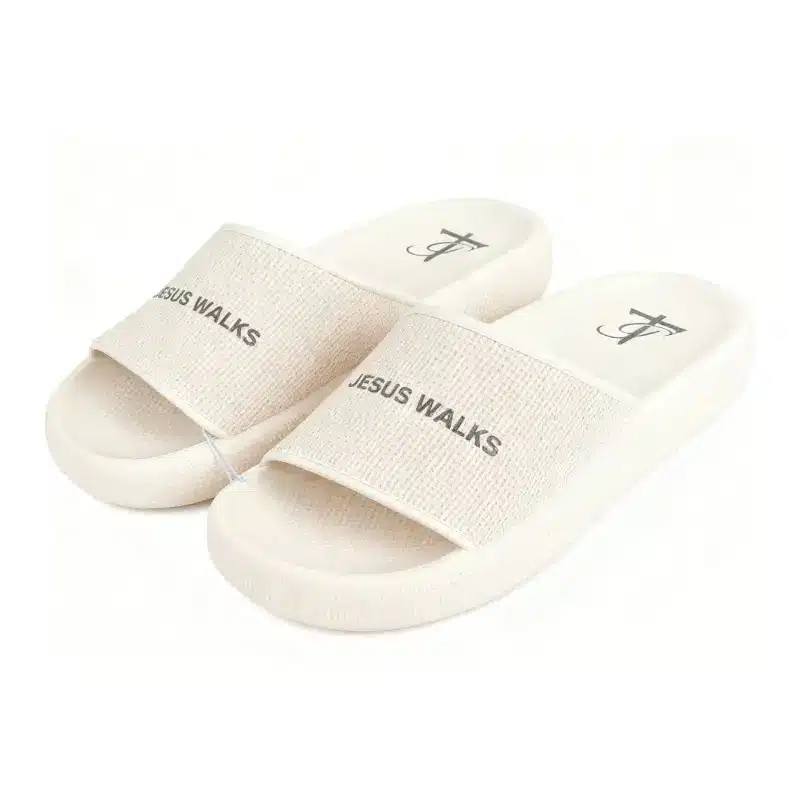
Most brands that source a custom slipper program spend weeks on design, sampling, and price negotiation, then leave warranty terms to a single line buried in the proforma invoice. That single line decides who absorbs the cost when soles delaminate in a humid climate, when logos peel after two weeks on a retail shelf, or when an entire batch fails inspection at your warehouse. Footwear is a bonded, multi-material product, and adhesive and foam failures are a normal industrial risk. The factory’s written guarantee is the mechanism that allocates that risk, which is why a slippers manufacturer that resists putting quality commitments in writing deserves careful scrutiny before any deposit changes hands.
A workable warranty for custom slipper orders should specify five things: which defects in materials and workmanship are covered, how long coverage lasts and from which date it starts, how a claim is filed and what evidence must accompany it, which remedy the manufacturer will apply, and which forms of damage are excluded. Agreed in writing before production begins, these quality terms protect your brand from absorbing factory-side failures while giving the manufacturer a defensible and predictable liability boundary.
The sections below explain each element in detail, from drafting the clause with your factory to filing a claim that gets paid.
What a Manufacturer’s Warranty Includes
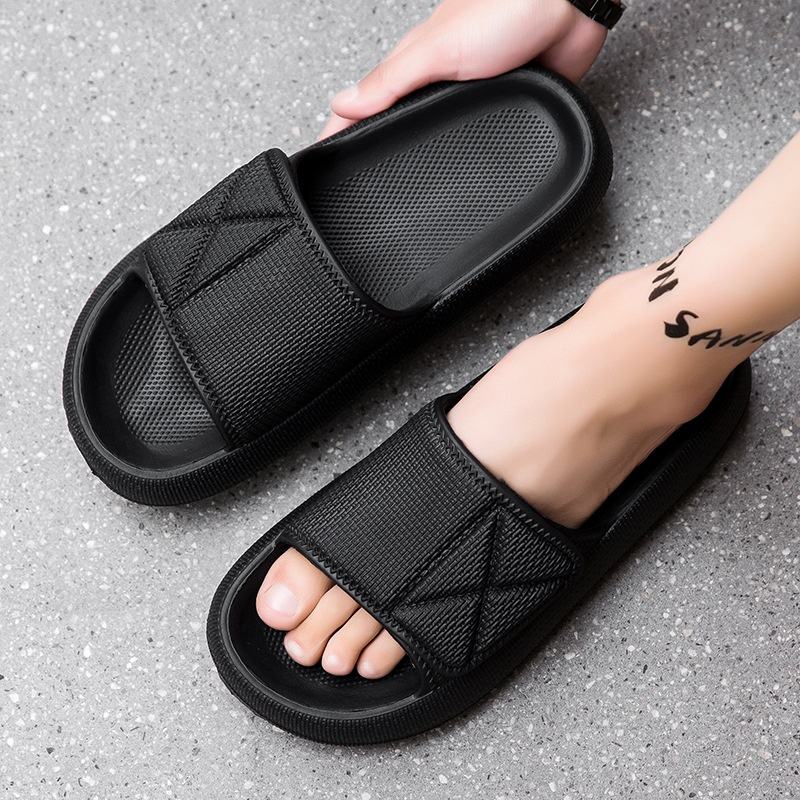
A manufacturer’s warranty on custom slippers covers defects that originate in the factory: sole separation caused by adhesive failure, EVA foam that cracks or shrinks outside specification, straps and buckles that break under normal use, stitching that unravels, and printed or embossed logos that peel prematurely. It does not cover damage occurring after delivery through normal wear, misuse, improper storage, or unauthorized modification. Coverage applies only when the product is used as intended and claimed within the stated period.
In commercial practice, a warranty splits into two branches. An express warranty is the written commitment your factory signs, such as a twelve-month guarantee against bonding defects. An implied warranty arises automatically from the transaction itself, regardless of any document, and in many jurisdictions it cannot be disclaimed in consumer sales. Understanding this distinction, as explained in this overview of express and implied warranties, prevents a common trap: assuming that silence in the contract means the factory carries no quality obligation at all.
Defects Typically Covered
- Sole separation and midsole delamination traceable to adhesive or molding faults
- EVA or PVC foam degradation, including abnormal shrinkage, hardening, or tearing
- Strap, buckle, and hardware failures occurring under normal wear
- Seam and stitching failures in fabric or textile uppers
- Color migration, logo peeling, or print fading that appears well before a reasonable service life
Common Exclusions
Nearly every footwear warranty excludes a standard set of scenarios, and your quality terms should mirror them explicitly rather than leaving them open to argument:
- Normal wear and tear, including sole abrasion and footbed compression
- Damage from machine washing, bleach, solvents, or prolonged sun exposure
- Cuts, burns, and accidents occurring after delivery
- Alterations, unauthorized repairs, or third-party modifications
- Fit or comfort complaints raised after products have been worn or resold
Basic Terms of a Slipper Warranty
The basic terms of any warranty answer six questions: who is covered, what is covered, for how long, from which starting date, through which claim procedure, and with which remedy. For custom slipper programs, each answer must be written into the manufacturing agreement or a signed warranty annex, because verbal assurances from a sales team carry no weight once a batch is already on the water.
| Term | What It Defines |
| Coverage period | Total time the guarantee stays valid, for example 90 days, 6 months, or 12 months |
| Start point | Whether the clock starts at shipment, vessel arrival, warehouse receipt, or final inspection |
| Scope | Listed defect categories such as bonding failures, foam degradation, or hardware breakage |
| Claim window | Maximum time after discovering a defect to submit a claim, often 7 to 30 days |
| Remedy | Replacement, repair, credit, or refund, and which party selects among them |
| Liability cap | Ceiling on the manufacturer’s total exposure, usually the value of the affected order |
A wholesale or private label warranty also differs fundamentally from a retail one. Consumer purchases are protected by the statutory rights of the selling market, which cannot be contracted away. A B2B warranty, by contrast, is a negotiated clause between two companies, so its strength depends entirely on how specifically you draft it.
How to Write Warranty Terms and Conditions With Your Manufacturer
To write warranty terms for a custom slipper order, draft the clause in four blocks: scope and duration, claim procedure and evidence, remedies and liability, and exclusions. Each block should use plain language with measurable thresholds, be attached to the purchase contract as a signed annex, and be checked against the consumer protection laws of your selling market, since obligations toward your end customers survive the B2B clause.
Define Scope, Duration, and Start Point
Vague scope is the single largest source of warranty disputes. “Quality problems” is unenforceable; “sole separation visible within 90 days of delivery, where adhesive failure is confirmed by cross-section inspection” is enforceable. Define the starting point precisely, because a container that spends 30 days at sea and another 30 in customs effectively consumes a quarter of a one-year warranty before a single pair reaches a shopper. Common compromises include starting coverage at warehouse receipt or adding a transit buffer of 15 to 30 days.
Set the Claim Procedure and Evidence Requirements
Specify the documentation a valid claim needs: purchase order number, batch or lot code, production date stamped on the inner carton, and photographs showing both the defect and the full product. Setting response deadlines, such as acknowledgment within 3 business days and assessment within 10, keeps claims from stalling. In the United States, regulators publish detailed warranty disclosure requirements for statements made to consumers, and mirroring that discipline in a B2B clause costs nothing while making every term harder to dispute.
Specify Remedies and Liability Limits
Rank the remedies in order of preference: replacement of defective units in the next shipment, credit against the outstanding balance, repair where feasible, and refund as a last resort. State who chooses the remedy, who bears freight for replacement goods, and a liability cap, which is conventionally set at the value of the affected order. Exclude consequential damages such as lost retail sales explicitly, so neither party can inflate a claim later.
Warranty Periods and Commercial Terms in Slipper Manufacturing
Warranty periods in custom footwear manufacturing cluster around four benchmarks: 30 days for basic defect-on-arrival coverage, 90 days for standard wholesale orders, 6 months for designs with straps, buckles, or multi-layer bonding, and 12 months for premium programs where the brand expects factory accountability across a full retail season. Longer coverage almost always correlates with tighter pricing, higher order minimums, or stricter inspection, so treat the warranty period as a negotiable commercial term rather than a fixed constant.
| Warranty Period | Typical Application |
| 30 days | Defect-on-arrival coverage for promotional or seasonal slippers |
| 90 days | Standard wholesale programs with simple EVA construction |
| 6 months | Designs with hardware, straps, or multi-layer bonding |
| 12 months | Premium private label programs with full lot traceability |
A warranty commitment never travels alone. It is priced against the factory’s defect statistics, absorbed into unit cost, and bounded by order minimums and production scheduling. Before accepting a warranty offer, request the same transparency you would apply to MOQ, pricing, and lead time, because a factory that obscures its commercial terms rarely volunteers its defect history. A manufacturer offering twelve-month coverage on the same price list as competitors offering thirty days is either unusually confident or unusually vague about what counts as a defect.
How to Claim Warranty on Shoes and Slippers: Step-by-Step
Claiming warranty on footwear, whether as a brand or an end customer, follows five steps: quarantine the affected stock, document the defect with photos and batch data, notify the warrantor in writing within the claim window, cooperate with inspection, and receive the remedy specified in the agreement. Skipping the written notification step is the most common reason valid claims are rejected.
- Quarantine the affected stock. Segregate defective units immediately, record the quantity by size and color, and stop further resale or distribution while the claim is assessed.
- Document the evidence. Photograph the full product, a close-up of the defect, and the batch stamp, then attach the purchase order number and delivery date.
- Notify the manufacturer in writing. Send the claim to the agreed contact within the claim window, and keep proof of submission such as an email trail.
- Cooperate with the assessment. Return representative samples, allow cross-section or pull-force testing, or accept a third-party laboratory test if the parties disagree on the cause.
- Track the remedy to completion. Confirm whether replacement units ship with the next order, a credit note is issued against the balance, or a partial refund is processed.
For a brand receiving thousands of pairs, individual pairs matter less than batch-level claims. The operative mechanism is a defect rate over a statistically meaningful sample, for example two percent of a lot, supported by the same photographic and batch evidence.
Aligning Warranty Terms With Quality Control
A warranty is only as credible as the inspection process behind it. The strongest quality terms pair a defined coverage period with named pre-shipment checks, agreed sampling levels, and test reports kept on file, because every checkpoint that catches a defect before shipment removes one future claim and lowers the real cost of the warranty itself.
Ask what the factory actually inspects before containers are sealed: bonding strength after molding, strap pull force, print adhesion, size and weight tolerance, and carton conditioning. A documented slipper quality control process with measurable checkpoints gives your warranty language something concrete to reference. Factories that track defect causes can also run root-cause analysis when a claim arrives, correcting the molding temperature or adhesive batch responsible rather than simply replacing units, which is what separates a long-term manufacturing partner from a transactional supplier.
Questions to Ask Before Signing a Warranty Agreement
Before signing, verify that the warranty answers these questions in writing: exact covered defects, coverage start date, claim window, evidence requirements, remedy hierarchy and freight responsibility, liability cap, arbitration venue, and the process for amending terms on repeat orders. Any hesitation to put these answers on company letterhead is itself an answer.
- Which specific defect categories are covered, and which are expressly excluded?
- From which event does coverage start: shipment, arrival, or warehouse inspection?
- What evidence must accompany a claim, and within how many days must it be submitted?
- Who selects the remedy, and who pays freight for replacement goods?
- Is the warranty transferable to your distributors or end retail customers?
- Which inspection standards and sampling levels back the coverage?
Apply the same discipline when you plan the program itself. A sourcing strategy for custom slippers wholesale should treat warranty terms as part of supplier selection, because switching factories after a warranty dispute costs far more than negotiating the clause upfront.
Frequently Asked Questions
Can a warranty be transferred to my retail customers?
Most manufacturer warranties in B2B footwear are issued to the purchasing brand, not the end consumer, and are void once units are resold. If you sell through retailers or direct to consumers, negotiate transferable coverage or a pass-through claims process in the annex, then build your own return policy as the consumer-facing layer on top of it.
Who pays return shipping on international warranty claims?
Practice varies, but most agreements place the initial freight on the claimant, with reimbursement or a credit once the defect is confirmed. For sample-level claims, factories often issue a prepaid label. Because international freight can exceed the value of the returned goods, always negotiate the freight clause before signing.
Does a longer warranty always mean better quality?
No. A twelve-month warranty with vague scope is weaker protection than a ninety-day warranty with measurable defect definitions, evidence rules, and deadlines. Judge a warranty by how precisely it defines defects and remedies, and by the inspection data behind it, not by the coverage length alone.