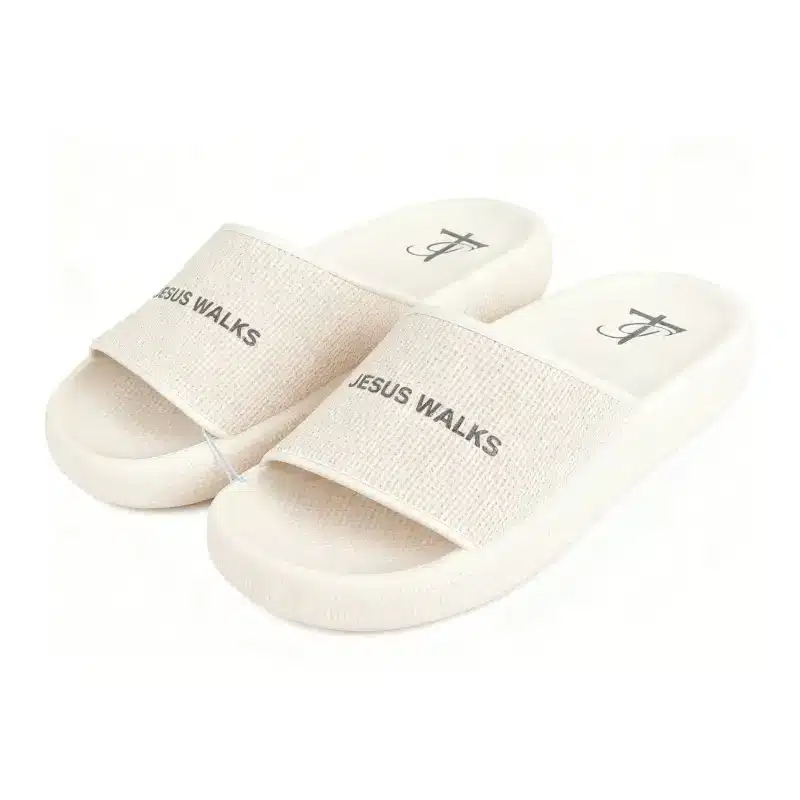
Public bathhouses, thermal spas, and communal shower facilities place unique demands on footwear. Floors stay constantly wet, hundreds of guests pass through each day, and the warm, humid air creates ideal conditions for bacteria and fungi to spread. Choosing the wrong slippers in this environment is not merely a comfort issue; it directly affects hygiene outcomes and slip-and-fall safety for both guests and staff.
The best slippers for public bathhouses are waterproof, quick-drying pairs made from closed-cell EVA foam or rubber, featuring textured non-slip outsoles, drainage holes or channels, and smooth, easy-to-clean surfaces. Styles such as slides, clogs, and flip flops all perform well when these material and design features are present, while fabric, suede, and leather slippers should be avoided entirely.
The sections below break down exactly which features, materials, and styles perform best in wet, high-traffic bathhouse environments, and what facility operators should consider when sourcing them in volume.
Why Slipper Choice Matters in a Public Bathhouse
In a public bathhouse, slippers function as a critical hygiene barrier and a safety device, not casual footwear. Wet floors can harbor the fungi, bacteria, and viruses that cause athlete’s foot, plantar warts, and other skin infections, while slick tile turns barefoot walking into a fall hazard.
Athlete’s foot, known medically as tinea pedis, thrives in exactly the conditions a bathhouse provides: warmth, darkness, and constant moisture. The infection spreads through direct skin contact with contaminated floors and shared surfaces, which is why communal bathing venues are consistently flagged as high-risk settings. The Centers for Disease Control and Prevention explicitly lists the use of public showers and locker rooms without protective footwear as a leading risk factor for fungal skin infections, and recommends wearing shoes or sandals in these areas as a core prevention step.
There is also a secondary hygiene layer to consider: the slippers themselves. Facilities that hand out communal pairs to every guest effectively create a shared contact surface, so the material and cleanability of those slippers matter just as much as wearing them. Dedicated bathroom slippers are engineered for wet environments in ways that ordinary house slippers are not, and understanding that difference is the starting point for any bathhouse footwear decision.
Key Features to Look for in Bathhouse Slippers
A bathhouse-ready slipper combines five non-negotiable features: a textured non-slip outsole, a waterproof and quick-drying upper, drainage openings, a smooth easy-clean surface, and a secure fit that still allows fast on-and-off use. Any pair missing one of these features will underperform in daily communal use.
| Feature | Why It Matters |
| Textured non-slip outsole | Provides grip on wet tile and soap-slicked floors, the top cause of slips |
| Waterproof quick-dry material | Refuses water absorption so slippers do not stay damp between guests |
| Drainage holes or channels | Let water escape instantly instead of pooling under the foot |
| Smooth easy-clean surface | Withstands frequent rinsing and disinfection without degrading |
| Secure open fit | Stays on during walking while allowing feet to air out and dry |
Textured tread patterns, especially horizontal grooves and deep lugs, channel water away from the contact patch and maintain friction where it counts. Drainage design deserves equal attention: perforations in the footbed prevent the squelching water layer that both breeds bacteria and reduces traction. Finally, the fit should hold the foot without straps digging in, because bathhouse guests walk more than they realize, from lockers to showers to steam rooms.
Best Materials for Wet, High-Traffic Environments
Closed-cell EVA foam and rubber are the two materials that consistently perform best in bathhouses, because both repel water, endure repeated disinfection, and maintain grip when wet. Fabric, suede, leather, and cheap open-cell foam all fail one or more of these requirements and should be excluded.
| Material | Wet Grip | Drying Speed | Hygiene | Durability |
| EVA foam | Very good | Very fast | Excellent, no absorption | Good, resists deformation |
| Rubber | Excellent | Fast | Very good, tolerates strong disinfectants | Very good abrasion resistance |
| PVC | Fair, slippery when soaped | Moderate | Acceptable but often stiffens or cracks | Moderate |
| Fabric or leather | Poor | Very slow | Poor, absorbs water and breeds odor | Degrades quickly when soaked |
EVA Foam
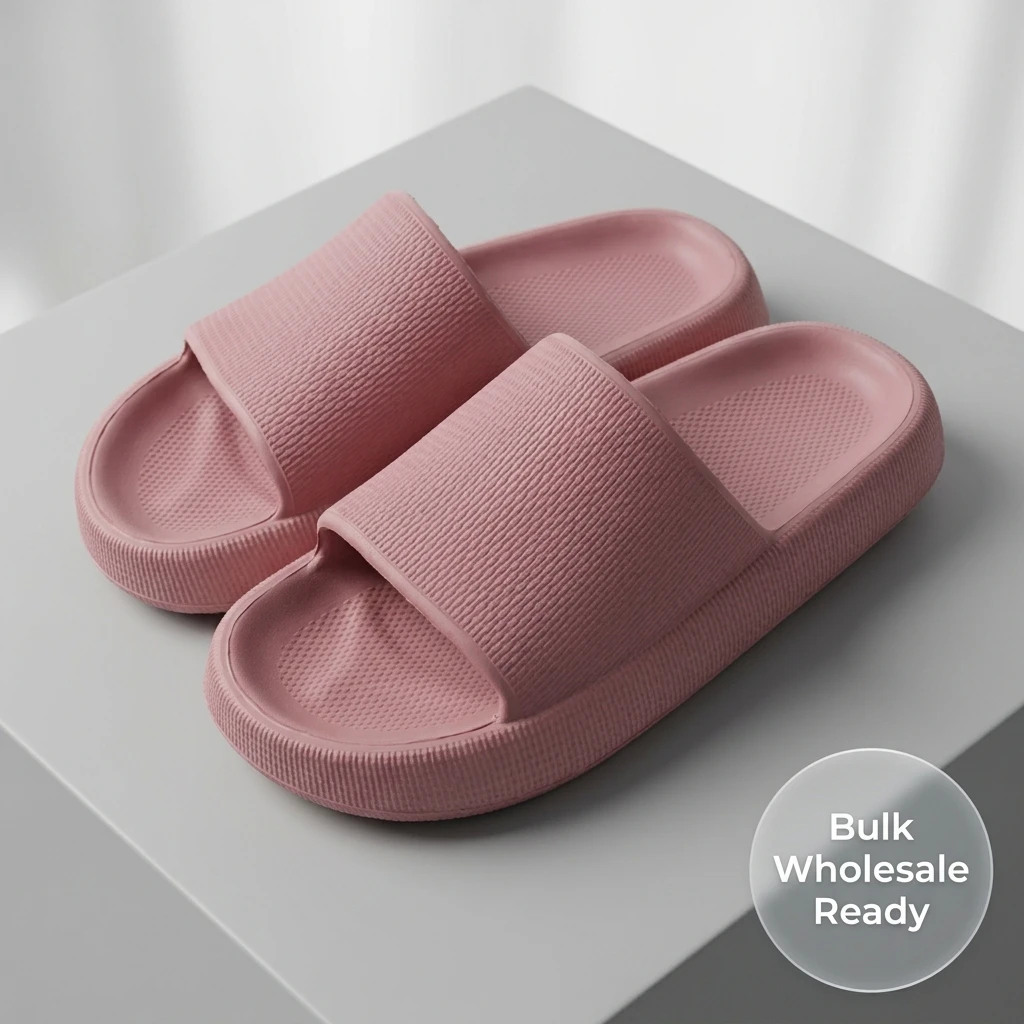
EVA, short for ethylene-vinyl acetate, is the most common choice for communal wet-area footwear for good reason. Its closed-cell structure means the bubbles inside the foam are sealed off from one another, so water and sweat sit on the surface rather than soaking in. It is extremely light, floats, flexes without cracking, and contains no glued seams when molded as a one-piece design, which removes the crevices where grime and biofilm accumulate. It also tolerates rinse-and-air-dry cycles hundreds of times over before showing compression wear.
Natural and Synthetic Rubber
Rubber remains the benchmark for raw wet grip. Dense rubber outsoles bite into smooth tile better than almost any alternative, and the material shrugs off the harsh detergents and chlorine-based disinfectants that communal facilities use daily. Rubber slippers weigh noticeably more than EVA and take slightly longer to dry, which makes them especially suitable for heavy-duty staff footwear or high-traffic rental pairs where longevity outweighs weight.
Materials to Avoid
Anything absorbent has no place in a bathhouse. Fabric, terry cloth, suede, and leather drink in water, stay damp for hours, and provide the warm moist interior that odor-producing bacteria prefer. Low-cost open-cell foam suffers the same failure in a different way: its interconnected bubbles trap moisture, skin cells, and shampoo residue, which is precisely why such slippers develop smells that no amount of surface cleaning removes.
Comparing Common Slipper Styles for Bathhouses
For showering and general bathhouse use, waterproof slides and clogs with drainage holes are the strongest styles: slides offer the fastest on-and-off convenience, while clogs give fuller coverage for longer wear. Flip flops suit light guest use, and disposable slippers fit hotel-style facilities offering single-guest hygiene.
Slides and Flip Flops
Slides are the default bathhouse style for a reason. The single wide strap keeps the foot planted, the fully open design sheds water instantly, and guests can step in and out without touching anything with their hands. Flip flops share these strengths and add a toe post that some wearers feel adds security. Operators planning guest supply often evaluate wholesale slides shoes in bulk precisely because the one-piece molded construction survives institutional laundering far better than multi-part designs.
Clogs
Clogs trade a little convenience for protection. The enclosed toe box shields feet from dropped objects, stubbed toes, and splash-back, while ventilation ports provide the drainage and airflow that keep the interior dry. Their thicker soles also last through more wear cycles, which is why many facilities reserve clogs for staff who spend entire shifts on wet floors.
Disposable Slippers
Single-use slippers, whether thin EVA or nonwoven fabric types, solve the hygiene question at the individual guest level by guaranteeing that no pair is ever shared. The trade-off is durability and cost per guest: they are ideal for spas and hotels that prioritize a premium, worry-free experience, but impractical for high-volume bathhouses that need hundreds of reusable pairs.
Slippers for Sweaty Feet: Breathability and Ventilation
The slippers that serve sweaty feet best are waterproof EVA or rubber styles with ventilation ports or drainage openings, because they never absorb sweat, dry in minutes, and let air circulate around the foot, denying bacteria the moisture they need to grow.
Sweaty feet change the equation in communal settings. Feet that stay damp soften the skin’s outer layer and make it easier for fungi to take hold, so the goal is to move moisture away rather than trap it. Closed-cell EVA is a natural fit: sweat beads on the surface instead of soaking in, and every drainage hole doubles as a vent that flushes humid air out with each step. Perforated clogs perform the same function with even more airflow.
What sweaty feet should avoid is the opposite end of the spectrum: plush, fabric-lined, or memory-foam slippers. These materials absorb perspiration directly and hold it against the skin, creating a personal humid microclimate on top of whatever the bathhouse floor contributes. Guests who sweat heavily should also prefer open designs over closed ones and choose pairs they can rinse quickly after each visit, since a slipper that holds no water also holds no odor.
Hygiene, Cleaning, and Maintenance Practices
Bathhouse slippers stay hygienic through a simple cycle: rinse after use, clean with appropriate agents, disinfect safely for the material, and dry fully upright in ventilated air before the next rotation. Skipping the drying step undoes everything before it.
A practical rotation routine looks like this:
- Rinse each pair under running water immediately after use to remove soap, sweat, and skin debris.
- Scrub with a soft brush and a neutral detergent, paying attention to tread grooves and strap attachments.
- Disinfect according to material: alcohol-based wipes suit EVA foam, while rubber tolerates diluted chlorine solutions followed by a thorough fresh-water rinse.
- Never soak EVA in hot water above roughly 40 degrees Celsius or expose it to strong chlorine bleach, both of which deform the foam.
- Dry pairs standing upright, spaced apart, in moving air, and away from direct heat or prolonged sunlight.
- Rotate at least two full sets so one batch dries while the other is in circulation.
Because trapped moisture is the root cause of odor, the same logic behind how to keep slippers from smelling applies to institutional stock at scale. Inspect pairs weekly for worn tread, compressed footbeds, cracked straps, or lingering smell despite cleaning, and retire them on the first clear sign of deterioration rather than the calendar.
Sourcing Slippers for Bathhouse Operations
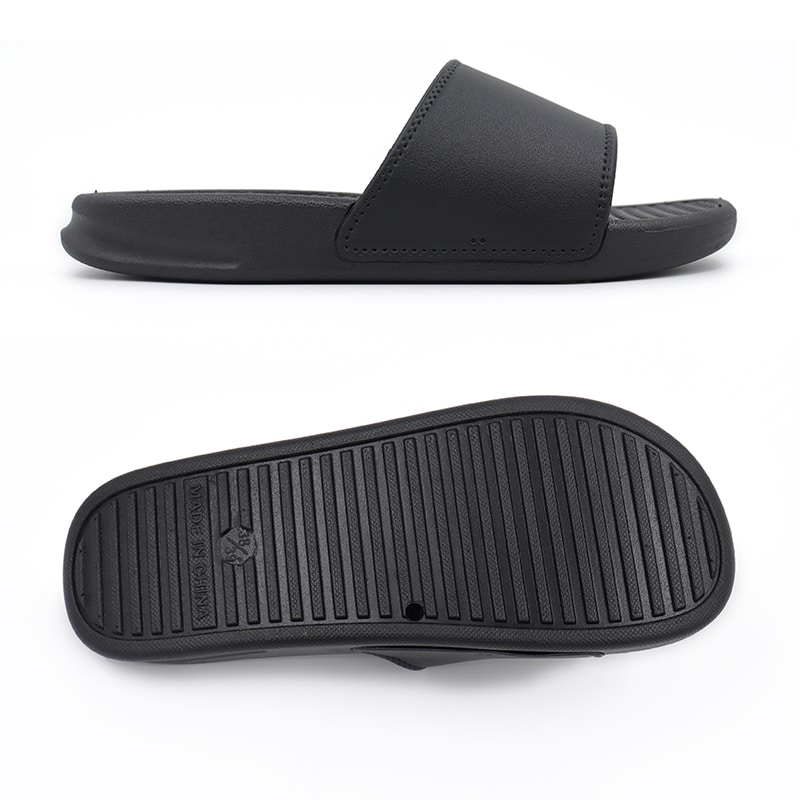
When sourcing slippers for a bathhouse, the decision should weigh durability per wear cycle, full sizing coverage, cleanability, and unit cost together, because the cheapest pair per unit is rarely the cheapest pair per hundred uses.
For operators, a slipper purchase is really a cost-per-rotation calculation. A molded EVA pair that survives a year of daily disinfection cycles beats a pair costing half as much that cracks in six weeks. Buyers evaluating a slippers manufacturer for volume supply should confirm several points before committing:
- Material grade and closed-cell foam certification, with test data for slip resistance on wet surfaces
- Size range broad enough to cover adult guests without custom fitting, ideally unisex molds
- Color options that support zone coding, for example separating sauna, shower, and pool areas by color
- Customization capability such as molded logos or brand colors for facility-branded guest slippers
- Consistent quality across production batches, verified through pre-shipment samples
Suppliers that mold one-piece designs will generally outlast stitched or glued assemblies in wet service, and those offering existing molds alongside custom tooling give smaller operators a lower-cost entry point.
FAQs
Bathhouse slipper questions usually go beyond the purchase itself and touch on etiquette, replacement timing, and where footwear is actually permitted, so the answers below address the three most common follow-up concerns.
Is it okay to wear slippers in public?
Yes, within the right context. Bathhouses, pools, gyms, and locker rooms are settings where wearing slippers is actively encouraged for hygiene and safety, since they protect feet from contaminated wet floors. The etiquette is contextual: slippers should be dedicated indoor pairs, removed before entering the water itself, and never the same pair worn outside on the street.
How often should bathhouse slippers be replaced?
Reusable guest slippers should be inspected weekly and replaced as soon as tread wears smooth, the footbed compresses unevenly, straps loosen, or odor persists after a full cleaning cycle. In high-volume facilities this typically means rotating stock every few months, while well-maintained rubber pairs for staff can last a year or more.
Should slippers be worn inside the bath or pool itself?
In most facilities, no. Slippers are meant for the wet surrounding areas, including shower zones, changing rooms, and pool decks. Most bathhouses require guests to remove footwear before stepping into baths or pools, both to keep the water clean and to prevent soles from transferring contaminants, so check each facility’s posted rules.