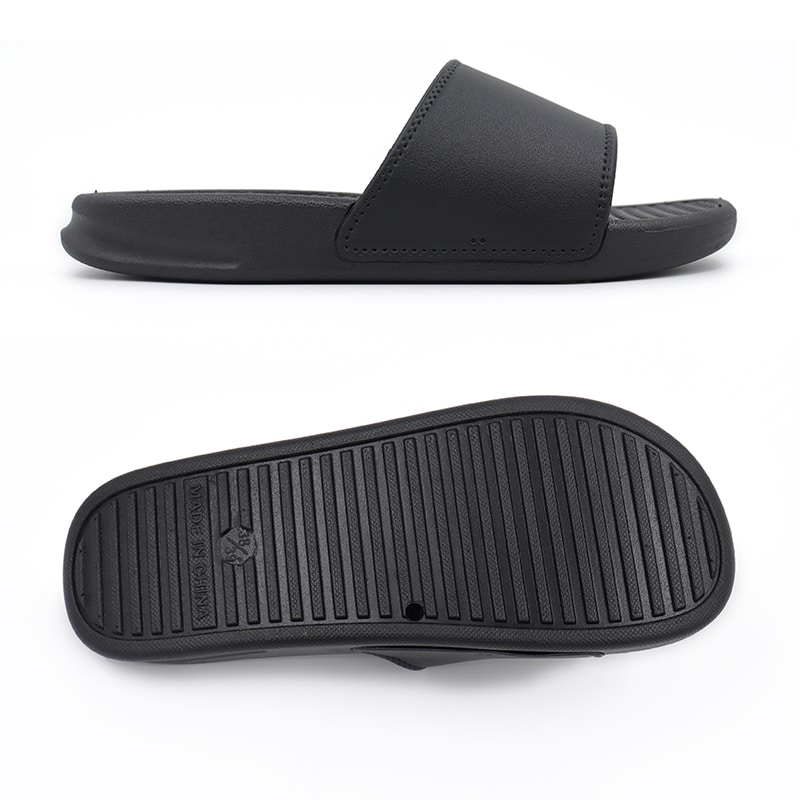
Few details in a spa are as quietly consistent as the pair of slippers waiting by the locker or outside the treatment room door. In an industry built on warmth, touch, and attention to detail, guest footwear can look like an afterthought, yet it touches nearly every stage of the visit, from the changing room to the relaxation lounge. For properties that order wholesale spa slippers by the case, this modest amenity quietly carries a large share of the hygiene, safety, and service standards that separate a professional spa from an ordinary one.
Spas provide slippers to their guests because they protect foot hygiene in warm, wet, shared environments, reduce the risk of slips on tiled floors, extend the comfort and relaxation that define the spa experience, and signal a professional standard of care that strengthens the brand. It is one of the least expensive amenities a property can offer, and it has one of the most visible effects on how clean, safe, and welcoming the space feels to every guest.
The sections below break down each of these reasons in detail and explain what spa operators should know about slipper types, reuse policies, takeaway rules, and sourcing.
Hygiene and Infection Control Come First
Spa floors combine warmth, moisture, and constant barefoot traffic, which makes them an ideal environment for fungi and bacteria. Slippers act as a simple physical barrier that keeps guests’ feet out of direct contact with shared surfaces, and this hygiene function is the single strongest reason spas issue them.
A Barrier Between Bare Feet and Shared Floors
Steam rooms, showers, pool decks, and changing areas stay damp for most of the operating day. The fungi that cause athlete’s foot and related skin infections thrive in exactly these warm, moist conditions and spread readily through skin contact with contaminated flooring. The Centers for Disease Control and Prevention (CDC) identifies the use of public showers and locker rooms without protective footwear as a recognized risk factor for ringworm, the family of fungal infections that includes athlete’s foot. Handing each guest a personal pair of slippers removes the most common route of exposure in a spa before the treatment even begins.
Fresh Pairs Stop Cross-Contamination
Hygiene also depends on how the slippers are issued. A sealed, single-use pair guarantees that no guest ever wears footwear previously worn by a stranger, which is why sealed pairs are the default in treatment rooms and locker areas. Where reusable terry or fabric slippers are in service, they move through a laundering and sanitizing cycle between guests rather than returning straight to the shelf. In both models, the slipper functions as a hygiene control point instead of a hygiene risk, protecting guests who may have small cuts, cracked skin, or other minor abrasions that open a pathway for infection.
They Keep Guests Safe on Wet and Slippery Floors
Slippers with textured, non-slip soles give guests reliable traction in the wet zones around pools, steam rooms, and showers, where slip and fall accidents are most likely to occur in a spa.
A spa is, by design, a wet building. The high-risk zones are easy to list:
- Poolside decks, where water is tracked continuously from the pool edge
- Shower and steam areas, where condensation settles on smooth stone and tile
- Treatment rooms, where oils, scrubs, and body wraps leave residue on polished floors
Walking through these zones in bare feet or thin socks invites a fall, and a fall is the fastest way to end a relaxing visit. Textured EVA or rubber outsoles channel water away from the contact patch and grip damp tile far better than skin. For the operator, fewer accidents mean fewer injuries, fewer liability claims, and less disruption to the schedule. For the guest, stable footing means the walk between the sauna and the lounge stays as calm as the treatments themselves, without the tense, careful steps that bare feet demand on a wet floor.
Footwear policy also protects the parts of a spa guests rarely think about. Toweling and carpets near wet zones stay cleaner when guests arrive in slippers rather than in wet bare feet, which lowers the housekeeping load between treatments. Staff benefit as well, because many properties issue the same non-slip footwear to therapists and attendants who spend entire shifts on damp floors, making slip resistance a staff safety measure as much as a guest amenity.
Slippers Signal Comfort and Professional Care
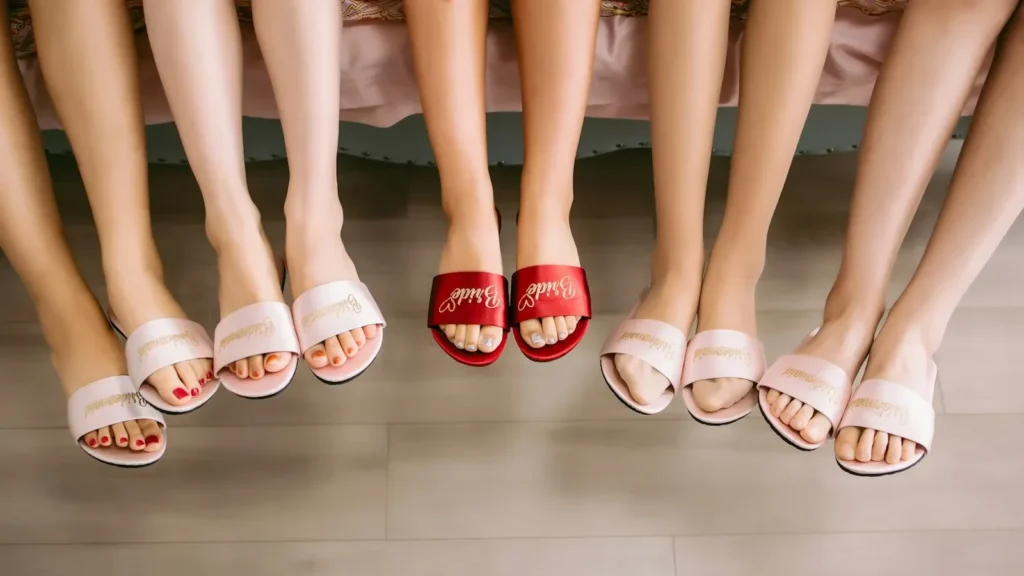
Beyond hygiene and safety, slippers tell guests that the property has thought through the entire visit down to what touches their feet, and that perception of deliberate care shapes how professional and luxurious the spa feels.
Bare feet on cold, hard tile is a jarring sensation that pulls guests out of the relaxed state a spa works to create. A soft pair of slippers preserves that state instead of breaking it. After a massage or body treatment, when circulation is elevated and muscles are loose, warm, cushioned footwear keeps the body from tensing up again on a chilly walk back to the lounge. The softness underfoot extends the treatment.
There is also a visual signal at work. A clean, plush pair placed at the door communicates order and cleanliness in a way guests register immediately, even before they consciously notice it. Guests read the gesture as being personally cared for, and properties that consistently deliver these small signals collect the benefit in reviews, repeat bookings, and word of mouth.
The Most Common Types of Spa Slippers
Most spas issue one of a small set of slipper styles, each matched to a zone, a material, and a budget, ranging from sealed disposable foam pairs to plush terry slippers for the lounge.
| Slipper Type | Best Suited To |
| Disposable foam or EVA pairs | Pedicures, treatment rooms, single-guest use |
| Terry cloth plush slippers | Relaxation lounges, lockers, dry areas |
| Waffle or non-woven fabric pairs | High-volume, budget-sensitive operations |
| Open-toe slides | Saunas, steam rooms, pool decks |
| Closed-toe slippers | Guest rooms, cooler climates, resort spas |
Matching the Slipper to the Spa Zone
The material choice follows the zone it serves. Wet areas favor quick-drying open-toe styles that shed water and ventilate the foot, because a soaked, closed slipper becomes both uncomfortable and unhygienic. Dry lounges and guest corridors favor absorbent, insulating terry or plush construction, because warmth and cushioning are the priority there. Pedicure and nail services rely on disposable pairs, since freshly polished toenails cannot survive a closed toe and the pair must be discarded after one guest regardless.
Quality matters most in the pairs guests wear longest. When specifying pairs for guest rooms and lounges, the five essential features of high-end hotel bathroom slippers, including sole thickness, moisture absorbency, and slip resistance, give a practical checklist for separating pairs that feel considered from pairs that feel cheap.
Sizing is the final practical decision. Disposable pairs are usually issued in one universal size that fits most adults, which keeps locker stock simple and predictable. For reusable and premium programs, splitting stock into small, medium, and large lets guests walk in footwear that actually fits, and a pair that fits properly is both safer and more comfortable than a pair that is guesswork.
Do Spas and Hotels Reuse Slippers?
Whether slippers are reused depends entirely on the type. Sealed disposable slippers are never reused and are discarded after a single guest, while fabric slippers built for repeated service are laundered and sanitized between guests.
The disposable pair is a one-use item by design. Its non-woven or thin foam construction cannot survive washing, so the protocol is simple: the seal is broken by one guest, and the pair leaves service with that guest. This is the dominant model in treatment rooms precisely because it removes any question of what the previous wearer left behind.
Reusable slippers follow the opposite protocol. Durable terry or woven pairs are collected at checkout, machine washed at high temperature with disinfecting detergent, fully dried, inspected for wear, and only then returned to circulation. In many jurisdictions, slippers are treated as items that contact skin, which places them under the same sanitation expectations as robes and linens. Guests who prefer a fresh sealed pair can usually request one, and properties that keep both systems in service use clear labeling so staff and guests never confuse the two.
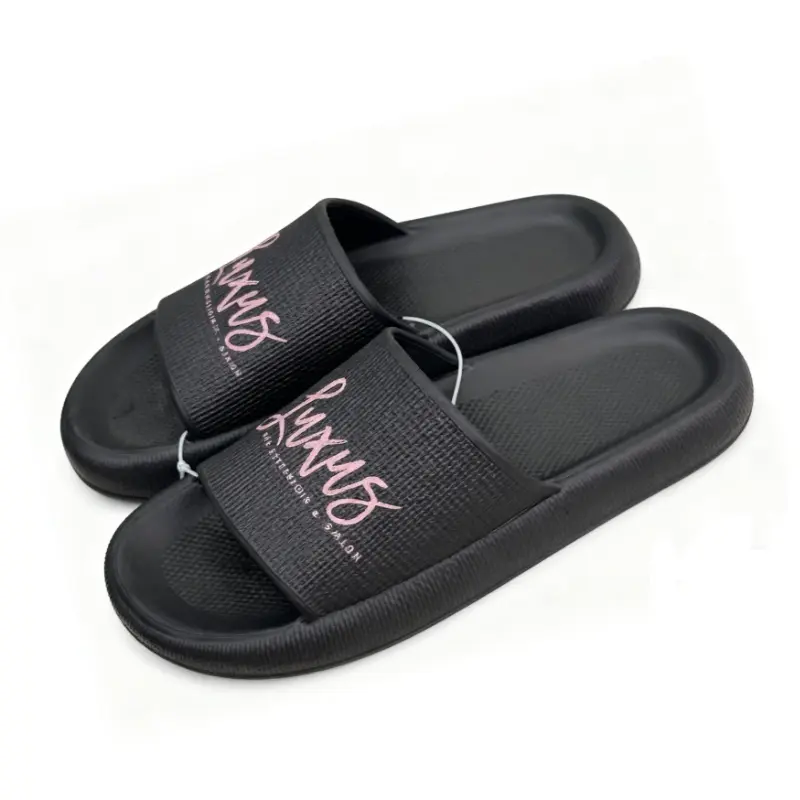
Operators weighing the two systems usually compare four factors before committing:
| Decision Factor | Disposable Pairs | Reusable Pairs |
| Hygiene assurance | Highest, sealed for each guest | Depends on laundering protocol |
| Cost pattern | Low per pair, recurring spend | Higher upfront, lower cost per use |
| Operational load | None, discard after use | Washing, drying, and inspection |
| Guest takeaway | Free, included in the stay | Often charged if removed |
Can Guests Take Them Home?
Disposal policy usually settles the question of takeaways. Disposable slippers are typically free to take, worn or unworn, because they cannot be offered to another guest anyway, and many travelers keep them as souvenirs or reuse them on later trips. Reusable plush pairs are different. Since they belong to a laundering cycle, removing them usually triggers a charge, which is why some properties label reusable pairs with a takeaway price. When in doubt, the front desk can confirm the policy in a single question, and most guests find the answer matches exactly what the slipper’s construction suggests.
Branding, Loyalty, and the Business Case
Branded slippers convert a hygiene item into a marketing touchpoint, and because the cost per pair is small relative to the impression it creates, they rank among the highest value-per-dollar amenities a spa can buy.
A logo turns the slipper into a small, mobile advertisement. Many suppliers run custom slippers wholesale programs that add an embroidered or debossed logo at realistic order quantities, so even independent spas can brand their footwear. Guests photograph the details of a stay, wear the slippers for months at home, and remember the property that issued them, which is exactly the loop of recall and repeat booking that spa marketing budgets chase.
The commercial stakes are growing. The Global Wellness Institute estimates that spas worldwide numbered roughly 201,861 in 2024 and generated about USD 157 billion in revenue, and competition in that market increasingly happens at the level of experience details rather than treatment menus. Sourcing decisions matter as much as branding decisions. Working with a slippers manufacturer that serves hospitality clients solves problems that generic retail supply cannot: consistent sizing for shared pairs, hygiene-safe packaging, logo application, and predictable restocking lead times so a spa never runs short of its most visible amenity.
On the budget side, the arithmetic favors treating slippers as a fixture rather than a discretionary extra. A case of disposable pairs costs a small fraction of what a single treatment generates in revenue, yet the amenity reaches every guest who walks through the door, while reusable programs concentrate their cost in laundry labor and replacement cycles instead. Whichever system a property chooses, cutting slippers to save money is a false economy, because the guest who notices their absence also starts noticing everything else.
Frequently Asked Questions
The questions below cover the follow-up queries that spa guests and spa buyers ask most often once the basics above are settled.
What is the meaning of giving slippers as a gift?
Across many cultures, slippers given as a gift symbolize comfort, rest, and care for the recipient’s wellbeing. They suggest a warm home and relief after a long day, which is why they are a common housewarming and holiday present in parts of Asia and Europe. Spas tap the same association: a fresh pair offered at arrival reads as a gesture of welcome rather than a mere supply item.
How should a spa sanitize reusable slippers?
Reusable pairs should be machine washed at high temperature with a disinfecting detergent, completely dried before storage, inspected for wear or damage, and stored separately from used pairs awaiting washing. Operators should also follow their local sanitation code for items that contact skin, since requirements vary by jurisdiction and some regions treat slippers the same as robes and towels.
How many pairs of slippers should a spa order at one time?
A practical baseline is enough stock to cover peak occupancy for the ordering cycle, plus a buffer of roughly 10 to 20 percent for damaged pairs, guest requests, and spare sealed pairs. High-treatment-volume properties usually order monthly or quarterly. Bulk ordering lowers the per-pair cost, but the order size should stay balanced against storage space and cash flow so freshness and hygiene standards never slip.