Sandal styles change every season, and 2026 is no exception. New silhouettes, material updates, and shifting buyer preferences decide what sells and what gets marked down. For anyone involved in sourcing or manufacturing, staying current means making better inventory decisions.
Three categories dominate the 2026 sandal market: chunky platform slides with sculpted soles, minimalist strappy sandals with adjustable details, and designs using recycled or low-impact materials. Chunky silhouettes lead in casual and streetwear. Strap-based styles are more common in dressier settings. Comfort features like arch support and nonslip soles have become standard rather than optional.
This article covers the main trends, design features, and material choices for the 2026 sandal season, with practical takeaways for sourcing, manufacturing, and retail.
The Defining Sandal Trends of 2026
Three trends define sandal design in 2026: thicker, textured soles; adjustable strap construction; and more sustainable material sourcing.
Thick soles, wave-cut edges, and sculpted footbeds are common across most sandal categories now, at various price points. On the construction side, fixed strap configurations are becoming less common. Adjustable buckles, hook-and-loop closures, and elastic inserts now appear on more styles, which improves fit and cuts return rates. Recycled EVA, bio-based polymers, and water-based adhesives have moved from niche options to standard requirements for many retail programs.
For wholesale buyers, how these three factors — volume, adjustability, and sustainability — combine at the product level often determines whether a season sells through or ends in markdowns.
Chunky Platforms and Sculpted Soles
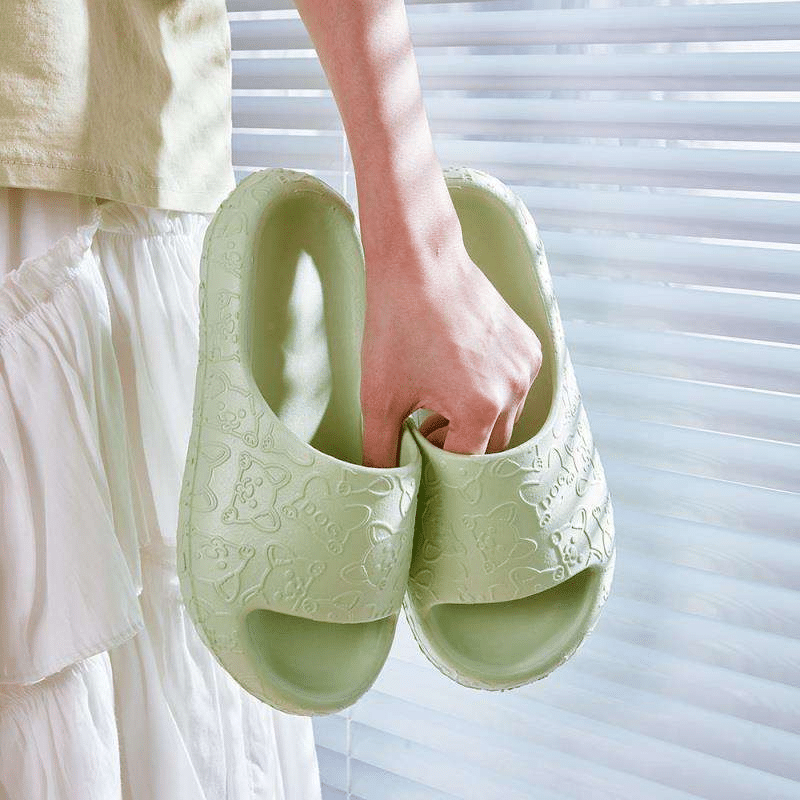
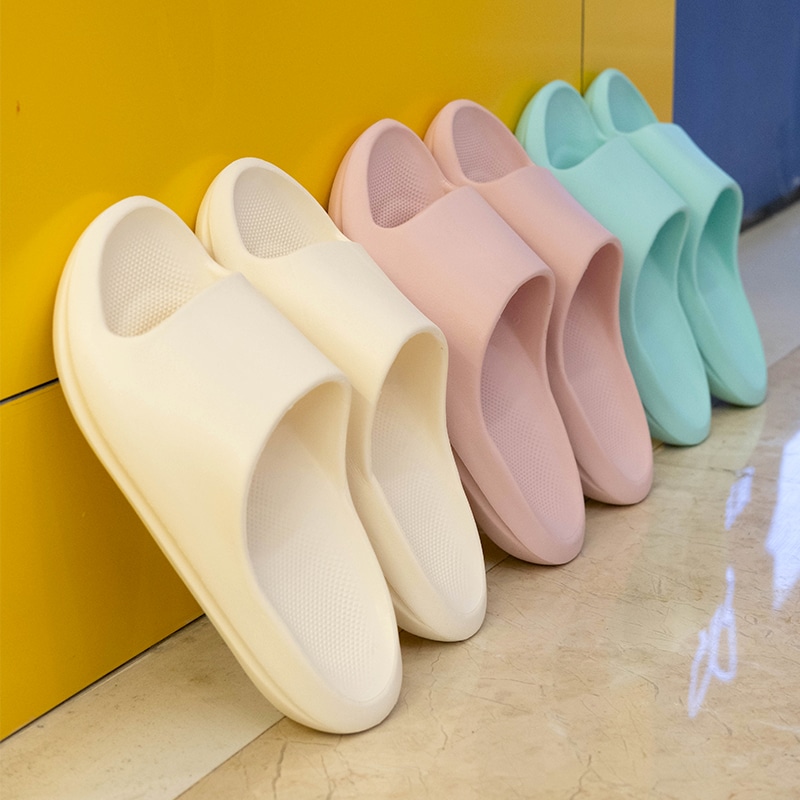
Chunky platform sandals are the biggest category in 2026 casual footwear. Sole heights of 4 to 6 centimeters with visible tread patterns lead the segment.
The chunky sole has been around for a few seasons, but the 2026 versions are more refined. Earlier designs used uniform slab soles. Current models use sculpted contours, wave patterns, and multi-density construction. Common sole features include:
- Wave-sole profiles with alternating thick and thin sections for shock absorption
- Deep tread channels for grip on wet or uneven surfaces
- Angled heel-to-toe rockers that mimic a natural walking motion
- Two-tone or contrast-color sole layers
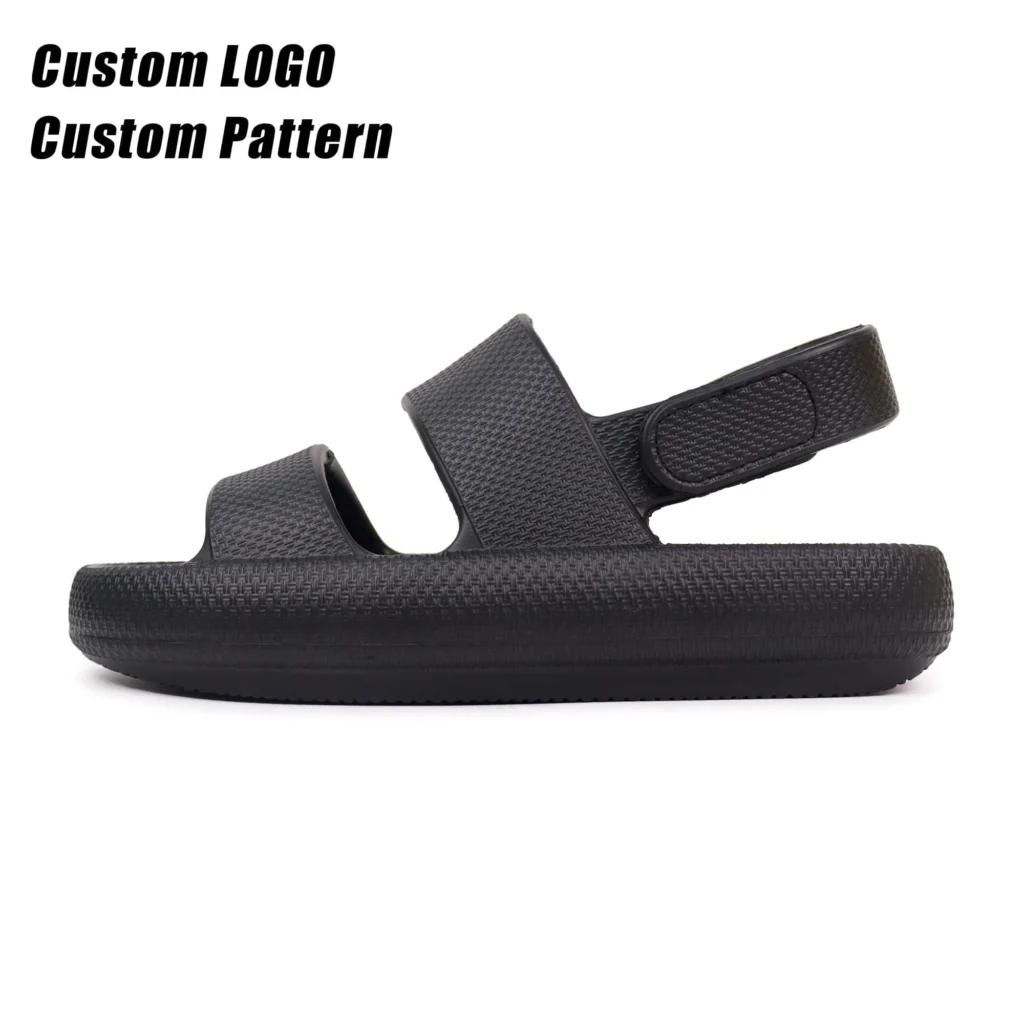
Upper construction has also diversified. Wide single-band straps, double-strap layouts, and full-coverage uppers are all common. Consumers prefer bold color blocking, matte finishes, and textured surfaces. The overall silhouette is substantial and grounded, suited for daily errands and short outdoor walks.
From a material standpoint, EVA remains the most common choice for midsoles and outsoles because it is lightweight, absorbs shock, and molds well. Many manufacturers now offer Chunky Cloud Slides with custom colors and packaging, driven by streetwear and resortwear demand.
Minimalist Slides and Strappy Sandals
Minimalist slides and strappy sandals are making a comeback in 2026. The reason is simple: consumers want easy-on, easy-off footwear that still looks put together.
The minimalist category covers a wide range. At the simplest end, single-band slides with clean edges and no hardware. At the more structured end, multi-strap designs with adjustable buckles and contoured footbeds. The common thread is less visual clutter: fewer seams, simpler colors, better proportion and fit.
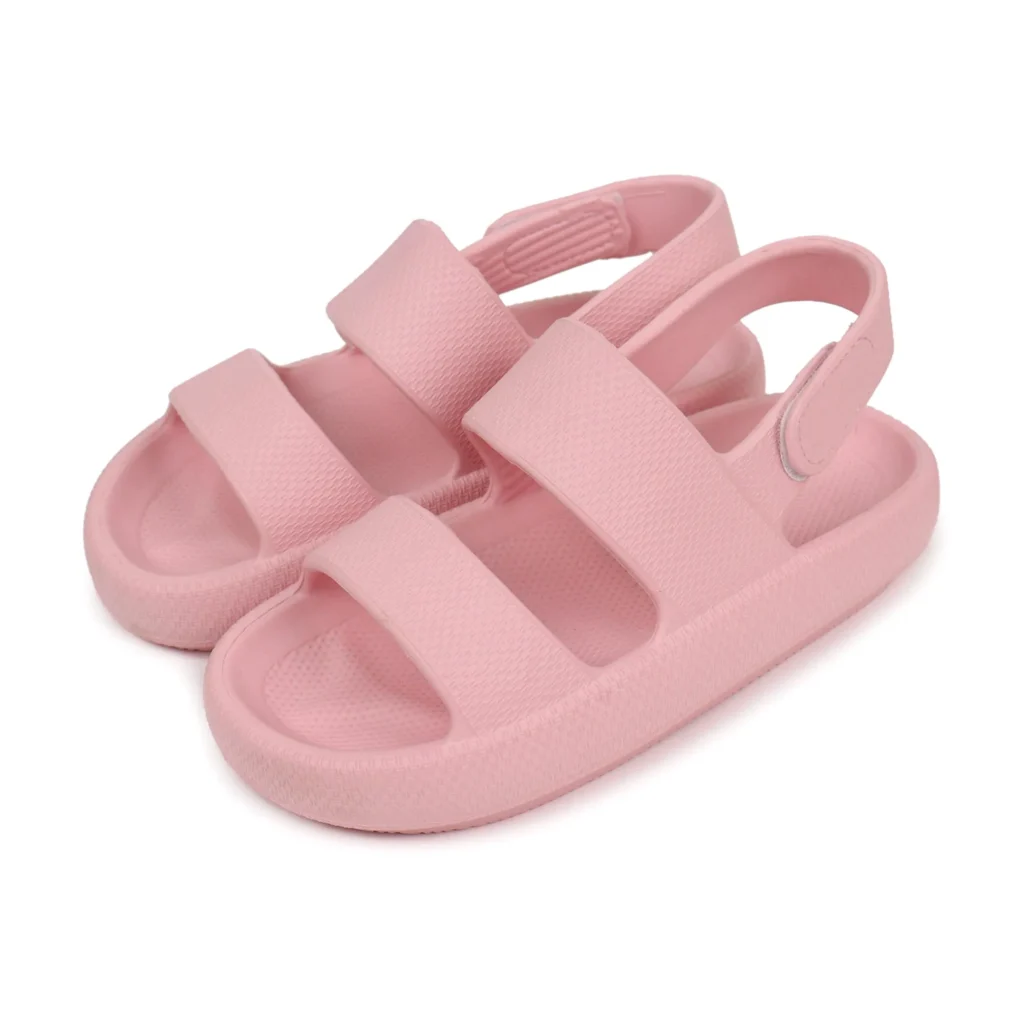
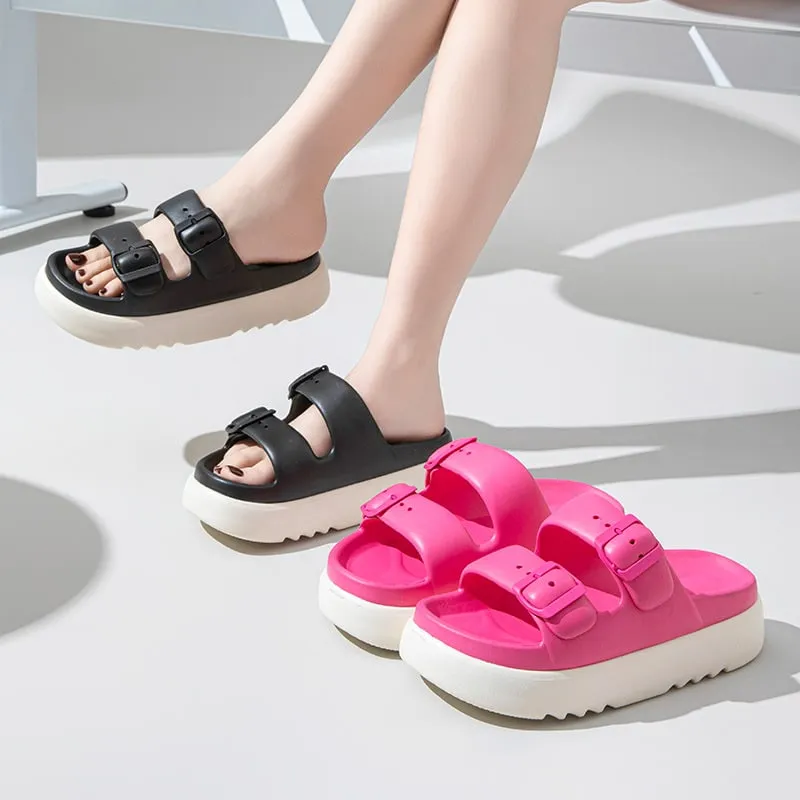
Strappy sandals have returned with specific updates. Double-strap layouts with independent adjustability let wearers fine-tune the fit across the forefoot and instep separately, which improves comfort for more foot shapes. Buckle closures have replaced many slip-on constructions, giving the category a more intentional look.
| Feature | Casual Slides | Strappy Sandals |
|---|---|---|
| Closure type | Slip-on | Buckle or hook-and-loop |
| Strap count | 1-2 bands | 2-4 adjustable straps |
| Sole height | 2-4 cm | 1.5-3 cm |
| Primary material | EVA, rubber | EVA, PU, textile |
| Ideal use | Beach, pool, home | Dining, travel, office |
The Double Strap Platform Sandals format sits between these two categories, combining multiple adjustable straps with a moderate platform height. Buyers like it because one SKU can cover both casual and semi-formal use.
Sustainable Materials in Sandal Design
Sustainability in sandal manufacturing has moved past marketing claims. In 2026, measurable targets like recycled content, reduced virgin plastic, and lower-carbon production are becoming standard procurement requirements for many retailers.
The shift affects every layer of the sandal. Recycled EVA content is now widely available for outsoles and midsoles. Manufacturers offer formulations with 20 to 40 percent post-industrial or post-consumer recycled material without sacrificing cushioning or durability. Bio-based EVA, made from sugarcane instead of petroleum, is also gaining adoption, especially in regions with carbon reporting rules.
For straps and linings, the changes are significant. Water-based inks and adhesives have largely replaced solvent-based alternatives in printing and assembly. Some production lines use digital printing for strap decoration, which cuts ink waste and allows smaller minimum runs than traditional screen printing.
The table below summarizes the primary sustainable material options available to sandal manufacturers in 2026:
| Material Type | Source | Typical Use | Sustainability Benefit |
|---|---|---|---|
| Recycled EVA | Post-industrial / post-consumer waste | Midsole, outsole | Reduces virgin plastic use by 20-40% |
| Bio-based EVA | Sugarcane ethanol | Midsole | Lower carbon footprint vs petroleum EVA |
| Water-based adhesives | Synthetic polymer in water | Lamination, assembly | No VOC emissions |
| Digital print ink | UV-curable pigment | Strap decoration | Zero ink waste, lower setup cost |
| Recycled PET textiles | Post-consumer bottles | Lining, strap cover | Diverts waste from landfill |
For buyers transitioning to more sustainable specifications, working with a manufacturer that offers documented sandals manufacturers programs with verified material sourcing is a practical first step. Many suppliers now provide third-party test reports for recycled content and chemical compliance as part of their standard documentation.
Color and Texture Trends Driving 2026 Sandal Sales
Color direction in 2026 splits into two camps: earthy neutrals for volume basics and saturated accent tones for seasonal drops. Matte and textured finishes are replacing glossy surfaces across both categories.
The neutral foundation colors for 2026 are sand, taupe, mushroom, and warm greige. These shades work across chunky slides, strappy sandals, and hybrid designs because they pair easily with most wardrobe colors. On the accent side, deep olive, rust, and muted teal lead the seasonal palette, applied mainly to upper straps and footbed edges rather than full-shoe coverage.
Texture is a defining element this season. Matte EVA surfaces with a soft-touch coating are preferred over glossy finishes, especially for chunky silhouettes where light reflection can make the shoe appear heavier. Ribbed and brushed strap textures add tactile contrast without increasing tooling costs. Embroidered patterns on fabric straps and embossed logos on footbeds are also common, offering brand differentiation at minimal added expense.
Color blocking between the strap and sole layers is used across many 2026 designs. A neutral upper on a contrasting dark sole creates visual separation that emphasizes platform height. Two-tone sole edges, where the sidewall color differs from the tread color, add another layer of design detail without complicating the molding process.
Metallic accents are appearing on buckle hardware, eyelets, and logo plates. Brushed nickel and antique brass finishes are more common than polished chrome, as they weather better during wear. These small metallic details provide a premium signal at low added cost per unit. For bulk orders, specifying hardware color and finish at the sampling stage avoids post-production rework.
How to Choose Sandals That Prioritize Foot Health
Foot health has become a mainstream concern in the sandal market. In 2026, arch support, cushioning density, outsole grip, and strap adjustability are the four factors most cited by consumers and podiatrists.
Flat, unsupportive sandals are losing market share. More consumers know that poor footwear can contribute to plantar fasciitis, metatarsalgia, and Achilles tendon strain. This awareness has shifted buying behavior, especially among adults aged 30 to 55, the fastest-growing sandal buyer segment.
Key comfort features to prioritize in sandal design and selection:
- Arch support. A contoured footbed with a visible arch profile helps distribute pressure more evenly. EVA footbeds can be molded with varying densities to provide support under the arch while staying soft under the heel and forefoot.
- Heel cup depth. A moderately recessed heel cup stabilizes the foot and prevents sideways slipping during walking. This is especially important in open-back styles.
- Outsole grip. Rubber or textured EVA outsoles with multidirectional tread patterns reduce slipping on tile, concrete, and wet surfaces. Tread depths of at least 3 mm are recommended for all-purpose use.
- Strap adjustability. Sandals with adjustable straps let the wearer fine-tune fit across different foot volumes, which is useful for accommodating orthotic inserts.
Supportive EVA Sandals combine several of these features in a single construction: molded arch contours, a wide stable base, and a textured outsole. For buyers, specifying these features at the design stage costs less than retrofitting them later.
Sandal Styles for Every Occasion in 2026
Different use cases need different sandal constructions. Matching the silhouette to the intended activity improves customer satisfaction and cuts return rates.
The table below maps common sandal-wearing occasions to their preferred construction features:
| Occasion | Recommended Style | Key Features | Sole Height |
|---|---|---|---|
| Daily casual / errands | Chunky slides or platform sandals | Cushioned footbed, durable outsole, wide straps | 3-5 cm |
| Beach / pool | Lightweight slip-on sandals | Waterproof materials, quick-dry lining, drainage holes | 2-3 cm |
| Travel / walking tours | Adjustable strappy sandals | Buckle closure, arch support, slip-resistant sole | 2-3 cm |
| Evening / dining out | Minimalist heeled or flat sandals | Slim profile, clean lines, neutral or metallic finish | 1-4 cm |
| Outdoor recreation | Sport sandals with heel strap | Full strap coverage, toe protection, aggressive tread | 2-4 cm |
| Home / indoor wear | Soft sole house sandals | Lightweight, quiet sole, easy slip-on | 1-2 cm |
Adjustable Sandals work well across multiple categories. Their adjustable fit and moderate sole height make them suitable for travel, daily wear, and casual dining, reducing the need for occasion-specific SKUs. This versatility is increasingly valued by retailers and consumers, especially where storage space is limited.
For brands planning their 2026 lineup, prioritizing styles that serve more than one use case reduces inventory risk. Multi-occasion sandals consistently show lower markdown rates than narrowly positioned alternatives.
Conclusion
The 2026 sandal market comes down to three converging shifts: demand for bolder, sculptural silhouettes; rising expectations around comfort and foot health; and a material transition toward verified sustainable sourcing. Chunky platforms and minimalist strappy sandals represent the two ends of the style spectrum, with hybrid designs increasingly filling the middle. Comfort features like arch support, adjustable straps, and slip-resistant soles have moved from optional to essential across all price tiers. The shift toward recycled and bio-based materials is accelerating, driven by retailer requirements and consumer awareness.
For buyers and product developers, the takeaway is straightforward: the most resilient sandal programs in 2026 combine on-trend silhouettes with documented comfort features and verifiable sustainability credentials. Wholesale sandals programs that deliver across all three dimensions from design to production have the best chance of a strong season.
FAQ
Are flat sandals bad for your feet?
Flat sandals without arch support or cushioning can contribute to foot pain over extended wear, especially for people with high arches or conditions like plantar fasciitis. If you prefer flat styles, look for models with a contoured footbed or moderate heel cup rather than a completely flat slab sole. Aftermarket orthotic inserts are another option, but the sandal needs enough depth to accommodate them.
How do I style chunky sandals without looking bulky?
Pairing chunky sandals with tapered or slightly cropped pants creates a balanced proportion. Neutral colors like black, tan, or white keep the silhouette grounded, while matching the sandals tone to the hemline length visually extends the leg. For dresses and skirts, a midi or knee-length hem works best to avoid competing with the sandals visual weight.
What is the difference between EVA and rubber outsoles in sandals?
EVA outsoles are lighter, more cushioned, and easier to mold into complex shapes, making them ideal for casual and comfort-focused sandals. Rubber outsoles offer superior long-term durability and grip on wet surfaces but add weight. Many 2026 sandal designs use a hybrid approach: an EVA midsole for cushioning and a thin rubber outsole layer for traction. This combination delivers the best of both materials without compromising on weight or performance.