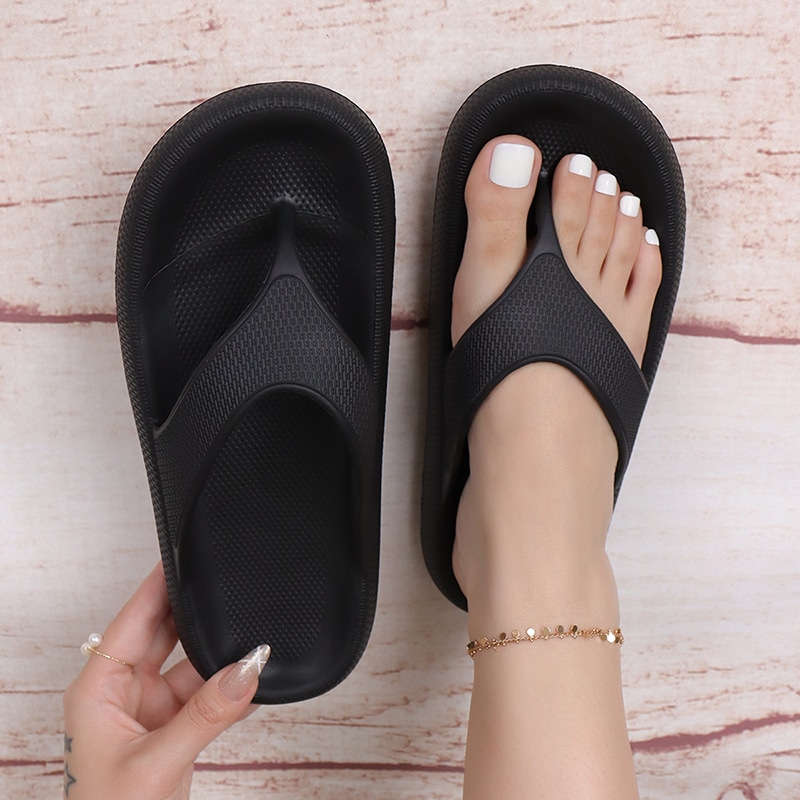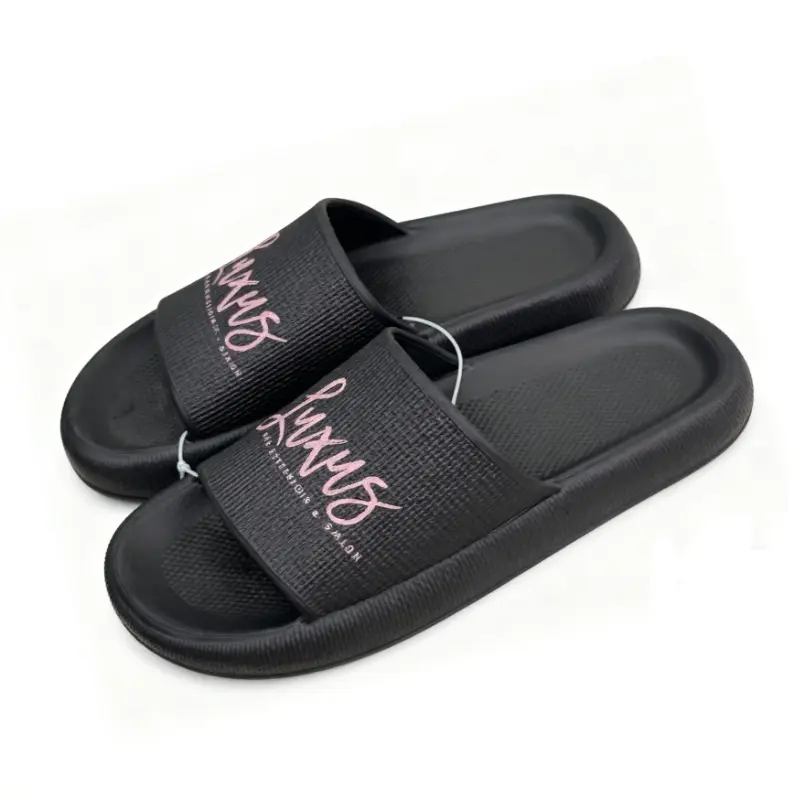
When professional buyers and consumers ask What Size Is Medium Slippers, they are often navigating a landscape of conflicting regional standards. In the global footwear trade of 2026, one of the most persistent sources of consumer confusion and B2B return rates is the ambiguity of sizing. The question “what size is medium slippers” appears simple, yet the answer varies drastically across brands, materials, and international markets. For professional buyers, brand owners, and e-commerce retailers, mastering the nuances of “Medium” is a strategic necessity to minimize logistics overhead and maximize customer satisfaction. This 2000+ word whitepaper deconstructs the geometry of slipper sizing, compares global standards, explores the material science affecting fit, and explains why sourcing from a precision-oriented factory in Neikeng, Jinjiang, is the key to sizing consistency.
I. The “Medium” Ambiguity: Why Slipper Sizing is Non-Standard
When a consumer searches for “what size is medium slippers,” they are often caught between different sizing philosophies.
1.1 The Gender and Market Split
In the United States, a “Medium” slipper for men is typically a US 9-10, while for women, it generally corresponds to a US 7-8. However, in the European market, “Medium” often spans a broader range, such as EU 38-39 for women and EU 42-43 for men. This lack of a unified “Global Medium” means that B2B buyers must clearly define their target demographic before placing bulk orders, because what size is medium slippers in one market is rarely the same in the next.
1.2 The “Dual-Size” Tradition
Many slippers use dual-sizing (e.g., 7/8, 9/10). This is common in comfort-focused EVA slides. The term “Medium” in a dual-size context usually targets the middle of the bell curve for human foot dimensions. At YC Footwear, we provide detailed millimeter-based internal length measurements for every “Medium” we produce to eliminate guesswork. With dual-size packs, knowing what size is medium slippers means targeting the highest-volume foot length for your region.
II. Global Sizing Matrix: What Size Is Medium Slippers Across Borders
To truly answer what size is medium slippers, we must look at the four major sizing systems:
2.1 The US vs. EU vs. UK Comparison
- US Market: Medium (M) is the volume driver. Men’s Medium = 26.5cm – 27.5cm. Women’s Medium = 24cm – 25cm.
- European Market: Focuses on the “Paris Point.” A Medium is often the EU 38-40 range for unisex styles.
- UK Market: Sizing is slightly larger than the US, meaning a UK Medium is often closer to a US Large.
2.2 The Mondopoint System (Centimeters)
For technical sourcing, we advocate the Mondopoint system – measuring in centimeters. When we define a “Medium” in our Neikeng facility, we refer to the internal footbed length. A standard 2026 “Medium” usually accommodates a foot length of 24.5cm to 26cm depending on the style. Serious importers always confirm what size is medium slippers in millimetres before sampling, which is why our technical datasheets lead with footbed length.
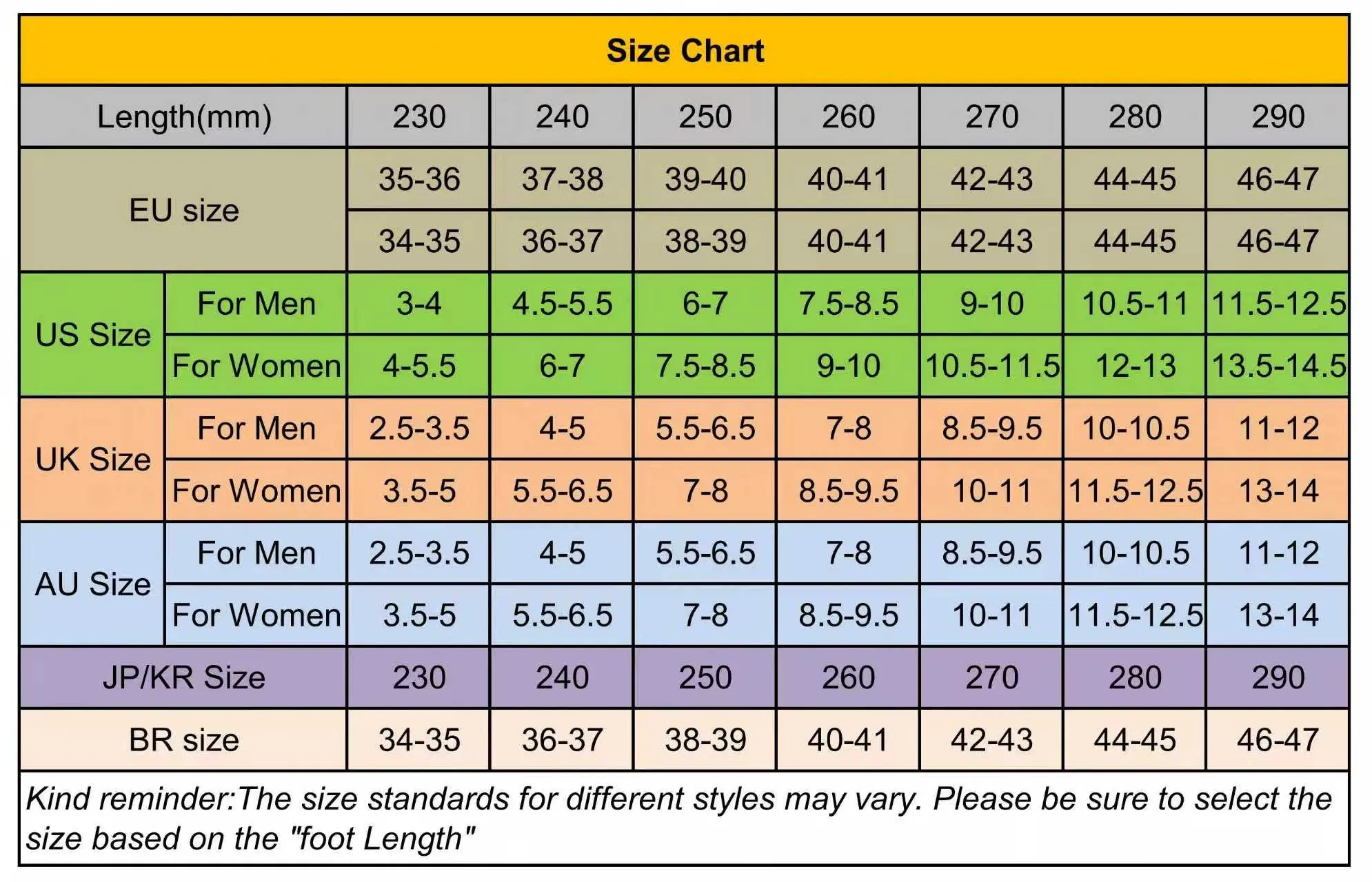
2.3 The Definitive Slipper Sizing Matrix
To ensure accuracy for your global customer base, refer to our factory-standard sizing matrix. This data allows B2B buyers to verify “Medium” across multiple regional standards.
| Foot Length (mm) | EU Size | US Men | US Women | UK Men | UK Women | AU Men | AU Women | JP/KR | BR |
|---|---|---|---|---|---|---|---|---|---|
| 230 | 35-36 | 3-4 | 4-5.5 | 2.5-3.5 | 3.5-5 | 2.5-3.5 | 3.5-5 | 230 | 34-35 |
| 240 | 37-38 | 4.5-5.5 | 6-7 | 4-5 | 5.5-6.5 | 4-5 | 5.5-6.5 | 240 | 36-37 |
| 250 (Medium) | 39-40 | 6-7 | 7.5-8.5 | 5.5-6.5 | 7-8 | 5.5-6.5 | 7-8 | 250 | 38-39 |
| 260 | 40-41 | 7.5-8.5 | 9-10 | 7-8 | 8.5-9.5 | 7-8 | 8.5-9.5 | 260 | 40-41 |
| 270 | 42-43 | 9-10 | 10.5-11.5 | 8.5-9.5 | 10-11 | 8.5-9.5 | 10-11 | 270 | 42-43 |
| 280 | 44-45 | 10.5-11 | 12-13 | 10-10.5 | 11.5-12.5 | 10-10.5 | 11.5-12.5 | 280 | 44-45 |
| 290 | 46-47 | 11.5-12.5 | 13.5-14.5 | 11-12 | 13-14 | 11-12 | 13-14 | 290 | 46-47 |
Note: Sizing standards for different styles may vary. We recommend final selection based on foot length (mm).
III. Material Science: How EVA and PVC Affect “True Fit”
The material itself dictates the answer to “what size is medium slippers.”
3.1 The EVA Shrinkage Factor
EVA (Ethylene-Vinyl Acetate) is a foam material that is injected into high-temperature molds. During the cooling process, EVA can shrink by 2-3%. If a factory doesn’t account for this “Shrinkage Rate,” a Medium can easily turn into a Small. In Neikeng, our engineers use Advanced Shrinkage Compensation Molds to ensure that a Medium stays a Medium after it exits the injection line.
3.2 PVC and Material Density
PVC is much more dimensionally stable than EVA. A PVC “Medium” will fit exactly as the mold dictates. However, because PVC has less “give” than EVA, the tolerances for sizing are much tighter. A buyer must be aware that a 26cm PVC footbed feels “smaller” than a 26cm soft-rebound EVA footbed due to the lack of material compression. If a retailer misunderstands what size is medium slippers in PVC versus EVA, return rates climb sharply.
IV. Neikeng, Jinjiang: The Precision Hub for Slipper Sizing
Why is the global standard for sizing accuracy found in Neikeng?
4.1 Precision Mold Engineering
Neikeng, Jinjiang, is home to the world’s most advanced steel mold makers. We don’t just use generic templates; we develop Precision Lasts (the plastic foot models used to design shoes). By using 3D foot-scanning data from our target markets, we ensure that our “Medium” slippers are anatomically correct for the specific populations our B2B clients serve.
4.2 Automated Injection Control
Variations in temperature and pressure during production can alter sizing. Our 15 specialized EVA lines are equipped with real-time pressure sensors. This consistency ensures that the “Medium” you approve in a sample is the same “Medium” that arrives in your warehouse by the thousands. That is the real meaning of what size is medium slippers at industrial scale.
V. Strategic Sourcing: How B2B Buyers Can Minimize “Sizing Returns”
For e-commerce and retail brands, returns due to “fit issues” are a profit killer.
5.1 Custom Sizing Charts
Don’t just use a generic chart. When you partner with YC Footwear, we provide a Technical Sizing Sheet for your specific private mold. This sheet includes heel-to-toe length, ball-of-foot width, and instep height for every size from XS to XXL.
5.2 The Private Mold Advantage ($1,500 Refundable)
By investing in a Private Mold, you can define your own “Medium.” If your brand targets a specific niche (e.g., “Wide-Fit Comfort Slippers”), we can adjust the internal volume of the Medium size to perfectly match your brand’s USP. Private molds also let you document exactly what size is medium slippers means for your own labels. Our $1,500 Refundable Mold Fee policy makes this high-precision R&D accessible for growing brands.
VI. B2B FAQ: Sizing Insights for Global Procurement
Q1: Why does a “Medium” feel different between a flip-flop and a slide?
Design geometry matters. A slide covers more of the foot, requiring more “internal volume” than a flip-flop. We adjust our lasts accordingly to ensure the label “Medium” remains consistent in terms of user experience, not just footbed length.
Q2: Can we use dual-sizing (e.g., S: 5/6, M: 7/8, L: 9/10) for B2B orders?
Yes. Dual-sizing is highly efficient for inventory management. It allows you to cover 6 traditional sizes with only 3 SKU slots. We recommend this for promotional and high-volume retail lines.
Q3: How does material hardness (Shore C) affect perceived sizing?
Softer EVA (38C) allows the foot to sink in, making the slipper feel roomier. Firmer EVA (52C) holds the foot in place, which may make a “Medium” feel more snug. Before settling on a recipe, buyers should test what size is medium slippers feels like at both densities. We can customize the material density to match your sizing goals.
VII. Global Compliance and Quality Standards
Exporting to the US or EU requires more than just correct sizing; it requires safety.
- REACH and PFAS-Free: Ensuring no harmful chemicals affect the skin during the “fit experience.”
- CE and BSCI: Proving that your precision-made slippers are ethically and safely manufactured.
VIII. Conclusion: Mastering the Geometry of the “Medium”
The question “what size is medium slippers” is the gateway to a professional conversation about quality control and brand integrity. In 2026, the brands that win are the ones that eliminate uncertainty for their customers.
At YC Footwear, located in the premier footwear hub of Neikeng, Jinjiang, we blend 3D engineering with material science to deliver sizing accuracy that global brands can depend on. The next time an end customer asks what size is medium slippers, your collection will already carry the answer. From our $1,500 refundable mold policy to our automated production consistency, we are your strategic partner in delivering the “Perfect Fit.”
Tired of sizing complaints? Contact YC Footwear today to develop a collection where “Medium” truly means “Medium.”