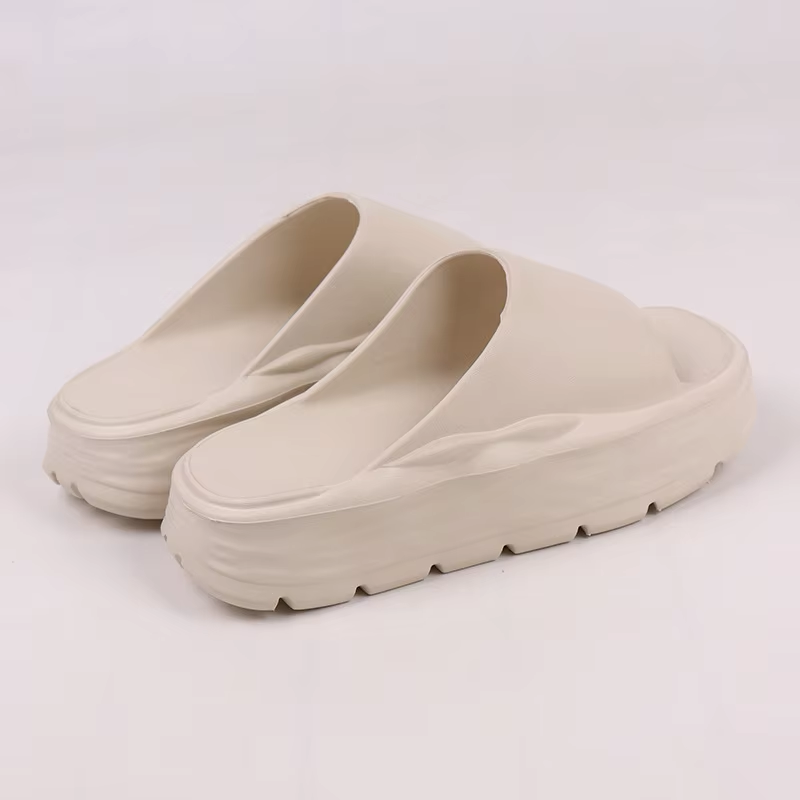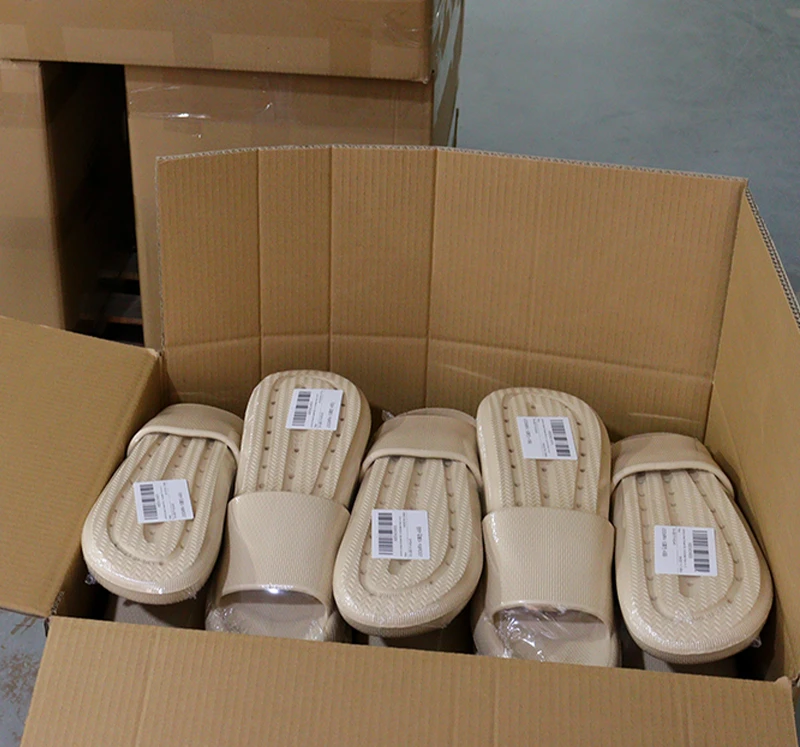
Buying slippers directly from a factory can give retailers, wholesalers, importers, and private-label businesses more control over product specifications, packaging, cost, and production schedules. The challenge is that many online sellers describe themselves as manufacturers even when they outsource production or operate mainly as trading companies. Buyers therefore need a sourcing method that identifies suitable factories and verifies what each supplier can actually deliver.
You can buy factory-direct slippers through manufacturer websites, screened B2B sourcing platforms, footwear trade shows, and qualified local sourcing representatives. The safest approach is to shortlist several factories, verify their legal and production identities, compare quotations against the same product brief, approve physical samples, and inspect the finished order before authorizing shipment.
The following framework explains how to move from supplier discovery to a controlled bulk order.
What Does Factory-Direct Buying Mean for B2B Slipper Orders?
Factory-direct buying means placing an order with the business responsible for manufacturing the slippers, rather than purchasing finished inventory through a distributor or general wholesaler.
A factory typically manages production planning, material sourcing, molding or assembly, quality checks, and packing. A trading company usually coordinates orders with one or more factories, while a sourcing agent represents the buyer in supplier search, negotiation, inspection, or logistics. These roles are not automatically good or bad. What matters is knowing who performs each task, who signs the contract, who receives payment, and who is accountable if the goods do not match the approved specification.
Direct purchasing can improve access to customization, technical feedback, and price breakdowns. However, removing an intermediary also transfers more responsibility to the buyer. The buyer must define the product, evaluate the factory, manage approvals, and arrange compliance and shipping. Factory direct therefore describes a supply relationship, not a guarantee of the lowest landed cost.
Where Can B2B Buyers Buy Factory-Direct Slippers?
The main channels are manufacturer websites, B2B sourcing platforms, footwear trade shows, and referrals or sourcing representatives located near production centers. Each channel can lead to a real factory, but each requires a different level of verification.
Use more than one channel when possible. A website may show capabilities, a platform can support initial comparison, and a trade show provides access to samples. A relevant slippers manufacturer category page can reveal whether a factory’s range matches the project.
| Sourcing channel | Best for | Main advantage | Main risk | Essential check |
|---|---|---|---|---|
| Manufacturer website | Buyers with a defined product | Direct access to capabilities and inquiry staff | Marketing claims may be incomplete | Match the legal company, address, and production evidence |
| B2B platform | Building a broad shortlist | Fast comparison of categories and stated terms | Supplier labels may not prove factory ownership | Verify the business independently and request live factory evidence |
| Footwear trade show | Comparing samples and teams | Face-to-face discussion and material review | An exhibitor may still outsource production | Ask where each product is made and who controls production |
| Sourcing agent or referral | Buyers needing local support | Help with language, visits, inspection, and coordination | Undisclosed commissions or supplier relationships | Require transparent fees and disclosure of the producing factory |
Manufacturer Websites
Look for manufacturers specializing in the required construction, such as molded EVA, stitched indoor, hotel, or cold-weather slippers. Check that product categories, factory information, customization processes, and contact details are consistent.
B2B Sourcing Platforms
Platforms help buyers build a shortlist and compare stated terms. Treat badges and audits as screening signals, then independently verify the supplier’s legal name, bank account, factory location, and production role before paying.
Footwear Trade Shows
Trade shows let buyers handle samples and discuss development requirements directly. Use one product brief and question list for every exhibitor, then verify the most promising suppliers after the event.
Sourcing Agents and Industry Referrals
A representative can identify factories, attend sample reviews, and coordinate inspections. Require disclosure of fees, commissions, conflicts of interest, and the actual seller and production location.
What Should You Prepare Before Contacting a Slippers Manufacturer?
Prepare a concise request for quotation that defines the product, target market, quantity, customization level, packaging, delivery destination, and required schedule. Clear inputs produce more comparable prices and reduce avoidable sample revisions.
Product and Market Requirements
State whether the product is intended for indoor use, hotels, spas, beaches, outdoor retail, promotions, or another application. Include reference images or drawings, target consumer, expected retail position, size range, colors, and performance needs. Specify the preferred upper, lining, footbed, outsole material, hardness, thickness, tread, and construction when known. If these choices are not final, describe the required feel, use conditions, target cost, and market so the factory can propose feasible options.
Identify the sales country and channel because they affect testing, labels, packaging, barcodes, carton configuration, and durability expectations.
Quantity and Customization Requirements
Break the forecast down by style, color, and size rather than providing only one total quantity. Clarify whether the project uses an existing design, a stock mold with custom colors, a custom logo, modified components, or a completely new mold. Relevant OEM slipper services may cover development, logo application, color matching, private packaging, and tooling, but buyers should confirm exactly what is included.
Send logo files, color references, packaging details, carton marks, and target dates. Require the quotation to distinguish confirmed requirements from assumptions.
How Can You Verify That a Supplier Is a Real Slipper Factory?
Verify three things together: the supplier’s legal business identity, its control over the relevant production processes, and its ability to reproduce an approved sample at bulk scale. No website image or certificate should be used as proof on its own.
Verify the Business Identity
Request the registered company name, business license, factory address, export entity, and beneficiary bank details. Check whether the names on the quotation, contract, invoice, and payment account are consistent. If different companies are involved, ask for a written explanation of their relationship and each party’s responsibility.
Check that contact details correspond across documents. For audits and certificates, verify the holder, facility address, scope, issuer, and validity date.
Verify Production Capabilities
Visit the facility or arrange a live video walkthrough. Review the relevant material, molding, stitching, assembly, inspection, packing, and warehouse areas. A slipper factory may subcontract some work, but that arrangement must be disclosed and controlled.
Ask which equipment, molds, and lines will be used, how capacity is calculated, and how seasonal loading affects the schedule. Answers should match what is visible during verification.
Test the Factory With Samples
Order samples from more than one shortlisted factory when the project value justifies it. Review dimensions, fit, color, material feel, odor, logo placement, stitching, bonding, outsole attachment, tread, flexibility, pair matching, and packaging. Record comments using photographs, measurements, and numbered revisions.
Also evaluate technical communication, revision accuracy, deadline control, and documentation. A trial order can test consistency before a larger commitment.
Which Commercial Terms Should You Compare Before Placing an Order?
Compare quotations only after suppliers price the same specification, assortment, packaging, quality standard, trade term, and delivery requirement. A low unit price is not meaningful if major costs or obligations are excluded.
MOQ and Assortment
MOQ may apply per style, color, material, mold, or packaging version. Ask whether materials, molding setup, printing, packaging, or line changes create each minimum.
Existing molds, fewer colors, shared materials, or simple packaging may reduce the initial commitment. Balance these options against unit cost and inventory risk.
Samples, Tooling, and Ownership
Confirm sample fees, revisions, refunds, and timing. For tooling, document cost, storage, maintenance, life, exclusivity, ownership, and transfer rights.
Use a signed physical sample supported by measurements, materials, colors, artwork, and packaging files as the production reference.
Unit Price and Landed Cost
Require pricing for the product, branding, packaging, cartons, tooling, testing, inspection, and setup fees. Review wholesale slipper pricing with MOQ and lead time because they affect one another.
Compare the same Incoterm and named location, then add freight, insurance, brokerage, duties, taxes, delivery, inspection, and financing to calculate landed cost.
Require suppliers to state quotation validity, currency, tax treatment, permitted quantity tolerance, and the assumptions behind material prices. If two offers differ sharply, compare the bill of materials, sole weight, component specifications, packing method, and inspection responsibility before treating the difference as a saving.
Lead Time and Payment Terms
Separate development, sample revision, material preparation, production, inspection, and transit time. Document the start date, buyer approvals, milestones, and remedies for delays or failed inspections.
Avoid personal or unrelated payment accounts. Where commercially possible, link final payment to completion evidence and a passed pre-shipment inspection.
How Should Quality, Compliance, and Shipment Approval Be Controlled?
Control quality through a written specification, an approved sample, staged inspections, and objective release criteria. Confirm destination-market compliance before production because testing or labeling changes made afterward can be costly or impossible.
Create a Written Quality Standard
Document materials, dimensions, tolerances, size grading, colors, workmanship, artwork, packaging, labels, and performance requirements. Define critical, major, and minor defect categories.
Both parties should approve the same sample revision. Require written authorization and supporting evidence before any material substitution.
Inspect During and After Production
Incoming checks detect material errors, while during-production inspection catches process drift. Final random inspection verifies quantity, workmanship, dimensions, function, packaging, and labels.
Schedule the final inspection when production and packing are substantially complete but before the balance payment and shipment release. The report should identify the sampled cartons, record defects with photographs, show measurement and functional results, and state whether the agreed acceptance criteria were met. Define how rework and reinspection will be handled if the order fails.
Agree on sampling and defect limits based on risk. ISO 2859-1:2026 defines acceptance sampling by attributes, but it does not replace testing or audits. State the applicable plan and acceptance criteria instead of referring vaguely to “standard AQL.”
Confirm Market-Specific Compliance
Determine rules based on the destination, materials, users, claims, and sales channel. They may cover chemicals, children’s products, wool content, safety, packaging, origin marking, or intellectual property.
Confirm tariff classification, origin, invoices, packing lists, transport documents, and agency requirements. U.S. authorities explain that specific import requirements guidance depends partly on classification and other regulatory conditions. Consult the corresponding authority for every destination market.
What Is the Safest Process for Buying Slippers Directly From a Manufacturer?
The safest process is a documented sequence in which each commercial commitment follows successful verification of the previous stage. This limits the amount of money and inventory exposed before the supplier proves its capability.
- Define the target customer, product, quantity, budget, compliance needs, and delivery date.
- Build a shortlist through two or more sourcing channels.
- Verify the legal seller, factory location, production role, and relevant capabilities.
- Send the same RFQ to qualified candidates and normalize the quotations.
- Develop samples, test important functions, and approve a documented reference.
- Sign the purchase order, specification, quality plan, payment milestones, and shipping terms.
- Monitor production, inspect the completed order, resolve nonconformities, and approve shipment only when release criteria are met.
For a first order, use a commercially realistic but controlled quantity. Keep decisions in writing and retain quotations, sample revisions, inspection reports, payment records, and shipping documents for repeat-order planning.
FAQ
Can a Small Buyer Purchase Directly From a Slipper Factory?
Yes, when the project fits the factory’s production model. Existing soles, standard materials, fewer colors, and simple packaging can support smaller runs, sometimes at a higher unit price. Seek a viable test order rather than an unrealistically low MOQ.
When Should a Buyer Pay for a Private Slipper Mold?
Private tooling is appropriate when differentiation and forecast volume justify its cost. Confirm feasibility, ownership, exclusivity, storage, maintenance, and transfer rights. An existing mold may suit early demand testing.
How Can Buyers Protect Confidential Slipper Designs?
Use jurisdiction-appropriate confidentiality and intellectual-property clauses, restrict file access, and control revisions. Address design ownership, subcontractors, tooling use, and rejected or excess goods. Seek professional advice before disclosing commercially important designs.