Executive Summary
When brands and consumers ask How Often Should You Buy New Slippers, they are seeking a balance between material durability and orthopedic health — and in the wellness-centric landscape of 2026 this question has moved far beyond simple household maintenance. The answer to How Often Should You Buy New Slippers has become a pivotal discussion in biomechanics and personal hygiene. While many consumers view slippers as long-term companions, experts in footwear engineering and podiatry emphasize that slippers possess a definitive expiration date. For B2B buyers, brand owners, and hospitality managers, knowing How Often Should You Buy New Slippers is essential for maintaining brand reputation and ensuring end-user safety. This 2000+ word guide explores the science of material fatigue, the hygiene thresholds of indoor footwear, and why sourcing high-resilience products from China’s premier hub, Neikeng, is a strategic imperative for global brands.
I. The Science of Footwear Fatigue: Why Slippers Have an Expiration Date
When brands ask How Often Should You Buy New Slippers, they are essentially asking about the physical degradation of Ethylene-Vinyl Acetate (EVA) and Polyvinyl Chloride (PVC). Every step compresses the foam; every compression brings the material one cycle closer to irreversible fatigue. Footwear chemists measure this decay in compression set — the percentage of original thickness a foam permanently loses under load — and it is this metric, more than calendar age, that determines how quickly a slipper must be retired.
1.1 The Compression Limit of EVA
EVA is celebrated for its cushioning, but it operates on a finite compression cycle. Over time, the microscopic air bubbles within the EVA foam collapse. Once these cells lose their rebound capacity, the slipper can no longer absorb the shock of each step. In professional-grade footwear from Neikeng, we engineer EVA to last longer, but even the best materials typically reach their structural limit after 8 to 12 months of daily use. For manufacturers, tracking How Often Should You Buy New Slippers is therefore part of quality engineering, not just marketing.
1.2 Biomechanical Decoupling
As the footbed compresses unevenly based on the user’s gait, the slipper begins to tilt. This mechanical misalignment can lead to ankle strain and knee pain, because the foot is no longer supported on a level, shock-absorbing platform. Over a full year of wear, the difference between a fresh footbed and a collapsed one can reach several millimeters of depth — enough to alter stride mechanics for an elderly user or a hospitality worker on their feet for ten hours. For orthopedics-focused brands, educating customers on How Often Should You Buy New Slippers is a key part of their value proposition — a fresh pair is clinically safer than a worn one.
II. Key Indicators: When to Say Goodbye to Your Current Pair
Identifying the precise moment of failure is critical. We recommend a replacement when any of the following signs appear:
2.1 The Bottoming Out Effect
If the slipper feels significantly harder than when it was new, the cushioning has collapsed. This usually occurs within 6 months for low-density foams and 12 months for high-density Neikeng-engineered EVA. When distributors audit retail feedback for How Often Should You Buy New Slippers, bottoming-out complaints are the single strongest signal that replacement guidance is missing from the packaging.
2.2 Traction Degradation
Flip the slipper over. If the tread pattern is worn smooth in high-pressure areas (heel and ball of the foot), the risk of a slip-and-fall accident increases by over 300%. For the hospitality industry, the answer to How Often Should You Buy New Slippers is often dictated by the visible wear of the non-slip texture. Use this four-point field checklist to standardize your replacement policy:
- Press the center of the footbed — if it does not spring back within two seconds, the EVA cells have collapsed.
- Run a thumbnail across the heel tread — smooth, shiny patches mean the anti-slip geometry is gone.
- Set the slipper on a flat table and look from behind — a lateral tilt indicates uneven compression and biomechanical decoupling.
- Smell the footbed after a full day of wear — a persistent odor that survives washing points to deep bacterial colonization.
III. Hygiene Cycles: The Invisible Expiration Date
Even if a slipper looks structurally sound, it may be biologically compromised. Hygiene is arguably the strongest argument for treating How Often Should You Buy New Slippers as a fixed calendar event rather than an on-demand purchase.
3.1 Bacterial Accumulation
Slippers are a breeding ground for bacteria and fungi (such as Staphylococcus aureus and Tinea pedis). Despite regular washing, microscopic pores in the material can trap sweat and dead skin cells, and most home washing methods never fully sterilize a thick foam footbed. From a hygiene perspective, the answer to How Often Should You Buy New Slippers is strictly every 6 to 9 months, especially in humid climates where fungal spores thrive year-round.
3.2 Odor Retention
Once a slipper retains a permanent odor despite cleaning, it is a sign that bacterial colonies have moved deep into the material matrix. This is a clear signal for immediate replacement — and another reason the conversation around How Often Should You Buy New Slippers should begin at the point of sale, not after a guest or customer complains.
IV. Material Matters: Lifespan Differences Between EVA and PVC
The frequency of replacement is heavily dependent on the material science underneath your feet, which is why material choice changes How Often Should You Buy New Slippers in practice.
4.1 The Resilience of Neikeng EVA
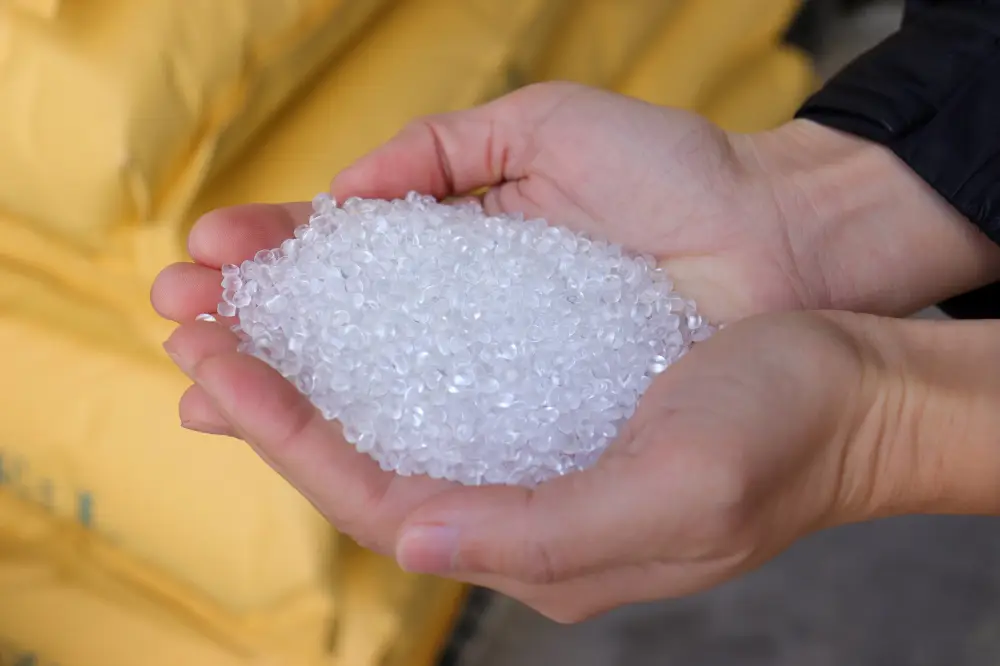
At YC Footwear, we use High-Rebound Bio-based EVA. This material is engineered to resist compression longer than standard market alternatives. While cheap slippers might fail in 3 months, our Neikeng-sourced EVA typically extends the replacement cycle to 10+ months, offering better ROI for B2B buyers and pushing the honest answer to How Often Should You Buy New Slippers toward the longer end of the spectrum.
4.2 The Durability of PVC
PVC is inherently more resistant to abrasion but less effective at shock absorption. For institutional use (hospitals, spas), PVC slippers can last 12 to 18 months, though the lack of ergonomic support may necessitate a shorter replacement cycle for comfort-focused brands. Many procurement teams therefore standardize on EVA for staff comfort zones and reserve PVC for wet-area environments such as locker rooms and pool decks, where abrasion resistance matters more than cushioning.
V. Strategic Sourcing for B2B: Managing Inventory Replacement Cycles
For professional buyers, the question of How Often Should You Buy New Slippers drives the entire procurement schedule, from forecasting to reorder points.
5.1 The Sourcing for Longevity Strategy
By partnering with a factory in Neikeng, Jinjiang, brands can offer products that last 30% longer than competitors. This reduces return rates and fosters customer trust. We provide SATRA-tested durability reports to help our B2B clients justify their premium positioning and to answer How Often Should You Buy New Slippers with third-party evidence instead of guesswork.
5.2 Private Mold Exclusivity
We recommend the Private Mold ($1,500 Refundable) route to incorporate unique, high-wear sole patterns. An exclusive design allows you to control the durability specifications and set a clear recommended replacement standard for your loyal customer base. When you own the mold, you also own the data: every sample test feeds back into a smarter replacement-cycle claim for your retail packaging.
VI. Neikeng, Jinjiang: Engineering Longevity into Every Pair
Why is the global standard for slipper longevity set in Neikeng? Because that is where the answer to How Often Should You Buy New Slippers is engineered, not guessed.
6.1 The R&D Advantage
Neikeng is an ecosystem where chemical engineers and mold designers work side-by-side. We don’t just foam EVA; we engineer molecular chains that resist fatigue. This is why our answer to How Often Should You Buy New Slippers is always longer than the industry average.
6.2 Scale and Compliance
With 15 injection lines and a monthly capacity of 800,000 pairs, YC Footwear ensures that every batch meets global standards like REACH, CE, and PFAS-Free (AB 1817). Durability without safety is not true quality — a slipper that lasts longer is only an upgrade if its chemistry is compliant in every market where it is sold, which is why our compliance documentation is bundled with every sourcing agreement.
VII. B2B FAQ: Insights for Professional Procurement
Q1: How does foot sweat affect the replacement cycle?
Foot sweat contains salts and acids that can accelerate the degradation of low-grade adhesives and foams. Our Neikeng-sourced materials are non-porous and chemically stable, resisting sweat-induced breakdown.
Q2: Should elderly users replace slippers more often?
Yes. For the elderly, the answer to How Often Should You Buy New Slippers is every 6 months. As gait stability decreases with age, the need for fresh, high-traction outsoles and firm arch support becomes life-critical.
Q3: Can we offer a Subscription Model based on these cycles?
Absolutely. Many DTC brands are now using our 9-month durability data to offer subscription services that automatically answer How Often Should You Buy New Slippers for their customers, ensuring they always have a fresh, supportive pair.
Q4: What MOQ and lead time should buyers plan for?
For stock designs, we recommend ordering eight to ten weeks ahead of your seasonal replacement cycle so inventory turnover matches the 6-to-12-month window described above. Custom private-mold programs typically require a slightly longer first run while tooling is validated.
VIII. Conclusion: Build Your Brand on Fresh Stability
The question is no longer just How Often Should You Buy New Slippers — it is about how to provide the best possible foot environment for your customers. In 2026, durability is the intersection of material science and personal health, and the brands that win will be the ones that replace guesswork with engineering.
At YC Footwear, located in the heart of the Jinjiang Neikeng footwear hub, we provide the manufacturing integrity and R&D power to ensure your slippers set the gold standard for longevity. With our $1,500 refundable mold policy and global certifications, we are your strategic partner in the safety and wellness footwear revolution.
Ready to provide slippers that last? Contact YC Footwear today to design a collection built for durability — and let your customers stop wondering How Often Should You Buy New Slippers.
Appendix: Seasonal and Climate Adjustments
Climate should refine, not replace, your replacement calendar. In coastal or tropical markets with high humidity, condensation inside a closed shoe cabinet accelerates hydrolysis of low-grade foams, so buyers should shorten the 6-to-12-month range toward the lower boundary. In dry, temperate markets, the same slipper architecture can comfortably serve the full 12 months before structural fatigue appears.
Seasonality also matters for inventory planning: slipper demand peaks ahead of winter in North America and Europe, so a brand that aligns its restocking schedule with How Often Should You Buy New Slippers can convert a hygiene-driven purchase into a predictable seasonal reorder. That alignment is exactly what turns a commodity sku into a recurring revenue line.
Frequently Asked Questions: Quick Answers for Retail Teams
Q5: How should retailers communicate the replacement cycle at the shelf edge?
Print a durable-care card inside the box that states the material-specific lifespan and the three visual wear signals. Retailers who display a simple Replace-By Month on the insole QR code report fewer fit complaints and more repeat purchases.
Q6: Do washable slippers reset the hygiene clock?
Machine-washing removes surface soil but not colonies embedded in thick foam cells. Treat washing as maintenance between replacements, never as a reason to extend How Often Should You Buy New Slippers beyond the 9-month hygiene ceiling.
Finally, remember that a replacement cycle is a promise your brand makes about foot health. Whether you sell through Amazon FBA, a DTC storefront, or hotel supply contracts, publishing a clear lifespan policy reduces liability, builds trust, and positions slippers as a considered purchase rather than an impulse item. YC Footwear’s engineering team publishes raw compression-set data with every bulk order, so your compliance and marketing departments never have to guess.
Bookmark this guide, share it with your sourcing team, and use the 2026 cycle benchmarks — 6 months for hygiene, 12 months for structure, and 9 months as the balanced default — as the backbone of your next catalog.