Buying slippers in bulk seems like it should be simple enough. Find a supplier, pick a style, place the order. But anyone who’s actually gone through the process knows it gets complicated fast — especially the first time around.
The range of suppliers is enormous. The quality gap between them can be even bigger. And the real challenge isn’t finding someone willing to sell you 500 pairs of slippers. It’s finding the right source for your particular needs, at a price that makes business sense, with quality you can actually rely on.
This guide is built around the practical decisions bulk slipper buyers face — whether that’s a boutique retailer stocking shelves, a hotel chain outfitting guest rooms, or an event planner looking for wedding favors that people will genuinely use.
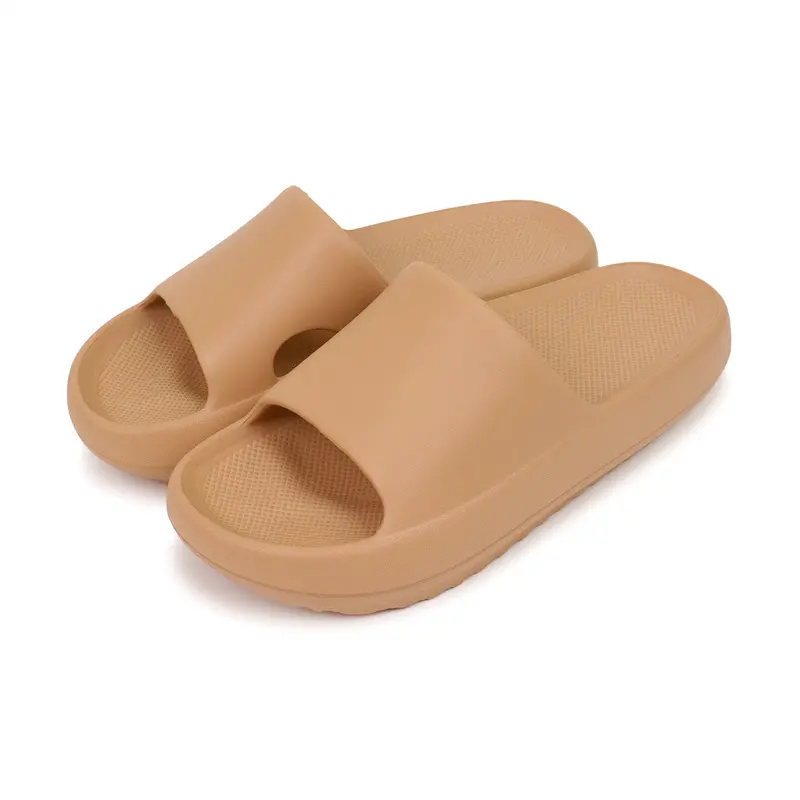
Who’s Actually Buying Slippers in Bulk?
The buyer pool is wider than most people realize, and it matters because different buyers need fundamentally different products.
- Retail shops and e-commerce sellers looking for margin-friendly inventory
- Hotels, resorts, and spas ordering guest amenities
- Hospitals and care facilities needing functional, hygienic footwear
- Airbnb and vacation rental hosts adding a small hospitality touch
- Event planners — wedding “dancing slippers” for guests have become surprisingly popular
- Corporate gifting companies sourcing branded comfort items
A hotel purchasing manager and a small Etsy reseller both buy wholesale footwear, but their priorities around pricing, customization, materials, and minimum quantities look nothing alike. Knowing which category you fall into helps narrow down the sourcing channel that fits best.
Main Sourcing Channels for Bulk Slipper Purchases
Direct from Manufacturers
This is the route that gets you the lowest per-unit cost and the most control over the product — materials, colors, logo placement, packaging. Manufacturing hubs in China, Vietnam, India, and Turkey produce the vast majority of the world’s wholesale slippers, and many factories now work directly with international buyers through their own websites or sales teams.
The trade-off is real, though. MOQs typically start at 200 to 500 pairs (sometimes higher for fully custom designs), lead times can stretch to 30–60 days, and you’ll need to manage — or pay someone to manage — shipping logistics, customs clearance, and quality inspection. For larger operations buying thousands of pairs, it’s almost always worth it. For smaller buyers, the friction can be a dealbreaker.
B2B Wholesale Platforms
Alibaba, Made-in-China, and Global Sources are the big names here. They aggregate thousands of slipper manufacturers and trading companies into searchable catalogs, which makes comparison shopping relatively easy.
The catch — and it’s a well-known one at this point — is quality inconsistency. The product photos look great. The sample might look great. But the actual production run? That’s where things sometimes fall apart. Verified supplier badges and trade assurance programs help reduce risk, but they don’t eliminate it.
A practical approach that experienced buyers tend to follow:
- Shortlist 3–5 suppliers based on product range and reviews
- Request samples from each (expect to pay for these)
- Compare materials, stitching, sole quality, and sizing accuracy side by side
- Place a smaller trial order before committing to full volume
Domestic Wholesalers and Distributors
For buyers who don’t want to deal with international shipping, customs paperwork, or long lead times, domestic distributors offer a simpler path. They import in large volumes and resell in smaller wholesale lots — sometimes with MOQs as low as 24 to 48 pairs.
Per-unit pricing is higher than going direct to a factory, obviously. But the convenience factor is significant, especially for smaller retailers or businesses testing a new product line before scaling up.
Trade Shows and Industry Expos
Events like the Canton Fair or MAGIC Las Vegas still play a role — particularly for buyers who want to inspect products in person and build face-to-face relationships with suppliers. They’re not the primary channel for most bulk slipper purchases today, but for establishing a long-term manufacturing partnership, there’s still something to be said for shaking hands over a sample table.
What to Look for When Choosing a Bulk Slipper Supplier
Not every supplier that offers competitive pricing deserves your business. A few evaluation criteria that consistently matter across buyer types:
- Sample quality and consistency — Does the sample match what they promise at volume?
- MOQ flexibility — Can they accommodate your order size, or are you being forced into more inventory than you need?
- Customization options — Logo printing, color matching, custom packaging, material selection
- Lead time honesty — Vague timelines are a red flag
- Communication responsiveness — Slow replies before the order usually mean slow replies after it
- Defect and return policies — What happens when 5% of the shipment arrives damaged?
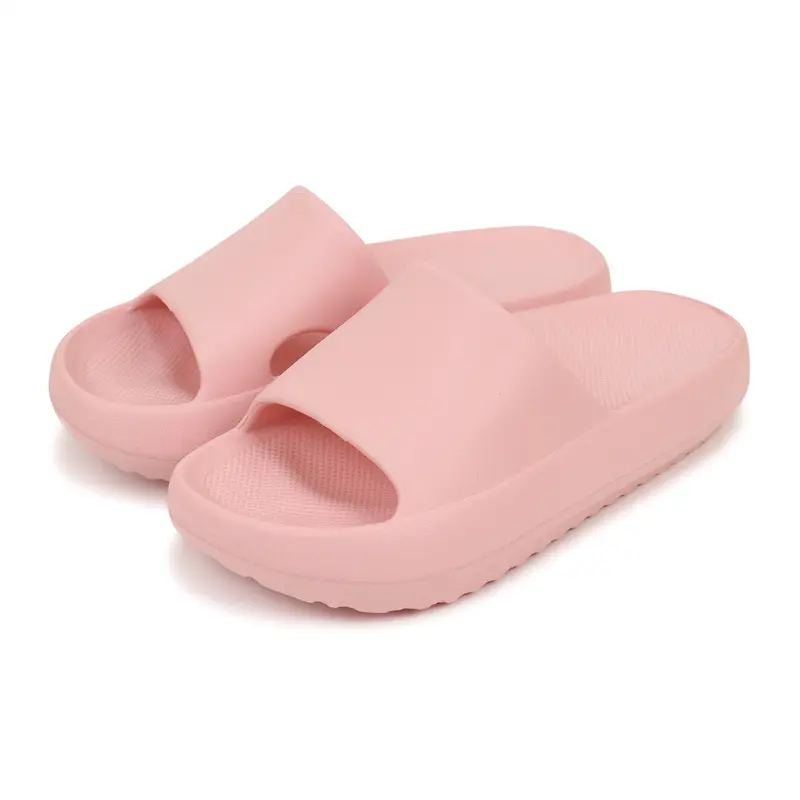
Material selection is another area worth paying attention to. EVA slippers, for instance, have become one of the most popular choices for both retail and hospitality buyers — they’re lightweight, waterproof, easy to clean, and extremely cost-effective at scale. Understanding what materials are trending in your specific market segment helps when evaluating whether a supplier’s catalog actually aligns with what your customers want.
Pricing Expectations — What Bulk Slippers Actually Cost
Pricing varies widely depending on materials, order volume, customization, and shipping terms. But here’s a rough benchmark to help frame expectations:
| Slipper Type | Approx. Price Per Pair (Bulk) | Typical Buyer |
|---|---|---|
| Disposable hotel/spa slippers | 0.30–1.00 | Hotels, spas, airlines |
| EVA / rubber casual slippers | 1.50–5.00 | Retailers, e-commerce sellers |
| Plush / memory foam indoor slippers | 3.00–10.00 | Retail, gifting |
| Premium / custom branded slippers | 8.00–20.00+ | Brands, corporate gifts |
One thing that catches first-time international buyers off guard: the quoted factory price is not the landed cost. Shipping (especially ocean freight), customs duties, and potential tariffs can add 15–30% on top. Always factor those in before comparing a direct-from-factory quote against a domestic distributor’s price. The gap is often narrower than it first appears.
Common Mistakes to Avoid When Ordering Slippers in Bulk
These come up again and again in buyer communities and sourcing forums:
- Skipping the sample stage. It saves a few dollars and a week of time. It costs much more when 500 pairs arrive and the quality is wrong.
- Ignoring sizing discrepancies. Asian, EU, and US sizing standards don’t align neatly. Always confirm the actual insole measurements, not just the labeled size.
- Underestimating shipping lead times. Especially during peak manufacturing seasons (pre-Chinese New Year, for example).
- Going all-in with an untested supplier. A trial order of 100–200 pairs reveals more about a supplier’s reliability than any amount of chat messages.
- Not specifying packaging and labeling upfront. Assumptions on either side lead to costly repackaging or non-compliant shipments.
FAQ
Can you negotiate MOQs with slipper manufacturers, or are they fixed?
In most cases, yes — there’s room to negotiate, especially during off-peak production periods or when a factory is trying to onboard new long-term clients. Some manufacturers will lower the MOQ in exchange for a slightly higher per-unit price, which can be a reasonable compromise for smaller buyers who want factory-direct quality without overcommitting on inventory. It never hurts to ask; the listed MOQ on a product page is often a starting point, not a hard ceiling.
What’s the typical lead time for a bulk slipper order from an overseas factory?
For standard, non-customized styles that the factory already produces, lead times typically range from 15 to 30 days after order confirmation. Fully custom orders — new molds, specific colorways, branded packaging — can stretch to 45–60 days or longer. Seasonal demand also plays a role; ordering during a factory’s peak production window (often September through December for footwear) may push timelines further out. Building in a buffer of at least two weeks beyond the quoted lead time is a sensible habit.
Are there specific certifications to look for when sourcing slippers for hospitality or healthcare settings?
For hospitality, certifications like OEKO-TEX (confirming textiles are free from harmful substances) are increasingly expected by hotel chains and wellness brands. In healthcare or elder care settings, slip-resistance testing standards (such as ASTM or EN ISO markings on soles) matter for patient safety. Beyond product-specific certifications, factory-level audits like BSCI or SEDEX signal that the supplier meets baseline ethical manufacturing standards — something that matters more and more to procurement teams with ESG reporting obligations.