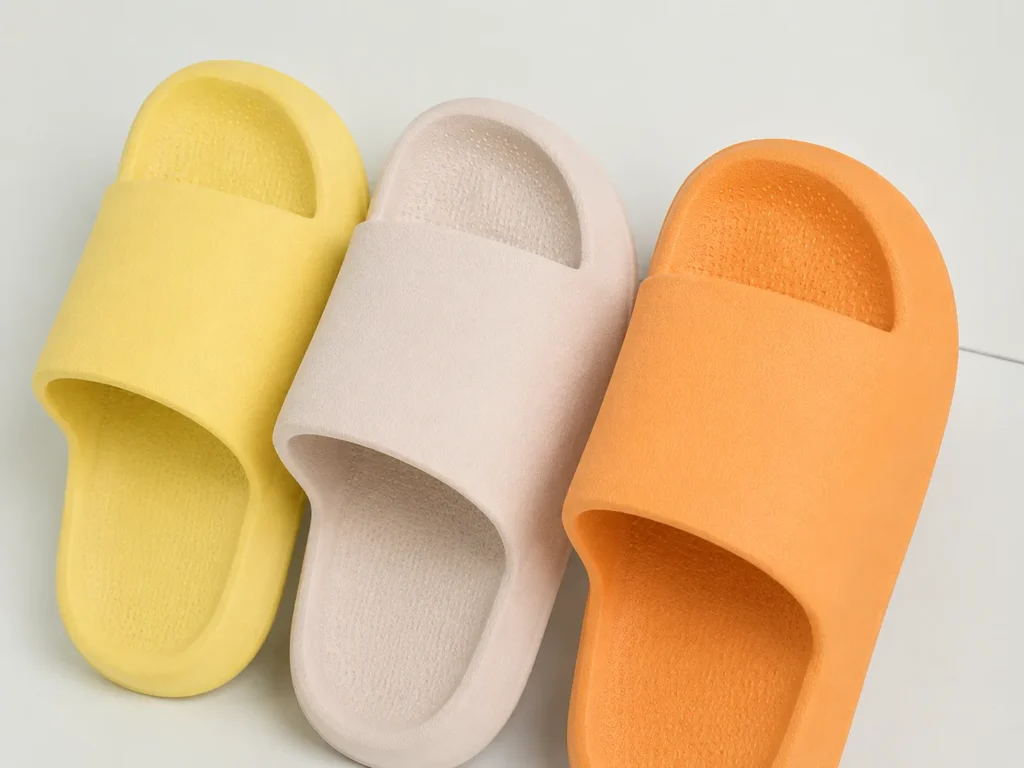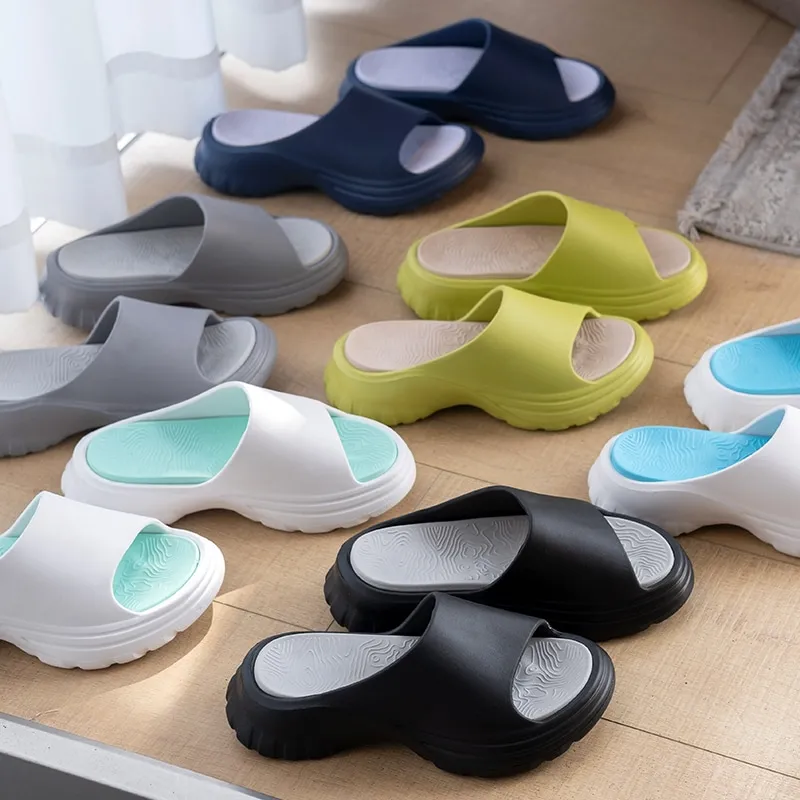
There’s always that moment of hesitation. A favorite pair of house shoes has gotten grimy, maybe a little smelly, and the obvious question comes up — can these actually be washed? And then the follow-up: will washing ruin them?
It’s a fair concern. Plenty of people have tossed a pair of slippers into the washing machine and pulled out a warped, shrunken, sad-looking result. But plenty of others have done the same thing with no issues at all. The difference almost always comes down to material and method.
The short answer is yes — most slippers can be washed. But “how” matters a lot more than “whether.”
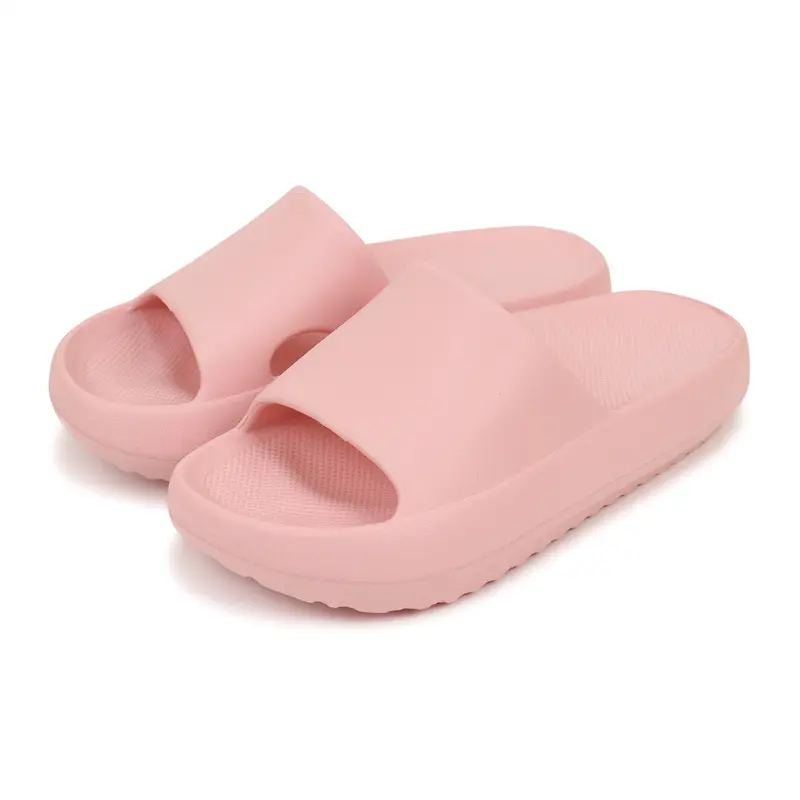
The Short Answer — It Depends on the Material
Not all slippers are built the same way, which means not all of them respond to water and detergent the same way. A knit cotton pair and a sheepskin-lined pair might sit side by side on a store shelf, but they need completely different care.
The frustrating part is that care labels on house shoes are frequently vague — “spot clean only” with no further explanation — or missing entirely. So people end up guessing.
If there’s one universal rule that applies across nearly every type, it’s this: cold water, gentle handling, and air drying. That combination minimizes risk regardless of material. Everything beyond that depends on what the slippers are actually made of.
Which Slippers Can Be Machine Washed?
Good news for anyone who prefers the easy route: a fair number of slipper types can handle a machine wash cycle. Generally, the following materials do fine:
- Cotton and cotton-blend uppers
- Polyester fleece linings
- Knit or woven synthetic fabrics
- Nylon or canvas exteriors
The key is using the gentle or delicate cycle with cold water and a mild detergent. Skip the fabric softener — it coats fibers and actually traps odor over time rather than helping.
Before tossing them in, it’s worth checking a couple of things. Glued soles are the weak point. The agitation and water exposure can soften adhesive and cause sole separation, sometimes in a single wash. Stitched or molded soles are significantly more durable through washing. Also, any embellishments — beads, buttons, decorative stitching — can catch or tear in a machine.
EVA Slippers tend to hold up particularly well in this regard. EVA soles are waterproof, won’t absorb moisture, and resist warping — so the most vulnerable part of the slipper (the sole bond) stays intact. For a quick machine-safe wash routine:
- Remove insoles if possible and wash them separately.
- Place slippers inside a mesh laundry bag.
- Add a mild, bleach-free detergent.
- Run on the gentle cycle with cold water.
- Remove immediately after the cycle ends — don’t let them sit wet.
Which Slippers Should Only Be Hand Washed?
Some materials just don’t tolerate machine agitation. It’s not necessarily about the water — it’s the tumbling, spinning, and friction that causes damage. These types should always be washed by hand:
- Wool and felted wool — machine agitation causes felting and shrinkage, sometimes dramatically.
- Sheepskin and genuine shearling — water stiffens the skin backing; agitation mats the wool fibers.
- Memory foam insoles — the foam absorbs water and can tear apart when spun.
- Faux fur-lined pairs — the lining tangles and mats irreversibly in a machine.
Hand washing is straightforward, though. Fill a basin with cold water, add a small amount of mild detergent (or wool-specific wash for animal fibers), and gently work the solution through the slipper by hand. No wringing — just press the water out. Rinse in clean cold water and press again.
It takes five minutes, honestly. And the results are consistently better than taking a gamble with the machine.
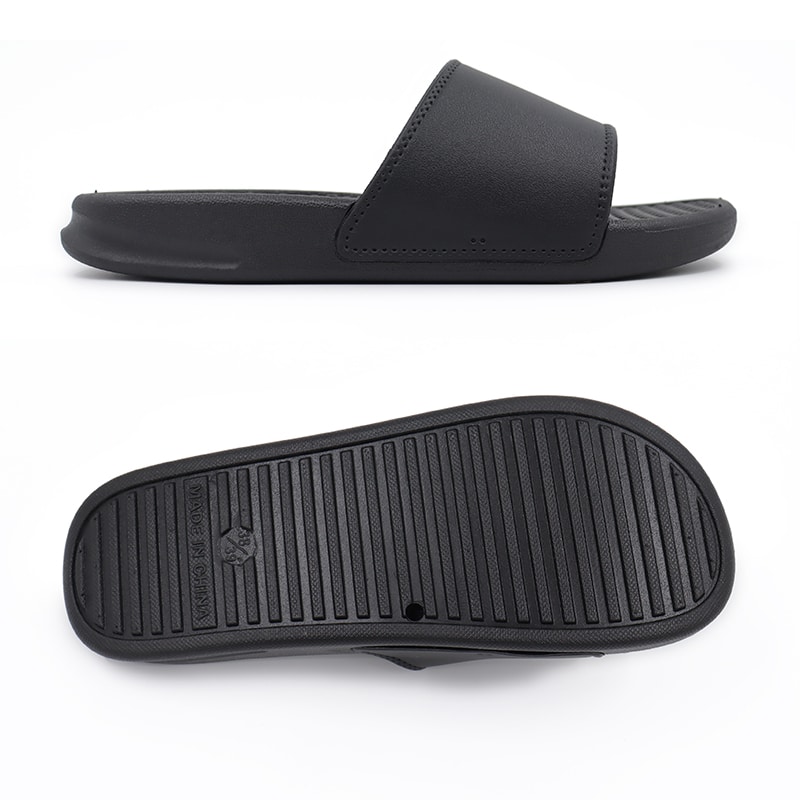
Which Slippers Should Never Be Submerged?
A short but important section. Some materials should never be fully immersed in water, period:
- Genuine leather — warps, cracks, and stiffens when soaked
- Suede — water stains and discolors permanently
- Cork-soled slippers — cork absorbs water and crumbles over time
For these, spot cleaning with a damp cloth is the safest approach. Suede-specific brushes and erasers handle surface marks well. Leather benefits from occasional conditioning. And if the smell becomes an issue, internal deodorizing (baking soda, charcoal inserts) works without involving any water at all.
Washing Method by Material — Quick Reference
For anyone who just needs the practical answer at a glance:
| Material | Wash Method | Water Temp | Machine Dryable? | Damage Risk |
|---|---|---|---|---|
| Cotton / canvas | Machine (gentle) | Cold | No — air dry | Low |
| Polyester / fleece | Machine (gentle) | Cold | No — air dry | Low |
| Wool / felted wool | Hand wash only | Cold | No | Medium–High |
| Sheepskin / shearling | Hand wash only | Cold | No | High |
| Memory foam (insoles) | Hand wash only | Cold | No | Medium |
| Faux fur lining | Hand wash only | Cold | No | Medium |
| EVA / rubber sole | Machine or rinse | Cold–Warm | No | Very Low |
| Leather | Spot clean only | N/A | No | Very High |
| Suede | Spot clean only | N/A | No | Very High |
How to Dry Slippers Without Damaging Them
Here’s the part that trips people up the most. Even a perfectly executed wash can be undone by bad drying. The rules are simple but firm:
- No tumble dryer. Heat warps soles, melts adhesive, and shrinks natural fibers.
- No radiator or space heater. Same problems — uneven heat causes cracking and shape distortion.
- No direct sunlight. UV exposure fades colors and dries out leather or suede.
The best approach is stuffing slippers with crumpled paper (newspaper or plain paper towels) to absorb internal moisture and hold their shape, then setting them in a well-ventilated spot at room temperature. Expect 24 to 48 hours for full drying, depending on thickness and humidity. Replacing the paper midway speeds things up noticeably.
How Often Should Slippers Be Washed?
There’s no strict rule here, but most cleaning experts and dermatologists suggest washing house shoes every two to four weeks if they’re worn daily. That range shifts depending on a few things — whether socks are worn, how much foot perspiration is typical, and whether the slippers are worn outdoors at all.
Between full washes, a bit of maintenance keeps things fresh:
- Sprinkle baking soda inside overnight and shake it out in the morning.
- Remove and air out insoles separately.
- Wipe down soles with a damp cloth after any outdoor use.
These in-between steps extend the time between washes, which also extends the life of the slippers themselves. Worth noting for businesses, too — brands and retailers sourcing Custom Wholesale Slippers can improve customer satisfaction by selecting wash-friendly designs. Features like removable insoles, stitched (not glued) soles, and machine-washable synthetic linings make care easier and directly reduce negative reviews tied to odor or hygiene complaints.
FAQ
Can washing slippers in hot water shrink them?
Yes, and it’s one of the most common mistakes. Hot water causes natural fibers like wool and cotton to contract, sometimes losing half a size or more in a single wash. Synthetic materials are more heat-resistant but can still warp under high temperatures, especially around glued seams. Cold water is always the safer choice — it cleans effectively with proper detergent and avoids the dimensional risk entirely.
Is it safe to use fabric softener when washing house shoes?
It’s technically safe in the sense that it won’t cause immediate damage to most materials. But it’s generally not recommended. Fabric softener leaves a waxy residue on fibers that reduces their ability to absorb and release moisture. Over time, this actually makes slipper linings trap more sweat and odor — the opposite of what most people want. A small amount of white vinegar in the rinse cycle is a better alternative for softening without the residue.
Do slippers with rubber soles hold up better through repeated washing than foam soles?
As a general pattern, yes. Rubber and EVA soles are non-porous, so they don’t absorb water or weaken structurally from exposure. Foam soles — particularly memory foam and polyurethane — can absorb moisture during washing, which degrades the cellular structure over time and leads to crumbling or flattening. If frequent washing is expected, choosing footwear with a molded rubber or EVA base provides notably better long-term durability.