It’s a question that comes up every few weeks in most households. The slippers are looking a bit worse for wear — stained, flattened, starting to smell — and the washing machine is right there. How bad could it be?
Well, depending on what those house shoes are made of, the answer ranges from “totally fine” to “you’ll be shopping for a new pair tonight.” The material and how the sole is attached matter far more than most people realize. And the frustrating part is that care labels on slippers are often either vague or completely absent.
So here’s what actually holds up in the machine, and what doesn’t.
What Makes Some Slippers Machine-Washable and Others Not?
It comes down to two things, really: what the upper is made from, and how the sole is connected.
Breathable synthetics and cotton generally tolerate machine agitation without much trouble. Animal-derived materials — leather, suede, sheepskin — almost never do. That part is fairly intuitive.
What catches people off guard is the sole. Glued soles are the weak link in any machine wash. Water and agitation soften adhesive bonds, and once a sole starts peeling away mid-cycle, there’s no saving it. Stitched soles hold up significantly better. And one-piece molded soles — particularly EVA and rubber — are essentially unaffected by water exposure.
If the care label says “spot clean only” but the slipper is made entirely of polyester with a stitched rubber sole, there’s a reasonable argument that it can handle a gentle machine cycle. Context matters more than the tag.
Machine-Washable Slipper Types — A Breakdown by Material
Cotton and Canvas Slippers
These are probably the most forgiving. Cotton and canvas uppers handle cold water and mild detergent well. Toss them in a mesh laundry bag, run the gentle cycle, and they typically come out looking noticeably fresher. Nothing complicated.
Polyester, Fleece, and Synthetic Knit Slippers
Also machine-friendly, and arguably the most common type found in households. One thing worth skipping: fabric softener. It sounds counterintuitive, but softener leaves a coating on synthetic fibers that actually traps moisture and odor over time. Plain detergent does a better job.
EVA-Soled Slippers
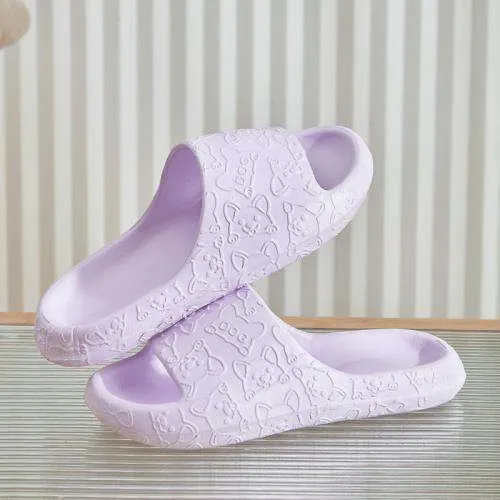
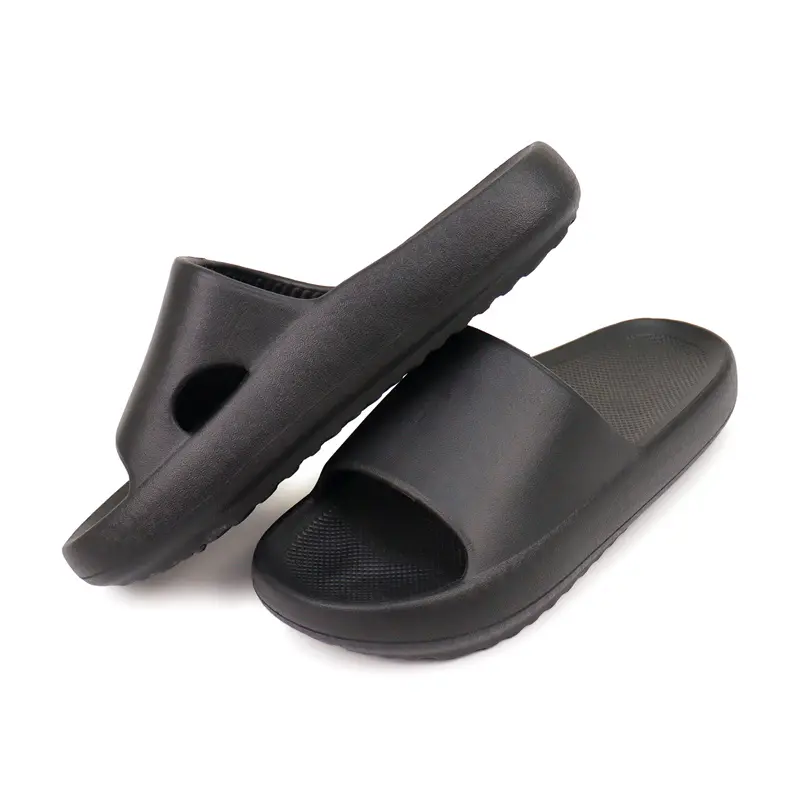
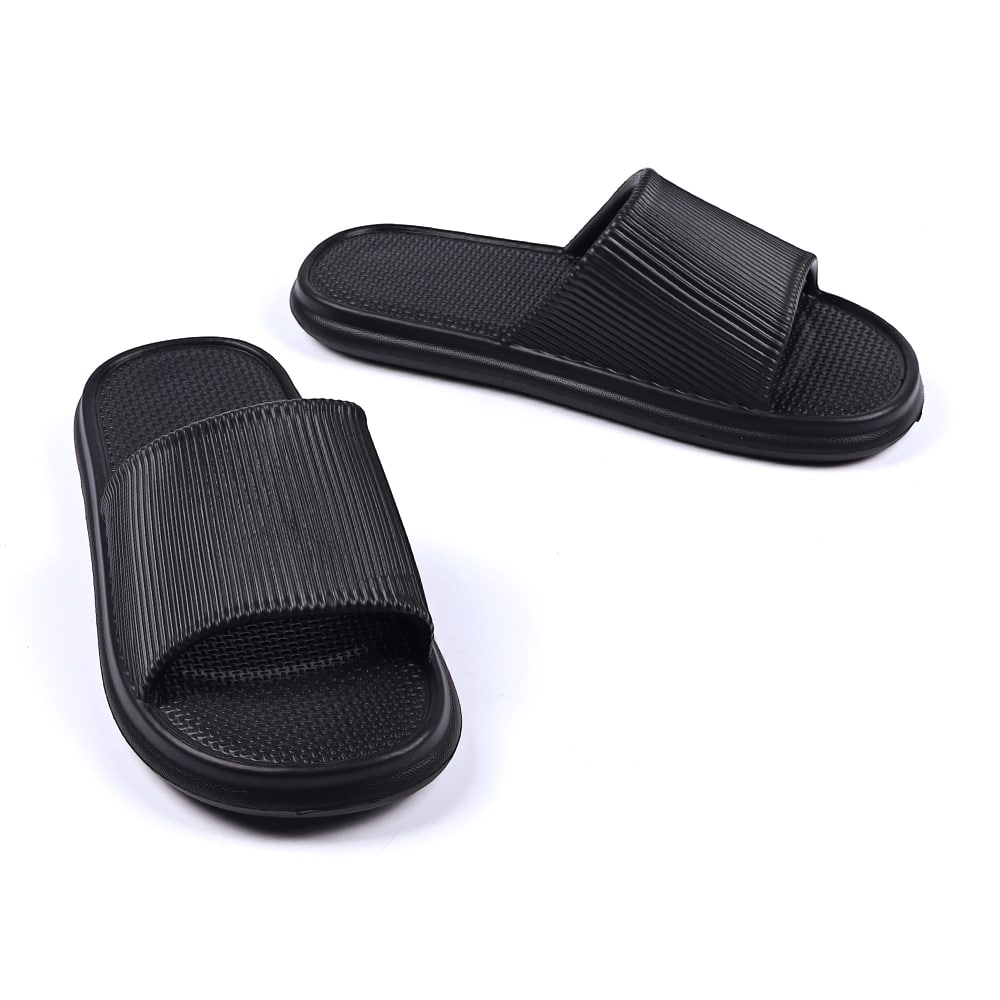
Here’s where things get interesting. EVA slippers are among the easiest to clean because the sole material is completely waterproof and dimensionally stable. It won’t absorb water, won’t warp, won’t delaminate. The sole is usually molded as one piece, so there’s no glue joint to fail. For quick refreshes, they can even just be rinsed under running water and wiped down — no full wash needed.
Rubber-Soled Slippers
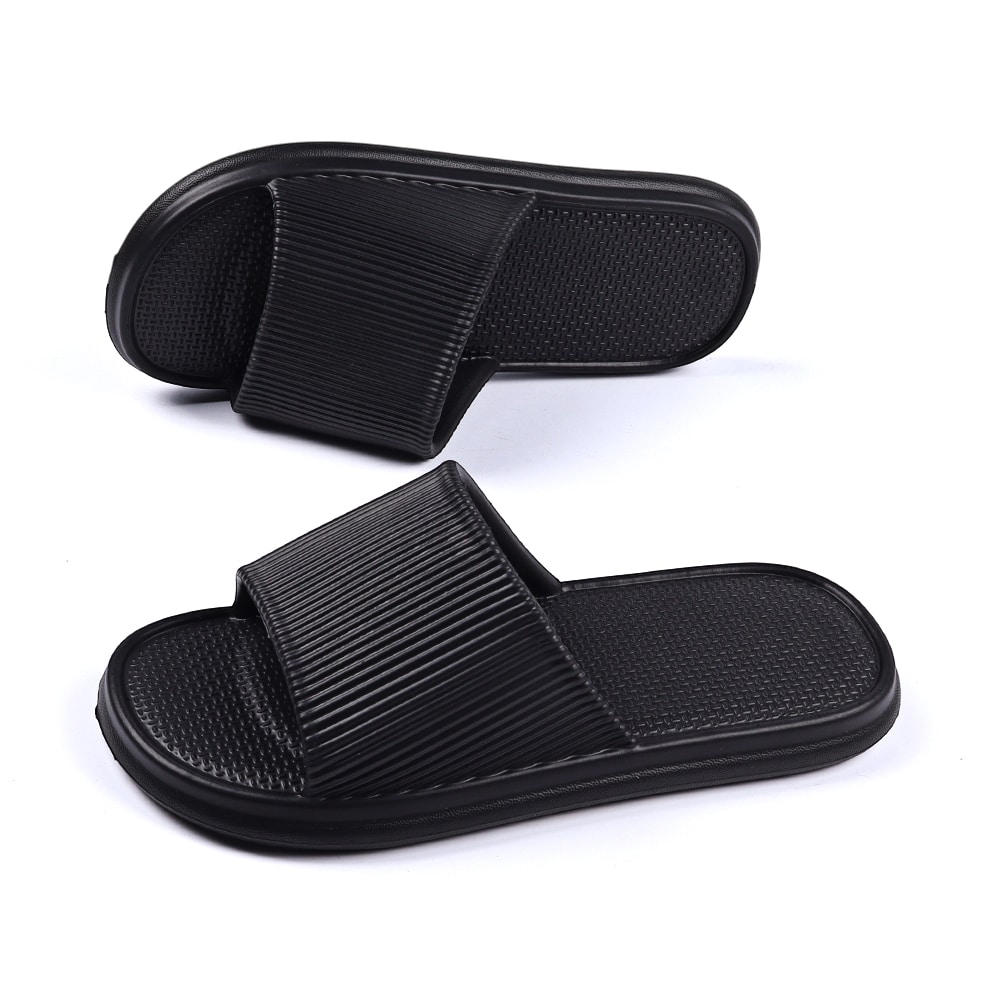
Rubber handles water well, so the sole itself isn’t a concern. The deciding factor is whatever the upper is made of. A rubber-soled slipper with a polyester knit upper? Machine-safe. Rubber-soled with suede? Absolutely not. Always judge by the most delicate component.
Slipper Types That Should NOT Go in the Washing Machine
Some pairs just aren’t built to survive a wash cycle. Putting these in the machine is almost always a one-way trip:
- Sheepskin and shearling — water stiffens the hide backing, and agitation mats the wool lining into flat, irreversible clumps.
- Suede — absorbs water unevenly, leaving permanent stains and discoloration.
- Leather — warps, cracks, and loses shape when saturated.
- Memory foam — this one’s debated, but more often than not, machine agitation waterloggs the foam, and it either tears apart inside or dries lumpy and misshapen. Higher-density foam fares somewhat better, but it’s a gamble.
- Glued-sole construction (any material) — if the sole is attached with adhesive rather than stitching, expect separation.
For these types, spot cleaning with a damp cloth and a touch of mild soap is the safest path. Not as satisfying, but far less risky.
Machine Washing Slippers — Step by Step
For the pairs that can handle it, a bit of prep makes a real difference in results:
- Shake out loose dirt and debris — this gets skipped constantly, and it matters.
- Remove insoles if they’re removable. Wash them separately by hand.
- Pre-treat any visible stains with a small amount of detergent directly on the spot.
- Place slippers in a mesh laundry bag — protects both the slippers and the machine drum.
- Select the gentle or delicate cycle, cold water, with a mild bleach-free detergent.
- Remove immediately when the cycle ends. Don’t leave them sitting damp in the drum.
That’s it. Not complicated, but each step contributes to a better outcome.
The Right Way to Dry Slippers After Washing
This is where most of the damage actually happens — not during washing, but during drying. The rules are straightforward:
- No tumble dryer (heat warps soles and shrinks fabric)
- No radiator or space heater (uneven heat cracks materials)
- No direct sunlight (fades colors, dries out natural fibers)
Stuff the slippers with crumpled paper to absorb internal moisture and hold their shape. Set them somewhere with decent airflow at room temperature. Give them 24 to 48 hours. Swap the paper out once midway through if they’re particularly wet.
Quick Reference — Can It Go in the Machine?
| Slipper Type | Machine Washable? | Cycle | Key Notes |
|---|---|---|---|
| Cotton / canvas | Yes | Gentle, cold | Use mesh bag |
| Polyester / fleece | Yes | Gentle, cold | Skip fabric softener |
| Synthetic knit | Yes | Gentle, cold | Check sole attachment |
| EVA sole | Yes | Gentle, cold | Waterproof sole — very low risk |
| Rubber sole | Depends on upper | Gentle, cold | Judge by upper material |
| Sheepskin / shearling | No | — | Hand wash or spot clean only |
| Suede | No | — | Spot clean only |
| Leather | No | — | Spot clean and condition |
| Memory foam | Not recommended | — | Hand wash if needed, carefully |
| Glued sole (any) | Risky | — | Sole separation likely |
Why Machine Washability Is a Sourcing Decision, Not Just a Care Tip
For anyone involved in buying or branding footwear at scale, this isn’t just a consumer care question — it’s a product design question. Consumers increasingly expect house shoes to be low-maintenance. When a pair can’t survive a basic wash, negative reviews follow. Odor complaints, hygiene concerns, short product lifespan — these all trace back to construction choices made at the sourcing stage.
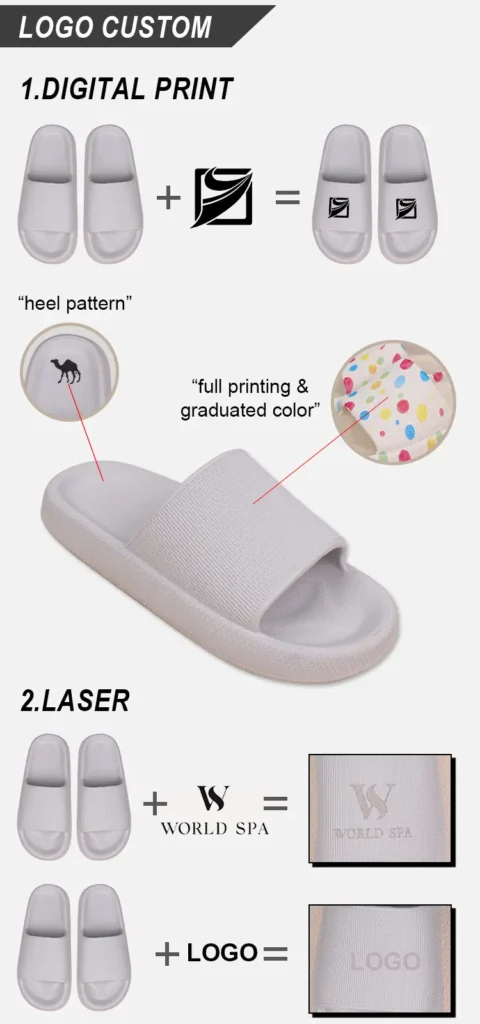
Brands working with Custom wholesale slippers have the opportunity to specify wash-friendly features upfront: stitched or molded soles, removable insoles, synthetic washable linings. It’s a small design consideration that meaningfully reduces return rates and improves customer retention.
If you want to know more about slippers, please read How to Wash Slippers: A Simple Care Guide.
FAQ
Will machine washing slippers on a warm cycle instead of cold cause damage every time?
Not necessarily every time, but warm water significantly increases the odds of problems — especially shrinkage in cotton, adhesive softening on glued soles, and fiber distortion in knit materials. Cold water paired with a decent detergent cleans just as effectively for the type of soiling slippers accumulate (sweat, dust, skin oils). The warm cycle just doesn’t offer enough benefit to justify the added risk.
Can adding a couple of towels to the machine protect slippers during the wash cycle?
It’s a commonly shared tip, and there’s something to it. Towels act as a buffer, reducing the direct impact of slippers tumbling against the drum walls. They also help balance the load, which matters if you’re only washing one small pair. That said, towels aren’t a substitute for a mesh laundry bag — ideally, both are used together for the best protection.
How many machine washes can a typical pair of synthetic slippers withstand before wearing out?
There’s no exact number, but well-constructed synthetic house shoes — stitched soles, quality polyester or nylon uppers — can generally tolerate somewhere in the range of 15 to 25 gentle wash cycles before showing meaningful wear. Lower-quality pairs with thinner fabric or glued construction may only survive a handful. Washing frequency, water temperature, and drying method all influence that lifespan more than the washing itself.