Communal showers are one of the few places where hundreds of strangers share the same surface in a single day. Gyms, swimming pools, dormitories, campsites and hotel spa areas all run on the same assumption: the floor is cleaned often enough to be safe. In practice, cleaning removes visible dirt far more reliably than it removes the microscopic organisms that cause foot infections, and standing water returns within minutes of the last mop pass.
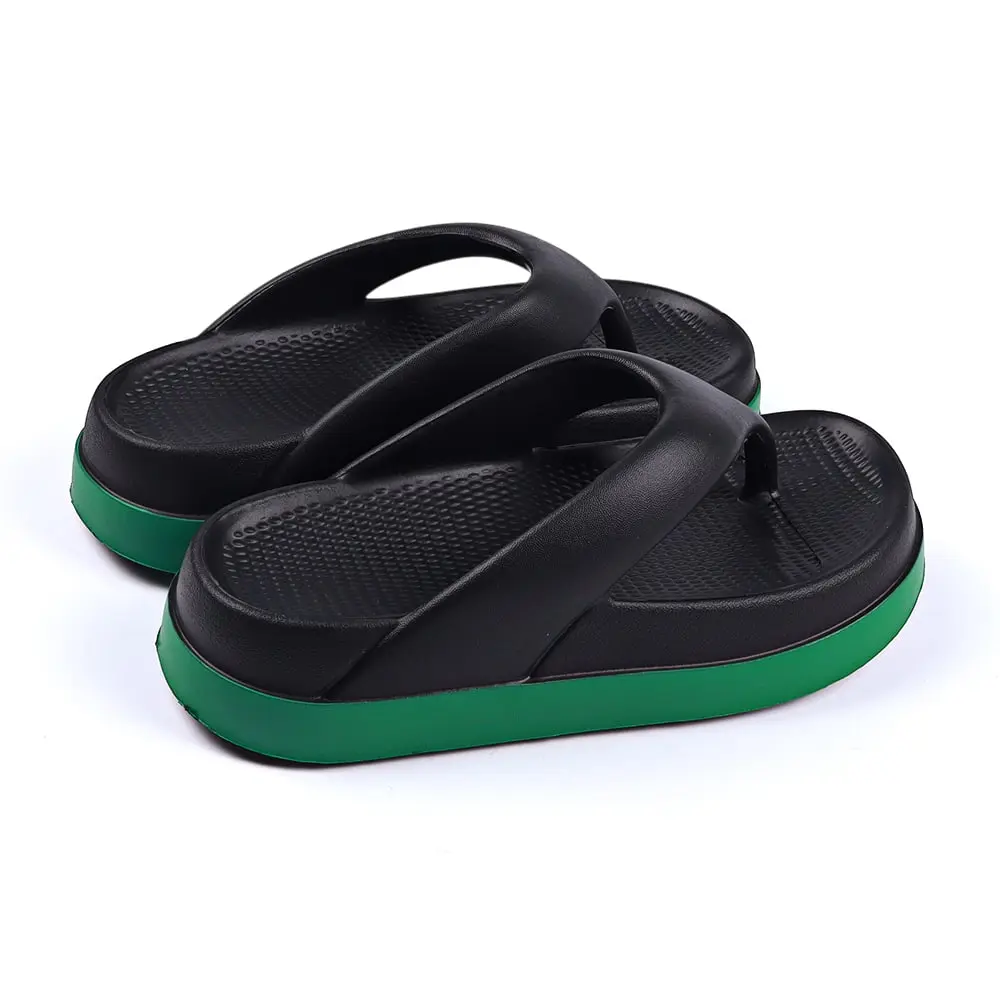
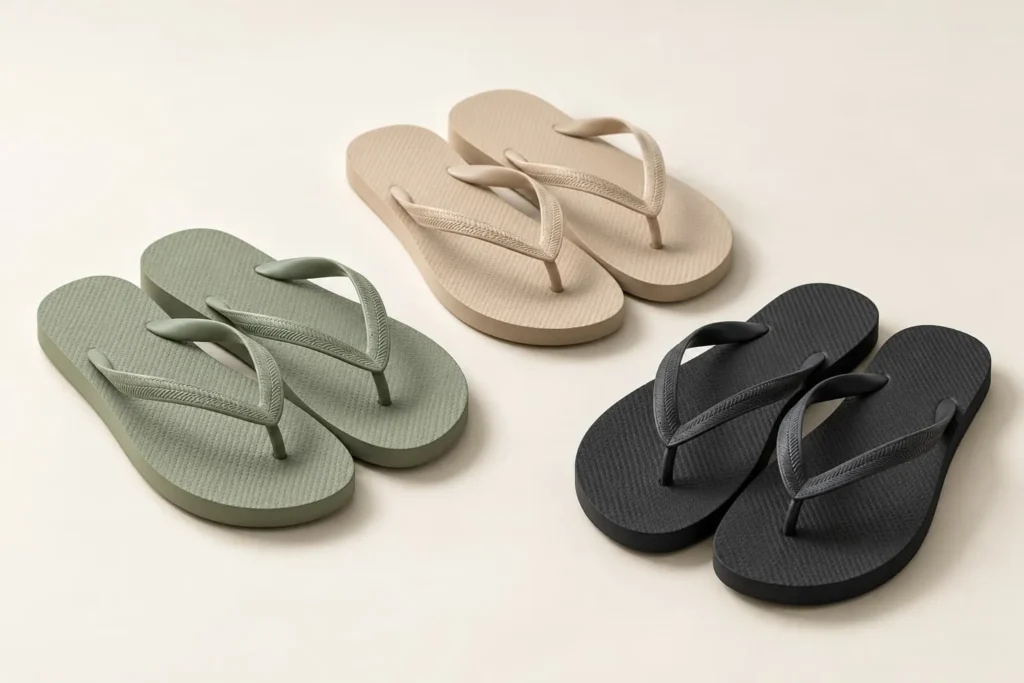
Yes, flip-flops are good for gym showers, and for most people they are the simplest effective protection available. A pair with a textured rubber outsole, drainage channels and a non-absorbent footbed keeps the sole of the foot off a contaminated surface, dries within minutes, and costs little enough that replacing it is not a decision. The caveats are practical rather than theoretical: the pair has to fit well enough to walk in, it has to be cleaned, and it has to stay in the shower area rather than following you onto the training floor.
This guide looks at what the floor actually carries, which construction details separate a shower-ready pair from a beach pair, and how to keep either one from becoming a problem of its own.
Why Gym Shower Floors Deserve More Caution Than They Usually Get
A wet locker room floor brings together everything a skin infection needs: warmth, persistent moisture, heavy foot traffic and a constant supply of shed skin cells. Pathogens do not need a dirty floor to survive, only a damp one, which is why a shower that looks clean can still transfer infection.
Dermatophytes, the fungal group behind athlete’s foot, digest keratin, the protein that makes up the outer layer of skin, hair and nails. The flakes of skin people leave on a shower floor are therefore not waste to these organisms but food. The same damp conditions that let fungi persist also soften the skin, and softened skin tears and cracks more easily, which opens the entry route that viruses and bacteria need. Risk rises with time spent barefoot, with cuts, blisters and cracked heels, and with any condition that reduces sensation in the feet or suppresses immune response.
The Pathogens That Thrive on Wet Tile
Three groups account for most of what people pick up in shared wet areas.
| Organism | Typical result |
| Dermatophyte fungi | Athlete’s foot, with itching and scaling that usually starts between the toes |
| Human papillomavirus | Plantar warts, hard growths on the weight-bearing parts of the sole |
| Staphylococcus aureus | Hair follicle infection, cellulitis or abscesses where skin is broken |
The scale of the problem is measurable. A systematic review of tinea pedis prevalence among military personnel, a group that shares showers and wears occlusive footwear for long stretches, pooled 25 studies and estimated a prevalence of 17 percent. Gym members are not soldiers, but the exposure pattern of bare feet on a shared wet floor is the same one. Clinical references describe dermatophyte infection of the foot as among the most common fungal skin infections worldwide, and note that damaged or softened skin is what allows it to become established.
Are Flip-Flops Good for Gym Showers? The Short Answer
For the shower itself, yes. Open-toe flip-flops are an adequate barrier for most healthy adults, as long as the sole grips wet tile, the material does not hold water and the pair is rinsed and dried between uses. What they do not do is compensate for a smooth outsole, a loose fit or a habit of wearing the same pair for a week without cleaning.
The mechanism is separation, not cushioning. A layer of non-absorbent material between the sole of the foot and the tile interrupts the direct contact that transmits fungal skin cells and virus particles. That is why an inexpensive pair with a deep tread works about as well as an expensive one, and why a soft, smooth-soled pair that slides on wet porcelain offers almost no benefit. Buyers evaluating flip flops for institutional or retail supply tend to focus on outsole compound and tread depth for exactly this reason: those two variables decide whether the shoe functions as a barrier or as a hazard.
What Makes a Flip-Flop Suitable for a Wet Locker Room
Five details decide whether a pair belongs in a shower: outsole tread pattern, drainage, footbed material, fit and strap construction. Get these right and the shoe works on a dorm floor, a gym floor or a pool deck without modification.
Tread is the first filter. A sole with multi-directional grooves or raised lugs keeps water moving out from under the foot, while a flat, polished sole behaves like a suction cup on wet tile. Drainage is the second: water that cannot escape pools between foot and footbed, keeps the skin soft and creates the warm film that organisms multiply in. Material comes third, because open-cell foam absorbs water into its structure and stays damp for hours, while closed-cell foam sheds it.
| Feature | Why it matters at the shower |
| Deep, multi-directional tread | Maintains friction on soapy tile instead of hydroplaning |
| Drainage channels or side ports | Clears standing water so the footbed dries between steps |
| Closed-cell EVA footbed | Does not absorb water or support mildew growth |
| Fit with 6 to 10 mm toe clearance | Prevents toe overhang and heel slip while walking |
| Strap anchored without a glued seam | Removes the joint that fails first in constant wet use |
The fit rule is easy to apply: the heel should sit inside the heel cup, the toes should not hang over the front edge, and the foot should not need to be clenched to keep the shoe on. A loose pair is a trip hazard on a wet floor, and a tight one creates the friction blisters that later become entry points for infection. Among the molds used for wet-area footwear, molded bathroom anti-slip slippers show the pattern worth copying: a single-piece sole with a raised pattern on the underside, drainage built into the footbed and no absorbent lining anywhere.
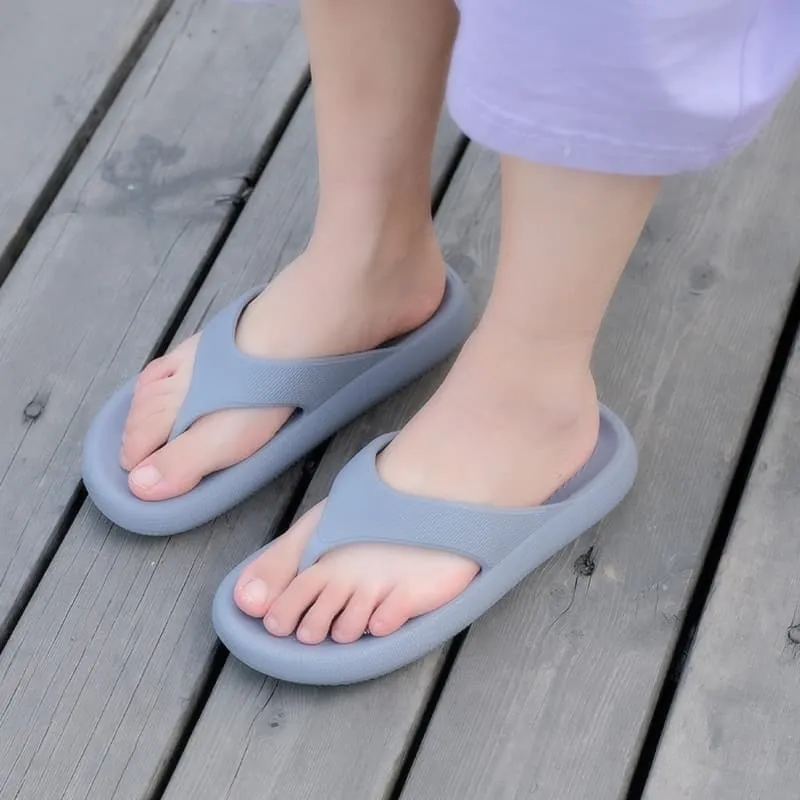
Flip-Flops, Slides, Water Shoes and Clogs Compared
All four styles protect the foot. They differ in how well they stay on, how much of the foot they cover and how fast they dry, which is what should decide the choice.
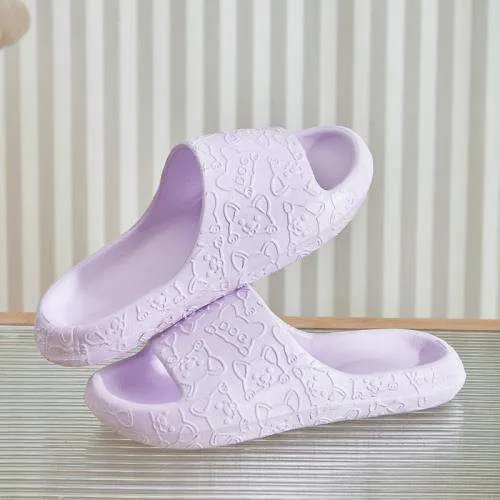
Walk into any commercial locker room and one style dominates: the molded slide. It became the default because it is faster to step into than a thong sandal, covers more of the foot, and dries as quickly as an open sandal when it is built from a single piece of foam. Flip-flops remain popular for travel because they pack flat and weigh almost nothing, while water shoes and clogs serve the cases where coverage matters more than drying speed.
| Style | Best use and trade-off |
| Open-toe flip-flops | Best drainage and packability, weakest heel retention |
| Slides | The locker room default, more coverage, slightly slower to dry |
| Water shoes | Full coverage for campsites and rough ground, slowest to dry |
| Clogs | Most protection on the dirtiest floors, bulkiest to carry |
Where Flip-Flops Stop Being the Right Shoe
Flip-flops belong to the shower, the pool deck and the walk to and from them. They do not belong on the training floor, where open toes, no lateral structure and a loose fit turn a hygiene tool into an injury risk.
The two environments ask opposite things of a shoe. A shower shoe needs to shed water and come off easily. A training shoe needs to hold the foot still, protect the toes from dropped plates and resist sideways force on a treadmill or in a lunge. Running shoes are a reasonable compromise for cardio but a poor base for squats and deadlifts, because the cushioned heel compresses unevenly under load. Worn-out trainers are worse than either, since a smoothed outsole loses grip on rubber flooring and wet tile alike. Slip risk is not a minor concern on wet surfaces: research on footwear and falls among older adults found that the majority of falls in that group happened while people were barefoot, in socks or in soft slippers, footwear that offers neither friction nor stability. A separate pair for the street matters too, because grit embedded in an outsole scratches shower floors and carries outdoor debris into a space other people walk through barefoot.
Cleaning, Drying and Replacing Shower Footwear
A shower shoe that is never cleaned becomes a reservoir. Rinse it after every use, dry it completely before it goes back in a bag, disinfect it weekly and replace it once the tread flattens.
Most failures come from storage rather than from use. A damp pair sealed in a gym bag overnight is still wet at the next session, and a permanently damp footbed is the condition that favors fungal growth. Drying in open air, sole up, is enough; direct sun and high heat are not, because they harden foam and distort molded parts.
| Task | Frequency |
| Rinse off soap and hair, wipe dry | After every use |
| Air dry outside the bag | Daily |
| Disinfect | Weekly |
| Inspect tread and strap joints | Monthly |
| Replace | When grooves are smooth or foam feels stiff |
The Weekly Disinfection Routine
A diluted bleach solution at roughly one part bleach to nine parts water, with a ten-minute soak followed by a thorough rinse, is the standard approach for a fully submersible pair. A disinfectant spray is an acceptable substitute for shoes that cannot be soaked, and an antifungal powder between wears adds a margin of safety in shared housing. The same logic that applies to keeping slippers from developing odor applies here: the smell is a signal that moisture and bacteria have settled into the material, not a cosmetic issue to be masked. Shoes should not be shared, and neither should the towel used to dry feet.
Rotation and the 3 Shoe Rule
The three shoe rule comes from distance running, where rotating three pairs spreads wear across different midsole densities, gives each pair 24 to 48 hours to recover its shape, and typically extends usable life to somewhere between 300 and 500 miles. The underlying principle transfers directly to shower footwear: two pairs used alternately dry more completely than one pair used twice a day, and a dedicated indoor pair keeps outdoor contamination out of the shower. Rotating by condition rather than by calendar is the practical version, since a shower shoe rarely wears out on schedule.
What Facility Buyers and Brands Should Specify
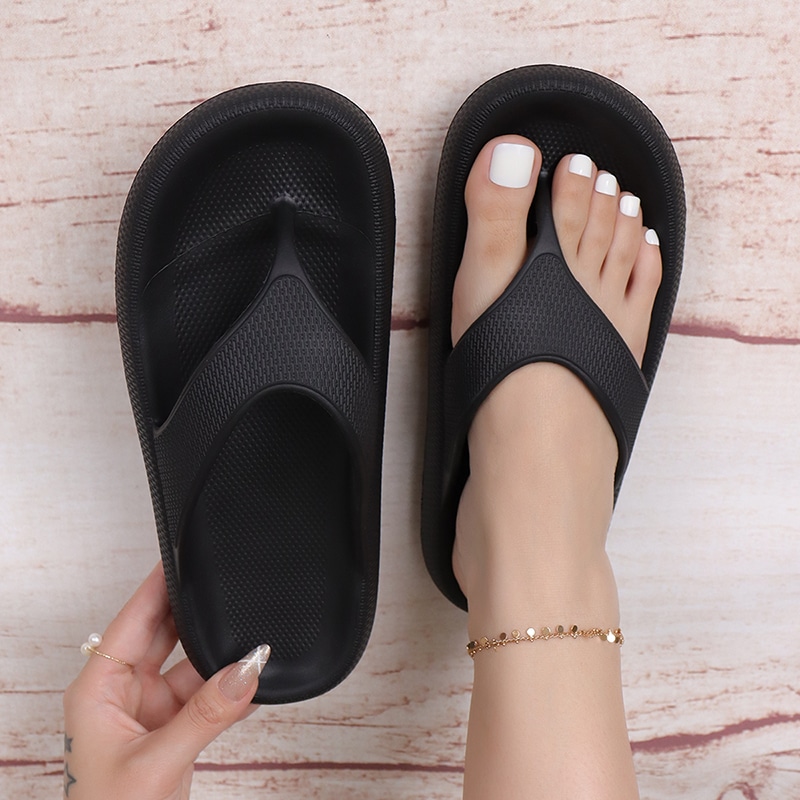
For gyms, hotels and brands sourcing for resale, the specification sheet matters more than the silhouette. Slip performance on wet tile, foam density, drainage geometry and size curve determine whether a program holds up through a season of daily use.
Three items deserve to be written into a purchase order rather than assumed. The first is outsole friction data from a wet-surface test, since a supplier’s claim of non-slip performance is not the same as a measured coefficient. The second is foam density and cell structure, which predict how quickly a pair recovers after compression and whether it will absorb water over months of use. The third is the size curve and pack format, because facilities replace shoes in bulk and a range that stops at the largest common foot generates complaints faster than any durability issue. Programs built around molded custom non slip EVA slides usually add a color-coding requirement as well, so staff can tell shower footwear from pool-deck footwear at a glance.
FAQ
Three questions tend to come up once the basics are settled, and each has a practical answer rather than a simple yes or no.
Do flip-flops protect toenails from fungal infection?
Only partly. Toenail fungus usually follows a skin infection that has been present for a while, so blocking the floor contact that starts athlete’s foot reduces the risk indirectly. Nails are still exposed at the toe edge of an open sandal, and a toe stub that damages the nail plate creates the crack fungi enter through. Trimming nails short and drying them after every shower does more for nail health than any shoe design.
Are thin hotel-style slippers good enough for a gym shower?
For a dry hotel room, yes. For a wet communal shower, generally not. Most disposable slippers use a thin, smooth outsole with no wet-grip pattern and a fabric or foam upper that holds water, so they offer contact protection for a few steps but little friction and no durability. They are better than bare feet and worse than a molded pair.
Can one pair go from the shower to the street?
It can, but the pair should then be treated as an outdoor shoe and cleaned before its next shower use. Outdoor wear embeds grit in the outsole, which scratches tile and holds moisture, and it picks up soil organisms that have nothing to do with the locker room. Two pairs, one for wet indoor areas and one for everything else, solves the problem for less than the cost of a single clinic visit.