The Short Answer: Usually, Not a Great Idea
Can you put slippers in the dryer? Technically, sometimes yes — but in practice, it’s often a gamble. Heat can shrink fabric, warp foam, loosen glue, and flatten the soft cushioning people buy slippers for in the first place. That’s the annoying part: the quickest drying method is usually the one most likely to ruin them.
A lot depends on what the slippers are made of. Some sturdy fabric pairs may survive a gentle cycle once in a while, while more delicate styles really don’t enjoy tumbling around with hot air. Most slippers are built for comfort and light indoor wear, not for repeated exposure to dryer heat.
What Happens When Slippers Go in the Dryer?
The dryer does more than just remove moisture. It also adds heat, movement, and friction — a combination that can be rough on footwear.
Heat can change the shape
Fabric can tighten. Foam can compress. Plush linings can go a little strange after drying too fast. Once that happens, the slipper may still be wearable, but it might not feel the same. And for something designed to be soft and easy, that matters more than people expect.
Adhesives and stitching can weaken
A lot of slippers are held together partly by glue, not just stitching. That’s especially common in lightweight styles. Dryer heat can soften adhesives, which sometimes leads to:
- soles separating from the upper
- decorative trim coming loose
- seams starting to gap
It’s not always dramatic. Sometimes it’s just a slow decline, which is arguably worse.
Odor doesn’t always disappear
A dryer can make the outside feel dry while the inside still holds moisture. That trapped dampness can lead to odor later, even if the slippers seemed fine right after the cycle. So the “quick fix” isn’t always a fix.
Which Slippers Might Handle Dryer Heat Better?
Not all slipper materials react the same way. Some are much less forgiving.
Fabric or cotton slippers
These are the closest thing to dryer-tolerant, especially if the care label says tumble dry low or no heat. Even then, gentle drying is safer than using a standard hot setting. If the slippers feel lightweight and simple, they may manage, but still with caution.
EVA styles
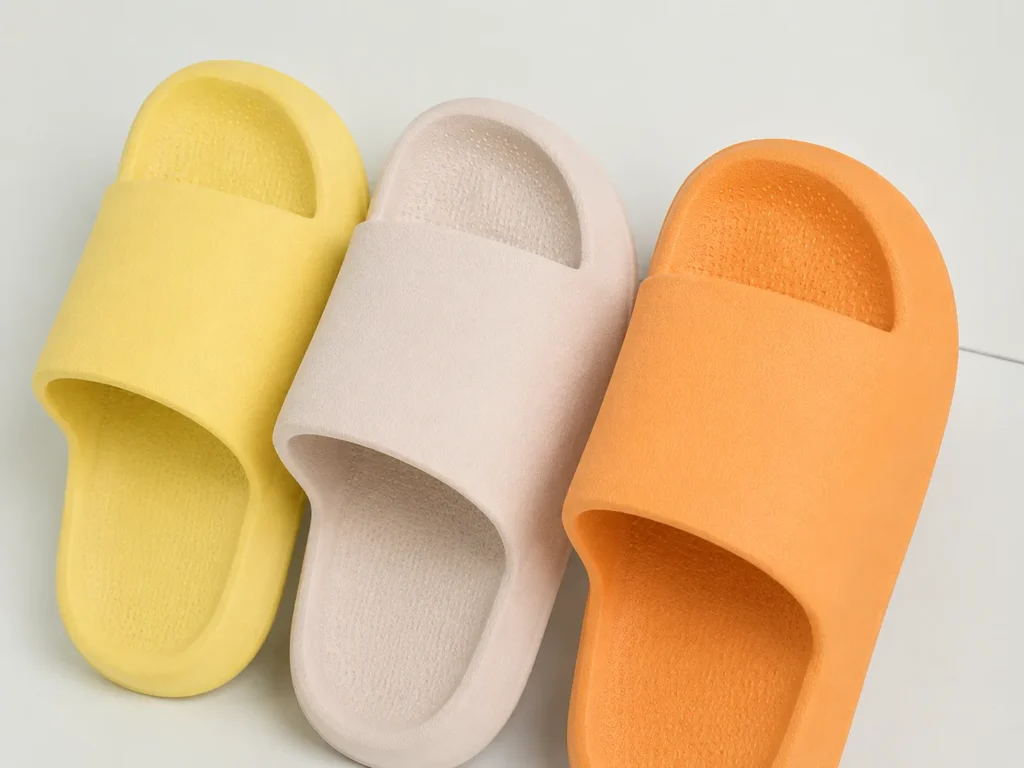
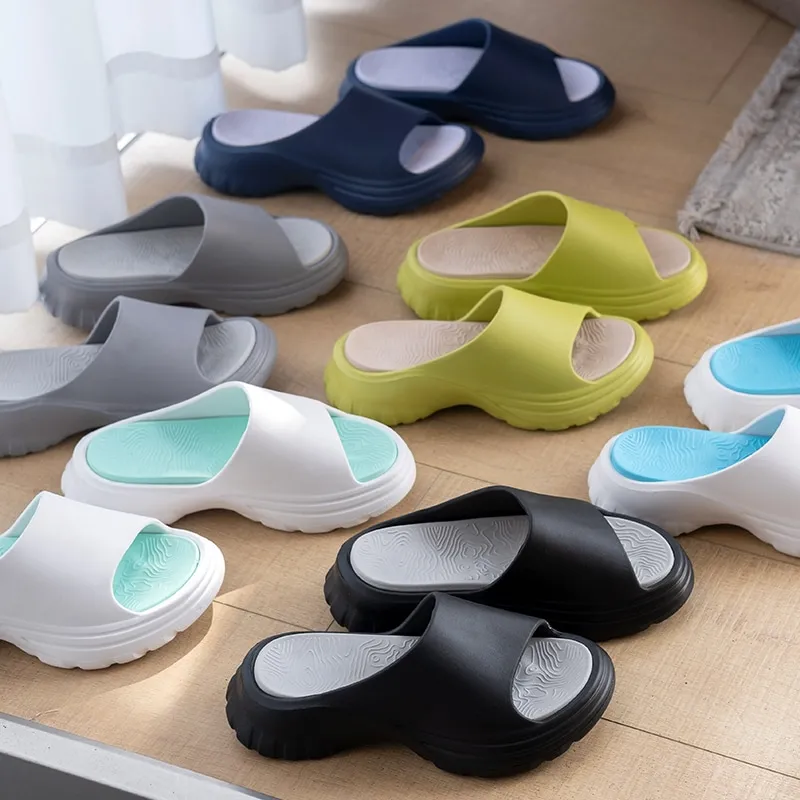
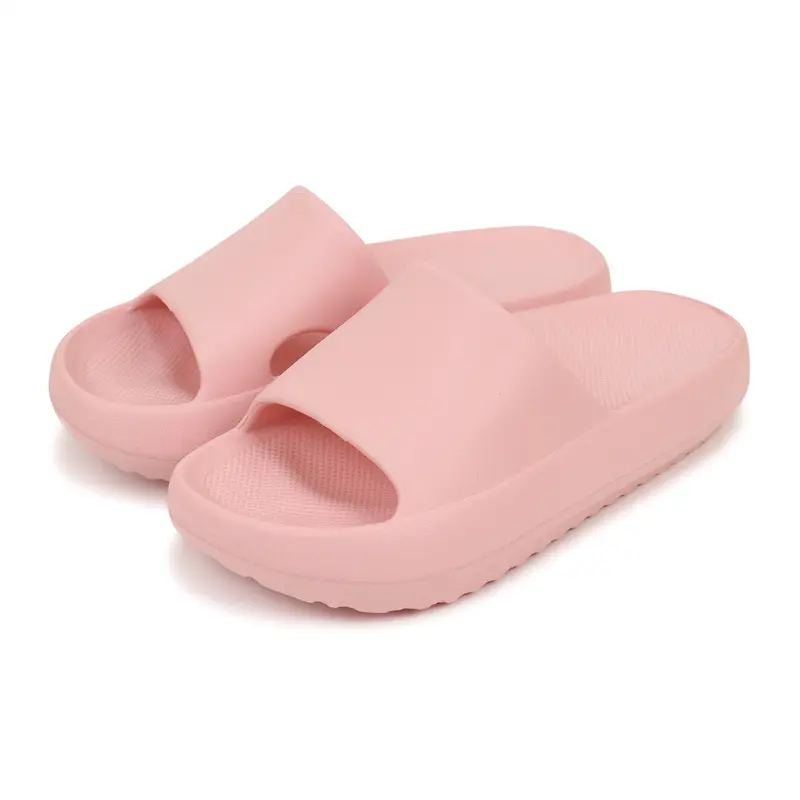
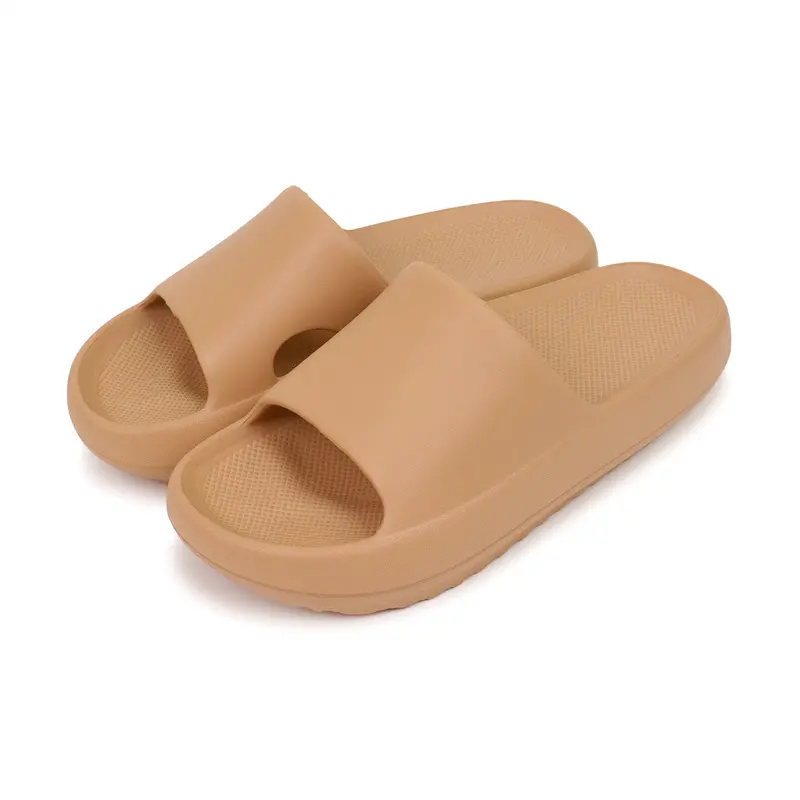
EVA is durable and easy to clean, but that doesn’t automatically mean dryer-safe. In fact, many EVA Slippers dry better on their own because heat can still distort the shape if it gets too intense. They’re usually more practical to air dry than to toss into a heated cycle.
Memory foam, suede, leather, and fuzzy slippers
These should generally stay out of the dryer. Memory foam may lose structure, suede can stiffen or stain, leather can crack, and plush linings can mat down in a way that’s hard to reverse. Once those materials are affected, the slippers often never feel quite right again.
Safe Drying Tips That Usually Work Better
If the goal is to preserve both comfort and shape, air drying tends to be the safest route. It’s slower, yes, but usually less destructive.
Let them dry naturally in open air
Place the slippers in a well-ventilated space. A room with a fan, open window, or decent airflow is ideal. Avoid stuffing them into a closed corner where moisture just sits there and lingers.
Use paper towels or clean cloth inside
This is a small step that makes a noticeable difference. Putting dry paper towels or a clean cloth inside the slippers helps absorb moisture from the lining and keeps the shape from collapsing as they dry.
Avoid direct heat sources
Radiators, space heaters, vents, and strong sunlight can seem harmless at first, but they create many of the same problems as a dryer — just a little slower. Heat is still heat. It can dry the surface while leaving the inside uncomfortable or warped.
Rotate slippers regularly
If slippers are worn every day, they don’t always have enough time to dry completely between uses. Rotating between two pairs can reduce odor buildup and extend their life more than people realize.
If the Dryer Has to Be Used, Do It Carefully
Sometimes there’s no patience for air drying, and that’s understandable. If the dryer is the only option, it should be treated like a cautious experiment, not a default.
A safer approach would be:
- Check the care label first
- Use no heat or the lowest heat setting available
- Put the slippers in a laundry bag or pillowcase
- Add a few towels to cushion the movement
- Stop the cycle early and check the shape
- Remove them as soon as they’re dry enough
This still isn’t ideal, but it lowers the chances of damage. If the slippers are expensive or sentimental, though, the risk may not be worth it.
Drying Guide by Slipper Material
| Material | Dryer Safe? | Best Drying Method | Risk Level |
|---|---|---|---|
| Fabric/Cotton | Sometimes on low or no heat | Air dry or low heat | Medium |
| EVA | Usually no | Air dry | Medium-High |
| Memory Foam | No | Air dry only | High |
| Suede/Leather | No | Spot dry, then air dry | High |
| Plush/Fleece | Rarely | Air dry | Medium |
This is a useful rule of thumb, especially when the label is missing or unclear. In general, the more structured, foamy, or delicate the material, the less it likes the dryer.
Common Mistakes That Ruin Slippers During Drying
The problems usually start with a few very normal habits that happen to be bad for the material.
- Using high heat because it “works faster”
- Tossing in slippers before squeezing out excess water
- Drying them right next to a heater
- Ignoring the inner lining and insole
- Assuming all slippers behave the same way
- Overdrying them until the materials become stiff
That last one is surprisingly common. Slippers don’t always look damaged right away, but over time the shape changes, and then they stop feeling like the same pair.
When It’s Better to Replace Them
There comes a point where drying won’t help much anymore. If the sole is separating, the foam feels permanently flat, or the smell returns immediately after drying, the slippers may be at the end of their life.
This happens more often in settings where slippers are used heavily or shared across many people. In bulk-use environments, Custom Wholesale Slippers can sometimes be a more practical solution than constantly trying to revive worn-out pairs. Replacement cycles start to make more sense when comfort and appearance both matter.
Final Thoughts
So, can you put slippers in the dryer? In some cases, yes — but it’s usually not the safest choice. Air drying is gentler, more predictable, and far less likely to damage the materials. The real trick is paying attention to the slipper type instead of assuming one method works for everything.
For everyday care, a little patience goes a long way. Keep them dry, avoid excess heat, and the slippers will usually stay softer, fresher, and more wearable for longer.
FAQ
Can slippers be dried on an air-fluff cycle?
Sometimes, yes — if the dryer has a no-heat or air-fluff setting and the slippers are sturdy enough. Even then, it’s smart to check the label and stop early if they start losing shape.
How long do slippers usually take to air dry?
It depends on the material and how wet they are, but many slippers need several hours to a full day. Thick linings or foam can take longer, especially in humid rooms.
Why do slippers sometimes smell worse after washing?
That usually means moisture got trapped in the lining or sole. If slippers are dried too slowly, bacteria and odor can linger even after washing. Good airflow matters almost as much as cleaning.