There’s a moment — usually around mid-winter — when a favorite pair of fur-lined slippers starts looking a little rough. Maybe the lining has gone flat, or there’s a smell that airing out just won’t fix. The natural instinct is to throw them into the washing machine. And that instinct, more often than not, is exactly what ruins them.
The good news is that cleaning fur-lined slippers without wrecking the interior is entirely doable. It just takes a bit of patience and the right approach.
Why Fur Lining Gets Ruined So Easily
Fur — whether real or faux — is surprisingly fragile when it comes to cleaning. Three things destroy it fastest:
- Heat. Hot water and tumble dryers cause fur fibers to shrink, harden, and permanently clump together.
- Mechanical agitation. The spin cycle in a washing machine tangles and mats the lining beyond recovery.
- Harsh detergents. Strong chemicals strip the natural oils from real fur and break down the synthetic fibers in faux alternatives.
What’s deceptive is that the slippers might look fine right after a machine wash. The real damage shows up once they dry — stiff, lumpy lining that never quite feels the same again.
Before You Start — Identify Your Slipper Materials
Not every pair of fuzzy house shoes needs the same treatment. The exterior fabric, lining type, and even the sole material all change the approach. A suede-upper slipper with sheepskin lining, for instance, needs much gentler handling than a polyester pair with faux fur inside.
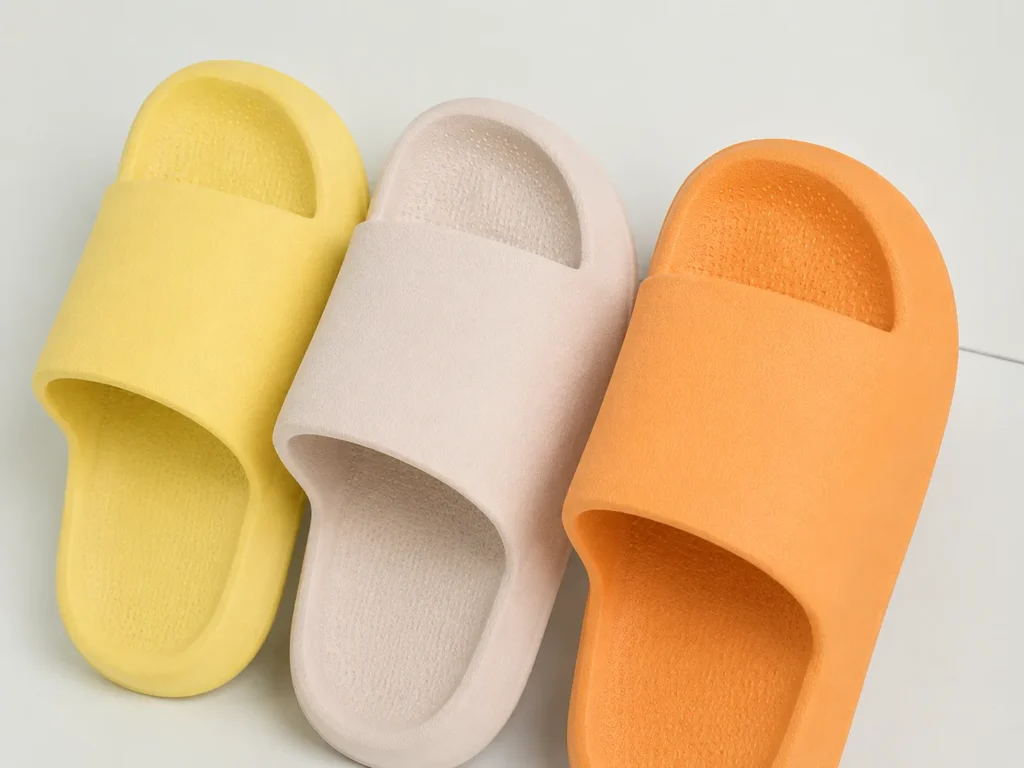
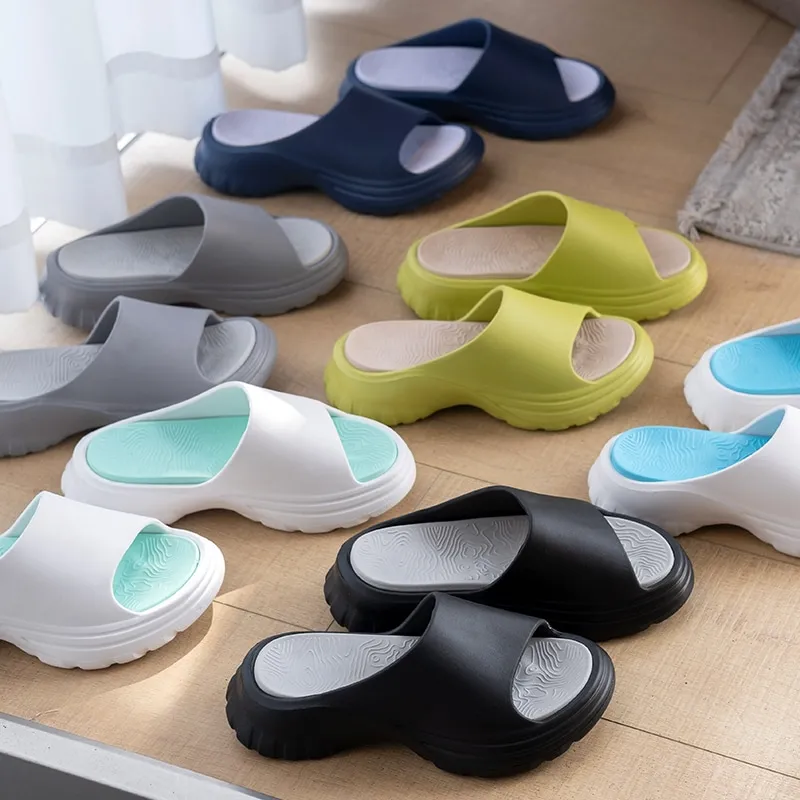
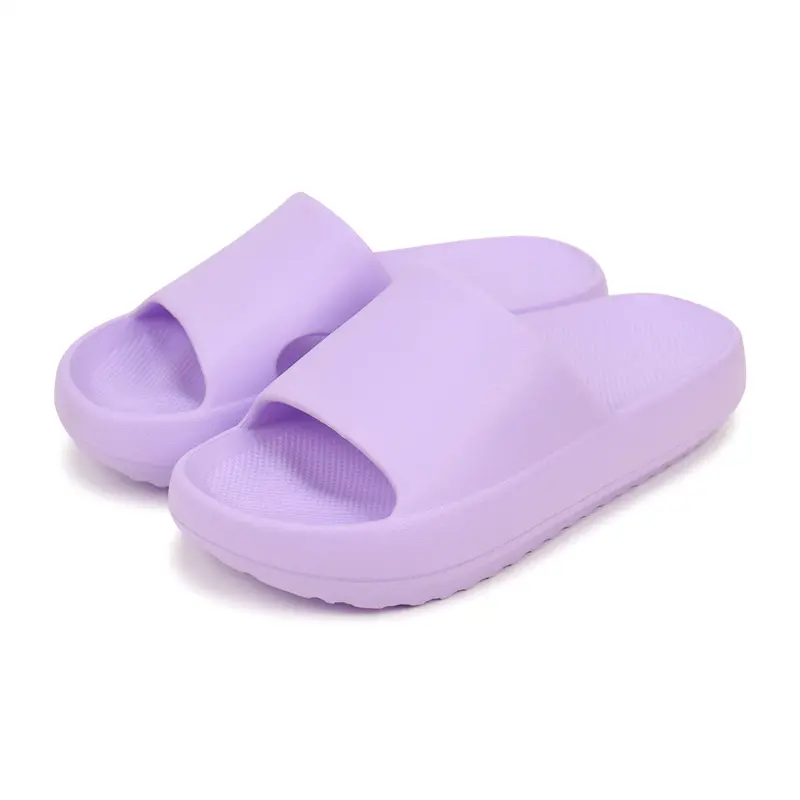
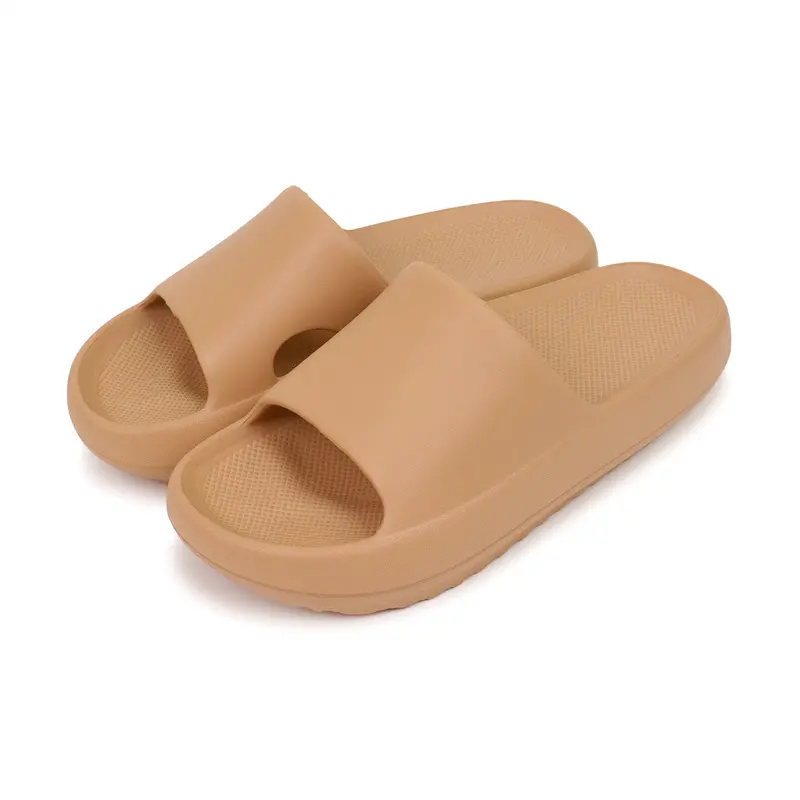
Sole construction matters too. Pairs built with EVA slippers soles are notably easier to clean since EVA is fully waterproof and won’t absorb moisture during hand washing. Leather or cork soles, on the other hand, can warp if soaked.
Here’s a quick reference:
| Lining Material | Exterior Material | Recommended Method | Can It Be Submerged? |
|---|---|---|---|
| Real sheepskin | Suede | Spot clean only | No |
| Faux fur | Fabric / Knit | Gentle hand wash | Yes (cold water) |
| Fleece | Canvas / Cotton | Hand wash or gentle cycle | Yes (cold water) |
| Faux fur | Synthetic upper + EVA sole | Hand wash | Yes (cold water) |
| Real fur | Leather | Professional cleaning | No |
When in doubt, spot cleaning is always the safer starting point.
Step-by-Step: How to Hand Wash Fur Slippers
What You’ll Need
- A basin or clean sink
- Cold water
- Mild liquid detergent (baby shampoo works well)
- A soft cloth or sponge
- A soft-bristle brush (an old toothbrush is fine)
- Clean towels
- Paper towels or newspaper for stuffing
The Washing Process
- Remove any loose dirt or debris by gently shaking the slippers and brushing the exterior.
- Fill a basin with cold water and add a small amount of mild detergent — roughly a teaspoon.
- Dip the soft cloth into the solution and wring it out so it’s damp, not dripping.
- Gently wipe the fur lining, working in the direction of the fibers. Avoid scrubbing in circles.
- For the exterior, use the sponge or toothbrush to address any visible stains.
- Rinse the cloth with clean cold water and go over the lining again to remove soap residue.
- Blot excess moisture with a dry towel — press gently, don’t wring.
Spot Cleaning for Small Stains
Sometimes a full wash isn’t necessary. For isolated marks or minor odor spots, dabbing a mixture of equal parts white vinegar and cold water onto the area works surprisingly well. Let it sit for five minutes, then blot dry. This approach extends the time between deeper cleans and puts less overall stress on the materials.
Drying Fur Slippers the Right Way
This is where most people slip up (no pun intended). Even after a careful hand wash, tossing slippers near a heater or into direct sunlight will undo all that effort. Heat is the enemy — that point really can’t be overstated.
The best method:
- Stuff the slippers with crumpled paper towels or newspaper to absorb interior moisture and help them hold their shape.
- Place them in a well-ventilated room, away from direct heat sources and sunlight.
- Let them air dry completely. This can take 24 to 48 hours depending on the thickness of the lining.
- Once dry, use a soft-bristle brush to gently fluff the fur lining back to life. Brushing in one direction restores that soft, plush feel.
Patience during drying makes all the difference. Rushing it with a hairdryer — even on a cool setting — tends to create uneven texture in the lining.
Common Mistakes That Destroy Slipper Lining
Some of these seem obvious in hindsight, but they come up constantly in user forums and product reviews:
- Using bleach or stain removers. These are far too aggressive for fur fibers, faux or otherwise.
- Soaking real sheepskin slippers. The hide backing can stiffen and crack when fully saturated.
- Wringing them out by hand. Twisting puts enormous stress on both the lining and the stitching.
- Drying on a radiator. Quick, yes. But it practically bakes the lining into a hard, matted layer.
- Skipping the refluffing step. Even properly washed and dried fur can look flat if nobody brushes it out afterward.
It’s one of those situations where a little extra care at each step prevents having to replace the pair entirely.
Keeping Slippers Fresh Between Washes
Deep cleaning should really only happen a few times a year. Between those washes, a few simple habits go a long way.
Sprinkling a thin layer of baking soda inside and letting it sit overnight absorbs odor effectively. Shaking it out in the morning takes seconds. Storing slippers in a breathable cotton bag — rather than a plastic one — prevents moisture buildup that leads to mildew.
For businesses sourcing footwear in bulk, material quality plays a direct role in how well a slipper holds up to repeated cleaning. Brands offering custom wholesale slippers often allow buyers to specify lining density and fiber type, which can make a real difference in long-term durability and customer satisfaction.
And honestly, if a pair has been through several seasons and the lining is permanently matted regardless of brushing, it might simply be time for a fresh pair rather than another round of cleaning.
FAQ
Can fur-lined slippers go in the dryer on a no-heat setting?
It’s risky even without heat. The tumbling action mats fur fibers and can loosen stitching over time. Air drying in a ventilated space with paper stuffing inside remains the safest and most reliable drying method.
How often should indoor slippers realistically be deep cleaned?
For daily-wear pairs, a gentle deep clean every two to three months is usually enough. Spot cleaning and baking soda deodorizing between washes reduces the need for frequent full washes, which extends the lining’s lifespan noticeably.
Does sole material influence how the upper and lining should be washed?
Absolutely. Waterproof soles like EVA handle moisture exposure without warping, making hand washing simpler. Cork or leather soles absorb water and can deform, so those styles generally require spot cleaning only to avoid structural damage to the entire slipper.