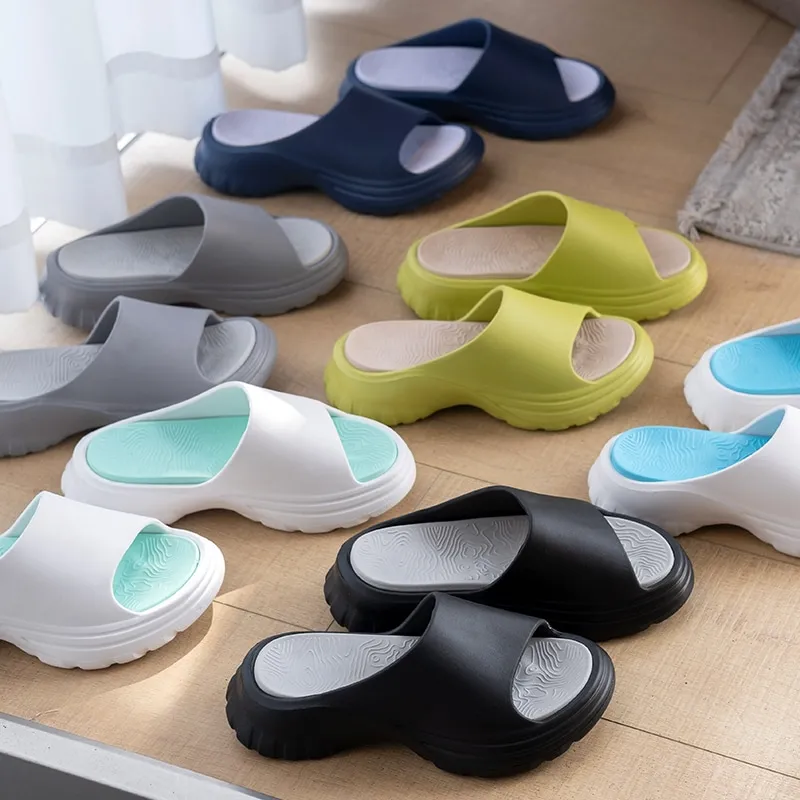
Slippers tend to get treated like the low-maintenance item in a closet, but that’s a little misleading. They collect sweat, dust, bits of lint, and whatever gets tracked in from the floor, and after a while they can start looking worn even if they still feel comfortable. The tricky part is that washing them the wrong way can do real damage. Glue can loosen, cushioning can flatten, and soft linings can lose their shape fast.
So the basic question isn’t just how to clean them. It’s how to clean them without ruining them. That depends on the material, the construction, and, honestly, how much wear they’ve already seen.
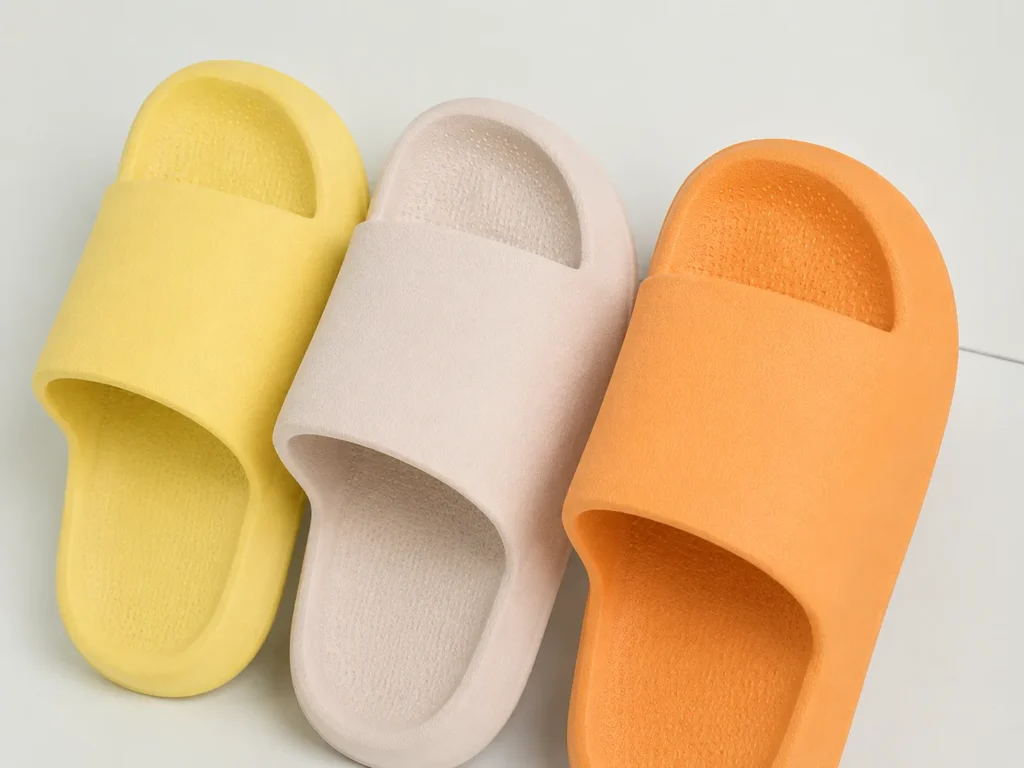
Why Cleaning Slippers Matters More Than It Seems
Most people notice the smell before the dirt. That’s usually how it goes. Indoor shoes absorb moisture over time, and even if slippers never leave the house, they still go through a lot. A pair of everyday Slippers often gets used morning and night, which means the inside can hold onto odors faster than expected.
Regular cleaning helps with a few things:
- removes buildup from sweat and skin oils
- keeps the inside feeling softer and fresher
- reduces lingering odor
- helps the soles and fabric last longer
There’s also a comfort factor. Clean slippers just feel better, even if the difference is subtle.
First, Check the Material Before Doing Anything
This is the step people sometimes skip, and it’s usually where trouble starts. Not all slippers are made the same way, and a cleaning method that works for one pair may be too harsh for another.
Fabric and fleece slippers
These are usually the most forgiving. Cotton, polyester, and plush fleece styles often handle gentle hand washing, and some can manage a delicate machine cycle if the care label says so.
EVA slippers
These are much easier to clean because the material is water-friendly and dries quickly. A pair of EVA Slippers can often be rinsed or wiped down without much fuss, which makes them a practical choice for everyday wear, travel, or bathroom use.
Memory foam, suede, and leather slippers
These need more caution. Memory foam can hold moisture and lose shape, while suede and leather can stain, stiffen, or crack if soaked. For these, spot cleaning is usually safer.
When the washing machine is a bad idea
Avoid machine washing if the slippers have:
- glued soles
- decorative stitching or beads
- delicate linings
- memory foam that isn’t removable
- a care label saying “spot clean only”
That label matters more than people think.
The Safest Way to Wash Slippers at Home
For most slippers, gentle cleaning works better than aggressive washing. The goal is to clean the dirt without changing the structure.
1. Remove loose dirt first
Shake the slippers out outside or over a trash bin. Then use a soft brush, dry cloth, or even a lint roller to remove dust and surface debris.
2. Treat stains before washing
Mix a little mild detergent with cool or lukewarm water. Dab the stained area with a cloth or soft sponge. Focus on the toe area, heel, and the inner footbed, since those spots usually collect the most grime.
3. Hand wash gently if needed
If the slippers are fabric or fleece and the label allows it, hand washing is usually the safest route.
- Fill a basin with lukewarm water
- Add a small amount of mild detergent
- Swish the slippers lightly
- Avoid soaking them for too long
- Don’t scrub hard, especially on seams
A little patience goes farther than force.
4. Rinse carefully
Use clean water to remove soap residue. Leftover detergent can make slippers feel stiff or slightly sticky once they dry.
5. Dry them the right way
Air drying is the safest option. Stuffing the slippers with paper towels can help them keep their shape and speed up moisture removal. Put them in a well-ventilated area, but not right next to a heater or in direct sunlight for long periods. Heat can warp materials and weaken adhesives.
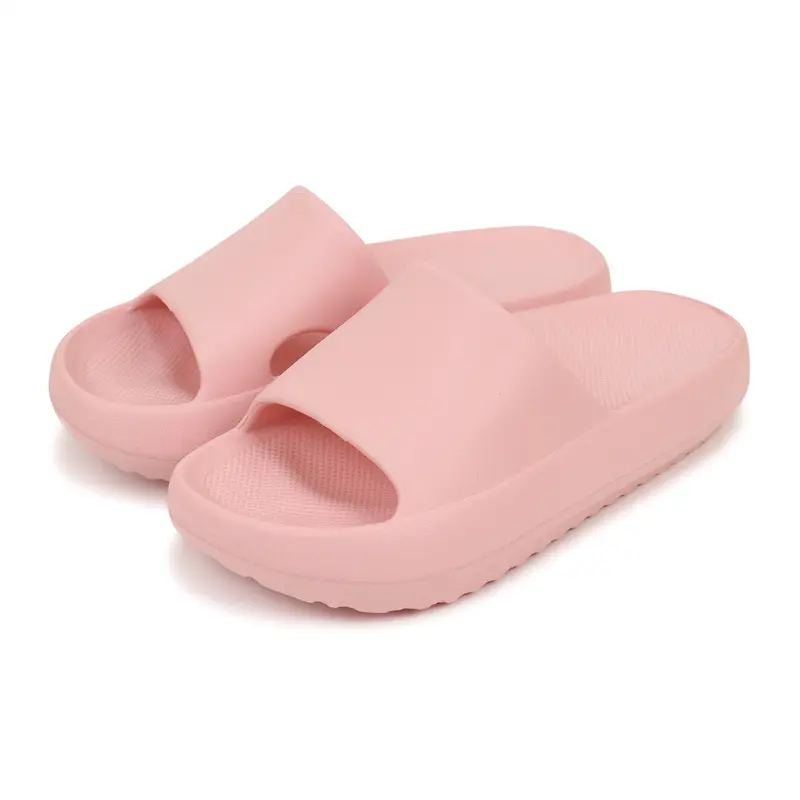
Can Slippers Go in the Washing Machine?
Sometimes, yes. But it’s a conditional yes.
If the care tag says machine washable, use a gentle cycle with cold or lukewarm water. A laundry bag or pillowcase can reduce rubbing, and tossing in a few towels helps cushion the load. That said, machine washing still carries some risk, especially with foam-based or glued designs.
A simple rule of thumb:
- Safe enough: sturdy fabric slippers, washable fleece styles
- Riskier: foam, suede, leather, decorative pairs, anything with weak seams
When in doubt, hand wash.
How to Get Rid of Smell Without Overwashing
Not every pair needs a full wash just because it smells a bit off. Sometimes odor control is enough.
A few useful habits:
- Sprinkle a small amount of baking soda inside overnight, then shake it out
- Let slippers air out after use instead of leaving them in a closed closet
- Rotate between two pairs if possible
- Keep feet dry before putting them on
- Choose quick-dry styles for humid climates
For some people, this is the real fix: not washing more, but drying better.
A Simple Cleaning Guide by Slipper Type
| Slipper Material | Best Cleaning Method | Drying Method | Caution Level |
|---|---|---|---|
| Fabric/Fleece | Hand wash or delicate machine cycle | Air dry | Medium |
| EVA | Rinse or wipe clean | Fast air dry | Low |
| Memory Foam | Spot clean only | Air dry slowly | High |
| Suede/Leather | Specialized cleaner / spot clean | Air dry, no heat | High |
This table is a good shortcut if the exact material isn’t obvious. When the construction looks delicate, assume gentle care first.
Mistakes That Can Ruin Slippers
Some cleaning mistakes show up quickly, while others don’t become obvious until the slippers start feeling odd.
Avoid these:
- Using hot water
- Putting slippers in the dryer
- Scrubbing too hard
- Soaking them too long
- Using bleach or harsh chemicals
- Forgetting to dry the inside fully
- Ignoring glued edges and seams
That last one matters more than it sounds. A slipper can look fine on the outside while the inner structure is quietly failing.
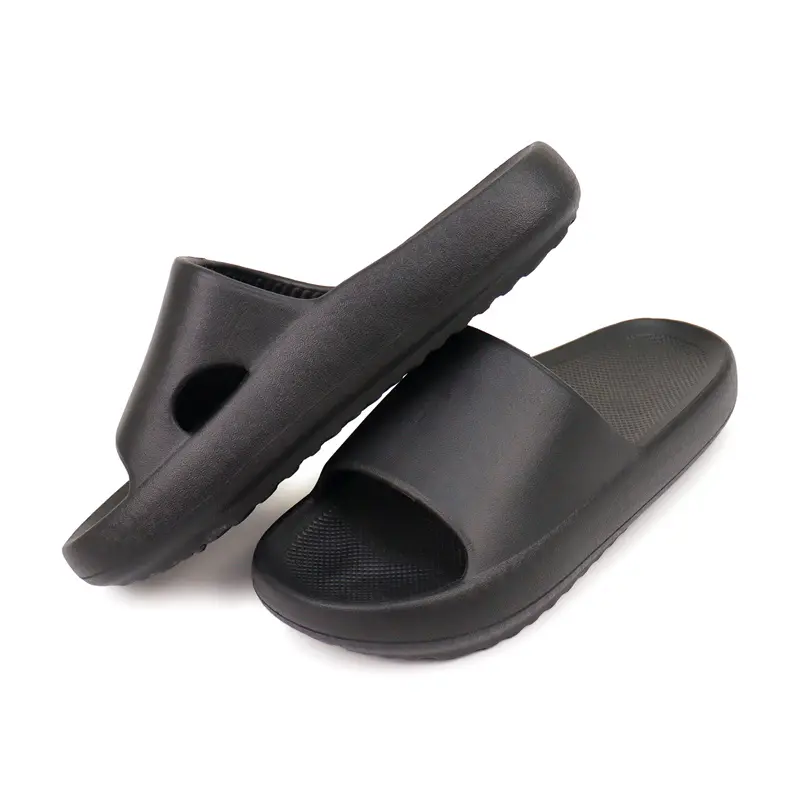
When It’s Better to Replace Slippers Instead of Washing Them Again
There’s a point where cleaning won’t fix the problem anymore. If the cushioning has flattened completely, the soles are separating, or the odor keeps coming back after proper drying, replacement may be the better option.
That’s especially true for heavily used pairs in hospitality, retail, or gifting. In those settings, Custom Wholesale Slippers can make more sense than repeatedly trying to revive tired pairs, especially when uniform appearance and comfort both matter.
Final Thoughts
Learning how to wash slippers isn’t really about one perfect method. It’s about reading the material, choosing the gentlest effective cleaning approach, and drying them properly afterward. Once that becomes routine, slippers tend to last longer and stay much more pleasant to wear.
For everyday use, a little upkeep goes a long way—and with the right care, even well-loved slippers can keep feeling comfortable for quite a while.
FAQ
How often should slippers be cleaned?
It depends on how often they’re worn, but a light refresh every couple of weeks is common for everyday pairs. More frequent cleaning may be needed in warm weather or if they’re worn without socks.
What’s the best way to clean the inside of slippers?
A damp cloth with a small amount of mild soap usually works well for the inner lining. For odor control, letting them dry fully after each use is often more effective than deep cleaning alone.
Can slippers be deodorized without washing them?
Yes. Baking soda, good airflow, and regular rotation can help a lot. Some materials also respond well to occasional brushing or using a fabric-safe deodorizing spray, as long as the product is compatible with the material.