It usually starts subtly. A faint staleness when slipping them on in the morning. Within a few weeks of daily wear, though, that subtle hint becomes impossible to ignore — and suddenly a perfectly good pair of house shoes feels borderline unwearable.
Slipper odor is one of those universally shared annoyances that nobody really talks about until they’re desperately Googling solutions at 11 PM. The thing is, the smell isn’t really a cleanliness issue. Even people with impeccable hygiene deal with it. The real problem is what’s happening inside the slippers at a microscopic level — and the good news is, it’s largely preventable.
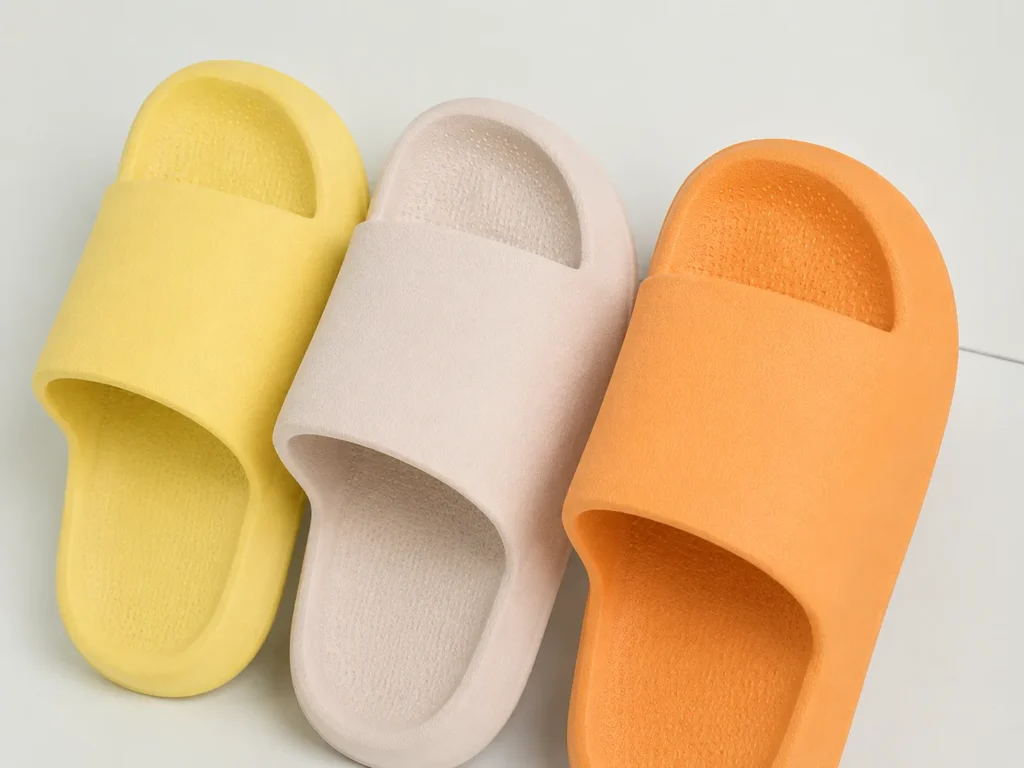
Why Slippers Start to Smell in the First Place
Here’s the short version: feet sweat. Even at rest, even indoors, they produce moisture. Sweat on its own is nearly odorless. But when that moisture gets trapped in a warm, enclosed space — which is exactly what the inside of a slipper is — bacteria thrive. Those bacteria break down the sweat, and that metabolic process is what produces the smell.
What makes slippers worse than, say, sneakers or dress shoes? A few things compound the issue:
- Most people wear them barefoot, so there’s no sock barrier absorbing sweat.
- People tend to own one pair and wear it every single day.
- Slippers rarely get cleaned with any regularity.
- Many are lined with materials that hold moisture rather than wick it away.
It’s basically a perfect storm for odor. But understanding the cause makes prevention a lot more straightforward.
Daily Habits That Prevent Slipper Odor
Before reaching for sprays and powders, a few simple behavior changes can make a surprising difference. These aren’t dramatic interventions — just small adjustments that interrupt the moisture-bacteria cycle.
Rotate Between Two Pairs
This is probably the single most effective thing anyone can do. Wearing the same pair every day never gives the interior a chance to fully dry out. Alternating between two pairs — even inexpensive ones — means each pair gets at least 24 hours of air-dry time between uses. That alone dramatically slows bacterial growth.
Wear Lightweight Socks
It feels counterintuitive since slippers are supposed to be the “no socks required” footwear. But a thin pair of cotton or bamboo socks absorbs a surprising amount of moisture before it ever reaches the lining. And socks get washed regularly, which the slippers themselves usually don’t.
Air Them Out After Each Use
Rather than leaving them tucked under the bed or shoved in a closet, setting slippers in an open, ventilated spot after wearing goes a long way. Near a window (out of direct sunlight) or on an open shoe rack works well. It sounds almost too simple, but consistent airflow between wears keeps moisture levels down.
Home Remedies That Actually Work
This is where things get interesting — and where online opinions diverge quite a bit. Some methods are genuinely effective; others are more myth than solution. Here’s an honest breakdown.
Baking Soda
The classic for a reason. Sprinkling a generous amount inside each slipper before bed and shaking it out in the morning absorbs both moisture and odor. It’s cheap, widely available, and consistently recommended by users who’ve tried everything. For heavier odor, leaving the baking soda in for a full 24 hours works better.
Activated Charcoal Inserts
These small pouches (often sold for shoes or closets) are excellent at passive odor absorption. Drop one in each slipper when not in use. They’re reusable — most can be “recharged” by placing them in sunlight for a few hours — and they tend to outperform baking soda for persistent smells.
Tea Tree Oil Spray
A few drops of tea tree oil mixed with water in a spray bottle creates a mild antimicrobial mist. A light spray inside the slippers after wearing helps kill odor-causing bacteria. The scent is strong, though, so it’s worth starting with a small amount to avoid overpowering the nose.
The Freezer Method — Does It Really Help?
This one comes up constantly on Reddit. The idea is that sealing smelly slippers in a plastic bag and placing them in the freezer overnight kills bacteria. In reality, freezing doesn’t kill most bacteria — it just makes them dormant. Once the slippers warm back up, the bacteria resume activity. It might offer a temporary reset, but it’s not a lasting fix.
| Method | Effort Level | Effectiveness | Best For |
|---|---|---|---|
| Baking soda | Very low | High (odor + moisture) | All slipper types |
| Activated charcoal | Low | High (odor absorption) | Closed-toe, fur-lined pairs |
| Tea tree oil spray | Low | Moderate–High (antibacterial) | Fabric and synthetic linings |
| Freezer method | Medium | Low (temporary only) | Desperation situations |
| Cedar inserts | Low | Moderate (odor + moisture) | Leather and suede slippers |
How Slipper Materials Affect Odor Buildup
Material choice is something that doesn’t get enough attention in the odor conversation. The reality is, some slippers are practically engineered to smell bad — not intentionally, but as a side effect of prioritizing softness or cost over breathability.
Synthetic linings (polyester fleece, faux fur) tend to trap heat and moisture much more than natural alternatives. They feel plush, but they don’t wick. Natural fibers like wool, cotton terry, or genuine sheepskin actually pull moisture away from the foot and allow it to evaporate, which significantly slows bacterial buildup.
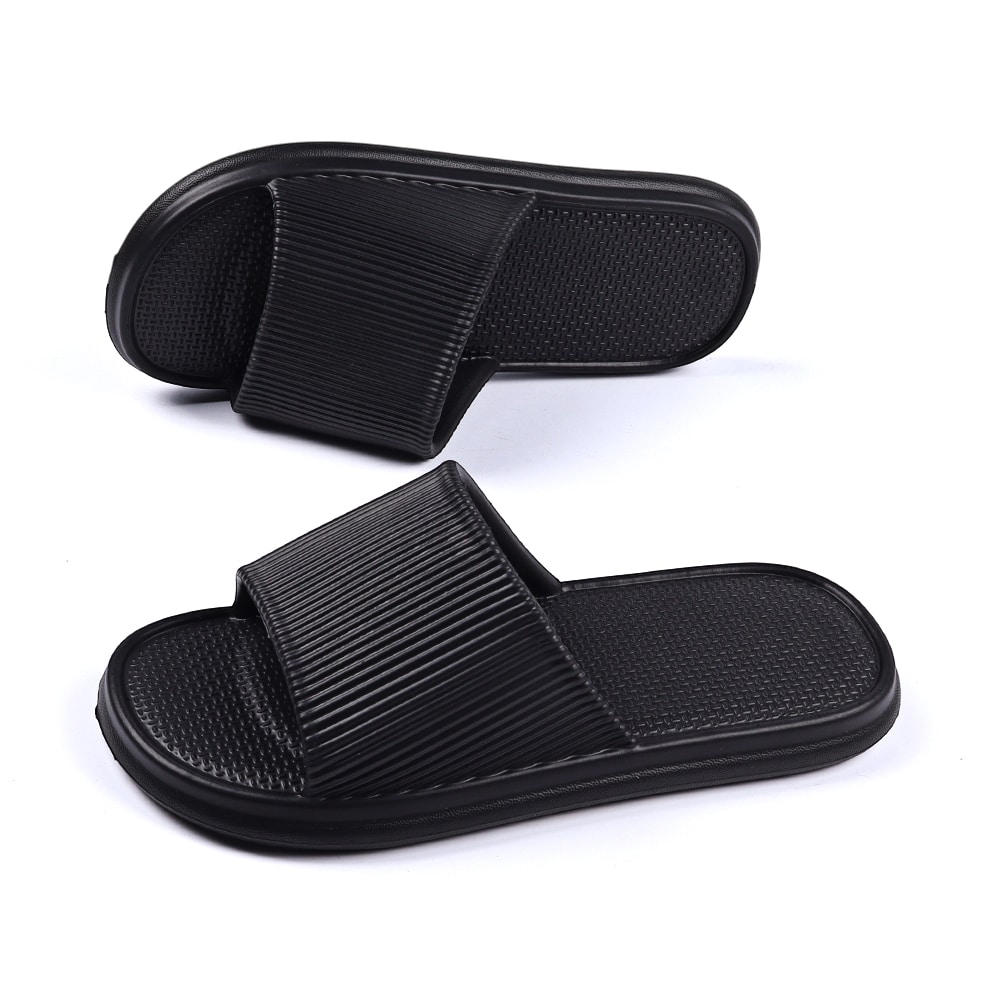
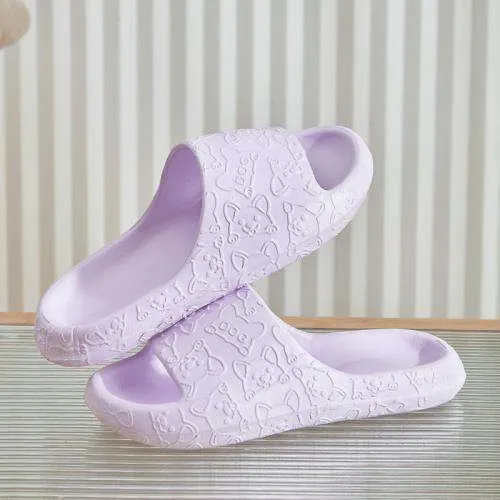
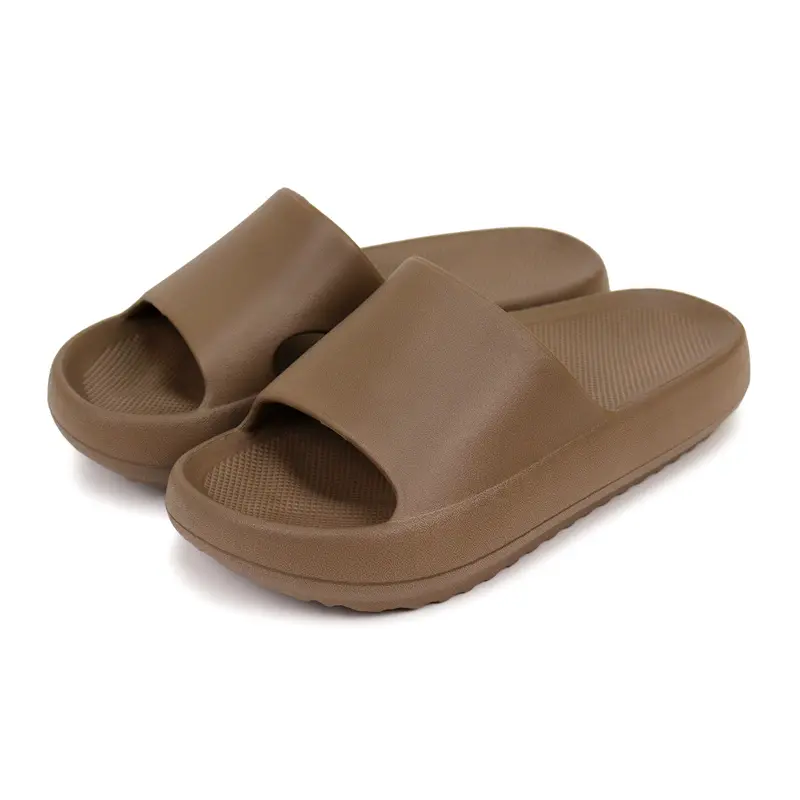
Sole material plays a role too. EVA Slippers feature lightweight, waterproof soles that are easy to wipe clean — a genuine advantage for hygiene. But because EVA doesn’t breathe, pairing it with a moisture-wicking upper lining helps balance comfort with odor control.
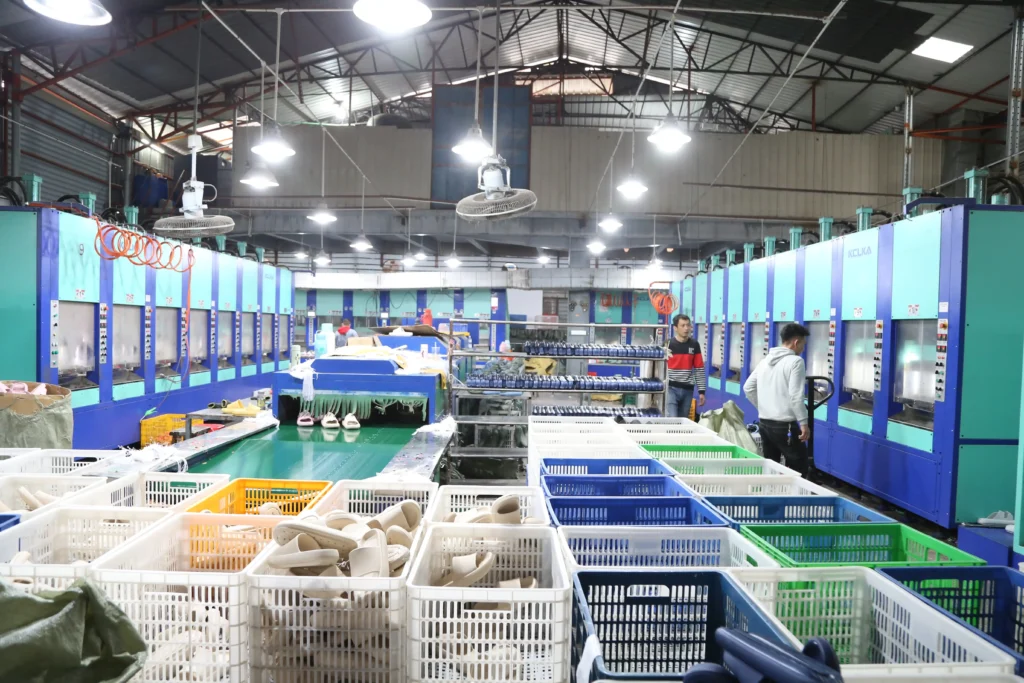
One often-overlooked feature is removable insoles. Being able to pull the insole out, wash it separately, and let it dry completely between wears is arguably the single best design feature for odor prevention. For businesses sourcing footwear in bulk, this is worth paying attention to. Suppliers offering Custom Wholesale Slippers often allow buyers to specify removable insoles, antimicrobial lining treatments, or particular fiber blends — decisions that directly affect customer satisfaction and return rates down the line.
When It’s Time to Replace Rather Than Deodorize
Sometimes, honestly, no remedy is going to bring a pair back. If the smell returns within hours of a thorough cleaning, the odor has likely penetrated the foam midsole or bonded with degraded lining fibers at a level that surface treatments can’t reach.
Other signs it’s time to move on:
- The lining has gone permanently flat or hard.
- Visible discoloration or staining that doesn’t respond to spot cleaning.
- The structural support has broken down and the fit feels “off.”
There’s no shame in retiring a well-loved pair. Getting more life out of the next one is just a matter of applying the prevention habits from the start.
FAQ
Can UV shoe sanitizers eliminate slipper odor completely?
UV sanitizers are effective at killing surface-level bacteria and can noticeably reduce odor when used regularly. However, they don’t remove moisture — which is the underlying trigger. For best results, UV treatment works well as a complement to moisture-management strategies like airing out or using absorbent inserts, rather than as a standalone solution.
Are antimicrobial-treated slipper linings worth the higher price point?
Generally, yes — especially for people who wear their house shoes daily and prefer going barefoot. Antimicrobial treatments (silver-ion infusion, for example) inhibit bacterial colonization from the start. They don’t make the slippers odor-proof forever, but they meaningfully delay the onset of smell and reduce the frequency of deep cleaning needed.
Does going barefoot in slippers always cause faster odor buildup?
Not necessarily always, but it is a significant contributing factor. Without a sock layer to intercept sweat, all moisture transfers directly to the lining. That said, some natural-fiber linings (particularly wool) handle direct skin contact better than synthetics because of their inherent moisture-wicking and antimicrobial properties. The material matters as much as — if not more than — whether socks are worn.