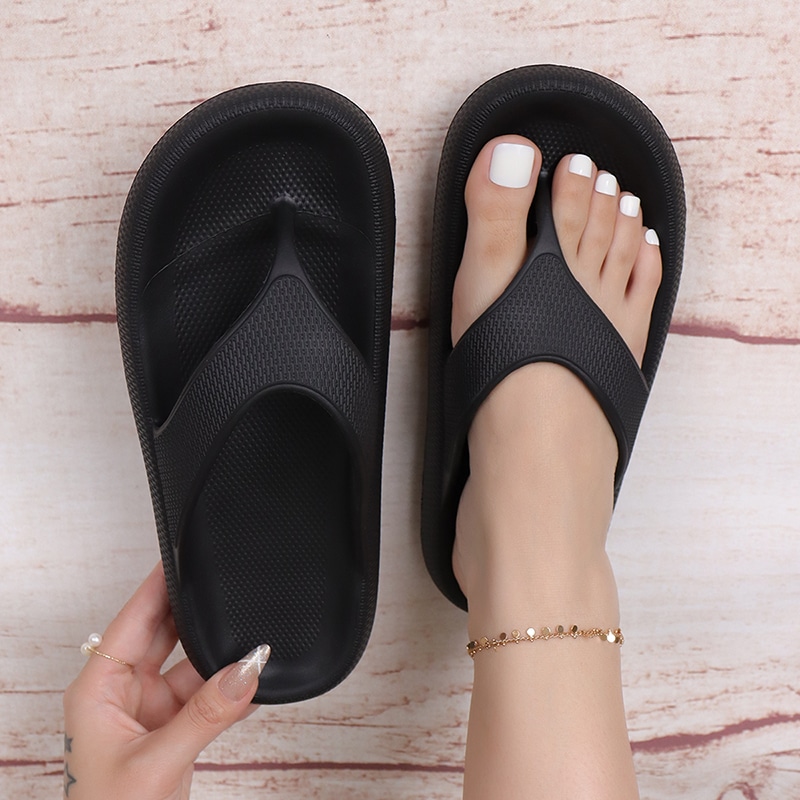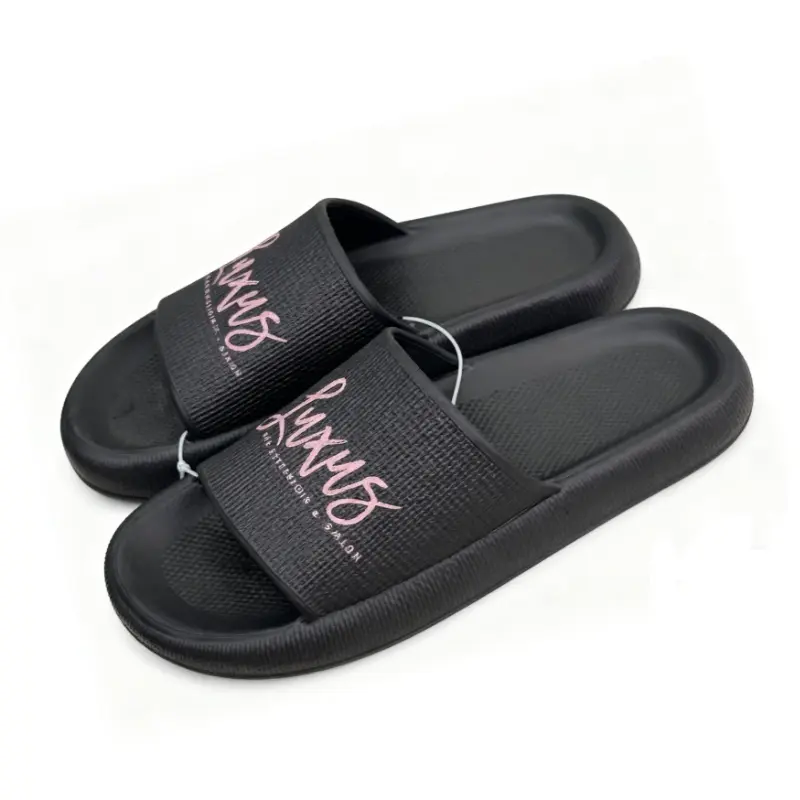
Custom EVA slippers have become one of the most flexible product categories for footwear brands, retailers, and promotional buyers. Because the same molded silhouette can be produced in almost any color, the palette you choose often decides whether a collection looks premium or generic. Yet many buyers still pick colors based on personal taste alone, then wonder why certain colorways sit in the warehouse while others sell out.
The best approach to EVA slipper color matching is to combine four inputs: your brand identity, the documented preferences of your target market, the natural color behavior of EVA foam, and the practical conditions the slippers will be worn in. When all four factors point toward the same palette, your collection is far more likely to sell through and generate reorders.
The sections below walk through each of these factors in order, from material behavior and audience research to combination formulas, wholesale planning, and the final sampling process.
Why Color Choice Matters for Custom EVA Slippers
Color is the single most visible difference between two custom EVA slippers made from the same mold, which means your color decision carries almost all of the visual and commercial differentiation of the product.
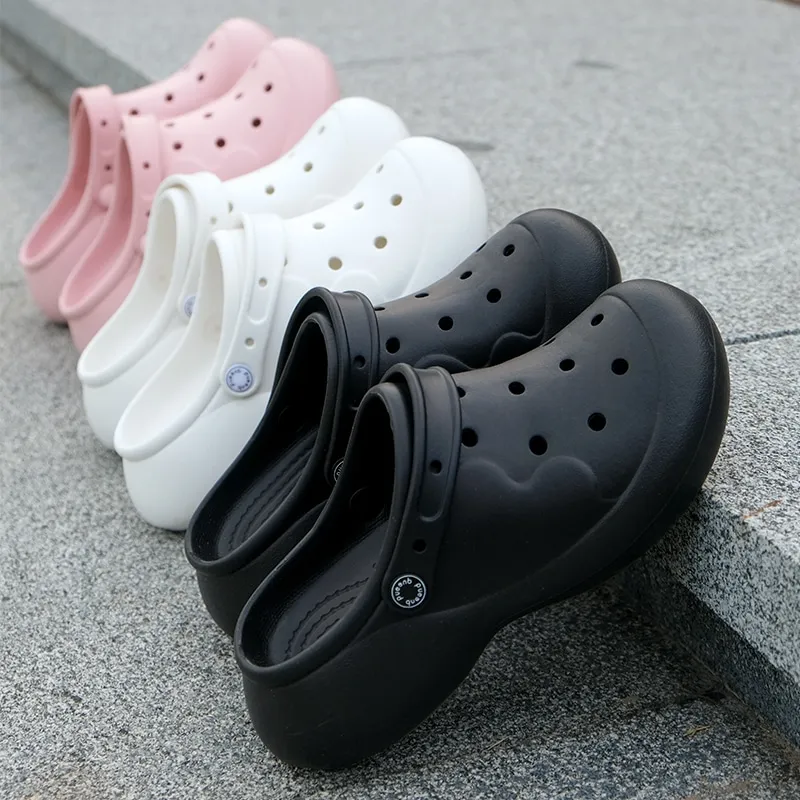
In practical terms, color planning deserves the same rigor as sole design or sizing. Retail buyers judge a new slipper line in seconds, and the palette is what they see first. A coherent color story makes even a small collection look intentional, while a random mix of shades makes a well-made product look disorganized. Color also drives merchandising flexibility: neutral core colors photograph cleanly for e-commerce listings, while one or two signature shades give your brand a recognizable touchpoint across seasons. Getting the palette right at the sampling stage costs nothing extra, but changing it after production starts usually means new pigment batches, new samples, and schedule delays.
How EVA Material Affects Color (and Is It Safe?)
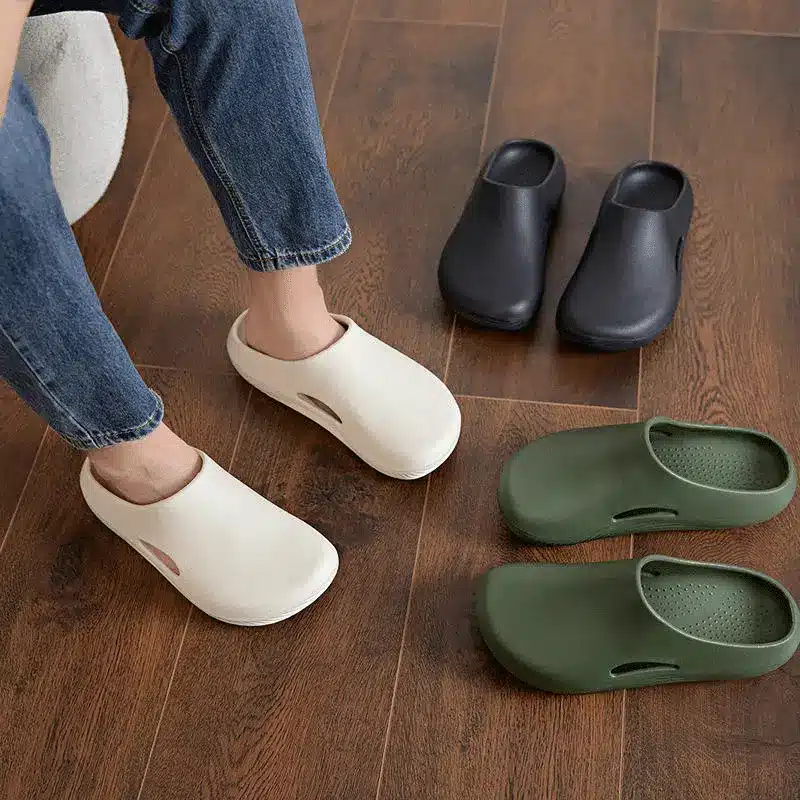
EVA foam renders color differently from fabric or rubber: it produces a soft, matte finish that flatters both pale pastels and highly saturated shades, and because pigment is mixed into the material before molding, the color runs evenly through the whole slipper instead of sitting on the surface.
EVA, short for ethylene-vinyl acetate, is a lightweight copolymer foam widely used in footwear because it is flexible, waterproof, and chemically stable. For color purposes, its most important property is that colorants are compounded into the raw material before injection or compression molding. The result is a solid, consistent color that cannot peel or scratch off, unlike painted or coated surface finishes.
This material profile also answers two common questions. Are EVA slippers good or bad? They are widely regarded as a good choice for casual, indoor, and water-adjacent footwear because the foam is light, cushioned, quick-drying, and easy to clean, provided the formulation is of reasonable quality. Is EVA safe in slippers? Virgin EVA is generally recognized as safe and low-odor for regular skin contact, and reputable producers use non-toxic pigments that comply with the destination market’s material regulations, so it is worth requesting compliance documents for colored compounds during sourcing.
Matching Colors to Your Brand Identity and Target Market
Choose colors that your brand can own and your customers already prefer: start from your brand’s visual identity, then validate the shortlist against the documented taste of your target demographic rather than guessing.
Aligning Colors with Your Brand Identity
Your slipper palette should extend the same identity your packaging, website, and apparel already use. An outdoor-leaning brand translates naturally into earthy tones such as olive, sand, and terracotta, while a minimalist label is better served by black, white, and muted greys with one restrained accent. Research collected under color psychology shows that color strongly shapes first impressions and purchase decisions, so consistency across touchpoints compounds brand recall. If your brand already has defined colors, use them as the anchor shades and treat seasonal tones as supporting players.
Color Preferences by Audience
Audience data should override personal preference every time. When you shortlist a slippers manufacturer, ask which colorways perform best in the markets they already serve.
| Audience | Preferred color direction | Notes for custom EVA lines |
| Men | Black, navy, grey, dark earth tones | Favor low-maintenance, versatile shades |
| Women | Pastels, blush, cream, plus seasonal brights | Wider palette acceptance; align with loungewear trends |
| Kids | High-saturation primaries and candy tones | Playful color drives both child and parent appeal |
| Sports and recovery users | Bold contrast and team-inspired colorways | Color signals energy and performance |
EVA Slipper Color Matching: How to Communicate Your Colors
Successful EVA slipper color matching depends on precise communication: define every color with a standardized color code or a physical swatch, then approve a physical sample under multiple lighting conditions before mass production begins.
Screen colors are unreliable references because displays vary widely, and EVA’s matte texture shifts appearance under different light. The professional workflow is to specify colors through a recognized color matching system or physical swatches, and to keep the approved swatch on file as the binding reference for production. An experienced EVA custom slippers manufacturer will accept color codes, fabric swatches, or reference product photos, then return molded sample chips for confirmation.
Consistency matters as much as accuracy. If your order will ship across multiple production batches, request that all units be produced from the same pigment batch, or at minimum keep a sealed approval sample from the first batch for later comparison. Lighting checks should include daylight, warm indoor light, and typical retail-store light, since a shade that looks correct in one environment can drift noticeably in another. Documenting the approved shade early prevents the most expensive color dispute of all: a disagreement discovered after the goods are already molded.

What Are the Best Color Combinations for EVA Slippers?
The best color combinations for slippers and other footwear follow three reliable formulas: a neutral base with one contrasting accent, two neighboring hues for a soft harmonious look, or complementary colors for a bold, high-energy statement.
Single-Color, Two-Tone, and Multi-Color Strategies
| Strategy | Effect | Best used for |
| Single color | Clean, minimal, premium feel | Core year-round styles and brand-color products |
| Two-tone | Recognizable without being loud | Contrasting sole, strap, and footbed components |
| Multi-color or printed | Playful and attention-grabbing | Kids lines, seasonal capsules, and promotions |
Two-tone construction is especially effective in molded EVA because the footbed, strap, and sole are separate components that can each take a different pigment at no extra tooling cost. Browsing wholesale slides shoes collections is a quick way to see which pairings currently dominate retail shelves in your category.
Simple Pairing Rules That Work
Classic color theory gives footwear designers a compact toolbox. Complementary pairs, such as blue with orange, create energy and shelf impact. Analogous neighbors, such as blue with green, read calm and cohesive. The safest commercial formula is a neutral base, such as black, white, sand, or grey, carrying a single accent color, which keeps the design wearable while still looking deliberately designed. Limit any one slipper to two or three colors; beyond that, the product starts to look busy and dates quickly.
Balancing Trends, Seasons, and Practical Use
Structure your palette as a layered mix: keep timeless core colors that sell every season, add one or two trend colors per collection, and weigh practical factors such as dirt visibility and wearing environment before finalizing.
Trend colors create freshness and social-media attention, but they carry inventory risk because they age quickly. A common wholesale pattern is the 70/30 split: roughly seventy percent of the order in proven core colors and thirty percent in seasonal or experimental shades. This keeps the line current without betting the whole production run on a single trend.
Practicality should filter every choice. Dark colors such as black, navy, and charcoal hide dirt and scuffs, which matters for outdoor and high-traffic use. Light colors such as white, cream, and pastels photograph beautifully and suit indoor and spa-adjacent settings, but they show wear faster. If the slippers are intended for beach, pool, or garden wear, favor saturated mid-tones, which stay presentable through repeated exposure to water, sand, and sunlight, and ask your supplier about UV-stable pigments to reduce fading in sunny markets.
Planning a Wholesale Color Range
For a first custom EVA slipper order, plan two or three colorways: one neutral core color for volume, one brand or seasonal signature color for identity, and optionally one accent color to test market response without inflating inventory risk.
Every additional colorway multiplies SKUs, minimum order quantities, and packaging variations. Before committing, calculate the effective per-color minimum: if the factory requires a minimum per color, splitting a small order across five colors either raises total quantities or leaves each color too shallow to display well. Color planning also interacts with size planning, because both consume the same production quantity, so settle the color-to-size matrix before confirming the order sheet.
A disciplined first range produces cleaner data as well. With three colorways, sell-through quickly tells you whether the market prefers your neutral or your signature shade, and the reorder can shift quantities accordingly. Buyers who launch with six or more colors rarely get meaningful feedback on any single one, and leftover slow colors usually end up discounted, eroding the margin the custom program was meant to build.
From Color Approval to Mass Production
The production-safe path from color idea to finished goods runs through five gates: color specification, sample chips, corrected samples, a sealed golden sample, and a first-article check against that sample at the start of mass production.
- Submit color references, such as standardized color codes, swatches, or reference products, together with your target market and usage context.
- Review the returned molded sample chips in daylight and indoor light, comparing them side by side with your references.
- Request corrections in precise terms, adjusting lightness or saturation rather than offering vague descriptions, and re-check every revised sample.
- Seal one approved sample per colorway as the golden standard and share it with the factory as the binding production reference.
- Inspect the first pieces of mass production against the golden sample before the full run continues, since catching a shade shift at this stage prevents a batch-wide dispute.
For a wider view of design, materials, and decoration options beyond color, this guide to custom EVA slippers covers the full development process. Factories that follow this sealed-sample discipline can hold a shade consistent across reorders, protecting your brand’s visual identity long after the first shipment leaves the factory.
FAQs
These answers extend the guide with related questions buyers frequently search for when planning custom slipper colors.
What is the best color for flip-flops?
Neutral, dark shades such as black, navy, and dark grey are the safest volume sellers for flip-flops because they suit most wearers, hide sand and wear, and pair easily with any outfit. For beach or resort channels, earthy mid-tones and translucent brights also perform well. For a branded line, treat the choice commercially: anchor the range in one proven neutral, then add your signature shade as the second colorway.
How many colors should a first custom EVA slipper collection include?
Two or three colorways is the practical optimum for a first collection. One neutral carries volume, one signature color carries brand identity, and one optional accent tests a trend. More colors split minimum quantities, thin out size runs, and make sales data harder to read, while fewer than two colors limits shelf presence and customer choice.
Can custom EVA slippers have printed patterns or gradients?
Yes. Beyond solid and two-tone molding, EVA slippers support surface printing for logos, patterns, and gradient effects, applied to the molded blank after forming. Printed decoration adds a per-unit cost and extra finishing steps, so it suits promotional capsules and premium styles rather than every core colorway. Always request washed-and-flexed durability samples before approving a printed production run.