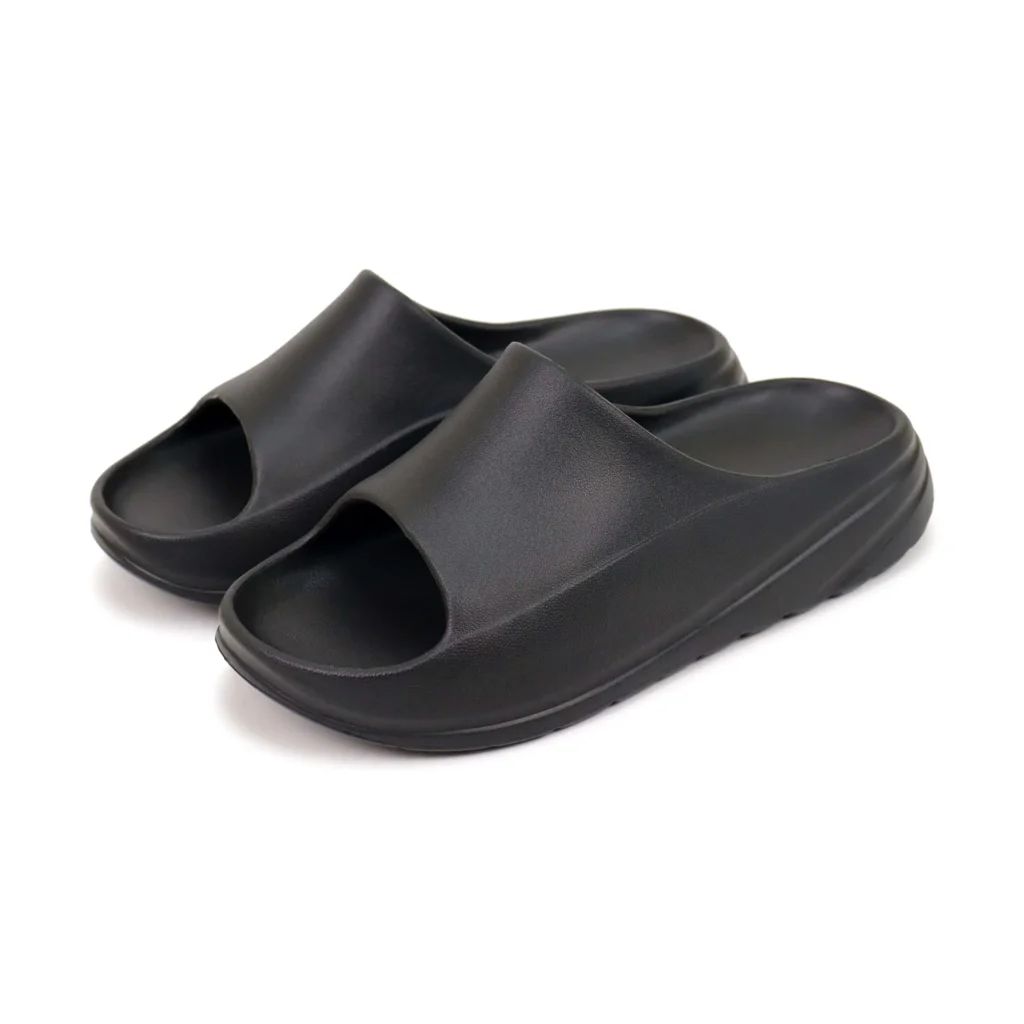
Buyers who contact a slipper factory for the first time often hear three terms thrown around in the same conversation: OEM, ODM, and private mold. On the surface they all sound like ways to put your brand on a pair of slippers. In practice, they mean very different levels of design ownership, mold investment, and production control. Choosing the wrong model can mean paying for a mold you do not own, launching a product that already exists on the market, or losing the exclusivity your brand was built around.
OEM means you provide the design and the factory manufactures it; ODM means the factory provides an existing design and you brand it; private mold means a factory develops a completely new mold exclusively for you, and you own the design and tooling.
This guide breaks down each sourcing model, compares them side by side, and gives you a practical framework for deciding which one fits your brand stage and budget.
What Is OEM in the Slipper Industry?
OEM (Original Equipment Manufacturing) is a manufacturing model where you supply the design, specifications, or samples, and the factory produces the finished slippers for you.
In an OEM relationship, the buyer is the design owner. You send the factory a prototype, a technical drawing, or even a pair of existing slippers, and the factory works from that reference to produce a matching product. The factory contributes manufacturing expertise, material sourcing, and quality control, but it does not own the design.
This model is common in several scenarios:
- You have an existing product line and need a reliable production partner.
- You have developed a design in-house or with a design agency.
- You are reproducing a proven product concept with your own specifications.
- You want to control materials, colors, and construction details yourself.
The main advantage of OEM is design control. The main challenge is that the buyer carries most of the development work. Before you start, you should confirm that the factory can handle your material, size, and finish requirements, and that the factory follows strict quality checks during production. For buyers who already have a clear product vision, OEM is the most direct route to a finished slipper.
Many global brands work with an OEM ODM slippers service provider for exactly this reason: one factory can manufacture their own designs while also offering ready-made styles for quicker launches.
What Is ODM in the Slipper Industry?
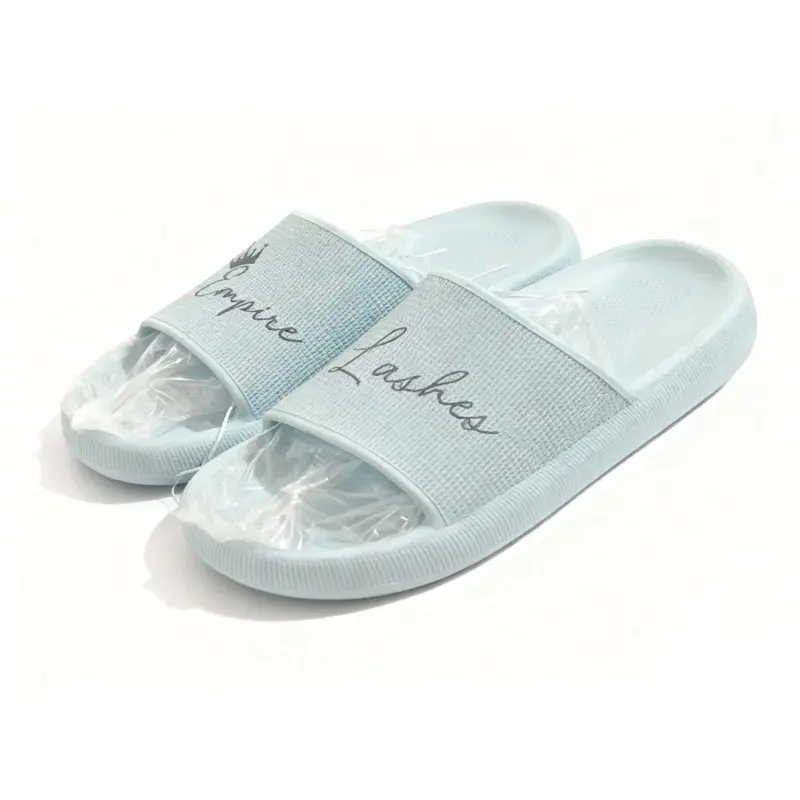
ODM (Original Design Manufacturing) is a model where the factory offers its own existing designs, and you select a style, apply your branding, and sell it as your product.
In an ODM relationship, the factory is the design owner. The factory maintains a catalog of slipper styles it has already developed, including molds, lasts, and production tooling. You choose a style from that catalog, customize the logo, colors, and packaging, and the factory produces it for you. You get a finished product without paying for mold development.
The ODM model suits buyers who:
- Are launching a brand for the first time and want to test the market.
- Need products quickly without a long development cycle.
- Want to offer a wide range of styles without heavy upfront investment.
- Are building a private label program on proven designs.
Because ODM styles are already tested in production, lead times are shorter and costs are more predictable. The trade-off is exclusivity: the same style may be sold to other brands in your market. If you choose ODM, ask the factory whether the style can be reserved for your region or distribution channel.
For buyers who want customization on top of an existing base, a factory that offers custom EVA slippers can adjust materials, sole colors, and branding on its own designs without requiring a full development project.
What Are Private Mold Slippers?
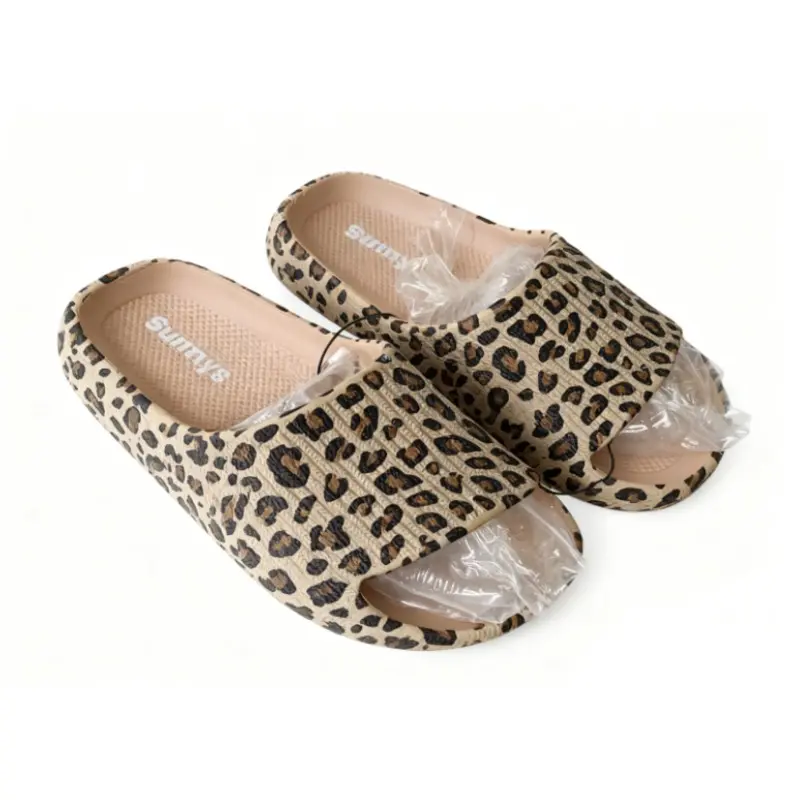
Private mold slippers are products developed from a brand-new mold that the factory creates exclusively for one buyer, so the design belongs to that buyer and cannot be offered to competitors.
Private mold is the highest level of customization in slipper sourcing. The process starts with your design concept, which may include sketches, 3D files, or reference samples. The factory engineers the mold, produces trial samples, refines the fit and finish, and then runs production using that mold. Once the mold is paid for, the buyer owns it, and the factory keeps it exclusively for that buyer’s orders.
The private mold route makes sense when:
- You need a design that does not exist in the market.
- Your brand identity depends on a signature silhouette.
- You want long-term protection from copycat competitors.
- You are building a product line that will sell in volume over multiple seasons.
Because the mold is developed from scratch, private mold projects involve higher upfront cost and longer timelines than ODM. But the investment pays back through exclusivity, brand differentiation, and pricing power. A dedicated private mold slippers program gives a brand a product no other retailer can stock, which is often the difference between a commodity listing and a recognizable product.
The development journey, from design review to sampling and mass production, is what separates private mold from simple customization. This is why brands treat private mold slipper customization as a strategic project rather than a routine order.
Key Differences: OEM vs. ODM vs. Private Mold
The three models differ in who owns the design, who owns the mold, how much you invest upfront, and how much exclusivity you get.
| Factor | OEM | ODM | Private Mold |
|---|---|---|---|
| Design owner | Buyer | Factory | Buyer |
| Mold owner | Buyer (existing or new) | Factory | Buyer |
| Mold investment | Depends on design | None | High |
| Exclusivity | High | Low | Complete |
| Development time | Medium | Short | Long |
| Upfront cost | Medium to high | Low | Highest |
| Brand control | Full | Limited to branding | Full |
| Best for | Established designs | Quick market entry | Signature products |
The table makes the trade-offs visible. OEM gives you control over a design you already have, ODM gets you to market fastest with the lowest risk, and private mold builds a product that belongs to you alone. Notice that OEM and private mold both give you design ownership, but private mold adds exclusivity through a dedicated mold.
Whatever model you choose, the product range available to you often overlaps. Many factories support all three approaches across their catalog, so you can start with wholesale slippers from existing styles and migrate to exclusive development as your brand grows.
How to Choose Between OEM, ODM, and Private Mold
Choose your model based on your brand stage, budget, and the level of product differentiation you need: ODM for testing, OEM for proven designs, and private mold for exclusive long-term products.
Choose ODM When You Need Speed and Low Risk
If you are entering the market, launching a new category, or testing demand, ODM is the pragmatic starting point. You can put your logo on a proven style, validate sales, and learn what your customers actually want. The cost is low, the lead time is short, and the downside is limited.
Choose OEM When You Already Own a Design
If you have a design, a sample, or an existing product that sells well, OEM lets you manufacture it without redesigning anything. Confirm the factory can meet your specifications, and use sample approval to lock down materials, sizing, and finish before mass production. OEM works best when the design is already validated in the market.
Choose Private Mold When Differentiation Is Your Strategy
If your brand is built on a unique silhouette, a specific comfort feature, or a recognizable look, private mold is the right investment. It costs more and takes longer, but it creates an asset you own. Over multiple seasons, a well-designed private mold spreads its development cost across many orders and gives your brand something competitors cannot copy.
Check Factory Capabilities Before Committing
Whichever model you pick, verify the factory’s real capacity. Ask about in-house mold development, sampling speed, production scale, and quality control procedures. A factory with strong engineering and a reliable slippers factory setup will deliver better results than one that simply resells third-party production. Also clarify whether your order falls under OEM, ODM, or private mold terms in the contract, because ownership of the mold and design should always be written down explicitly.
For buyers who want a smooth transition from simple branding to exclusive products, working with a supplier that offers custom wholesale slippers alongside private mold development keeps the door open to upgrade later without changing factories.
FAQ
Can I switch from ODM to private mold with the same factory later?
Yes, most factories support both models. Start with ODM styles to build your sales volume, then use the revenue and market data to justify a private mold investment with the same supplier. Keep the transition plan in mind when you negotiate initial terms.
How long does a private mold slipper project take?
A typical private mold project takes 30 to 60 days from design review to approved samples, depending on design complexity and sample iterations. Mass production adds its own lead time after samples are approved. Ask the factory for a written schedule with clear milestones before you start.
Do I really own the mold if the factory stores it?
Ownership depends on your contract, not on where the mold is stored. A clear agreement should state that the buyer owns the mold, that the factory keeps it exclusively for the buyer’s orders, and that the mold will be returned or transferred if the relationship ends. Never rely on verbal promises for mold ownership.