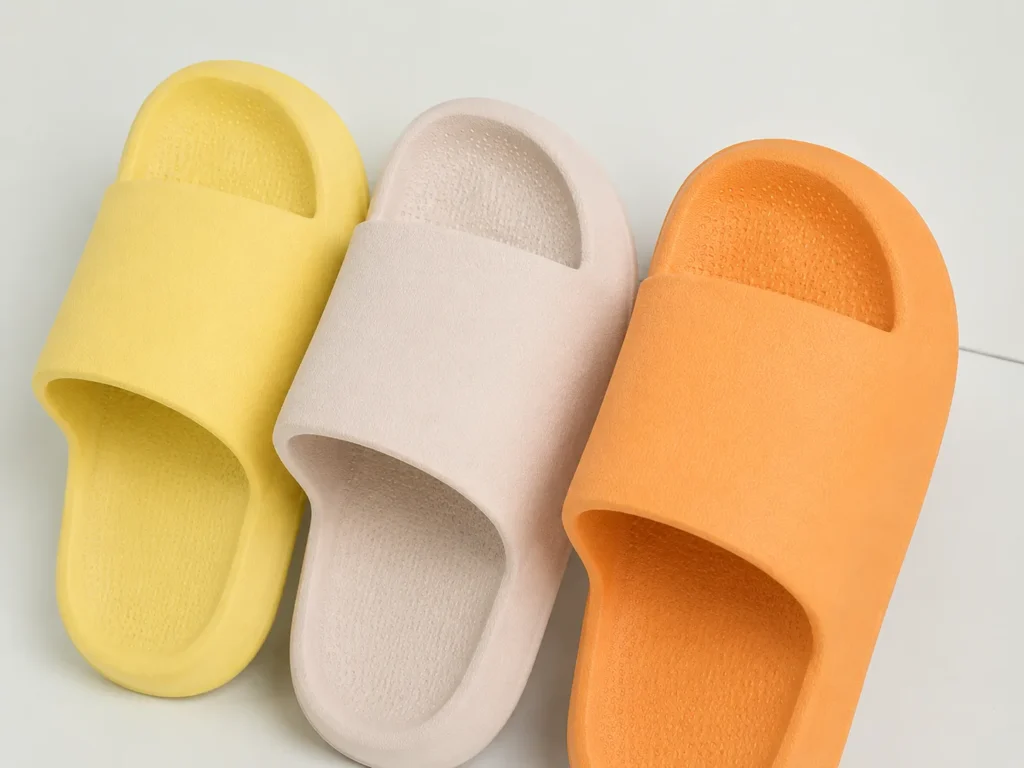
Spas, salons, resorts, and wellness centers hand guests a pair of slippers within minutes of arrival, which makes this small item part of the first impression, the hygiene protocol, and the daily cost base all at once. Buying spa slippers in bulk is therefore an operational purchase rather than a retail one: a batch that slips on wet tile, tears after one treatment, or arrives two weeks late creates problems for guest experience, safety, and margins simultaneously. Many operators begin by comparing options through a wholesale spa slippers program before committing to a first production run.
When buying spa slippers in bulk, look for materials matched to your treatments, a hygiene model that fits your operations (disposable single-use or washable), slip-resistant soles suitable for wet floors, sizing that fits your guest profile, reasonable MOQs and total landed cost, customization options if branding matters, and a supplier who confirms quality with physical samples before every production run.
The sections below break down each of these checks, from the material comparison table to supplier vetting, so your next bulk order lands on spec and on time.
Material Options for Spa Slippers
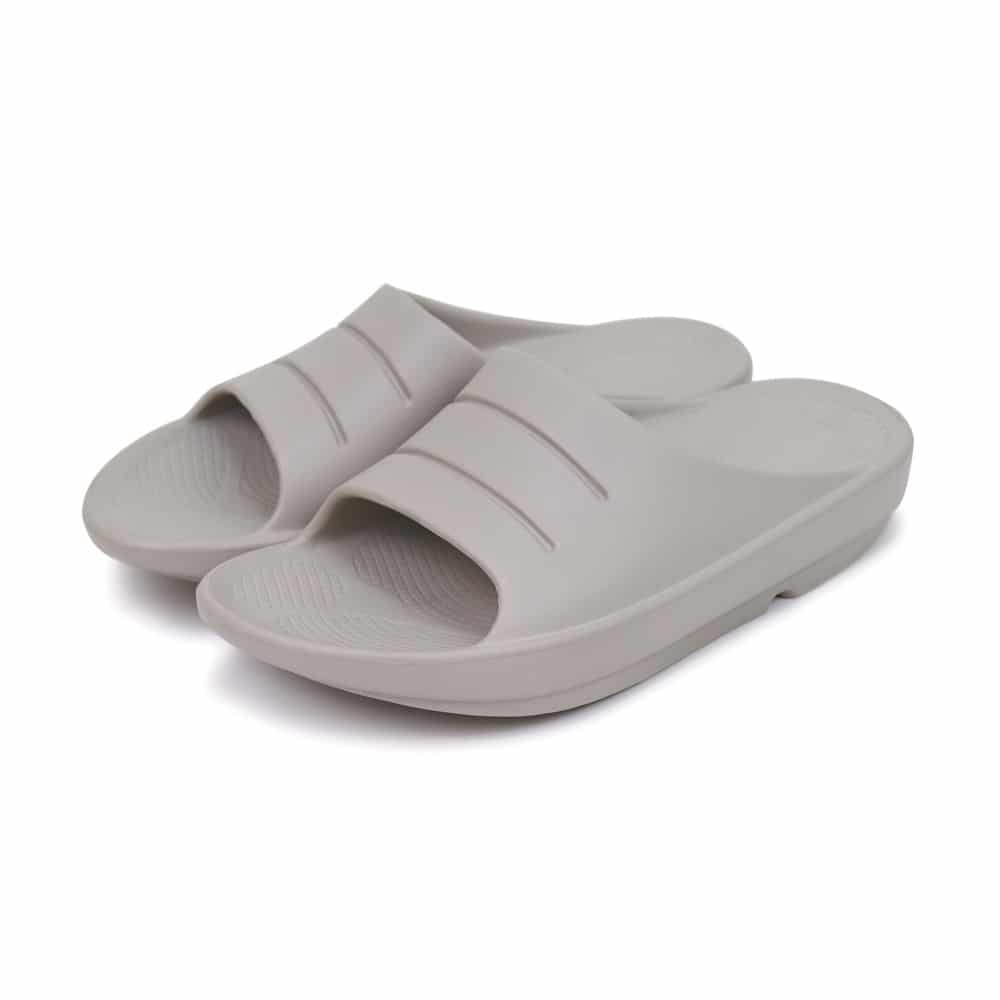
Material is the first decision because it drives comfort, hygiene, durability, and unit cost. Non-woven fabric suits single-use pedicures and short treatments, terry cloth and waffle weave suit washable mid-range programs, coral fleece adds a premium feel in cooler months, and molded EVA is the waterproof choice for pools, wet rooms, and heavy use.
Suppliers may show near-identical catalog photos, but the materials behind them perform very differently. Use the table below to align material with the actual treatment environment.
| Material | Best Use Case |
| Non-woven | Single-use pedicures, budget salons, high turnover |
| Terry cloth | Washable mid-range spas, absorbent after treatments |
| Waffle weave | Upscale summer spas, breathable and quick drying |
| Coral fleece | Winter programs, luxury suites, warm hand feel |
| EVA foam | Pool areas, wet rooms, steam rooms, long service life |
Construction details matter as much as the fiber. For nail stations, open-toe designs give technicians access to the toes, while closed-toe styles suit hotel spas and relaxation lounges. EVA, short for ethylene-vinyl acetate, is a closed-cell foam that is lightweight, waterproof, and moldable into textured soles, which is why it dominates wet-zone spa footwear. Fabric slippers, by contrast, should be judged on fabric weight, seam strength, and whether the lining pills after a wash cycle. Requesting a physical sample of each material is the only reliable way to compare texture and stitching before committing to a bulk quantity.
Hygiene and Single-Use vs. Reusable Models
Most spas do not reuse slippers between guests in the ordinary sense. A pair is either discarded after one guest (disposable) or professionally laundered and inspected before it is reissued (washable). What matters when buying in bulk is choosing one model deliberately, because the choice changes your material, cost structure, and waste profile.
Disposable slippers are individually wrapped, issued fresh at each treatment, and removed afterwards, which keeps changing rooms and treatment chairs hygienic with minimal staff effort. Washable terry or velour slippers cost more per pair but serve dozens of laundering cycles, so they suit properties with in-house laundry and longer guest stays. For either model, the fabric touches skin directly, so verify chemical safety. Textiles certified under OEKO-TEX testing programs have been checked for a defined list of harmful substances, which is a practical baseline for skin-contact amenities.
Weigh the two models against your operations:
- Disposable: lowest hygiene risk, higher consumable cost, more packaging waste.
- Washable: lower cost per wear, requires laundering labor, quality fades over cycles.
- Mixed: disposables for wet treatments, washables for relaxation areas.
Sole Safety, Slip Resistance, and Durability
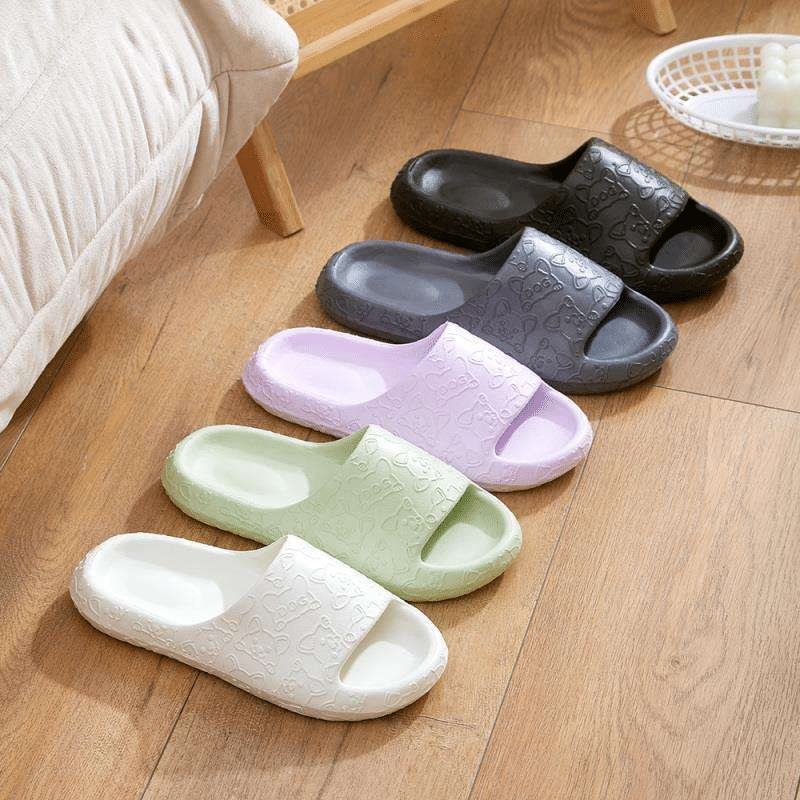
In a spa, the sole matters more than the upper. Wet tile, polished stone, and pool surrounds make slip resistance the top safety criterion, so a textured EVA or rubberized outsole around 5 to 6 mm thick is the baseline for any area with water. Flat non-woven soles are acceptable only for dry, seated treatments.
Sole thickness also signals quality to guests: a thin 1 to 2 mm sole reads as disposable, while a cushioned 5 to 6 mm sole reads as amenity. Beyond thickness, inspect the tread pattern. Densely textured or dot-patterned EVA grips damp surfaces far better than smooth flat soles, and reputable suppliers can provide slip-test data based on recognized methods such as ASTM F2913 for footwear traction on wet surfaces.
Before approving a bulk order, stress-test the sample:
- Bend the sole in half and check it rebounds without cracking.
- Pull the stitching where upper meets sole.
- Smell the sample: pungent chemical odors usually indicate cheap adhesives.
- If slippers are vacuum packed, confirm the padding recovers its shape.
Sizing for a Diverse Guest Population
Order sizes against your actual guest data, not intuition. A generous one-size model, typically covering roughly EU 36 to 43, fits most adult guests, but properties serving larger-footed demographics, seniors, or families should supplement it with an XL size or an S/M/L split.
Should You Size Up or Down When Buying Slippers?
Size up when in doubt. A slipper with a little extra room stays comfortable for more foot shapes and avoids the sensation of a cramped toe box, while a slipper that runs small is uncomfortable for most guests. For bulk guest slippers this rarely means buying two sizes: one generous cut usually covers the majority, and the rounding decision is simply to favor the roomier option whenever a supplier offers two lengths.
One-Size or Multiple Sizes?
One-size simplifies ordering, storage, and issuing at the front desk, and it suits high-turnover disposable programs. A multiple-size split costs more to manage but reduces complaints at properties where guest profiles vary widely. Before ordering, ask the supplier for the actual inner length in centimeters of the “one size” rather than relying on photos, and compare it against the foot lengths covered in a slipper size guide. If the length covers your core guest range with a few millimeters to spare, one-size is the efficient choice; if not, split the order.
MOQ, Packaging, and Order Quantities
Expect minimum order quantities from roughly 500 pairs for standard disposable models to several thousand for custom-molded or printed styles. MOQ, packaging format, and carton counts should be confirmed in writing before you sign, because they determine your storage needs and restocking rhythm.
Packaging affects hygiene and logistics more than buyers expect. Individually wrapped pairs keep slippers sterile until issue, and they let staff count stock at a glance. Bulk-packed pairs cost slightly less but require handling before use. Also confirm carton specifications, such as 50 pairs per carton, and measure your storeroom against the total shipment volume, because slippers are light but bulky and boxes accumulate quickly.
Estimate your order quantity with a simple method:
- Count average daily guests who receive slippers.
- Multiply by the number of pairs issued per guest.
- Multiply by your reorder cycle in days or months.
- Add a 15 to 20 percent buffer for seasonal peaks and damaged units.
- Round up or down to the nearest MOQ tier or carton multiple.
Unit Cost and Total Landed Cost
The quoted unit price is only the starting point. Freight, import duties, local transport, and storage routinely push the true cost per pair 40 to 80 percent above the factory price, so a slipper quoted at $1.00 can effectively cost $1.60 or more by the time it sits on your shelf.
Wholesale pricing falls into recognizable tiers, and the gaps reflect real differences in materials and construction.
| Price Tier | What to Expect |
| Budget | Thin non-woven, flat sole, minimal packaging |
| Mid | Better padding, textured EVA sole, individual wrapping |
| Premium | Fleece lining, thick cushioned sole, branding options |
Two cost factors surprise first-time bulk buyers. First, slippers have a high volume weight: shipping them is essentially shipping air and foam, so factories vacuum pack them, and poor-quality padding may not rebound from weeks of compression. Second, footwear attracts import duties that vary by country of origin, which should be calculated before you compare supplier quotes. Evaluating total landed cost, not unit price, is what keeps a cheap quote from becoming an expensive order.
Customization and Branding Options
Customization turns a commodity amenity into a branding asset, but it raises the MOQ and the lead time, so decide how far to customize before you negotiate price. A printed logo on a standard model is a small step; a fully custom color scheme or mold is a production project.
The main decoration techniques trade cost against durability.
| Technique | Characteristics |
| Embroidery | Premium look, survives laundering, longest lead time |
| Screen printing | Fast and economical, can crack over time |
| Heat transfer | Supports multicolor logos, sits on the surface |
Embroidery requires stitching before assembly, so custom orders commonly carry a 30 to 45 day lead time. Always request a physical mock-up or photo sample of the logo placement before production, because a rendering that looks balanced on screen can sit oddly on the actual slipper. For a full walkthrough of decoration options, packaging choices, and MOQ structures, a dedicated custom slippers wholesale guide is worth reviewing before you commit artwork.
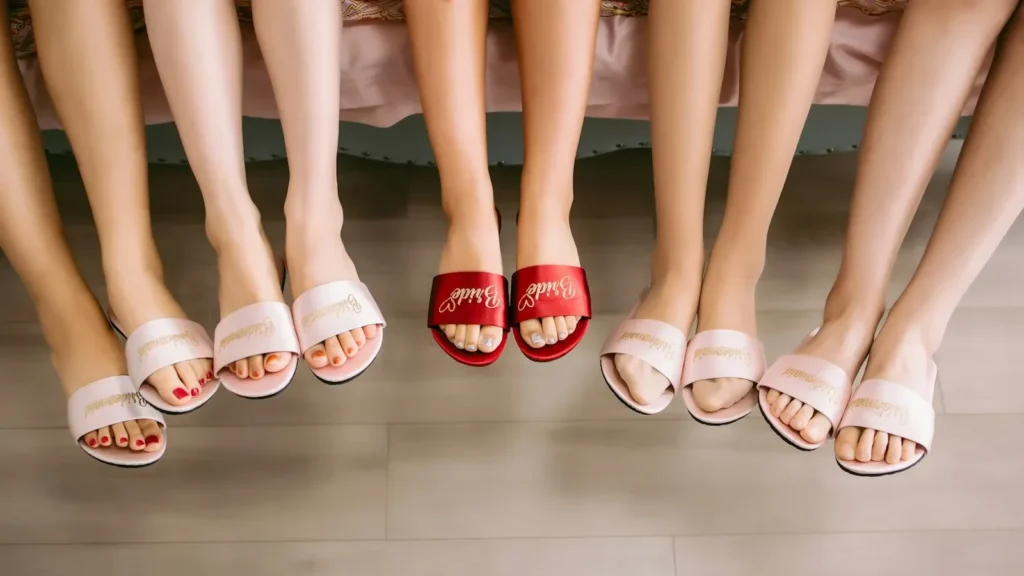
Where to Buy Bulk Guest Slippers
Bulk guest slippers come from three main channels: direct factories, trading companies, and B2B marketplaces. Factories offer the lowest price and the highest MOQs, trading companies add service and aggregation at a small premium, and marketplaces offer fast discovery with mixed reliability, so the right channel depends on your order size and how much supplier management you can handle.
| Channel | Strengths and Trade-offs |
| Direct factory | Lowest unit price, higher MOQ, buyer owns quality control |
| Trading company | Multi-factory sourcing, better communication, small premium |
| B2B marketplace | Fast comparison, wide selection, requires careful vetting |
Whichever channel you choose, protect the order with the same safeguards. Approve the sample in writing with photos, specify packaging in the contract, and for large orders hire a third-party inspector or request production-line photos before shipment. Quality fade across repeat orders is a known pattern, so keep a sealed reference sample from your first batch and compare each delivery against it. Asking these questions before wiring a deposit is exactly what an established slippers manufacturer expects from serious buyers, and the quality of the answers tells you as much as the price does.
Frequently Asked Questions
Short answers to common questions spa buyers ask when placing their first bulk slipper orders.
Can guests take their slippers home after a spa visit?
Disposable pairs are designed for exactly this outcome, and many spas treat the takeaway as a small marketing touch, especially when the slippers carry the spa logo. Washable models are usually retrieved, laundered, and reissued, so confirm which model you are buying before promoting takeaways to guests.
Are biodegradable spa slippers a realistic option?
Yes. Non-woven slippers made from plant-based fibers, and EVA styles produced in recyclable formulations, are both available at wholesale level. They typically cost more than conventional disposables and can lose durability under prolonged moisture, so they suit spas with an explicit sustainability positioning rather than every budget.
What should I do if a bulk shipment fails inspection?
Keep a sealed reference sample from the approved batch, photograph the defects in the delivered goods, and compare the two against the written specification in your contract. Filing the claim with documentation inside the agreed inspection window, supported by a third-party inspection report for large orders, resolves most disputes quickly and sets the standard for the next production run.