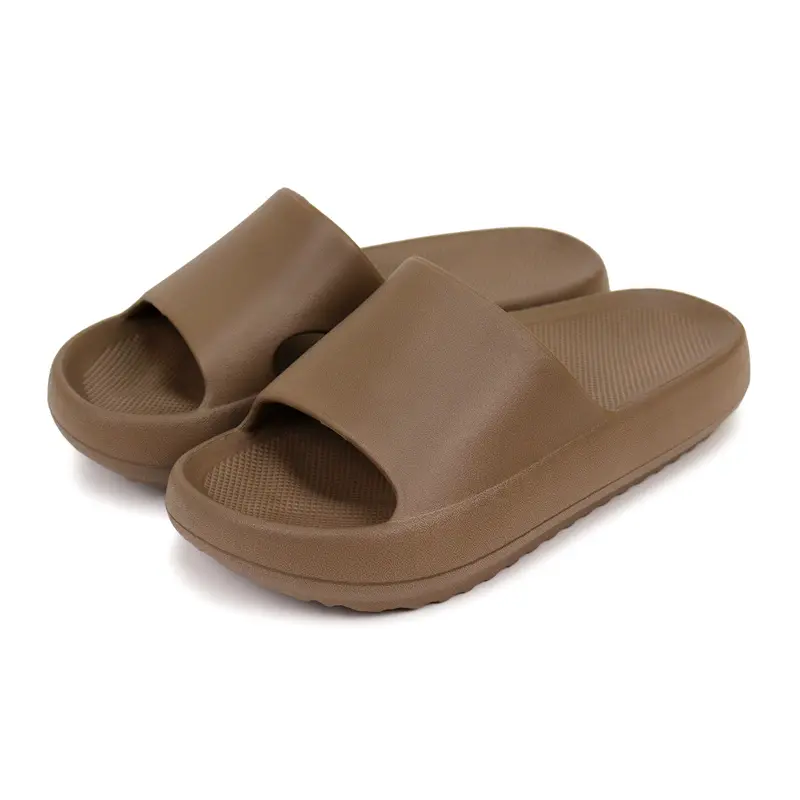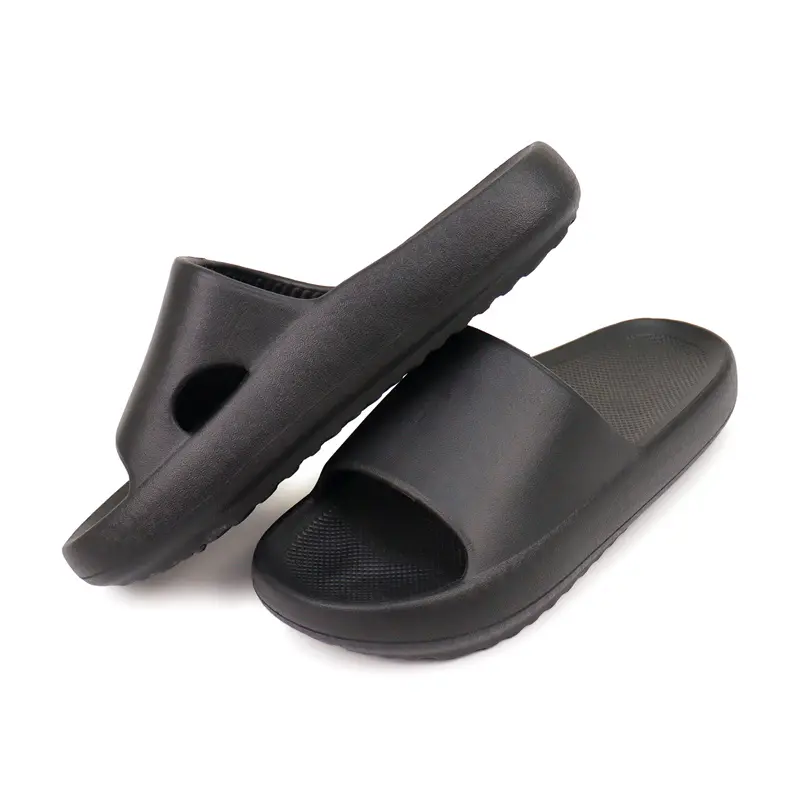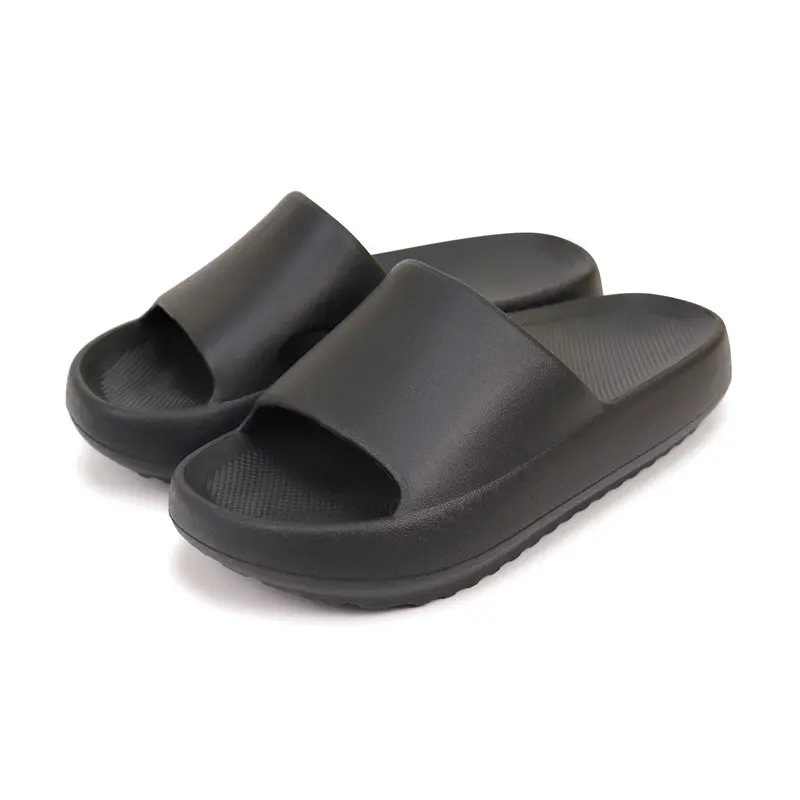
There is a specific kind of sinking feeling that happens when a container arrives, the seal is broken, and the smell of cheap, uncured plastic wafts out. It’s heavy, chemical, and usually the first sign that the shipment might be trouble. For anyone dealing in footwear, specifically when importing or buying Wholesale Clogs, the inspection phase isn’t just a checkbox. It is the only firewall between a profitable season and a warehouse full of unlovable rubber shoes.
Quality control, or QC, often sounds technical, like it belongs in a sterile lab with guys in white coats. But in reality? It’s messy. It involves dusty factory floors, ripping open cardboard boxes, and twisting shoes until they almost snap. Inspecting a bulk order requires a mix of keen eyes and a bit of gut instinct.
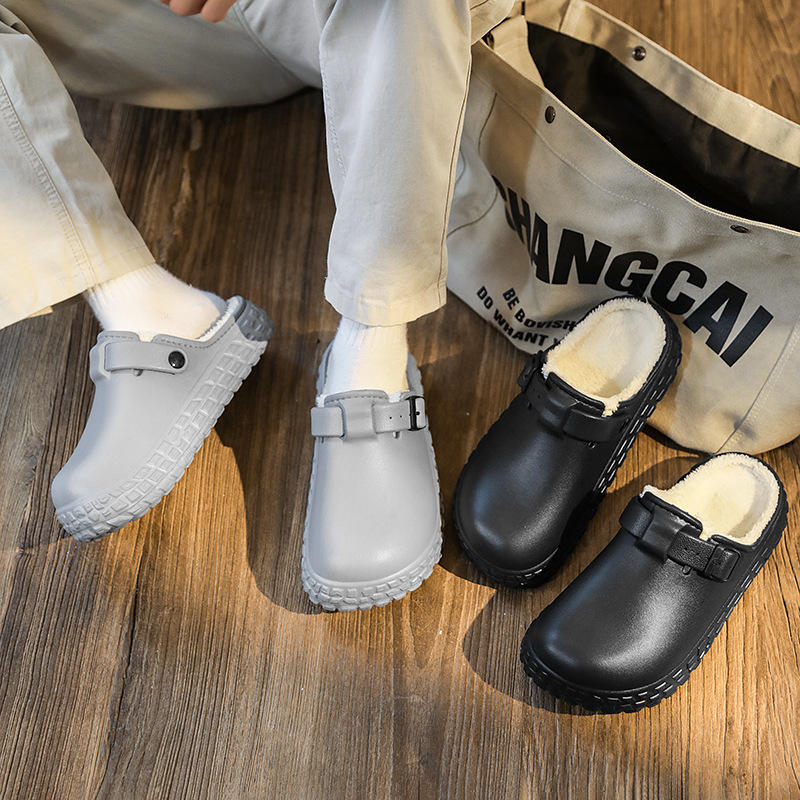
The “First Glance” and Smell Test
Before touching a single shoe, the environment tells a story. When walking into the inspection area (or opening the sample box sent for approval), the atmosphere matters. If the Wholesale Clogs are piled haphazardly or the master cartons look like they’ve gone twelve rounds in a boxing ring, the product inside often reflects that carelessness.
It starts with the nose.
EVA material (Ethylene Vinyl Acetate), which most clogs are made of, has a scent. However, it shouldn’t smell toxic. A pungent, eye-watering chemical odor usually means the material wasn’t cured long enough or the mixture is low quality. This smell doesn’t just go away; it lingers in retail stores, putting off customers.
Color Uniformity and Fading
Once the nose has had its say, the eyes take over. One might think, “Red is red,” but that’s rarely the case in mass production. This becomes a massive headache if you are trying to develop custom clogs with specific brand colors—a slight variance makes the whole batch look unprofessional.
You have to look at the batch as a whole. Do the “Navy Blue” clogs look identical in the morning light compared to the warehouse fluorescent light? Sometimes, the strap is a slightly different shade than the sole. This happens when components are molded at different times.
Material Integrity: The Squeeze and Twist
This is where things get tactile. You have to get hands-on. A clog needs to be comfortable—that’s the whole point of the shoe—but it also needs to be durable. If the foam feels too hard, it’s like walking on a brick. Too soft? It collapses after a week of wear.
Testing for Shore Hardness (Without a Gauge)
While factories use a durometer to test hardness, an experienced buyer can just use their thumb. When pressing firmly into the heel of the clog, the material should rebound instantly. If the dent stays there for a few seconds, the foam lacks density.
Then, there is the twist. Grab the toe and the heel and twist them in opposite directions. Wholesale Clogs need to handle this torque. If hairline cracks appear during the twist, or if the material turns white at the stress points (stress whitening), that is a major red flag. It implies the shoes might crack during shipping or after minimal use.
Inspecting the Hardware and Construction
Clogs seem simple—just one piece of molded foam, right? Not exactly. The strap mechanism is the weak point. It is the Achilles heel of the clog world.
The Rivet Check
The little plastic buttons (rivets) holding the strap in place are notorious for popping off. It creates a massive safety hazard, especially for children’s sizes.
Inspectors should perform a “pull test” on a random sampling of the batch.
Rotate the strap back and forth rapidly. It should move smoothly, not catch or squeak.
Pull the strap outward with reasonable force (about 10-15 lbs of pressure).
Check the inside of the rivet. Is it smooth against the foot? Sharp plastic edges here will cause blisters instantly
Examining the Injection Points
Every molded shoe has an injection point—the spot where the liquid foam entered the mold. Usually, this is trimmed off. However, in rushed productions of Wholesale Clogs, this trimming is sloppy. You might find a sharp, jagged piece of plastic sticking out on the heel or the side. It’s often called “flash.” If there is excess flash around the ventilation holes or the edges of the sole, it screams “cheap.” It requires manual trimming, which costs time, so factories sometimes skip it.
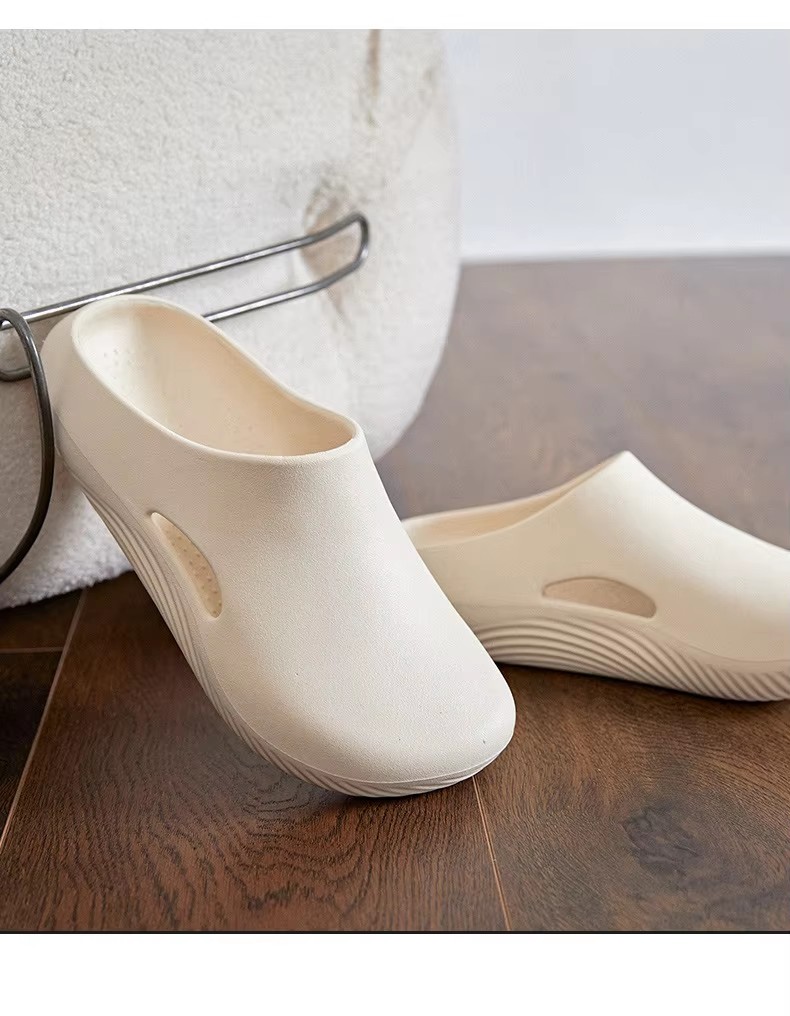
Sizing and Dimensions
This is the trickiest part. A size 40 in one factory is a size 42 in another. Or, worse, the left shoe is a size 40 and the right shoe, marked size 40, is actually a 39.5.
Because clogs are molded under heat, they shrink as they cool. If the cooling process isn’t regulated perfectly, the sizes fluctuate. It is common to see a pile of shoes that are supposedly the same size but look visibly different when placed sole-to-sole.
The Sole-to-Sole Match: Take a left and a right shoe of the same size. Press the soles together. They should match almost perfectly. If one is a quarter-inch shorter, that pair is unsellable.
Here is a basic breakdown of defects to categorize during inspection:
| Defect Type | Description | Tolerance Level |
|---|---|---|
| Critical | Sharp objects, broken rivets, mold (fungus), toxic smell. | 0% (Reject Shipment) |
| Major | Wrong sizing, mismatched colors, severe warping, strap detached. | 2.5% AQL |
| Minor | Scuff marks, slight glue residue, poor packaging labels. | 4.0% AQL |
Note: AQL stands for Acceptable Quality Limit, a standard used to decide if a batch passes or fails.
Packaging and The “Unboxing” Experience
Finally, it’s not just about the shoe; it’s about how it arrives. When buying Wholesale Clogs, the packaging protects the investment. If the shoes are thrown into a master carton without individual polybags, friction will cause scuffing.
Look for the silica gel packets. In humid manufacturing climates (where most clogs are made), moisture is the enemy. Without moisture control in the box, mold can grow on the shoes during the weeks they spend in a shipping container on the ocean. A moldy shipment is a total loss.
Also, check the hangtags. It seems trivial, but if the barcode scans as a “Winter Boot” instead of a “Summer Clog,” it creates a logistical nightmare for the retailer.
The Final Verdict
Inspecting a bulk order is exhausting work. It feels repetitive, looking at the same shoe hundreds of times. But finding that one box where the rivets are loose, or realizing that the “Black” clogs are actually “Dark Grey,” saves thousands of dollars in returns and bad reviews later.
It comes down to diligence. By systematically checking the smell, the material snap, the rivet strength, and the sizing accuracy, one can ensure that the Wholesale Clogs landing in the warehouse are assets, not liabilities. It’s better to catch the problem on the factory floor than to apologize to a customer later.If you want to know more about Wholesale Clogs, please read How to Choose Quality Wholesale Clogs for Bulk Orders.