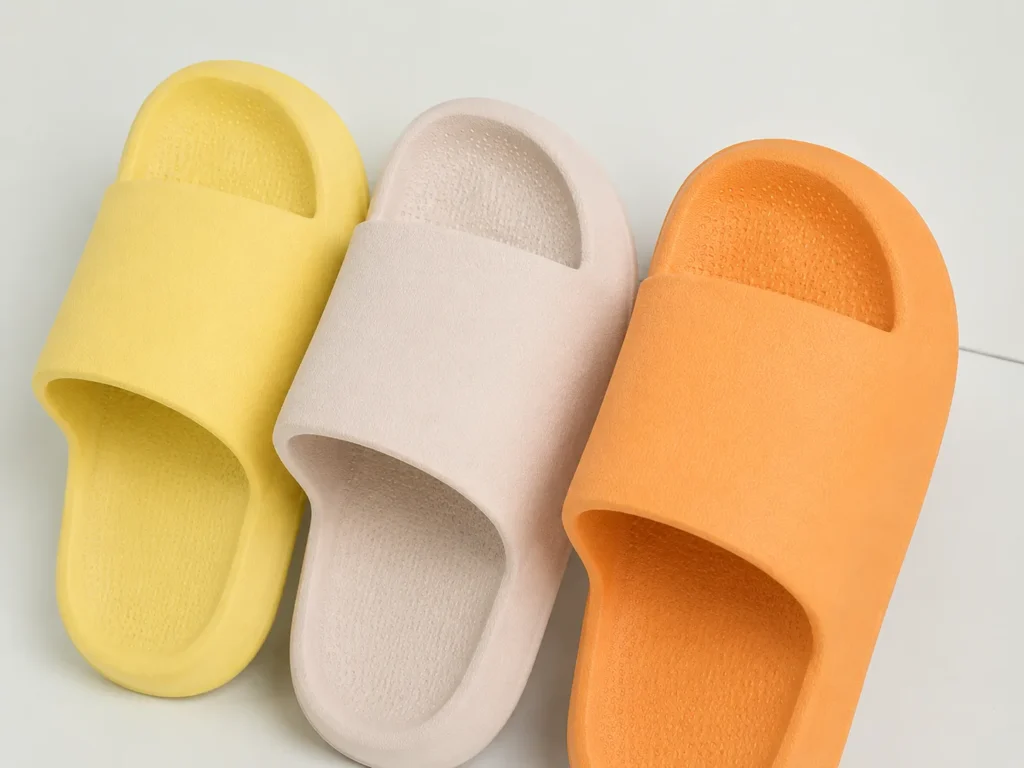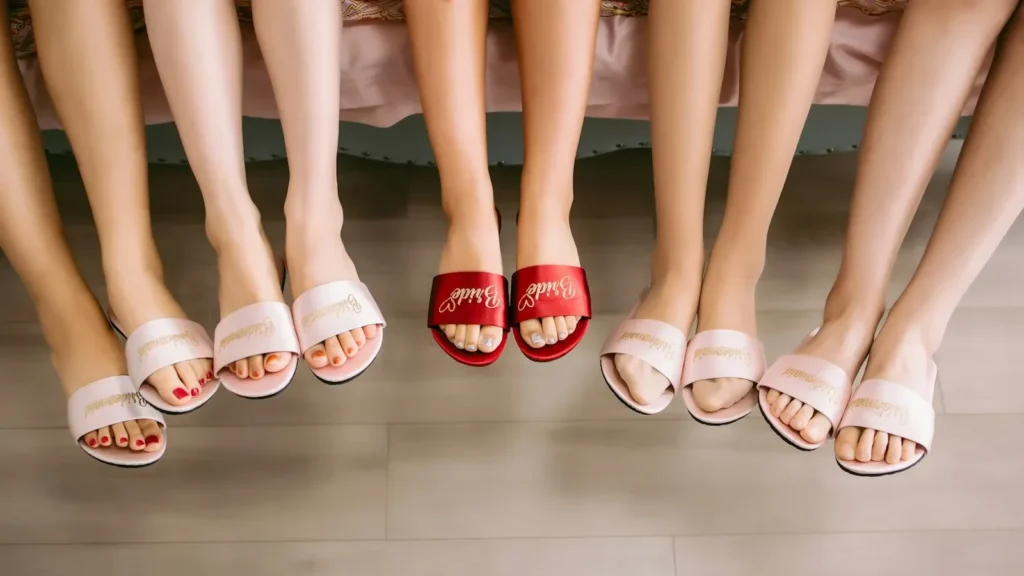
Hotel slippers are one of the lowest-cost items in a guest room, yet they carry a disproportionate influence on how guests judge a property. A thin, smooth-soled pair can undo an otherwise premium impression, while a well-made, branded pair signals attention to detail long before the guest reads a single review comment. For procurement teams, ordering custom hotel slippers in bulk is therefore not a simple consumables purchase: it is a sourcing decision that touches hygiene, safety, branding, compliance, and replenishment planning across every season of operation.
Before placing a bulk order for custom hotel slippers, buyers should weigh seven factors: whether the property needs disposable or reusable slippers, the upper material, the sole construction and its slip resistance, the sizing strategy for the guest profile, the logo application method, the minimum order quantity and production lead times, and finally the packaging, compliance, and quality-control requirements that protect the order from production errors. Each factor interacts with the others, so the most reliable way to buy is to define them together in a written brief before requesting quotations from any supplier.
The sections below examine each of these considerations in detail, with practical specifications, comparison tables, and a pre-production checklist that hotel buyers can apply directly to their next bulk order.
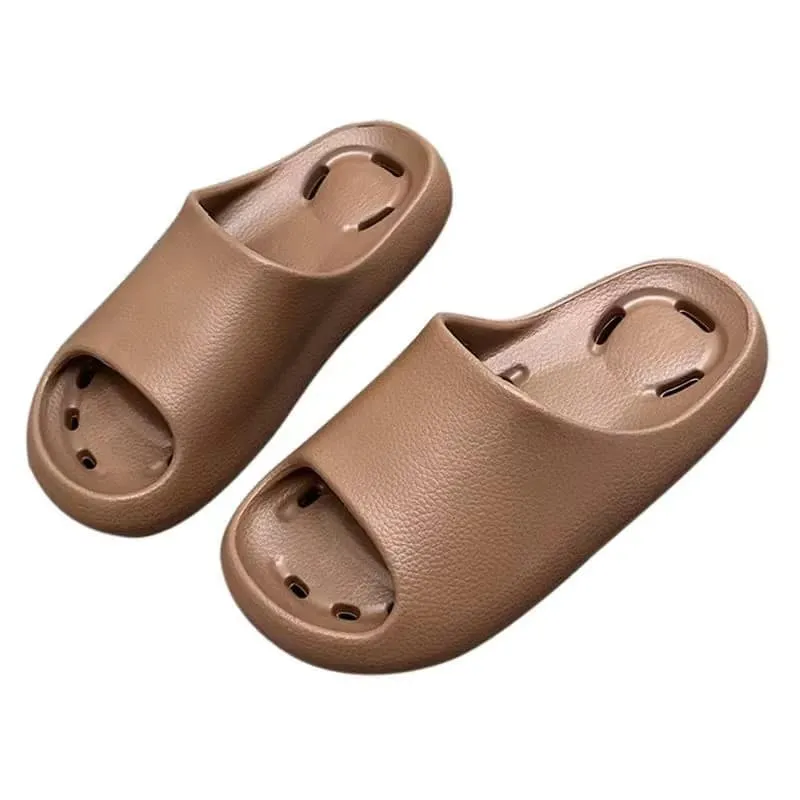
Disposable or Reusable: Match the Format to Your Property
The first and most consequential decision is format: disposable slippers suit economy and mid-scale properties that prioritize sealed hygiene and simple housekeeping, while reusable washable slippers suit luxury properties with controlled laundry operations. Choosing the wrong format inflates either laundry costs or per-guest consumable waste, so the property tier and housekeeping capacity should drive this choice before any material or styling discussion begins.
Disposable slippers arrive in a sealed polybag, which guarantees that no previous guest has worn the pair. That hygiene certainty, combined with low unit cost and zero laundry dependency, makes disposables the default for budget hotels, hostels, hospital amenity programs, and high-turnover mid-scale properties. Reusable slippers made from terry cloth or waffle fabric deliver a more substantial underfoot feel and can survive 50 to 200 commercial wash cycles, but they only make sense where laundry infrastructure, occupancy patterns, and labor capacity support consistent laundering between guests. A mixed strategy is also legitimate and common: many four-star properties place practical disposables in standard rooms while reserving thicker reusable pairs for suites and executive floors. Working with a specialized Slippers Manufacturer allows both formats to be produced within one program, keeping branding consistent across room tiers.
Upper Materials: Terry, Waffle, Velvet, and Non-Woven
The upper material determines comfort, perceived quality, and unit price more than any other specification, and it should align with the property tier: terry and waffle for washable luxury programs, velvet or coral fleece for premium disposables, and non-woven fabric for budget short-stay use.
| Material | Format | Hand Feel | Typical Use |
| Terry cloth (300 to 500 GSM) | Washable | Soft, absorbent, plush | Four and five star hotels, resorts |
| Waffle weave | Washable or disposable | Light, breathable, neat | Spas, boutique and design led properties |
| Velvet or velour | Premium disposable | Smooth, lustrous | Luxury hotels in Asia and the Middle East |
| Coral fleece | Disposable | Warm, fluffy | Cold climate properties, winter seasons |
| Non-woven fabric | Disposable | Basic, thin | Budget hotels, short stay and transit use |
Two material details deserve special attention during sampling. First, non-woven fabric below 50 GSM tears easily during use and reads as cheap; a disposable slipper in 60 GSM or higher non-woven, paired with a cushioned EVA insole, creates a markedly more premium impression at a modest cost increase. Second, long-fiber plush materials such as coral fleece mat and flatten quickly and shed lint, which increases housekeeping workload in the rooms where they are used. Whenever possible, approve the physical material card rather than relying on catalog photographs or vague descriptors such as premium or eco-friendly.
Sole Construction and Slip Resistance
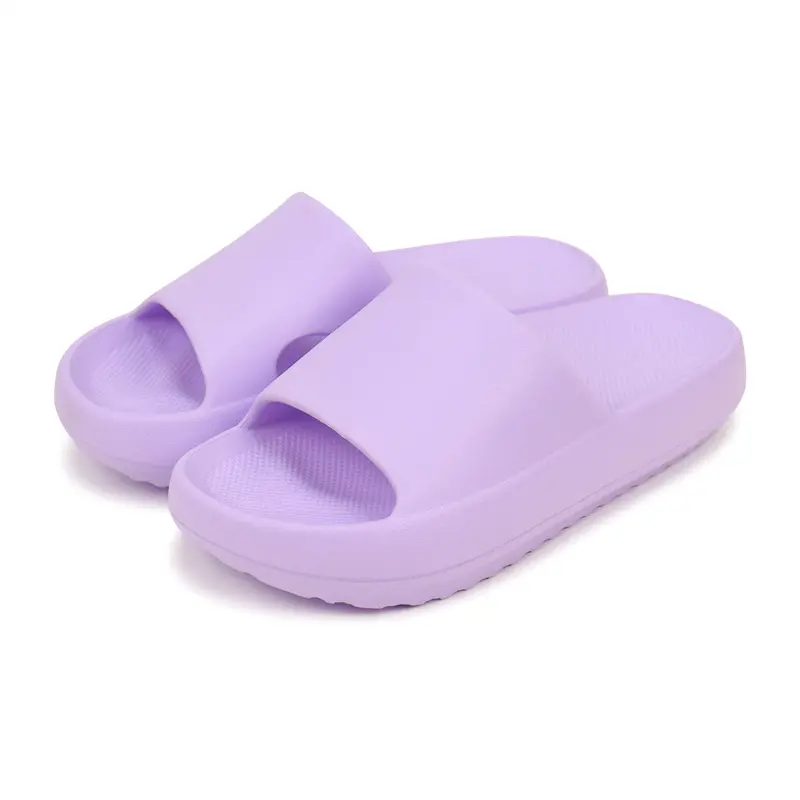
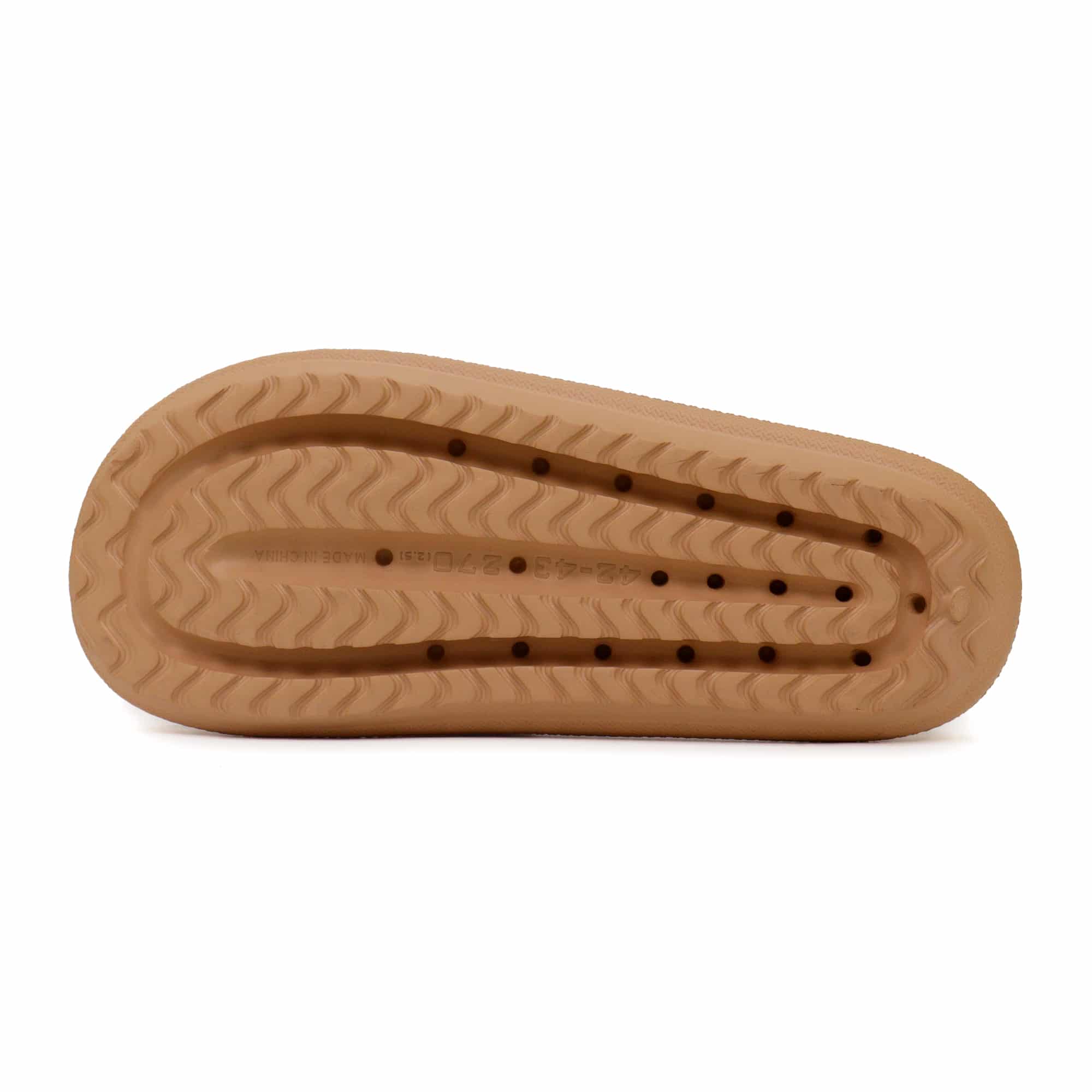
The sole is the safety-critical component of a hotel slipper: EVA foam soles are the lightweight, cost-effective standard for disposables, TPR soles balance grip and durability for mid-range washable programs, and rubber soles offer the best traction and lifespan for luxury reusable slippers. Every outsole should carry a textured, non-slip pattern regardless of material.
| Sole Type | Typical Thickness | Durability | Best Suited To |
| EVA foam, basic | 3 to 5 mm | Single use | Budget disposable amenity |
| EVA foam, cushioned | 5 to 10 mm | Single use or limited reuse | Mid-scale to upscale disposables |
| TPR (thermoplastic rubber) | 3 to 8 mm | 50 to 150 washes | Mid-range washable slippers |
| Rubber | 5 to 10 mm | 100 to 200+ washes | Luxury washable slippers |
EVA, or ethylene vinyl acetate, is a closed-cell foam valued in footwear for its low weight, cushioning, and water resistance, which explains its dominance in disposable programs. For washable slippers, buyers should verify that the sole is securely stitched or bonded to the upper, because sole separation is the most common failure point after repeated washing. On safety, a textured anti-slip outsole pattern should be treated as non-negotiable: polished hotel corridors and wet bathroom tile turn smooth-soled slippers into a genuine liability risk, and documented slip resistance is the first thing an insurer will request if a guest incident ever occurs.
Sizing Strategy for a Diverse Guest Profile
A two-size unisex system, one standard size plus one extra large, covers more than 90 percent of guests while keeping inventory manageable, and it should be the default for most bulk orders. Additional sizes only pay off for family resorts or markets where guest foot size distributions clearly differ from the standard range.
The most common hotel configuration pairs a Standard one size around EU 39 to 42 with a Large or XL size around EU 43 to 46. The larger size matters most for properties serving North American, Middle Eastern, and Northern European guests, while many Asian and Southern European markets can lean more heavily on the standard size. Family resorts add children’s sizes, which in the United States also triggers children’s product documentation requirements. Every additional size increases the SKU count, the minimum order quantity per size, and the risk of a stockout in the size guests actually need, so a deliberate wholesale slipper sizes plan should be locked before production. A generous cut with an elastic or adjustable closure further widens the fit range of each size and reduces the number of sizes the property must carry.
Logo Application and Branding Options
Branding method must match the material and format: embroidery suits washable terry and velvet slippers, silkscreen printing suits fabric and EVA surfaces, and woven labels are the most economical option for disposable programs. Confirming the supported method, the imprint area, and the artwork requirements before quoting prevents costly decoration changes at the production stage.
The main decoration options compare as follows:
- Embroidery: durable and premium in appearance, ideal for reusable slippers that face repeated laundering, but it raises unit cost and requires a stable fabric base such as terry or velour.
- Silkscreen printing: cost-effective for flat fabric and EVA surfaces, suitable for both disposable and washable formats, with logo placement limited by the print frame size.
- Woven labels: sewn-in labels survive washing, add a refined finish, and work well on disposable slippers where stitching directly onto non-woven fabric would tear the material.
- Hot stamping and debossing: used on EVA and rubber soles or footbeds for subtle, tactile branding.
Artwork should be prepared as vector files, with a physical or virtual mockup approved before production so the logo scale, color match, and placement can be checked against the actual slipper. Buyers following a structured custom slippers wholesale process typically request one branded sample per decoration method before committing the full bulk quantity.
MOQ, Lead Times, and Replenishment Planning
Custom hotel slipper orders typically start at a minimum of 500 to 1,000 pairs per style, with production running 25 to 40 days after sample approval, so bulk orders must be planned around occupancy cycles rather than ordered reactively when stock runs low.
Three planning parameters shape the order. First, the MOQ is usually spreadable across two to four colors and the full size run within one style, which means a two-size program can often start at the entry minimum rather than doubling it. Second, the sample stage adds its own lead time: a first sample, artwork adjustment, and a confirmed pre-production sample can take several rounds, and first orders should always include a pre-production sample in the actual material and grip specification. Third, replenishment cadence matters more than unit price over the life of the program. Most properties reorder two to four times per year, and a supplier that guarantees repeat-order consistency, meaning the same material lots, sole density, and logo placement as the approved original, protects the amenity standard from drifting between batches. Building 15 to 20 percent safety stock into the annual plan is consistently cheaper than paying expedited air freight during an occupancy spike, so planned replenishment should travel by sea and only emergency top-ups should fly.
Packaging, Compliance, and Sustainability
Packaging should protect slipper cleanliness while staying practical for housekeeping handling, and every bulk order should carry the compliance documents its destination market requires, including textile safety certifications and, where applicable, flammability conformity for fabric slippers.
Packaging options range from simple sealed polybags to paper wraps, belly bands, kraft paper sleeves, and printed boxes, and the right choice balances hygiene, housekeeping workflow, and brand presentation. Individual packaging with printed logos elevates perceived quality at minimal incremental cost, particularly in the disposable segment. On compliance, skin-contact textile amenities are commonly certified against OEKO-TEX Standard 100, a testing system for harmful substances in textiles, and buyers supplying the United States should also be aware that clothing textiles fall under the general flammability standard codified in 16 CFR Part 1610; whether the standard applies to a specific slipper construction is a question for a qualified compliance professional, but suppliers should be able to produce test documentation on request. Sustainability requirements increasingly shape material selection as well: cotton uppers, cork-style soles, recyclable paper packaging, and reduced-plastic packing all support properties that report environmental metrics, and reusable programs with documented wash cycles reduce per-guest waste compared with disposables.
Quality Control and Sample Approval Before Mass Production
No bulk order should proceed without an approved physical pre-production sample and a written inspection checklist, because an attractive sample does not guarantee a uniform production run; separating artwork approval from production approval, and documenting acceptance criteria for every defect category, is what protects a bulk order from expensive, uneven output.
A professional approval sequence runs in two steps. The artwork approval confirms the logo, its placement, and the color match, while the production sample confirms the actual material, shape, sole bonding, decoration, and packaging together in one physical unit. Only after both are approved in writing should mass production begin. During and after production, the inspection checklist should define what is acceptable, what requires repair, and what causes rejection across these checkpoints:
- Dimensions and size marking against the approved specification
- Color and logo position consistency across pairs
- Stitching, binding, and sole-to-upper bonding strength
- Surface cleanliness, odor, and pair matching
- Packing count, labeling, and carton condition before shipment
The most expensive bulk-buying mistakes come from incomplete specifications rather than wrong design choices: ordering from a photograph without testing the physical sample, approving the upper but not the sole or packaging, leaving the size assortment to the supplier, and comparing quotations that quietly assume different packaging or decoration inclusions. A disciplined slipper quality control process catches all of these before the goods ship rather than after guests check in.
Frequently Asked Questions
How many pairs of slippers should a hotel stock per room per night?
Plan for two pairs per room per night to cover double occupancy, then add a 10 to 15 percent buffer for single guests who still request a fresh pair, for losses, and for special requests. A 200-room property running at 80 percent occupancy consumes roughly 9,600 to 11,500 pairs per year, which is the consumption figure your MOQ and reorder cadence should be built around.
Can guests take hotel slippers home with them?
Disposable slippers are designed to be given away, and most hotels expect guests to take them, which turns each pair into a small branded keepsake that extends the property’s visibility beyond the stay. Reusable slippers are property assets and are not meant to leave the room, so properties that want a takeaway effect should either choose disposables or treat the replacement cost of missing reusables as part of the amenity budget.
How much do custom hotel slippers cost per pair in bulk?
Basic non-woven disposables sit at the low end of the range, coral fleece and velvet disposables typically run higher per pair, and washable terry or waffle slippers with rubber soles cost the most upfront but spread that cost across 100 or more wash cycles. Unit price also moves with decoration method, packaging, and order volume, so the practical comparison is cost per guest use rather than cost per pair, and quotations should separate product, decoration, packaging, and freight so offers can be compared on identical assumptions.